REVIEW · BERLIN
Berlin: Guided Walking Tour in English
Book on GetYourGuide →Operated by Walkative Tours · Bookable on GetYourGuide
Berlin can feel like a city in layers.
This walking tour gives you a chronological way to read those layers, moving from Alexanderplatz toward the Brandenburg Gate with key stops that explain how Berlin got from then to now.
I especially love the way the route ties big landmarks to specific time periods, not just photos. You’ll also get strong value for the price because the English local guide keeps the pace tight for a 2.5-hour format. One thing to keep in mind: it’s a walking tour, so you’ll be on your feet through streets and squares, and the schedule doesn’t mention built-in time for long breaks.
In This Review
- Key Highlights You Should Care About
- A Berlin Timeline You Can Walk
- Finding the Group Near Rotes Rathaus and the TV Tower
- Alexanderplatz, TV Tower Views, and the Medieval Bits
- A Reconstructed Royal Palace and a Quick Reset for Context
- Museum Island Open Space and Cathedral Views
- Humboldt University and the Streets Between Squares
- Gendarmenmarkt: The Square You’ll Want to Linger In
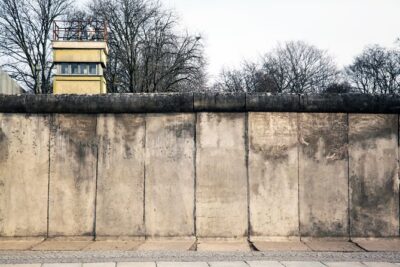
- Checkpoint Charlie and the Berlin Wall Story
- Passing Hitler’s Former Bunker Site: Expect Serious Tone
- The Brandenburg Gate Finish: Unity in Stone
- Price and Value: Is $31 Worth It?
- The Guide Makes the Difference (J.R., Jule, Ru, Will)
- What to Expect on the Ground: Walking, Weather, and Pace
- Who Should Book This Tour
- Should You Book This Berlin Guided Walking Tour?
- FAQ
- Where is the meeting point for the tour?
- How long is the Berlin guided walking tour?
- Is the tour offered in English?
- Is this walking tour wheelchair accessible?
- What should I bring?
- Are food and drinks included?
- Can I pay later and cancel if plans change?
Key Highlights You Should Care About
- A timeline you can actually follow: history from medieval roots to a divided city to unity.
- Museum Island space: you’ll get open views that are easier to appreciate on foot.
- Gendarmenmarkt photo moments: this is the kind of square you’ll want to slow down for.
- Checkpoint Charlie’s Wall context: you learn the Berlin Wall story at a major reference point.
- Dark history, handled directly: you’ll pass the former location of Hitler’s bunker and hear the context.
- Brandenburg Gate as a final symbol: you end with Germany’s unity theme in plain sight.
A Berlin Timeline You Can Walk
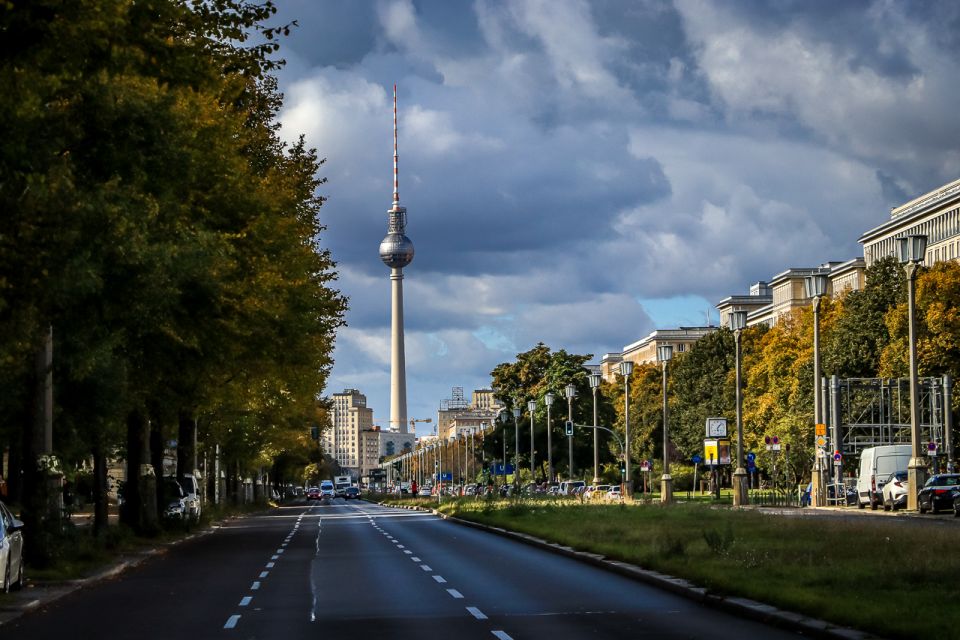
If you’ve ever tried to tour Berlin by grabbing landmarks one by one, you know the problem: it’s easy to see buildings but hard to connect the dots. This tour fixes that with a straightforward sequence. You start in the historical center zone and move forward through time, with stops chosen to match the eras you’re hearing about.
I like this approach because it reduces guesswork. You won’t need to figure out why one building matters while you’re standing in front of it. The guide turns the street into a timeline, so when you reach Museum Island or the Brandenburg Gate, you’re not just looking at stone. You’re understanding what period of Berlin you’re seeing.
And the pacing fits a short visit. At 2.5 hours, you won’t drain your whole day, but you’ll still cover a lot of ground and important ground-level context.
You can also read our reviews of more walking tours in Berlin



Finding the Group Near Rotes Rathaus and the TV Tower
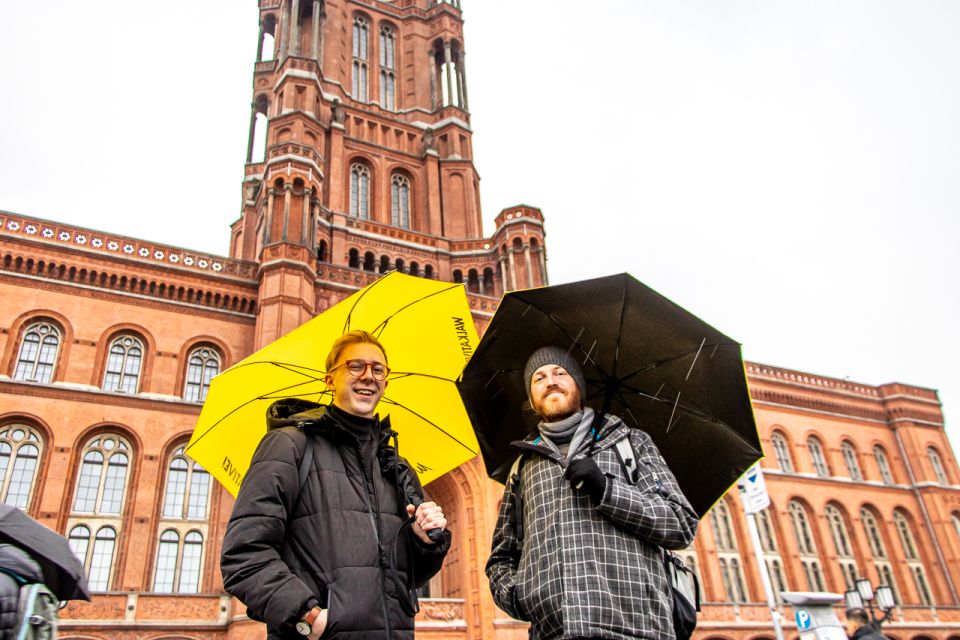
The meeting point is simple if you know your bearings: you meet in front of Rotes Rathaus (Red Town Hall), close to the TV Tower and the Neptune Fountain. That’s a good choice because it places you right where multiple routes converge in Berlin.
Aim to arrive about 10 minutes early. Berlin crowds can be sneaky, and the group needs to gather before you start moving. If you’re coming from Alexanderplatz, you’ll probably feel like you’re already in the core of things once you reach the meeting area.
This is also the kind of tour where being a few minutes late can make you miss a smooth start. The story is chronological, so you’ll want to catch the first pieces.
Alexanderplatz, TV Tower Views, and the Medieval Bits
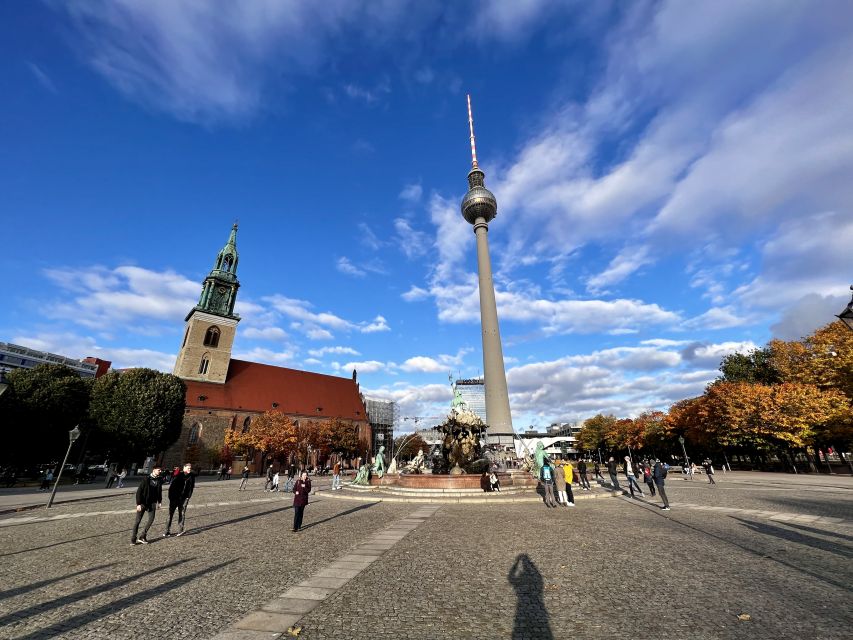
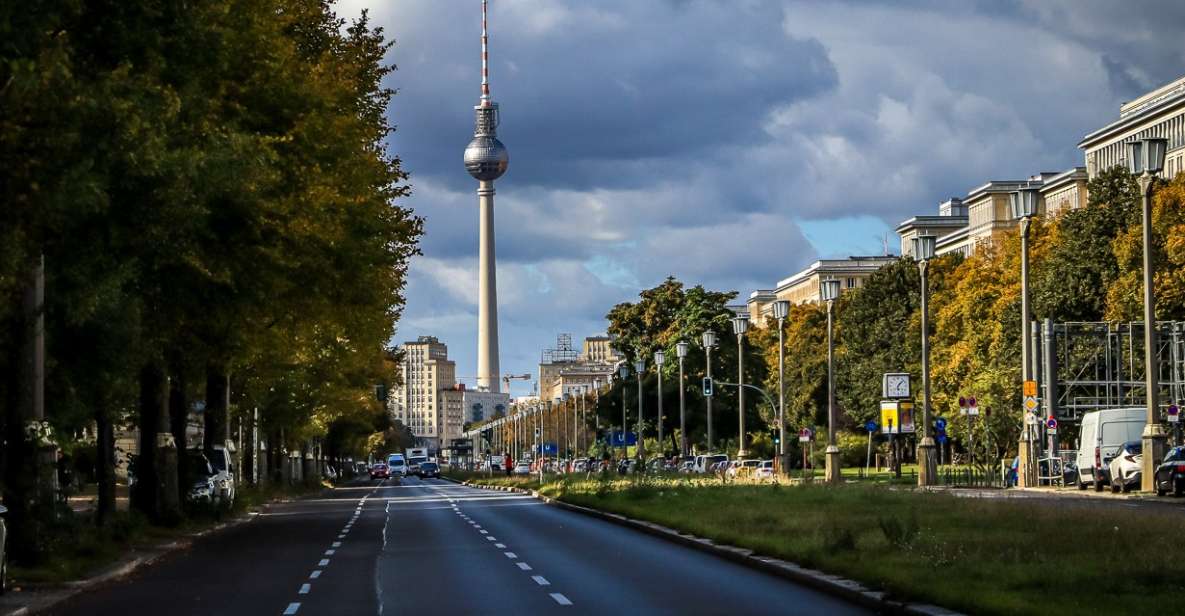
Your walk begins at the Alexanderplatz side of Berlin’s historical center. You’ll see the TV Tower, which instantly signals modern Berlin. But the tour doesn’t stop there. You’ll also spot original medieval remnants of the small town Berlin once was.
That contrast is the whole point. Berlin didn’t start as a grand empire city with a wall circling it. It grew through smaller chapters, and you see that foundation before the guide starts layering on later politics and architecture.
Practical tip: bring a phone with offline maps if you like to follow along. The tour will feel most satisfying when you can track the direction and understand how each stop connects to the next.
A Reconstructed Royal Palace and a Quick Reset for Context
Next comes the controversial reconstructed former Royal Palace of the Hohenzollern. This is one of those stops where Berlin becomes a debate in real time. The guide’s job is to put the palace reconstruction in context, so you’re not left wondering what’s authentic and what’s rebuilt.
Even if you’re tired of political architecture arguments, this stop is worth it because it explains how Berlin uses history as a tool. You’ll start to recognize a pattern: Berlin often stages memory in public space.
This is also a good moment to take a mental breath. The tour’s later stops cover heavy themes, including the Berlin Wall and Hitler’s bunker site. Hearing the political architecture angle earlier helps you understand why later events hit so hard.
Museum Island Open Space and Cathedral Views

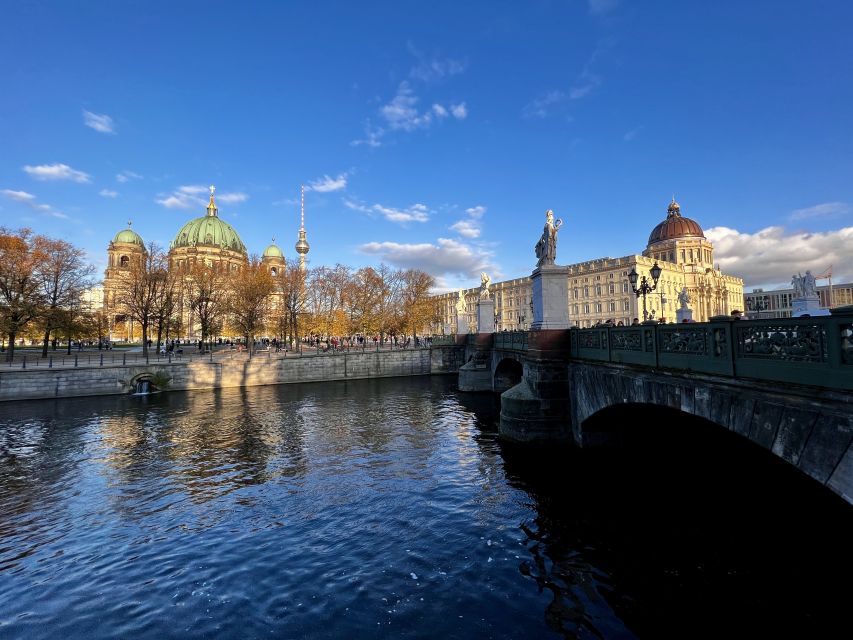
One of the best parts of this tour is the emphasis on Museum Island. You get the open space that makes this area feel different from tight city streets. It’s a less frantic experience. You can look around and actually see the geography the buildings sit in.
You’ll also get a great view of the Berlin Cathedral from this area. That’s useful because it ties Museum Island into the broader historic-center skyline. Instead of Museum Island being one bubble of museums, you understand how it relates to the city’s religious and civic landmarks.
If you like photos, this is where you’ll want to pause. Even if you’re not obsessed with pictures, the open view helps you register where you are before the tour turns into busier central streets.
You can also read our reviews of more guided tours in Berlin






Humboldt University and the Streets Between Squares
After Museum Island, you pass by Humboldt University. It’s not just a stop for name recognition. Berlin’s learning institutions have long been part of its intellectual engine, and the guide uses that to keep the chronology flowing.
Then you walk through the “maze” of the central streets, moving toward one of Berlin’s prettiest squares: Gendarmenmarkt. This is an important shift. The tour stops being only about monuments and starts being about urban texture.
Walking through real streets also helps you understand what Berlin feels like day to day. Even when you’re learning history, you’re still experiencing the city as a living place. That makes the later historical stops hit with more weight, because you’re not imagining Berlin from a brochure.
Gendarmenmarkt: The Square You’ll Want to Linger In
Gendarmenmarkt is often the square people remember first from a first visit to Berlin, and this tour earns that reputation. The guide points out what makes it so special, and you get time to admire the overall beauty rather than rushing past it.
Why it works on this itinerary: the tour has been building context. By the time you reach Gendarmenmarkt, you’re already thinking in time periods and political shifts. This square provides a visual reset, a moment where Berlin’s civic elegance takes the stage.
It’s also a reminder that Berlin isn’t only walls and wartime history. You’re seeing the city’s aesthetics, too. Even if you’re not a square person, you’ll probably find yourself slowing down here.
Checkpoint Charlie and the Berlin Wall Story
One of the major draw points is learning about the Berlin Wall at Checkpoint Charlie. This is where the tour transitions from architecture and narrative back into the lived reality of division.
I like that the tour doesn’t treat the Berlin Wall as a generic history topic. It ties the wall to a specific, recognizable reference point. That helps you later when you’re looking at photos and wanting to place them in your mental map.
Checkpoint Charlie can be busy, so expect crowds and lots of people moving around. The tour guide’s value here is timing and interpretation: you’re there for understanding, not just spectacle. If you’re the type who wants more than a caption, you’ll get it.
Passing Hitler’s Former Bunker Site: Expect Serious Tone
The tour includes an important stop along the route: the location where Hitler’s bunker formerly stood. This isn’t a feel-good photo moment. The guide walks you through the country’s dark past with a tone that matches the subject.
What I appreciate is that the tour doesn’t float past it as trivia. It’s handled as a real historical anchor, right before the final symbolic stop at the Brandenburg Gate.
If dark history weighs on you, plan your other activities for the rest of the day accordingly. This tour is only 2.5 hours, but it covers a lot of emotional ground.
Also, because it’s on a walking route, you won’t have the luxury of lingering for long reflection unless your group timing allows. The tradeoff is that you keep your chronological flow.
The Brandenburg Gate Finish: Unity in Stone
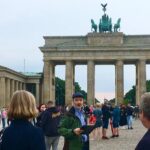
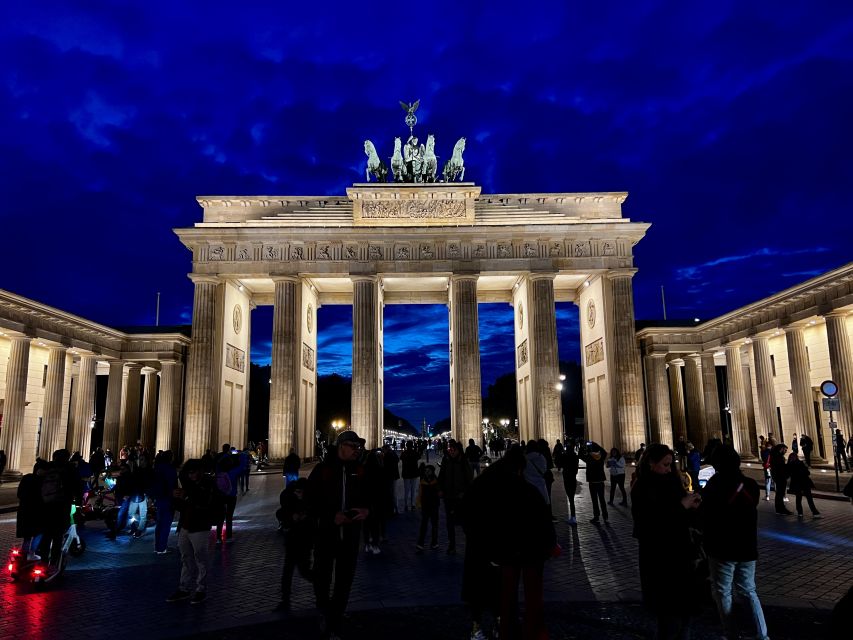
You end at the Brandenburg Gate, presented as a symbol of unity of Germany and Europe, with its open, classical archways. Ending here makes sense because the story isn’t only about collapse and division. It’s also about the public meaning Berlin chose to carry forward.
It’s a strong final note because the architecture literally frames space. Even if you’ve seen the Gate before, this route makes you look at it differently: you’re not only admiring a famous landmark. You’re connecting it to the earlier stops that explained how Berlin arrived at this point.
If the weather is clear, the Gate area is exactly the kind of place where you’ll feel glad you walked here rather than rode past on transit. You can take in the scale and the sense of public symbolism.
Price and Value: Is $31 Worth It?
At $31 per person for a 2.5-hour guided walk, I think the value is strong if you want a first-pass orientation of Berlin’s history. You’re paying for two things you can’t easily DIY: an English local guide and a chronological narrative that connects the stops.
Also, the tour works like a pay-as-you-wish structure in practice. The booking amount covers a reservation fee and the guide’s payment, and you can still choose how you want to reward your guide afterward. That matters because it can reward the kind of guide you end up with. A good guide can turn a list of landmarks into a story you remember.
This is one of those tours that feels best when you’re willing to listen and walk. If you prefer silent sightseeing, you might not get your money’s worth. If you like context and guidance, it’s a fair price.
The Guide Makes the Difference (J.R., Jule, Ru, Will)
The reviews attached to this tour pattern around one idea: the guide quality varies, but the best sessions are sharply engaging and tuned to real conditions.
For example, guides such as J.R. and Jule are praised for being engaging and encouraging you to learn while walking. Ru gets credit for handling cold weather thoughtfully, which is no small deal in Berlin. Will is noted for practical hints for the rest of your trip, and for keeping the tour entertaining while packing in history.
If you can, this is the kind of tour I’d book early in your Berlin stay. It gives you a mental framework for everything else that follows, so later you don’t just see a building. You know what era you’re standing in.
What to Expect on the Ground: Walking, Weather, and Pace
This tour is wheelchair accessible, but it’s still a walking route. Expect steady movement through streets and squares.
What to bring is basic: weather-appropriate clothing. Berlin weather can change fast, and if it’s cold, the tour still keeps going. Wear layers you can manage without feeling stuck.
Comfort matters because 2.5 hours passes quickly when you’re walking. One review did wish there were clear signals about when you could grab a drink or use the restroom. Since the tour information doesn’t promise a formal break, I recommend planning for your own needs before you meet and having a small stop plan afterward.
If you need a break during the tour, politely ask at an appropriate moment rather than waiting until you’re already uncomfortable. Your guide can usually help you handle it safely without disrupting the group.
Who Should Book This Tour
This is a great fit if you:
- Want a quick, organized history framework for Berlin.
- Enjoy walking tours that connect the “why” to the “what.”
- Prefer the major visual anchors: TV Tower area, Museum Island views, Gendarmenmarkt, Checkpoint Charlie, and the Brandenburg Gate.
You might skip it if you:
- Hate walking or need frequent breaks.
- Only want one or two major stops and plan to spend the rest of your time on your own.
Should You Book This Berlin Guided Walking Tour?
Yes, I’d book it if you want Berlin to make sense fast. For $31, you get an English guide, a chronological narrative, and a route that hits the essential history locations without turning your day into a full marathon.
I’d especially recommend it early in your trip so the rest of your sightseeing clicks into place. And pack for the weather, because the tour is designed to keep moving.
If you’re looking for a guided “first read” of Berlin’s story, this is a smart way to start.
FAQ
Where is the meeting point for the tour?
You meet in front of Rotes Rathaus (Red Town Hall), close to the TV Tower and Neptune Fountain.
How long is the Berlin guided walking tour?
The tour lasts 2.5 hours.
Is the tour offered in English?
Yes, the live tour guide speaks English.
Is this walking tour wheelchair accessible?
Yes, it is listed as wheelchair accessible.
What should I bring?
Bring weather-appropriate clothing.
Are food and drinks included?
No, food and drinks are not included.
Can I pay later and cancel if plans change?
You can reserve now and pay later, and you can cancel up to 24 hours in advance for a full refund.