REVIEW · BERLIN
Historical city tour in the African Quarter in Berlin
Book on Viator →Operated by Dekoloniale Stadtführung · Bookable on Viator
Street names can tell ugly truths. In Berlin’s African Quarter, a simple walk turns into a sharp lesson about Germany’s colonial era, using the neighborhood itself as a history book. This two-hour route in the north of Berlin traces how 22 streets earned their names, and what that meant when European powers wrote the rules.
I especially like the change in perspective you get here. Instead of repeating the usual Berlin highlights, the tour puts lesser-known German-African connections on the table and ties them to places you can stand right on. I also like the structure: short stop-and-story moments at places like Swakopmunder Straße and Kongostraße, so you stay oriented instead of drifting through vague facts.
One consideration: it’s still a walking tour, and it’s weather-dependent. If conditions are rough, plan on rescheduling or pivoting, and wear shoes that handle city sidewalks and uneven ground.
In This Review
- Key highlights worth your attention
- Why the African Quarter tour feels different from standard Berlin walks
- Price and value: what $33.57 buys you in 2 hours
- Tour pacing and logistics that actually matter
- Stop-by-stop: what you’ll learn at Swakopmunder Straße
- Anna-Mungunda-Allee and the debate behind names
- Manga-Bell-Platz: Gustav Nachtigal and the politics of memorials
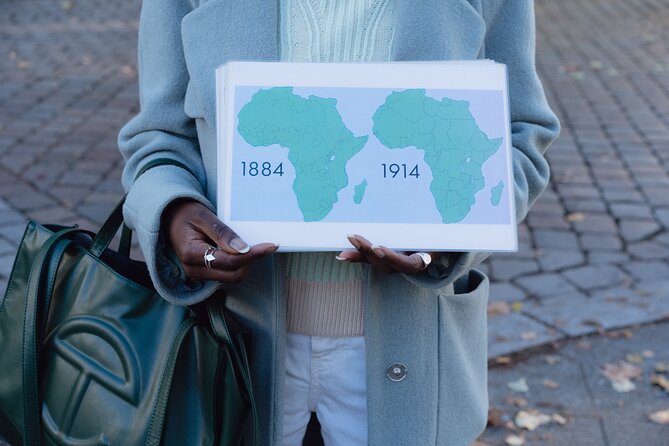
- Kongostraße and the 1884 Congo Conference map lesson
- What I think makes Dekoloniale Stadtführung worth your time
- Who should book this tour
- Quick practical checklist before you go
- Should you book this African Quarter historical walk?
- FAQ
- How long is the African Quarter historical city tour?
- Where does the tour start and where does it end?
- What will I see during the walk?
- Is there an entrance fee for each stop?
- What does the ticket cost?
- How far in advance should I book?
- What if the weather is bad?
- Is there flexibility if I need to cancel?
Key highlights worth your attention
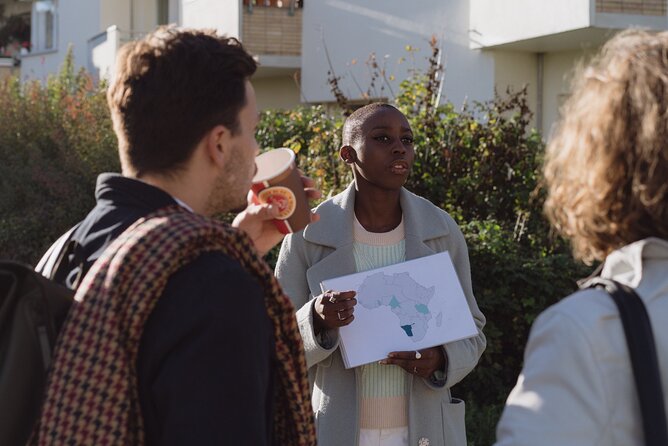
- 22-street African Quarter layout: the neighborhood works like an open-air map of colonial-era naming.
- Colonial street names explained clearly: you connect names to real political history, not just trivia.
- 1884 Berlin and the Congo Conference: you’re shown how maps and claims changed after the conference.
- Gustav Nachtigal and the naming of Manga-Bell-Platz: the square’s name is treated as a story, not a label.
- Anna-Mungunda-Allee and Petersallee: you hear the backstory and discussion around renaming and recognition.
- Max group size of 20: small enough for questions without turning it into a lecture hall.
Why the African Quarter tour feels different from standard Berlin walks
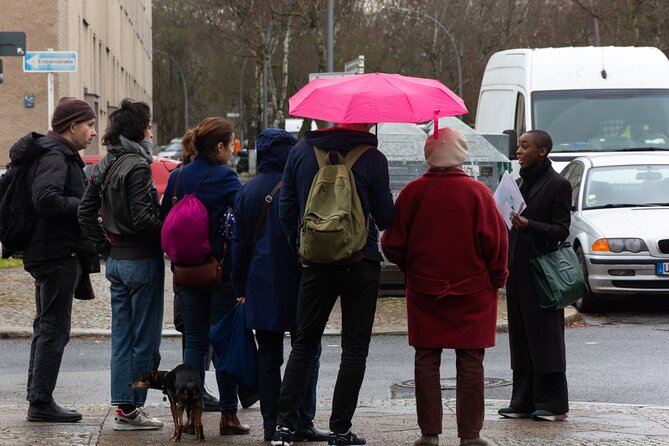
Berlin has a thousand ways to tell its story. This experience chooses one specific thread: the German colonial period, and how it left fingerprints on the street signs you pass every day.
The African Quarter is an area monument made up of 22 streets. What makes it unusual is the naming logic. You’ll find streets labeled after African countries, European cities, and colonial-era figures tied to imperial administration. The guide doesn’t treat this as weird old signage. It treats it as evidence—evidence of how power shaped geography, language, and who got to name what.
That’s the heart of the tour: you’re not just hearing that Germany had colonial ties. You’re seeing how those ties survived into everyday life through street names and commemorations. If you like history that has a physical footprint in the present, this kind of walk clicks fast.
And the format matters. A two-hour time window with clear stops keeps you from feeling like you’re trudging through an info dump. Each stop is short, but the questions get pointed—why a particular name was chosen, what relationship existed, and why the event being referenced mattered.
You can also read our reviews of more city tours in Berlin

Price and value: what $33.57 buys you in 2 hours
At $33.57 per person for about two hours, the cost isn’t trying to be “budget” or “luxury.” It’s more like paying for a focused, guided interpretation of a place most people casually overlook.
Here’s where the value comes from:
- You’re getting a guided narrative that links multiple street names into one bigger story. Without a guide, you could still walk the area, but you’d likely miss why names like Swakopmunder Straße or Kongostraße matter.
- The group size is capped at 20 travelers. That’s not huge, and it usually means you can ask questions or get clarification without the tour turning into a one-way presentation.
- Stops include free admission ticket notes (you don’t need to pay extra at each point just to participate). That keeps the cost straightforward.
I also think the timing is smart: two hours is long enough to connect dots, but short enough to fit into a busy Berlin schedule. If you’re doing other major sights in the same day, this tour gives you a contrasting viewpoint without eating half your trip.
Tour pacing and logistics that actually matter
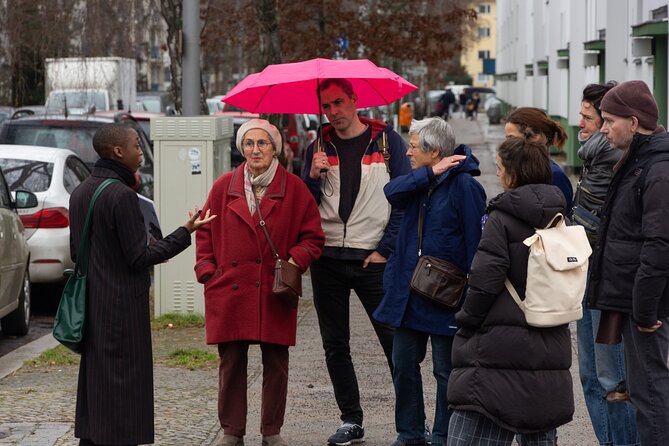
This is a walking tour in the African Quarter (north Berlin), and it ends at Rehberge (the end point listed is Rehberge, 13349 Berlin). The start is at Swakopmunder Straße 44, 13351 Berlin.
The walking approach is practical. The stops are spread across streets you’ll recognize as part of that 22-street zone. Since each stop runs about five minutes, you can mentally reset between points instead of getting overwhelmed.
You’ll also want to note these practical bits:
- Mobile ticket: you won’t be hunting for paper.
- Near public transportation: getting there shouldn’t be a major puzzle.
- Good weather required: the experience depends on conditions, so check the forecast before committing.
- Service animals allowed: good to know for anyone who relies on one.
- Most travelers can participate: that’s your signal that the pace and route should be manageable for many people.
If you’re the type who likes a plan but hates rigid tours, this fits. You’ll cover ground, but the stop structure keeps things clear.
Stop-by-stop: what you’ll learn at Swakopmunder Straße
You begin at Swakopmunder Straße, and that choice is clever because the name sounds like it belongs far away—like a far-off colonial reference—yet it sits in Berlin. The big question here is direct: What does Swakopmund have to do with Berlin?
From that starting point, the tour pivots to the heart of German colonial connections, including Germany’s role in Namibia. The point isn’t to overwhelm you with dates. It’s to show how German influence linked places through naming, administration, and the political reshaping of colonial space.
A tip: look up while you walk. The street names are the “content,” so your eyes should be on signage and intersections more than on random architecture.
Possible drawback at this stop: if you already know a lot about Namibia and German colonial history, you may feel like the tour is still building its foundations. The trade-off is that it makes the rest of the route easier to follow.
Anna-Mungunda-Allee and the debate behind names
Next comes Anna-Mungunda-Allee. This stop isn’t just about identifying a person or place. It’s about why certain names get used in public space, and how names can become contested over time.
The tour connects this to a second street you’ll hear about: Petersallee. You’ll ask two questions that feel very current:
- After whom was Petersallee named?
- Should the street be renamed, and if yes, why?
That framing is where the tour earns its “historical” label. It treats naming as an active social decision, not a neutral act from the past. It also pushes you to think about what recognition means—who gets honored, who gets erased, and how a city’s memory keeps changing (or refuses to).
If you like history that has a modern echo, this is one of the stronger points. It makes the walking route feel relevant instead of museum-like.
You can also read our reviews of more historical tours in Berlin




Manga-Bell-Platz: Gustav Nachtigal and the politics of memorials
At Manga-Bell-Platz, you’ll meet another naming story. The stop centers on Gustav Nachtigal and why the central square in the African Quarter carries his name.
This is one of those moments where the tour does something useful: it doesn’t assume you’ll connect the dots on your own. You’re given the explanation behind the name, and then you’re encouraged to read the square as a symbol of colonial memory.
What I like here is the balance. The tour isn’t only asking you to judge. It asks you to understand why a person’s name can become a public landmark, and what that implies about the values of the era that chose it.
Consideration: this kind of content can stir strong feelings. If you tend to get impatient with difficult history, plan a slower pace in your head and treat it as a reflective walk.
Kongostraße and the 1884 Congo Conference map lesson
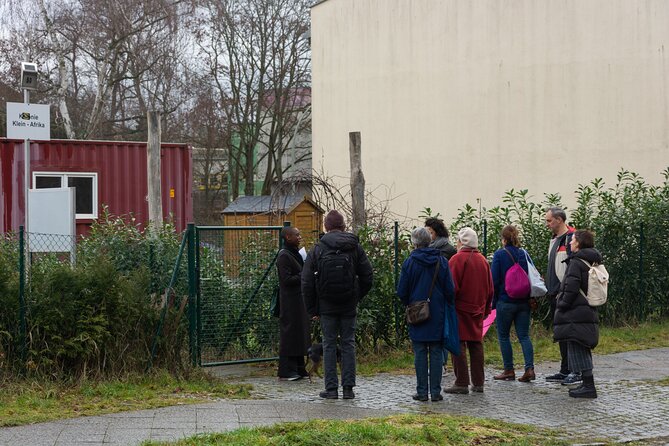
The final named stop is Kongostraße, and it pulls you into Berlin’s global role in the colonial scramble. The guiding questions are:
- What happened in Berlin in 1884?
- What is the Congo Conference, and why wasn’t anyone from Africa present?
- How did the map of Africa change after the conference?
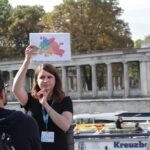
The tour uses a visual tool: you’ll see a map of Africa before and after the Berlin conference. That kind of comparison helps your brain do the key work—seeing how political decisions made far away, at tables with power, translated into lines on maps and control on the ground.
This is also where the name of the street becomes more than a label. Kongostraße is a shortcut to a specific historical moment tied to decision-making, territorial claims, and the framing of Africa by European powers.
If you want one reason to book this tour, it’s this: it links street-level Berlin to a world-changing political event, then shows the cause-and-effect through map contrast.
What I think makes Dekoloniale Stadtführung worth your time
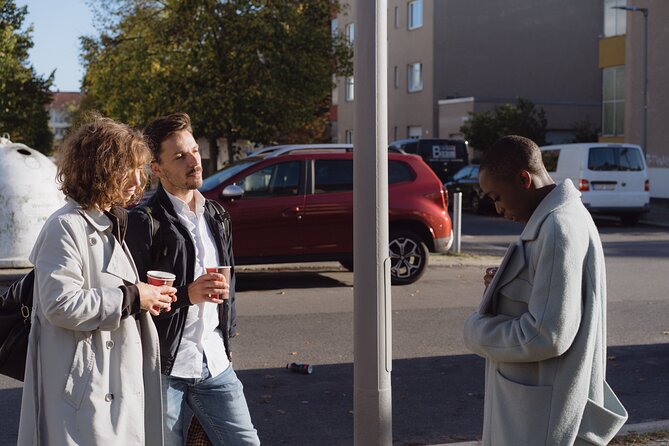
The provider behind the experience is Dekoloniale Stadtführung, and the tour style fits what you’re getting: a narrative walk that treats colonial-era commemorations as something you can interpret on foot.
A small group (up to 20) matters here. With this topic, you want a guide who can explain without turning it into a school lecture. The best sign you’ll notice is clarity at each stop—short, pointed questions, then a satisfying explanation so the next street name makes sense.
Also, the tour’s concept is refreshing: it’s about German-African history that’s rarely discussed, but it’s presented through a physical neighborhood you can revisit later. You’ll likely leave with street names you can still remember, because you met their meaning at the exact locations.
Who should book this tour
This experience is a great match if you:
- want history tied to everyday places, not just indoor exhibits
- like walking tours with a clear storyline and specific stopping points
- are interested in how colonial power shaped public memory in Germany
- enjoy discussion topics around naming and commemoration
It’s less ideal if you:
- hate walking in general or can’t do weather-dependent outdoor time
- prefer lighter, purely sightseeing tours with minimal historical controversy
Quick practical checklist before you go
- Wear comfortable walking shoes.
- Bring a light layer, since weather in Berlin can shift fast.
- Plan your day so you’re not rushing right after. Two hours plus walking to and from transit helps you keep the context fresh.
- If you’re photography-minded, look for street name signage at each stop.
Should you book this African Quarter historical walk?
I’d book it if you want Berlin beyond the usual postcard routes. For a short, focused two-hour walk, it offers something rare: a neighborhood that acts like a map of colonial memory, plus clear context around naming and major events tied to Berlin in 1884.
The value is in how the tour builds connections: Swakopmunder Straße to Namibia, Anna-Mungunda-Allee and the Petersallee naming debate, Manga-Bell-Platz and Gustav Nachtigal, then Kongostraße and the Congo Conference with before-and-after map context.
Book it if you’re curious, open-minded, and okay with difficult historical topics. Skip it if you want a relaxed “see the sights” stroll with no debate. Either way, this one is memorable because you don’t just learn street names. You understand why they’re there.
FAQ
How long is the African Quarter historical city tour?
It runs for about 2 hours on foot.
Where does the tour start and where does it end?
The tour starts at Swakopmunder Str. 44, 13351 Berlin and ends at Rehberge, 13349 Berlin.
What will I see during the walk?
You’ll focus on the African Quarter street-naming stories, including Swakopmunder Straße, Anna-Mungunda-Allee, Manga-Bell-Platz, and Kongostraße.
Is there an entrance fee for each stop?
At the listed stops, admission is marked as free.
What does the ticket cost?
The price is $33.57 per person.
How far in advance should I book?
On average, it’s booked about 21 days in advance.
What if the weather is bad?
The experience requires good weather. If it’s canceled due to poor weather, you’ll be offered a different date or a full refund.
Is there flexibility if I need to cancel?
Cancellation is free up to 24 hours in advance for a full refund. If you cancel less than 24 hours before the start time, the amount you paid is not refunded.