REVIEW · BERLIN
Berlin: Alternative Berlin Walking Tour
Book on GetYourGuide →Operated by Alternative Berlin Tours · Bookable on GetYourGuide
Berlin rewards the curious. This walking tour cuts through main sights and points you to the city’s stranger, more human side. It’s focused on how Berliners live: cafés, shops, canals, underground galleries, and the community projects that popped up for a reason.
I especially like the way the route balances art and everyday life. You’ll get street-level culture (graffiti, music, neighborhood stories) plus food mythology, including how Berliner currywurst, döner, and Prater beer-garden culture became part of Berlin’s identity.
One thing to consider: the walking pace can feel brisk. If you need frequent breaks or have mobility limits, you may find it a bit much for a 4-hour, all-weather route.
In This Review
- Key highlights worth your attention
- Starting at Vapiano near Alexanderplatz TV Tower
- Mitte’s café districts and local shopping streets
- A small drawback to expect
- Kreuzberg’s Turkish neighborhoods, African and Jewish community stories
- Food myth-busting: currywurst, döner, and Prater beer garden
- Underground galleries, canals, and community-funded urban farms
- Graffiti, street art, and the logic of Berlin’s subcultures
- A pace note from experience data
- Finishing in Friedrichshain and finding the music-scene thread
- Price and value: what $29 buys in a 4-hour format
- Practical logistics: transit ticket, weather, and what to bring
- Who should book this tour (and who may want another pace)
- Should you book Alternative Berlin Walking Tour?
- FAQ
- How long is the Berlin Alternative Walking Tour?
- Where do I meet the guide?
- What neighborhoods does the tour cover?
- Is the tour in English?
- What does the tour focus on?
- Will there be food-related stops?
- Do I need public transit tickets?
- What weather is the tour like?
- What are the cancellation and payment options?
Key highlights worth your attention
- Alternative Berlin, not souvenir Berlin: built around counterculture, community space, and real neighborhoods
- Mitte + Kreuzberg coverage: Prenzlauerberg/Mitte café streets, then Turkish and multi-cultural Kreuzberg
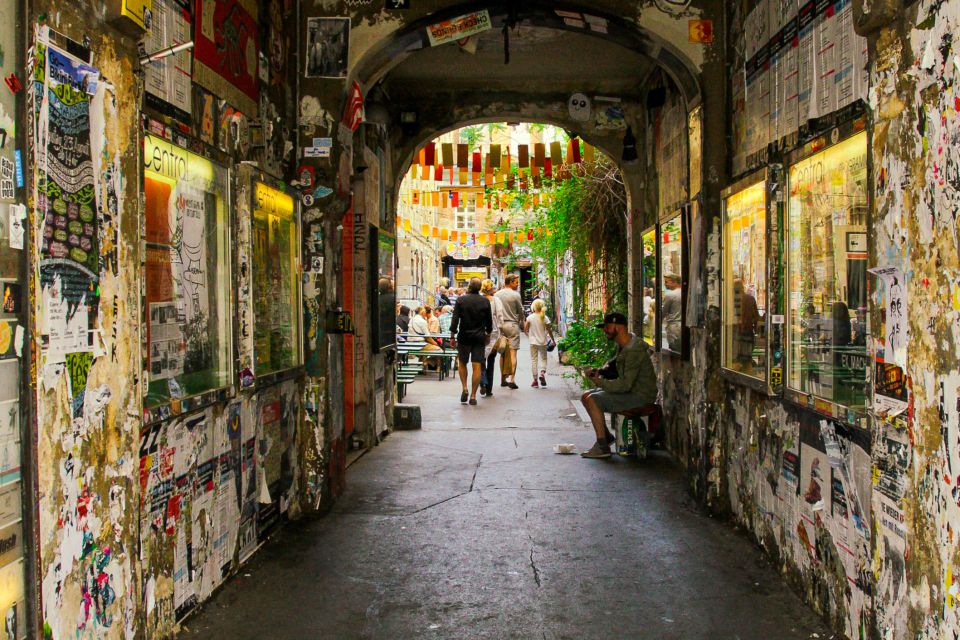
- Art that you can stand in front of: underground galleries, plus street art and graffiti up close
- Food origin stories that actually matter: currywurst, döner, and Prater beer garden background
- A tour guide who keeps moving: guides like Rhys, Antonio, and Jake are frequently praised for energy and humor
- Refreshment breaks are planned: photo-friendly moments plus stops where you can regroup
Starting at Vapiano near Alexanderplatz TV Tower
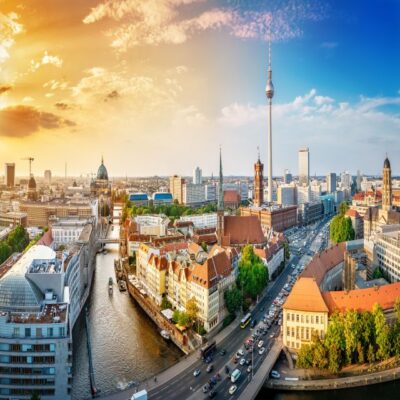
Your tour starts at Vapiano, right by the Alexanderplatz TV Tower. That’s a smart choice. It’s easy to find, and it puts you at a central “Berlin junction” where you can understand the city’s scale fast.
From the first stretch, the vibe is: less museum lecture, more local street-corner storytelling. You’ll be walking through parts of Berlin that still feel lived-in, not staged for visitors. In a city where history is everywhere, this tour tries to show you what happened after the big headlines—what Berliners built with what they had.
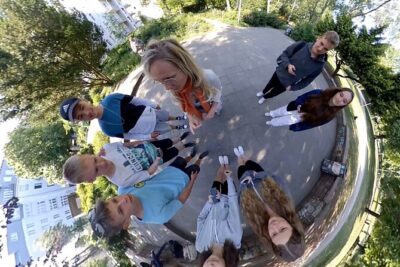
Also, you’re not just following a route. You’re being given a lens. Guides on this tour—people like Rhys, Antonio, Reece, and Jonathan show up often in past groups—tend to connect place to attitude, not place to a single date. That’s what makes it work even if you’ve been to Berlin before.
You can also read our reviews of more walking tours in Berlin


Mitte’s café districts and local shopping streets
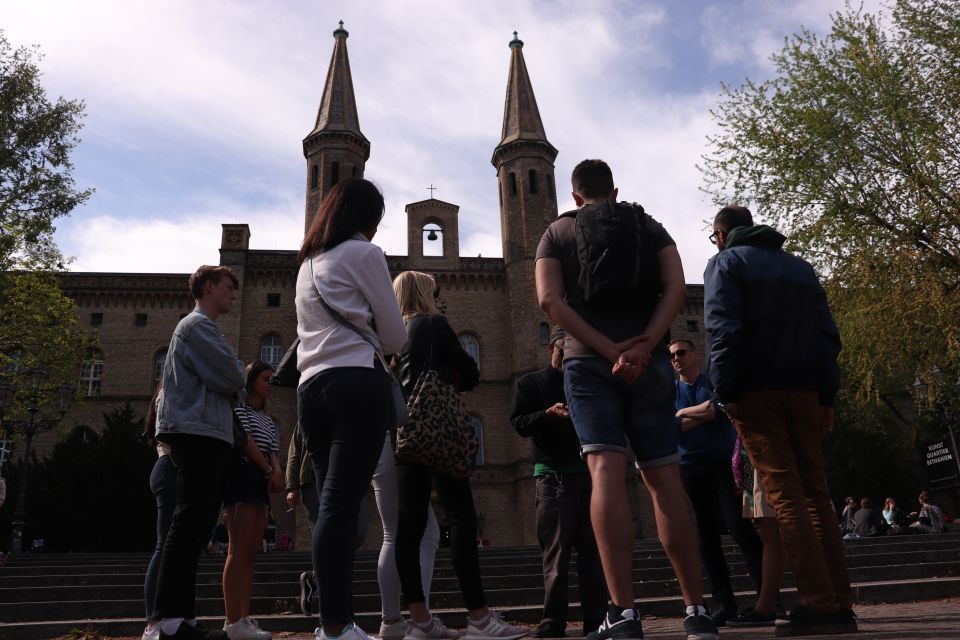
Mitte is your first major focus, and it’s where the “alternative” story doesn’t feel forced. You get the day-to-day Berlin side: café districts and local shopping areas, with the Prenzlauerberg/Mitte feel showing through.
This is a good early segment because it teaches you how Berlin’s creativity leaks into normal life. You’re not only seeing trendy spaces. You’re also learning the social logic behind them: why certain streets attract artists, students, and people who don’t want their city life to be boring.
The practical payoff for you: by the time you’re heading into Kreuzberg, you’ll have a better sense of what Berliners mean by “community.” You’ll also be able to spot details you might otherwise miss, like how a neighborhood’s identity shows up in storefronts, street art, and the way people use public space.
A small drawback to expect
Mitte can be a mix of walkable streets and busy intersections. If you’re sensitive to crowds, keep your expectations realistic, especially during peak daytime hours. The tour is designed for movement, not long sightseeing pauses.
Kreuzberg’s Turkish neighborhoods, African and Jewish community stories
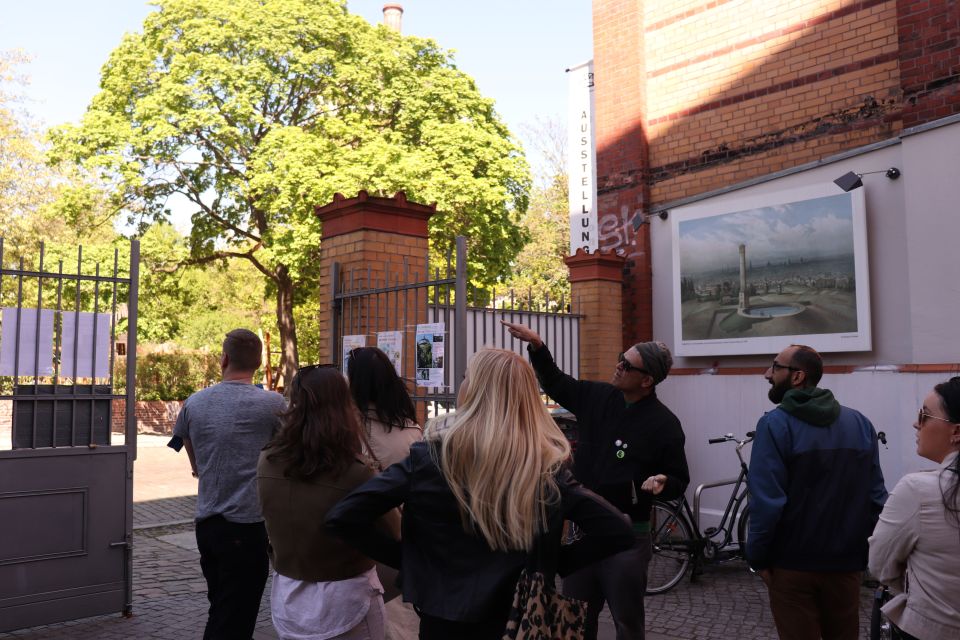
If Mitte gives you the “everyday Berlin,” Kreuzberg delivers the “Berlin says it out loud” energy. This part of the tour is built around a multi-cultural city reality: you’ll visit the Turkish neighborhoods in Kreuzberg, and you’ll also learn about Berlin’s African and former Jewish communities.
That mix matters. Berlin isn’t just a tale of reunification and walls. It’s also immigration, cultural blending, activism, and the social networks that keep people afloat—especially in places where political history left dents.
Kreuzberg is where you start getting the tour’s sharper edge: the stories of subcultures, counterculture movements, and the way neighborhoods develop their own rules. And because Berlin is Berlin, those rules often show up visually in murals, storefronts, and the music/club ecosystem around the streets.
Food myth-busting: currywurst, döner, and Prater beer garden
One of the most talked-about aspects of this tour is the food angle. You’ll learn the origins of Berliner currywurst, döner, and Prater Beer Garden culture.
You don’t need to be a foodie. Think of it like street-level folklore. Berlin’s foods aren’t just meals; they’re social history—who made them, who popularized them, and how they became the comfort-eating language of a divided then reunited city.
Also, the tour includes a food stop experience in the flow. Past groups have specifically mentioned eating currywurst during the run. The key for you: treat it as a “built-in snack moment,” not a fancy dinner. If you’re hungry, plan to use that break.


Underground galleries, canals, and community-funded urban farms
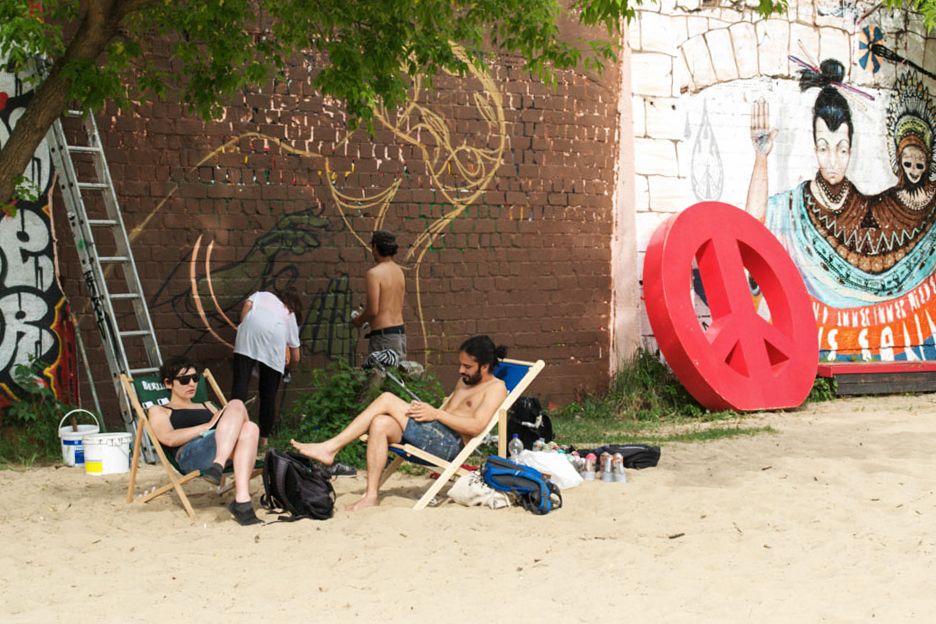
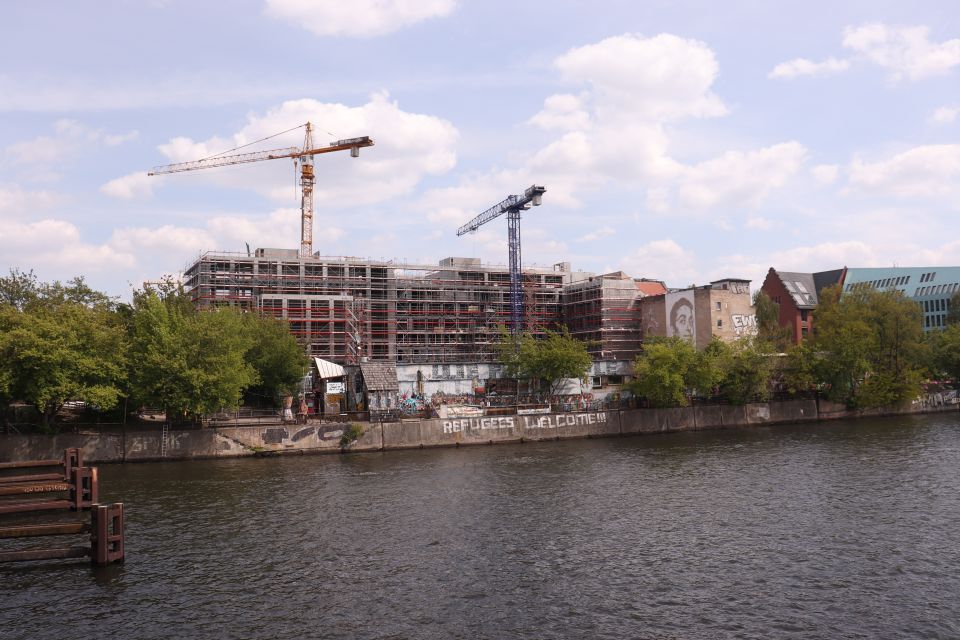
Some walking tours just point. This one tries to help you see. Along the way, you may pass by underground galleries and places where creativity happens outside traditional museum walls. You’ll also get pauses for the calmer stuff: relaxing canals and the feel of public space that isn’t just a backdrop.
One of the more meaningful stops in this style of tour is the community-funded urban farms. Berlin has a long habit of turning vacant or neglected spaces into useful ones. When you learn the backstory, those “odd little gardens” start to make sense. They’re not random. They’re people solving problems with patience, labor, and stubborn hope.
Practical tip: bring your camera mindset. The tour’s built around superb photo opportunities, and the refreshment breaks give you a rhythm. You’ll have time to shoot, regroup, and keep going without feeling rushed the whole time.
Graffiti, street art, and the logic of Berlin’s subcultures
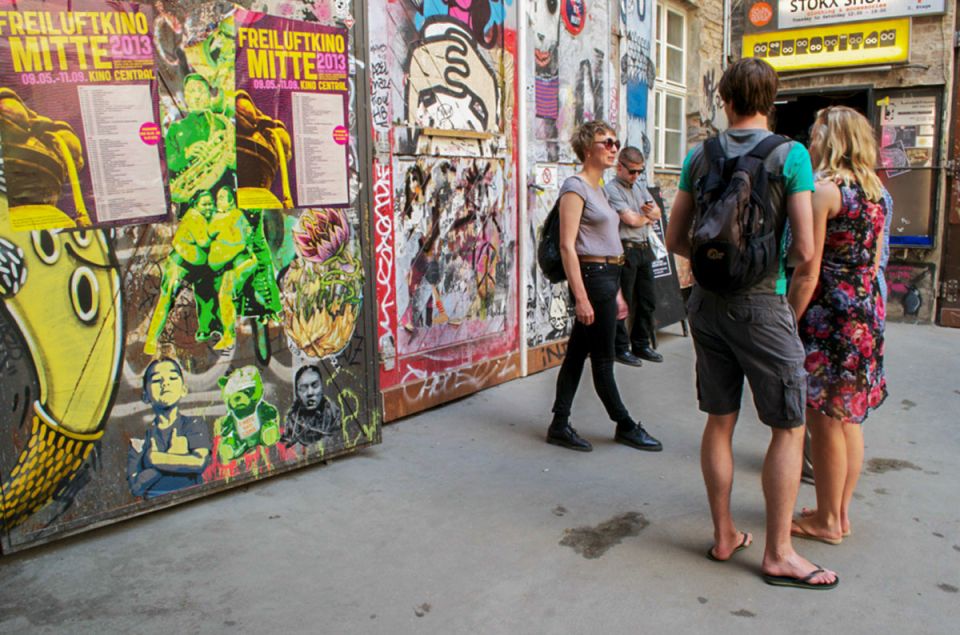
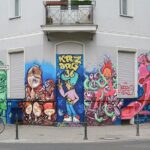
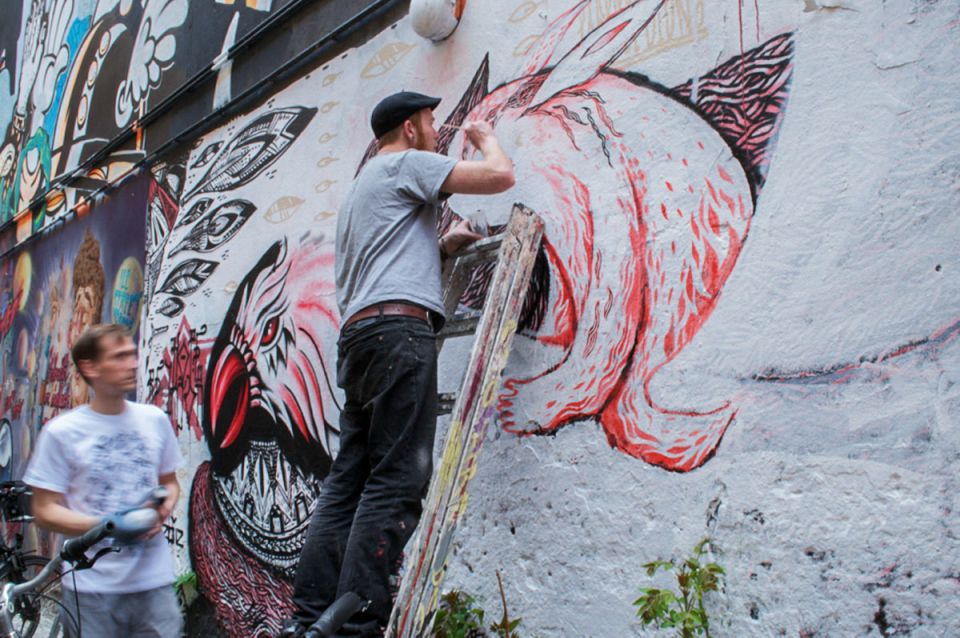
Berlin’s street art isn’t just decoration. It’s part of how the city documents change—sometimes legally, often not, always in conversation with the street.
This tour explicitly aims for that. You’ll see street art and graffiti up close, and you’ll learn the surrounding stories: who made it, why it appeared, and how subcultures used the city’s density and spare space to grow.
This is one of the big reasons people rate this so highly. Guides like Rhys and Reece are often credited with keeping it funny while still hitting the key points. You get a narrative you can remember, not a list of facts you forget five minutes later.
A pace note from experience data
The tour can be fast paced. That’s great for energy and coverage, but it means fewer “slow wander” moments. If you like to stop, stare, and take your time, consider that you might have to do some of that on your own after the tour ends.
Finishing in Friedrichshain and finding the music-scene thread
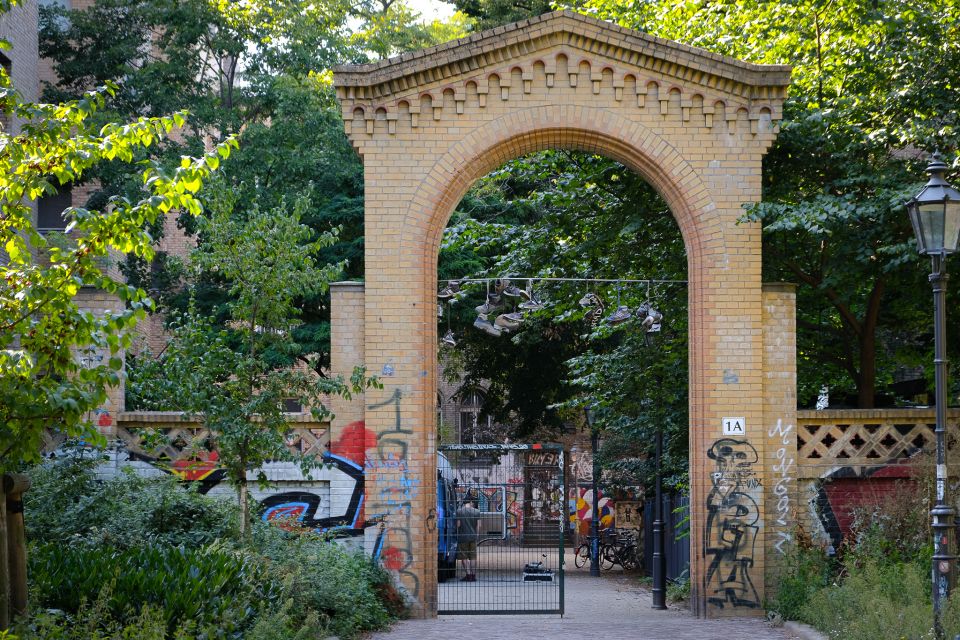
The tour ends in Friedrichshain. That matters because Friedrichshain is where Berlin can feel most current—more music, more youth energy, more nightlife history stitched into everyday streets.
You may also get a stop tied to the music scene at an African beach bar and market. That kind of setting helps the tour stay consistent with its theme: Berlin’s alternative identity isn’t only political posters and punk basements. It’s also food, music, gatherings, and new traditions forming in real time.
Think of Friedrichshain as your “you’re halfway there” finale. You finish with context and ideas, which makes it easier to choose what you want to follow up on afterward—whether that’s more street art, a neighborhood you want to revisit, or a cultural space you’d never find alone.
Price and value: what $29 buys in a 4-hour format
At $29 per person for about 4 hours, the value comes from more than just walking. You’re paying for:
- a guide who shapes the route around a theme (alternative Berlin, not just landmarks)
- photo opportunities and refreshment breaks that are built into the flow
- local tips you can use after you finish
The “math” is simple: in a city like Berlin, getting to the right neighborhoods and understanding what you’re seeing can take longer than you think. This tour compresses that learning into one focused morning/afternoon window.
One caution on spending: the tour data mentions refreshment breaks, but it doesn’t guarantee meals. If you want currywurst, beer garden-style moments, or snacks as part of the fun, assume you’ll likely buy something during the stop(s). That still often feels worth it because you’re buying with context, not impulse.
Practical logistics: transit ticket, weather, and what to bring
This tour runs in all weather and all year round. Berlin in winter can feel like a practical test of your layers. Wear good walking shoes and bring a rain layer even if the sky looks calm.
Transit-wise, an AB metro ticket is required depending on the current art/tour route. The tour also offers a BVG included option. If you want the simplest plan, choose the option that has the ticket handled for you. Otherwise, make sure you understand which ticket type you’re carrying before you start.
Bring a charged phone/camera, and keep your expectations clear: this is a walking experience with stories, food culture background, and street art viewing—not a sit-down museum tour.
Who should book this tour (and who may want another pace)
I’d put this tour high on your list if you:
- want alternative Berlin that goes beyond the standard WWII/Cold War framing
- love street art, graffiti, and neighborhood texture
- enjoy food history and the idea of “local myths” with real context
- want a guide who can keep a group moving without turning it into a lecture
You might want to skip or choose something else if you:
- have mobility limits or need a slower pace
- hate walking with frequent transitions between stops
- want a strictly landmark-focused itinerary with lots of sitting and viewing from one spot
If you’re flexible and curious, it’s a great use of a half-day. It also pairs well with a second day of your own exploring in Mitte, Kreuzberg, or Friedrichshain.
Should you book Alternative Berlin Walking Tour?
Yes—if your idea of a good Berlin day includes neighborhood stories and street-level culture, not just famous photo points. For about $29 and four hours, you’re getting a guided route built around the city’s alternative identity, with food origin context, multi-cultural district stops, and photo-friendly breaks.
My main “decision rule” is this: if you’re okay with a brisk walking pace and you want your Berlin to feel more like daily life than a checklist, book it. If you need slower pacing or lots of seating, look for a gentler alternative.
FAQ
How long is the Berlin Alternative Walking Tour?
It lasts 4 hours.
Where do I meet the guide?
Meet at the Alexanderplatz TV Tower, in front of Vapiano.
What neighborhoods does the tour cover?
You’ll spend time in Mitte and Kreuzberg, and the tour finishes in Friedrichshain.
Is the tour in English?
Yes, the live guide speaks English.
What does the tour focus on?
It’s designed to show Berlin’s alternative identity through neighborhood culture, street art, underground galleries, canals, urban farms, and multi-cultural community stories.
Will there be food-related stops?
You’ll learn the origins of Berliner currywurst, döner, and Prater Beer Garden, and there’s also a food-stop style break in the experience.
Do I need public transit tickets?
An AB metro ticket is required depending on the current route. There’s also an option where BVG is included.
What weather is the tour like?
Tours run in all weather and all year round.
What are the cancellation and payment options?
You can cancel up to 24 hours in advance for a full refund, and there’s a reserve now & pay later option to keep plans flexible.