REVIEW · BERLIN
Berlin: Alternative & Street Art Tour
Book on GetYourGuide →Operated by Alternative Berlin Tours · Bookable on GetYourGuide
Berlin’s wall art has real politics.
I love how this tour connects street art to everyday Berlin life, not just pretty murals. I also like the mix of music, punk-to-techno energy, and squat-and-gentrification stories that help you understand why so many artists call Berlin home. The one drawback to plan around is that it’s rain and shine, so you’ll want to dress for weather and not rely on perfect skies for photos.
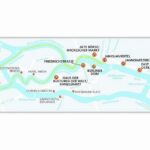
You’ll start right by the TV tower area, then walk through some of Berlin’s most talked-about alternative spaces. The route can include places like Haus Schwarzenberg, YAAM beach, Künstlerhaus Bethanien, the Treehouse on the wall, SO36, and RAW Gelände. Because the focus shifts depending on the guide’s interests, you might get a slightly different blend of graffiti history versus subculture stops than the person next to you.
Price-wise, at about $23 for a 3-hour guided walk, this is strong value if you like street-level Berlin and you’d rather spend time with a local story than just take photos. It’s also set up for all ages and is wheelchair accessible, which makes it an easier pick for mixed groups.
In This Review
- Key Things You’ll Appreciate on This Berlin Street Art Walk
- Start Under the TV Tower, Then Follow the Subculture Thread
- Friedrichshain and Mitte: Graffiti Skills, Not Just Sightseeing
- Kreuzberg Focus: Squatting, Revolution, and Gentrification in Plain Language
- Haus Schwarzenberg, SO36, and RAW Gelände: Big Alternative Energy
- YAAM Beach and the Treehouse on the Wall: Urban Escape That’s Still Berlin
- Künstlerhaus Bethanien: Where Street Art Meets the Bigger Art World
- What the 3-Hour Format Feels Like (and Why It Works)
- Price and Value: Is $23 Worth It?
- Who Should Book This Tour (and Who Might Skip It)
- Should You Book This Berlin Alternative & Street Art Tour?
- FAQ
- Where is the meeting point and where does the tour end?
- How long is the Berlin Alternative & Street Art Tour?
- Is the tour wheelchair accessible?
- What language is the tour guide?
- Does the tour run in rain?
- What’s included in the price, and what’s not?
Key Things You’ll Appreciate on This Berlin Street Art Walk
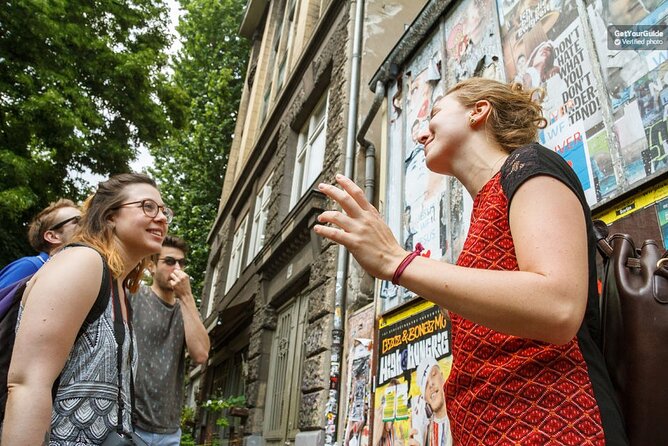
- A street-art focus with context, including an intro to street art and graffiti in Friedrichshain and Mitte
- Alternative Berlin culture, explained simply, with stories that run from punk and techno to politics
- Photo stops that feel different, from YAAM beach to the Treehouse on the wall
- Big-name alternative venues on the route, like SO36 and RAW Gelände
- A gentrification-and-squatting lens, with history covering revolution and squatting culture in Kreuzberg
- Guides who bring the subject alive, with named standouts like Damien and Antonio Castello praised for enthusiasm and making the tour feel personal
Start Under the TV Tower, Then Follow the Subculture Thread
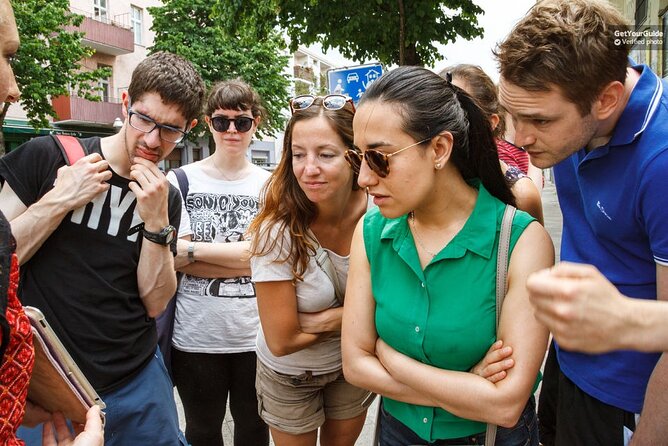
Meeting under the TV tower at Vapiano is a smart move. It’s easy to find, and you get your bearings before you step into the more alternative parts of the city. From there, the tour is designed as a guided walk that builds a story as you go, not just a checklist of famous walls.
This matters because Berlin’s street art doesn’t exist in a vacuum. You’re learning how graffiti, punk culture, and nightlife spaces connect to the city’s attitudes toward art, space, and change. If you only treat it as decoration, you’ll miss why Berliners keep returning to these scenes.
The tour ends back at the meeting point, which is convenient. You don’t need a separate plan for getting home or figuring out transit after a three-hour walking stretch.
You can also read our reviews of more tours and experiences in Berlin


Friedrichshain and Mitte: Graffiti Skills, Not Just Sightseeing
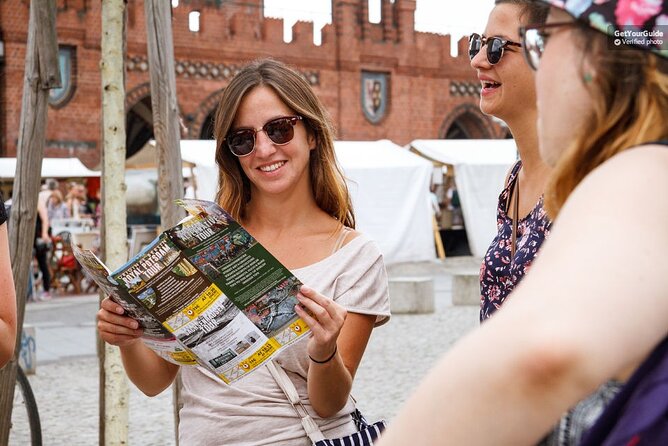
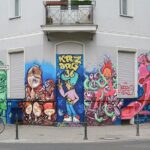
One of the tour’s core strengths is the way it introduces street art and graffiti without making you feel like you need a degree in art history. The focus can land in Friedrichshain and Mitte, where you’ll get an overview that helps you read what you’re seeing: style, location choices, and the cultural mood behind it.
In practical terms, this is what changes your experience. After a good street-art explanation, you start noticing things you would otherwise skip—why certain walls get targeted, how scenes develop, and how Berlin’s creative communities shape the public look of the city. Even if you’re not an art nerd, the tour’s tone makes the topic feel grounded in real people.
And because the tour is built around subcultures, you’ll also get the link between visuals and sound. Punk rock, techno, and political themes aren’t random tour fluff; they’re part of the same alternative identity you’re walking through.
Kreuzberg Focus: Squatting, Revolution, and Gentrification in Plain Language
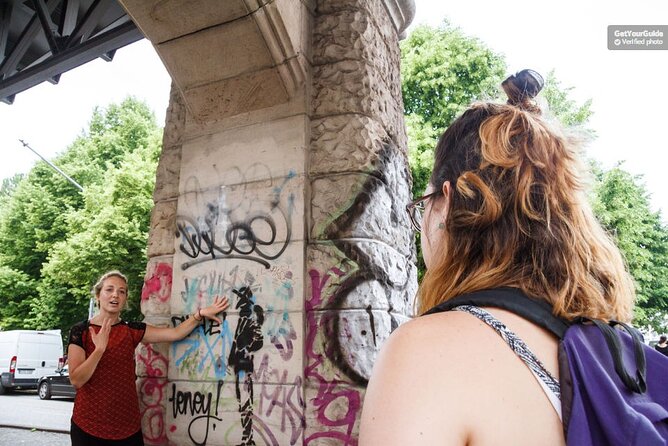
The tour can shift its emphasis toward Kreuzberg, where it covers the history of squatting, revolution, and gentrification. That theme is one of the main reasons Berlin’s street scene feels more intense than in many other cities. It’s not just art on a wall; it’s also a record of who lived where, who claimed space, and how those spaces changed over time.
You’ll hear the story laid bare through the guide’s perspective, and the changing focus is intentional. Some guides may spend more time connecting murals and graffiti to the politics of space. Others may lean harder into how alternative nightlife and communities keep shaping what gets painted, built, or protected.
Either way, the key benefit for you is understanding the why behind the walls. Berlin feels special to many people because it’s a city where art, dissent, and experimentation have long had room to breathe. Walking with a local guide helps you see that pattern instead of just collecting images.
Haus Schwarzenberg, SO36, and RAW Gelände: Big Alternative Energy
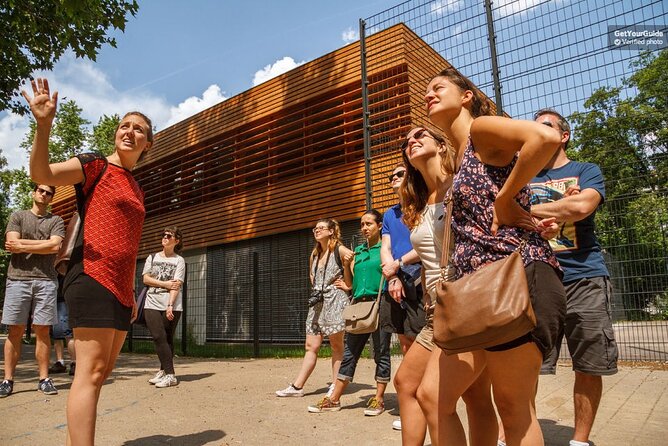
You visit several major alternative venues during the walk, including SO36 and RAW Gelände, plus a stop at Haus Schwarzenberg. These places matter because they’re not just backdrops for photos—they’re part of the lived scene that street art often grows alongside.
Even if your comfort zone is more casual than underground club culture, the tour keeps the tone accessible. The idea is to show you how Berliners use the city: where they meet, where they gather, and how art and nightlife overlap. If you’ve ever wondered why people treat Berlin like a creative experiment, this is where that question starts to make sense.
RAW Gelände, in particular, is the kind of location that makes you look longer than you planned. When you’re standing in spaces built for alternative culture, street art stops feeling like decoration and starts feeling like communication.
SO36 also fits the story line: it’s one of those famous names that you’ll feel immediately is part of the city’s soundtrack. With a guide explaining the subculture connections, you get a clearer sense of how music scenes and visual scenes feed each other.
YAAM Beach and the Treehouse on the Wall: Urban Escape That’s Still Berlin
Two stops I’d treat as your brain’s reset button are YAAM beach and the Treehouse on the wall. Berlin has a way of mixing the serious and the playful, and these stops help you see that side in person.
YAAM beach gives you a sense of the city’s quirky ability to turn unexpected areas into social spaces. It’s the kind of stop that’s hard to understand from photos alone. Being there in the middle of your walking tour also makes the experience feel balanced—you’re not only learning heavy topics.
Then you get the Treehouse on the wall, which is exactly what it sounds like: a photo stop that looks like it belongs in another world but sits right where you’re standing. If you like getting pictures that don’t look generic, this is one of the best moments on the route. It’s also a good reminder that street art in Berlin often includes architecture, design, and a sense of humor—not only paint.

Künstlerhaus Bethanien: Where Street Art Meets the Bigger Art World
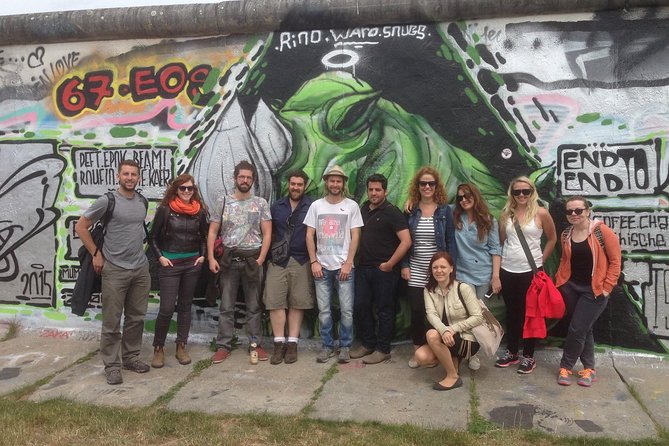
Another major stop is Künstlerhaus Bethanien. This is the kind of location that helps you connect street-level art to the broader creative ecosystem. In a city like Berlin, the boundary between underground and mainstream can be thinner than you expect, and that’s part of what keeps the whole scene moving.
You’ll benefit most from this stop if you’ve already started collecting context from earlier parts of the tour—like the graffiti and graffiti-adjacent stories in Friedrichshain/Mitte or the political framing tied to Kreuzberg. Then Bethanien becomes more than a stop; it becomes a bridge that helps you understand how ideas travel.
This is also a good moment to slow down and look closely. The tour is built for viewing, not rushing, and Bethanien gives you a visual shift from street surfaces to art-space energy.
What the 3-Hour Format Feels Like (and Why It Works)
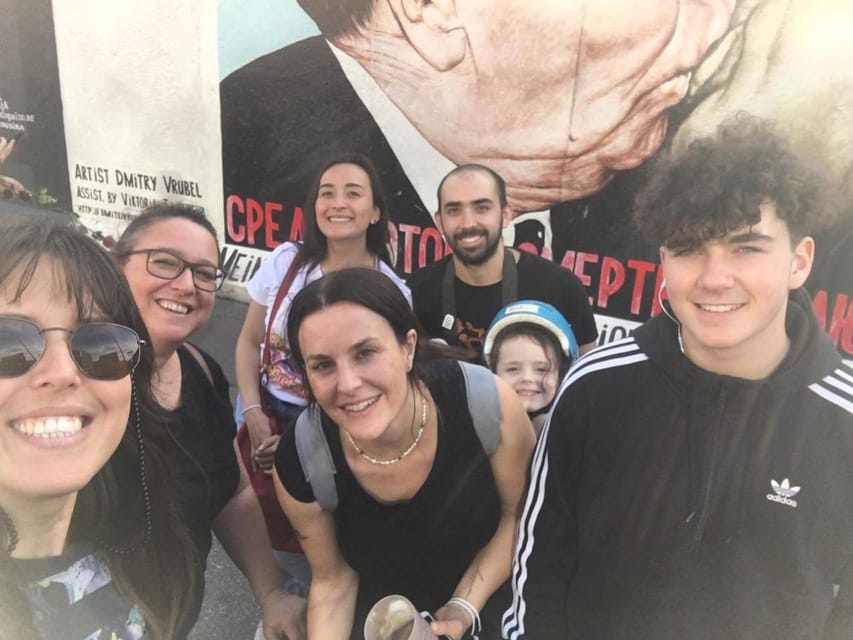
A three-hour walking tour is long enough to get context, but short enough that you don’t lose focus. That timing is especially helpful for street art, because the experience improves as your eyes adjust. Early on, you’re orienting yourself. Later, you’re reading what you see with more confidence.
The route also avoids dead time. Instead of spending hours only on landmarks, you move between meaningful locations tied to alternative culture. The stops listed—Haus Schwarzenberg, YAAM beach, Künstlerhaus Bethanien, the Treehouse on the wall, SO36, and RAW Gelände—are a mix of art spaces, social spaces, and subculture landmarks, which keeps the story moving.
If you’re traveling with kids or you’re managing an all-ages group, it helps that the tour is designed for all ages. The walk length is manageable, and the topic is broad enough that different people can enjoy it—photos for some, stories for others.
Price and Value: Is $23 Worth It?
At $23 per person for a 3-hour English-guided walk, this is a value play if you want two things at once: visual inspiration and local meaning.
Here’s the practical way to judge it. You’re paying for an English-speaking guide who can translate the city’s alternative signals—graffiti language, political context, and subculture stories—into something you can actually use while you’re exploring. If your plan is to stand and take pictures only, you could do it on your own. But the real benefit is when someone helps you connect what you’re seeing to why Berliners built these communities in the first place.
Also, the guide-led nature matters. Street art can be confusing if you don’t know what to pay attention to. A good explanation turns a random wall into a lesson.
What’s not included is also straightforward: no pickup or drop-off, no food or drinks, no gratuities, and no transportation ticket. So you’ll want to plan a simple snack strategy and get yourself to the meeting point. Since it runs rain and shine, bring something to stay comfortable.
Who Should Book This Tour (and Who Might Skip It)
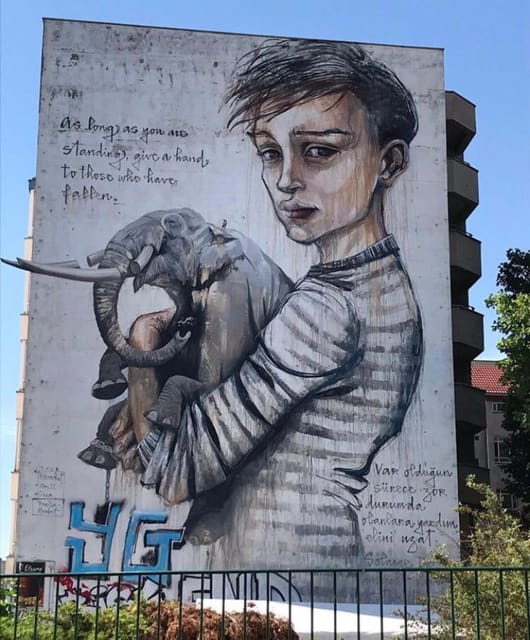
I’d tell you to book this tour if you care about street art but want more than a photo walk. It’s ideal if you like punk-to-techno culture, enjoy learning how cities change, or you’re simply curious why Berlin has attracted so many artists.
It also suits group types that don’t all want the same thing. One person can focus on murals and graffiti visuals. Another can focus on the political and squatting history angle. Both can enjoy the photo stops like YAAM beach and the Treehouse on the wall.
You might consider skipping if your goal is classic sightseeing only, like museums and monuments. This tour is built for Berlin’s edges and undercurrent stories, not for traditional tourist routes.
Should You Book This Berlin Alternative & Street Art Tour?
If you’re even a little interested in how Berlin thinks and builds community, I’d say yes. For $23, you get an English-speaking guide, a 3-hour walking route, and multiple high-impact stops that include street art, music-and-subculture sites, and spaces tied to artists and alternative culture.
Book it especially if you want a guided explanation of why the city’s street scene exists—how graffiti, punk, techno, squatting, and gentrification connect in real life. And go prepared for rain, comfortable shoes, and the fact that some of your best moments will be the ones designed for looking closely, not just passing by.
FAQ
Where is the meeting point and where does the tour end?
The tour meets right underneath the TV tower in front of the Vapiano restaurant. It ends back at the same meeting point.
How long is the Berlin Alternative & Street Art Tour?
The duration is 3 hours. Starting times depend on availability.
Is the tour wheelchair accessible?
Yes, it is listed as wheelchair accessible.
What language is the tour guide?
The tour guide speaks English.
Does the tour run in rain?
Yes, it takes place rain and shine.
What’s included in the price, and what’s not?
Included is an English-speaking tour guide. Not included are pickup and drop-off, food and drinks, gratuities, and a transportation ticket.