REVIEW · BERLIN
Berlin: Third Reich & Cold War Walking Tour
Book on GetYourGuide →Operated by Guydeez Tours · Bookable on GetYourGuide
Berlin has a way of making history feel close.
This private walking tour threads together Third Reich landmarks and Cold War turning points in just 2 hours, starting at Unter den Linden and ending at Checkpoint Charlie.
What I like most is how the experience is built around your guide’s real local familiarity, plus the way it hits the major “you should see this” sites without turning into a boring recital. You’ll also get plenty of room to ask questions and get recommendations for what to do next in the city.
One possible drawback: the subject matter is heavy, and with multiple major stops packed into a short time, you’ll have less chance for slow museum-style wandering.
In This Review
- Key highlights worth planning for
- Why this tour works: Nazi sites + Cold War landmarks, tied together
- Starting on Unter den Linden by the Hotel Adlon
- Brandenburg Gate: unity as a symbol, then and now
- The Reichstag and the Nazi dictatorship: where politics turns dangerous
- The Memorial to the Murdered Jews of Europe: slow down on purpose
- Hitler’s bunker site: learning the final days without sensationalism
- Topography of Terror: the Gestapo and SS headquarters ground reality
- Berlin Wall stories: escapes, standoffs, and how the city split
- Ending at Checkpoint Charlie: 1961 tension to 1989 change
- Private and customizable: what you gain in a 2-hour format
- Price and value: is $35 per person fair for this lineup?
- What to expect day-of: pace, transport, and tickets
- Who this tour is best for (and who should consider alternatives)
- Tips to get more from your guide and your day
- Should you book this Berlin Third Reich and Cold War walking tour?
- FAQ
- Where does the tour start?
- Where does the tour end?
- How long is the tour?
- How much does it cost?
- Is this tour private?
- What language is the guide available in?
- What sites are included?
- Is public transport included?
- What’s included in the price?
- What is not included?
- Is it wheelchair accessible?
- What’s the cancellation policy?
Key highlights worth planning for
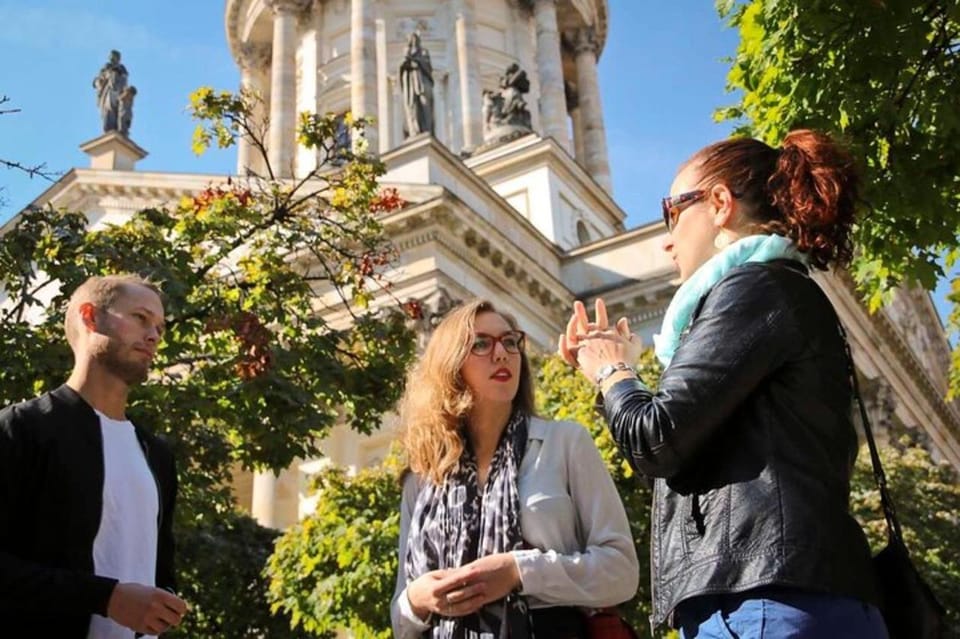
- Private, exclusive group so you can go at a pace that makes sense for you
- Customizable route so your guide can emphasize what you care about most
- Hotel Adlon meeting point makes it easy to start near the action
- Major Nazi-and-Cold-War sites in one sweep without switching tours
- Topography of Terror and the Holocaust Memorial bring context you won’t get from photos alone
- Checkpoint Charlie wrap-up connects the superpower standoff to what changed in 1989
Why this tour works: Nazi sites + Cold War landmarks, tied together
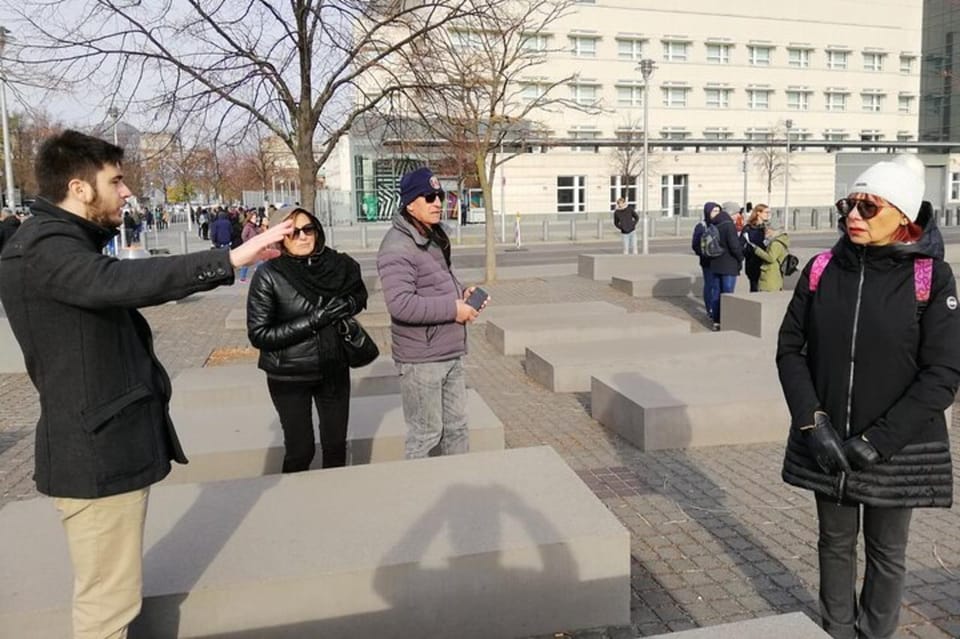
Berlin can be overwhelming. You see a monument here, a plaque there, and suddenly you’re not sure what connects what. This tour is useful because it builds those connections for you, step by step, on foot.
It also stays practical. You’re not just being told dates. You’re being guided through what the places meant—Brandenburg Gate as a symbol of unity, Parliament under the Nazi dictatorship, the Holocaust memorial as a reminder of victims, and then the Wall era from construction to escape attempts and the later fall in 1989. That chain of ideas helps you understand the city as one long story, not separate “sights.”
The private format is a big deal for value too. You can ask your questions in real time, and you’re not stuck waiting for a whole group to catch up. In the reviews, guides like Eugen (French-language guide) and Carlo (Italian-language guide) are praised for being clear, friendly, and for answering questions, with Carlo specifically noted for suggesting Berlin neighborhoods and places to eat for more local experiences. That kind of advice matters because it makes your Berlin time feel planned, not random.
You can also read our reviews of more walking tours in Berlin


Starting on Unter den Linden by the Hotel Adlon
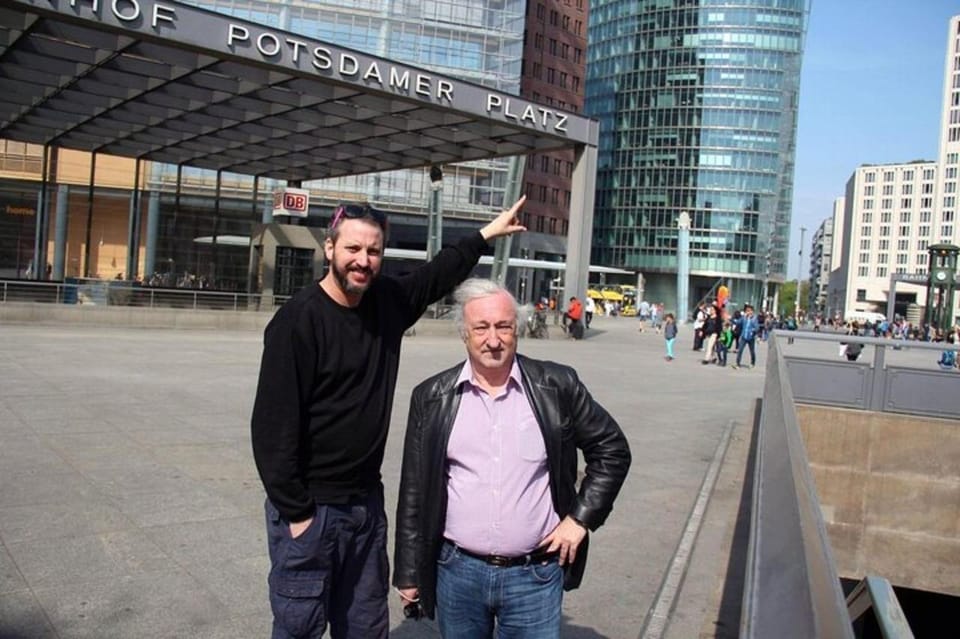
You begin at Unter den Linden 77, meeting your guide in front of Wellendorff Berlin at the Hotel Adlon. This matters more than it sounds. The street is a central spine of Berlin, so it’s a convenient launchpad for people staying in the Mitte area.
Early on, your guide will help you set the mental map. You’ll learn what you’re seeing today, but also what Berlin looked like in earlier eras—Nazi-era power, wartime collapse, and then the Cold War split that turned ordinary neighborhoods into borders.
This first segment is also where you can steer the tone. If you want more about political history, ask. If you want more about everyday life under dictatorship or division, ask that too. The tour is built to be customizable, and this is the moment to make your priorities clear.
Brandenburg Gate: unity as a symbol, then and now
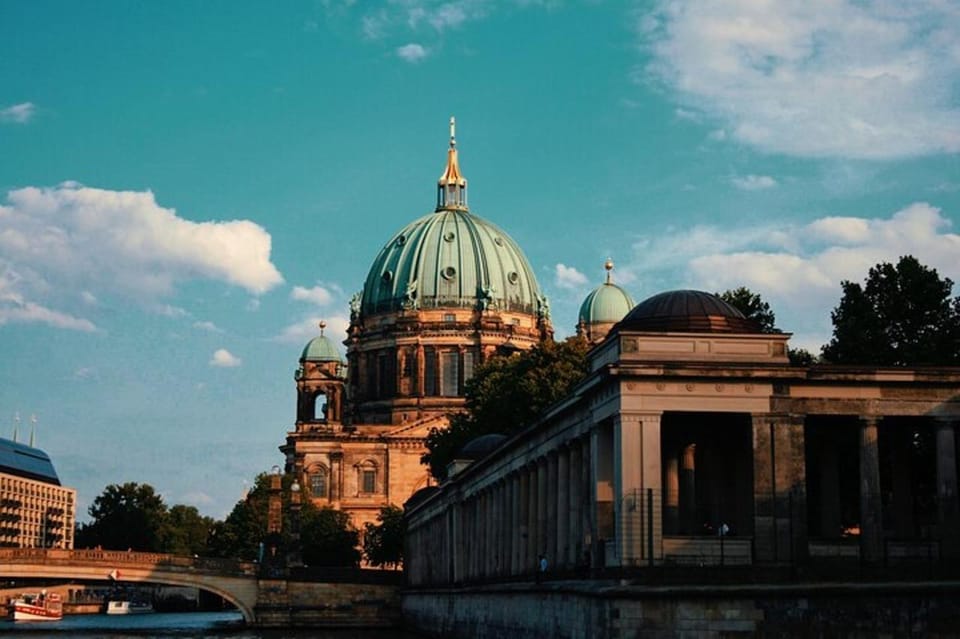
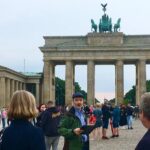
You’ll head to the Brandenburg Gate, one of the most recognizable landmarks in Germany. Your guide will focus on what it represents—German unity—and how that meaning evolved during the 20th century.
What I find helpful here is the way the Gate can be discussed without becoming vague. It’s easy to admire the architecture and move on. Here, you’re given the historical framing so the Gate stops being just a postcard and becomes a checkpoint in the larger story of the country.
As a practical note, this stop is also a good “tempo setter.” It’s early enough that you can still adjust your pace for the rest of the tour. And if you’re arriving from another part of Berlin, it’s a landmark that makes your directions feel simpler afterward.
The Reichstag and the Nazi dictatorship: where politics turns dangerous
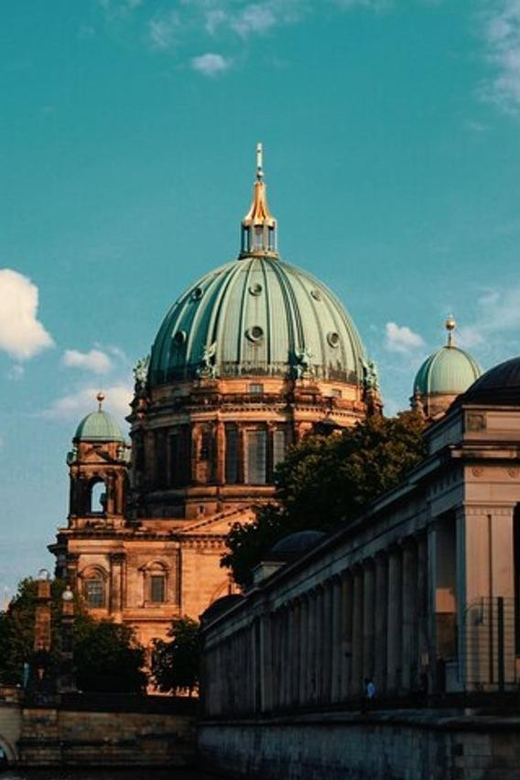
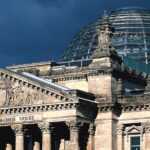
Next comes the Reichstag, the German house of Parliament. You’ll hear about its role during the Nazi dictatorship, which helps you understand how institutions can be used, twisted, or controlled when power shifts.
This stop is valuable because it connects ideology to physical space. When you learn that the Parliament building wasn’t just a backdrop but part of what happened in that era, it changes how you see it. You stop treating it like a generic government building and start recognizing the political reality behind it.
A small consideration: this is one of the most intense parts of the tour conceptually. If you’re sensitive to political violence and propaganda themes, you might want to tell your guide in advance so they can match your pace and focus.
The Memorial to the Murdered Jews of Europe: slow down on purpose
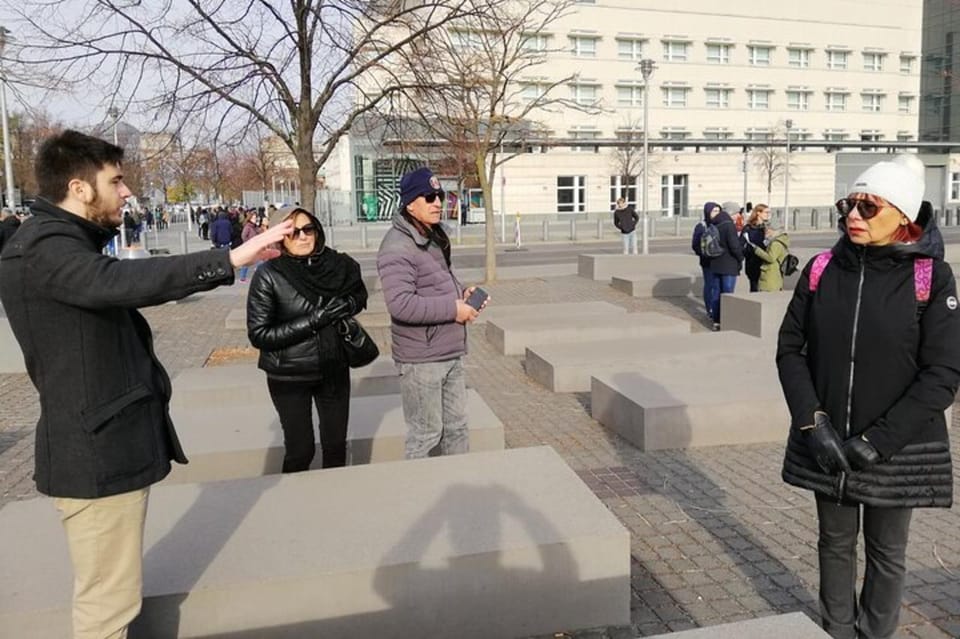
Then you’ll visit the Memorial to the Murdered Jews of Europe, a powerful tribute to Jewish victims of the Holocaust. This is not the kind of stop you can treat like a quick photo stop, and your guide’s role is important here.
What makes this memorial stop work in a guided format is context and tone. Your guide helps you understand what you’re looking at and why it matters, so you can engage with it in a more grounded way rather than just scanning for the “best angle.”
Because this is a solemn site, it’s also a good moment to pause and ask questions if you have them. If you’re unsure about the scale, the meaning of the design, or how it fits into the broader history of Berlin, this is where your guide can help.




Hitler’s bunker site: learning the final days without sensationalism
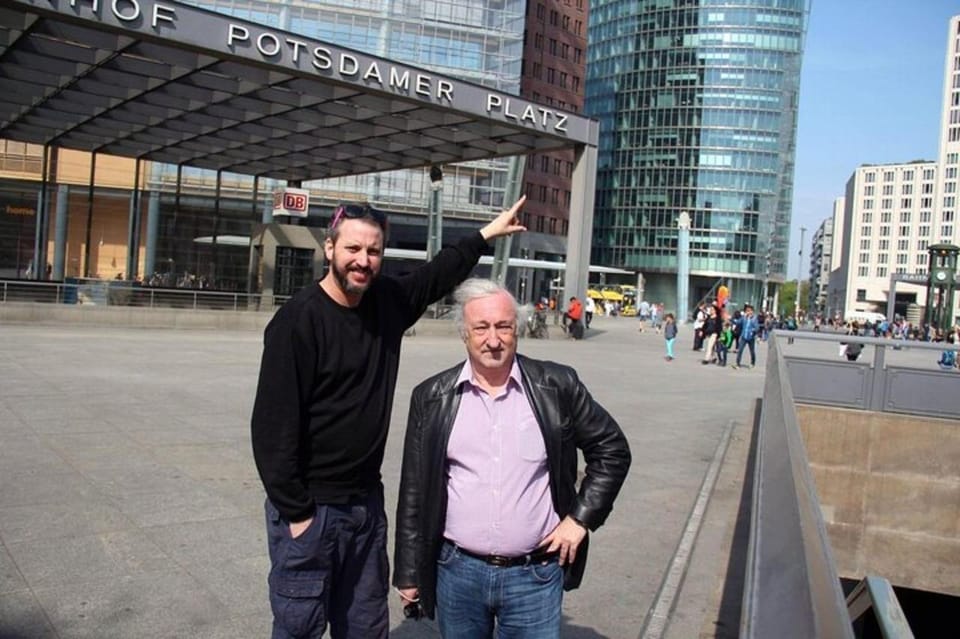
After that, you’ll go to the site connected to Hitler’s Bunker. You’ll learn about the last days of World War II and Hitler’s suicide.
This stop is a hard pivot. The tour has been building the historical case so far, but this part makes it feel immediate: collapse, panic, and the endgame of a regime that caused catastrophic harm.
The value here is framing. If you only hear a summary from a book, it can turn into a blur of facts. With a guided walk, you get the sense of sequence—how events in Berlin tied into the broader war ending.
If you prefer a bit more emotional distance, you can also ask your guide to focus on the historical timeline and Berlin’s situation, rather than graphic detail. The tour is private, so that kind of adjustment is possible.
Topography of Terror: the Gestapo and SS headquarters ground reality
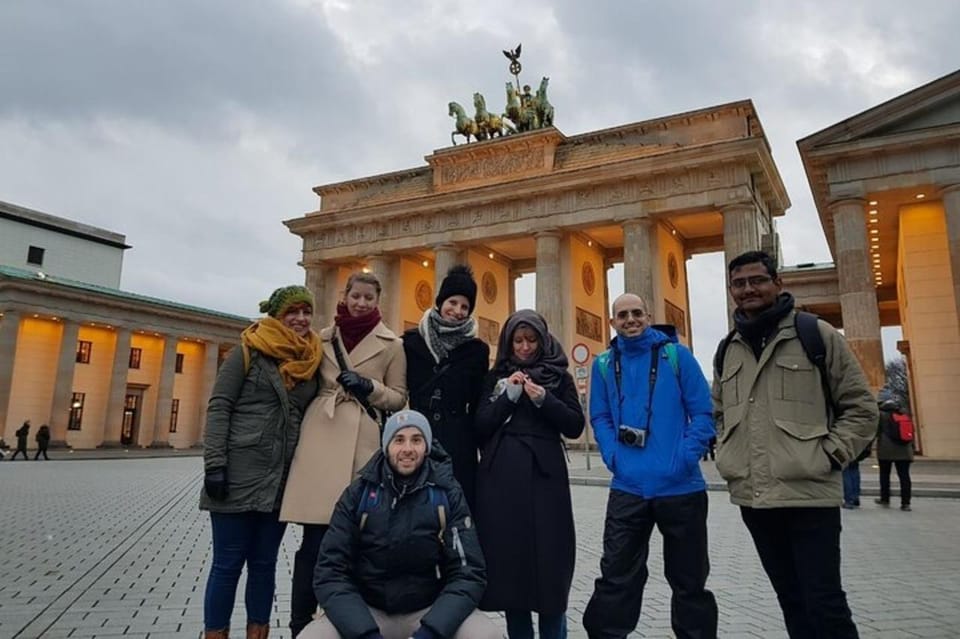
Next is the Topography of Terror exhibition, located on the former Gestapo and SS headquarters site. You’ll learn about the crimes committed during World War II.
This stop is where Berlin’s history stops being abstract. It’s one thing to read about repression. It’s another to be on the ground connected to the organizations involved. With a guide, you don’t just look at displays—you get help understanding what they represent and why the location itself matters.
One practical angle: exhibitions can be time-consuming, even on a guided route. Since the full tour is only 2 hours, your guide may prioritize key sections and use the space efficiently. That’s great for getting the big picture, but it also means you might not see every corner as deeply as you would on a dedicated museum day.
Still, that’s not a bad thing. For many people, this tour is the best kind of primer before you spend additional time on whichever topics pulled you in most.
Berlin Wall stories: escapes, standoffs, and how the city split

Now you’ll start moving toward the Cold War narrative. You’ll hear about the Berlin Wall, including its construction in 1961 and daring escapes over the Wall.
This part is gripping because the tour connects the political decision to human consequences. Instead of treating the Wall as a physical barrier only, you also learn it as a lived reality: separation, fear, and risk for anyone trying to cross.
What I like is the way your guide doesn’t leave it at tragedy. You also hear about how Berlin came to terms with its past, and the story is clearly aimed at helping you understand the city after the fact—not just during the conflict.
Ending at Checkpoint Charlie: 1961 tension to 1989 change
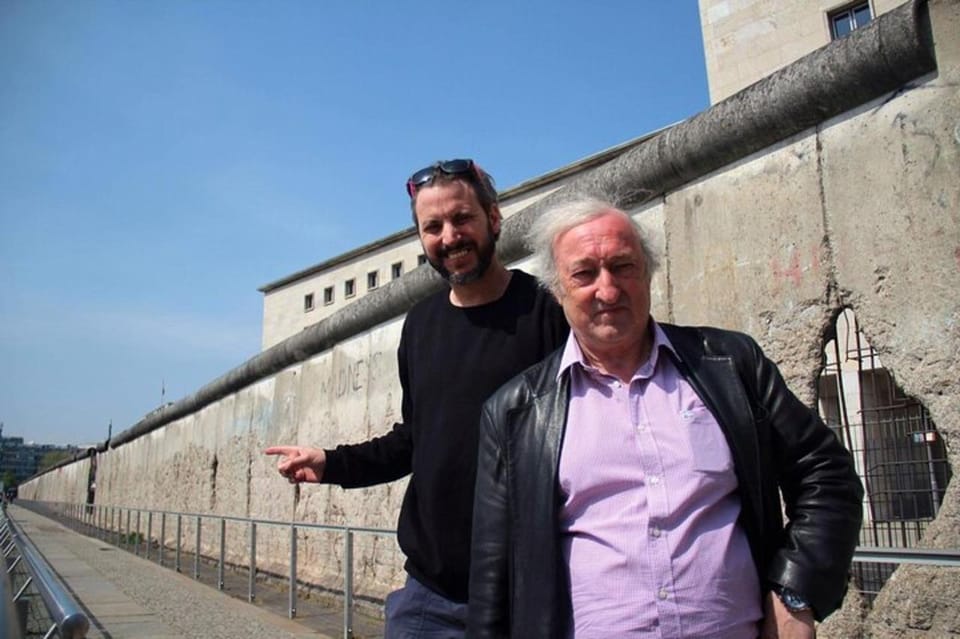
Your tour ends at Checkpoint Charlie, the most famous checkpoint of the Berlin Wall. You’ll learn about the standoff between Soviet and American forces in 1961, and how the fall of the Berlin Wall in 1989 changed everything.
This ending is smart. It’s the moment where the tour’s two halves—Third Reich and Cold War—snap into a single understanding of modern Germany. The contrast is stark: authoritarian control and wartime collapse on one side; then division, superpower pressure, and eventual reunification on the other.
Checkpoint Charlie is also useful for your next steps. After the tour, you’re in a high-visibility area, which makes it easier to continue your day with confidence. Your guide’s advice often extends beyond history—where to go next, what neighborhoods to walk, and where it’s worth eating—so the ending feels like a handoff, not a dead end.
Private and customizable: what you gain in a 2-hour format
This is a private walking tour, meaning you won’t be mixed into a larger group. That changes the experience fast. You can ask follow-up questions without feeling rushed, and your guide can slow down where you need clarity.
Because the tour is also described as customizable, you’re not stuck with one rigid script. If Brandenburg Gate and unity symbolism interests you more, your guide can place emphasis there. If you’re more drawn to the Holocaust memorial or Topography of Terror, you can spend more of your energy on those stops (within the overall time frame).
In the reviews, guide style is a major theme. Eugen is highlighted as didactic and friendly in French, and Carlo is praised as kind and local—someone who lives in Berlin and can recommend other neighborhoods and places to eat for local experiences. Even if you don’t know the guide’s name ahead of time, the common thread is that you’re getting more than storytelling. You’re getting guidance for how to understand and enjoy Berlin.
Price and value: is $35 per person fair for this lineup?
At $35 per person for a 2-hour private tour, the value comes from the combination: major historical sites, a live guide in English/French/Spanish, and the fact that it’s not shared with strangers.
You’re basically paying for:
- a guided route that links the big sites into one coherent story
- on-the-ground interpretation (not just a list of stops)
- customization based on what you care about
- extra local advice for what to do after the tour
One cost reality check: you’ll want to budget for food and drinks since they aren’t included. Also, some visits may require tickets, but your team helps you book tickets for the desired visits.
So is it worth it? If you like history but don’t want to spend your whole day piecing it together yourself, yes. If you’re the type who wants a long, independent museum crawl, you may prefer adding museum time on your own day.
What to expect day-of: pace, transport, and tickets
This tour is built around walking, with public transport included unless you choose an option that changes that. Since Berlin distances can add up, transport can help you keep the tour focused on interpretation rather than commuting fatigue.
Also, expect that some stops may involve ticketed entry. The tour provides help from the team to book tickets for the visits you want included, which saves you effort.
The most important day-of tip is mindset. You’re moving through places tied to genocide, dictatorship, and war’s end. You’ll get the best experience if you’re prepared to absorb it respectfully and ask questions when you need clarity.
Who this tour is best for (and who should consider alternatives)
This is a great fit if you:
- want a short, focused tour that connects the Nazi era to the Cold War
- value a private guide who can answer questions and tailor the emphasis
- like practical history—how places connect, not just what happened in the abstract
- want recommendations for what to do next in Berlin from someone who knows the city
It might not be ideal if you:
- want lots of quiet time at each memorial or exhibition
- prefer very deep museum study over a guided overview
- plan to see everything on your own with no help interpreting what you’re looking at
Because it’s only 2 hours, it’s best viewed as a strong foundation. You can always build from there.
Tips to get more from your guide and your day
Before you start, think of two questions you genuinely want answered. Examples that fit this tour’s themes: how Germany came to terms with its past, or how division in Berlin shaped daily life. Then listen for the way your guide ties each site to the bigger arc.
Wear comfortable shoes. The tour includes walking plus possible transit, and you’ll likely do enough steps that your feet will notice by stop three.
Finally, use your ending wisely. Since you’ll finish at Checkpoint Charlie, ask for advice on where to go afterward—especially neighborhood suggestions and places to eat, which guides like Carlo are specifically praised for in the experiences shared.
Should you book this Berlin Third Reich and Cold War walking tour?
I’d book it if you want a compact, private way to understand modern Berlin’s toughest chapters. The route makes sense: unity symbolism at Brandenburg Gate, institutional power at the Reichstag, remembrance at the Holocaust memorial, the endgame of WWII at Hitler’s bunker site, the accountability of Topography of Terror, and then the Wall story through Checkpoint Charlie.
The guide-driven format is the real selling point. With live guidance in English, French, or Spanish, plus the ability to customize your focus and get lots of practical advice for the rest of your trip, this tour is a good value for travelers who want clarity fast.
Just go in ready for serious topics. If you do, you’ll leave with a sharper understanding of why Berlin looks the way it does today—and what you’re really seeing when you stand in front of these places.
FAQ
Where does the tour start?
The tour starts at Unter den Linden 77, in front of Wellendorff Berlin (Hotel Adlon).
Where does the tour end?
The tour ends at Checkpoint Charlie.
How long is the tour?
It lasts about 2 hours.
How much does it cost?
The price is $35 per person.
Is this tour private?
Yes. It’s a private tour with no one else in your group.
What language is the guide available in?
The live guide is available in English, French, and Spanish.
What sites are included?
You’ll visit Brandenburg Gate, the Reichstag, the Memorial to the Murdered Jews of Europe, the site of Hitler’s Bunker, the Topography of Terror exhibition, and end at Checkpoint Charlie.
Is public transport included?
Walking is included, and public transport is included unless you select an option that changes that.
What’s included in the price?
The tour includes a private/exclusive walking tour, customization, walking and public transport (unless an option changes it), and help from the team to book tickets for the desired visits.
What is not included?
Food and drinks are not included.
Is it wheelchair accessible?
Yes, the tour is wheelchair accessible.
What’s the cancellation policy?
Free cancellation is available up to 24 hours in advance for a full refund.