REVIEW · BERLIN
Berlin: Kreuzberg Guided Walking Evening Tour
Book on GetYourGuide →Operated by Adventure World Tours · Bookable on GetYourGuide
Night stories make Kreuzberg click. This 2-hour evening walk uses Kreuzberg’s streets as the soundtrack, with your guide turning corners into context and culture. I especially like how the tour centers on Kottbusser Tor (Kotti) and gets you oriented fast.
Next, I love the story-and-place mix: you’ll hear how the district’s rebellious spirit formed, then connect it to real sites like SO36 and the park area tied to Berlin’s Jack the Ripper story. One consideration: it’s not a checklist of major monuments. If you’re craving big sightseeing landmarks, this one is more about neighborhood narratives and street-level atmosphere.
In This Review
- Key Highlights to Watch For
- Starting Points: How to Find the Walk Without Stress
- Kotti (Kottbusser Tor): The Best Neighborhood Orientation You’ll Get Fast
- Oranienstraße 24: 19th-Century Crowding and the Rebellious Spirit
- Oranienstraße 190: From Stories to Real-World Evening Energy
- Mariannenstraße 15: A Short Stop With Big Narrative Payoff
- Lausitzer Pl. 8 A and the SO36 Story: Punk, New Wave, and Trouble
- Görlitzer Park: Where the Jack the Ripper Story Takes On a Berlin Accent
- Ruinen des Pamukkale-Brunnens: A Photo Stop That Sparks Questions
- Oppelner Str. 3 and Bevernstraße 6: Finishing With a Little Time to Breathe
- Price and Value: Is $27 for a 2-Hour Walking Tour Fair?
- Who This Tour Suits (and Who Might Skip It)
- Practical Tips for Enjoying It to the Max
- Should You Book This Kreuzberg Evening Walking Tour?
- FAQ
- How long is the Berlin: Kreuzberg guided evening walking tour?
- What does the tour cost?
- Where do I meet the guide?
- Is the tour offered in English?
- Is this tour always a group tour?
- What should I bring?
- Is the Jack the Ripper story part of the tour?
- Does the tour include any stops specifically related to music history?
- How much walking should I expect?
- What’s the cancellation policy?
Key Highlights to Watch For
- Kotti first: a smart start at Kottbusser Tor that sets the tone for the whole walk
- Oranienstraße street-fight lore: 19th-century population pressures and the Mother of all Street Fights story
- SO36’s punk-era friction: anarchistic punk and new wave history with police and government trouble
- Görli Park and Jack the Ripper: a local take on the story, explained through the neighborhood
- Ruinen des Pamukkale-Brunnens and photo stops: quick, memorable visuals tied to guide commentary
Starting Points: How to Find the Walk Without Stress
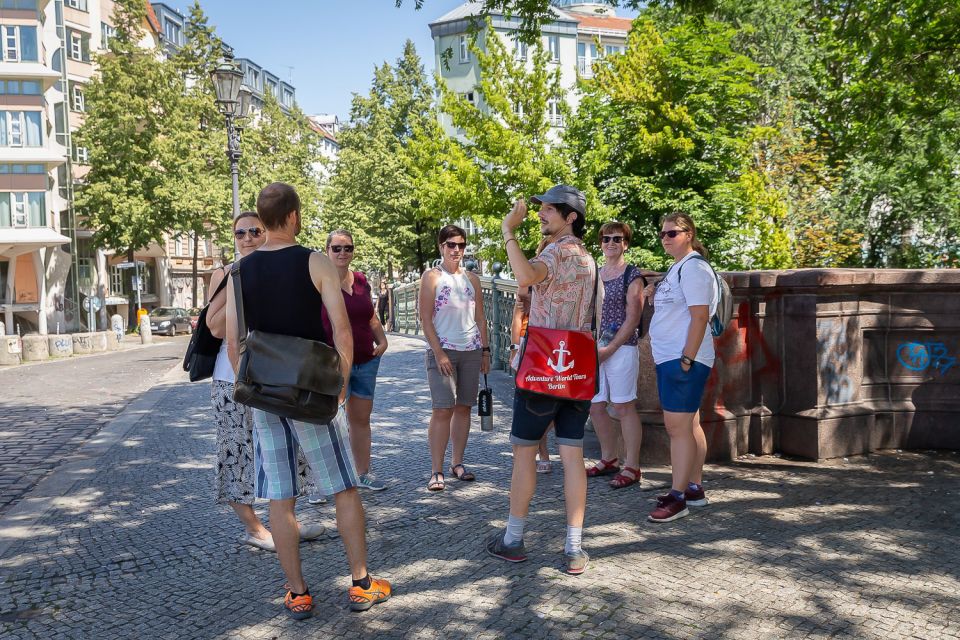
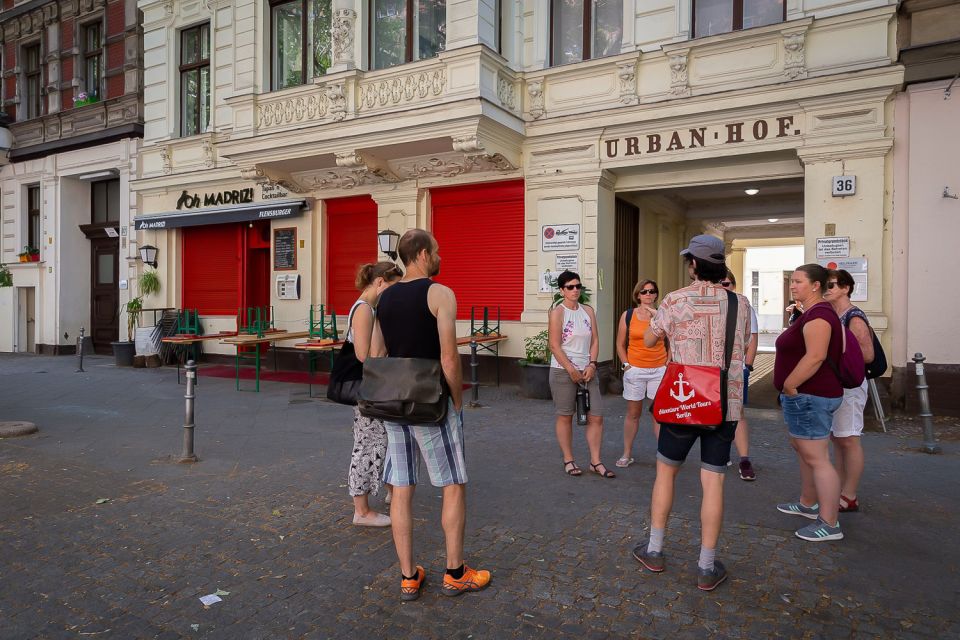
The tour gives you two meeting options: FightClub Casino or Cems Burgerhouse. Which one you get depends on what you book, so double-check your confirmation before you head out. Either way, plan to arrive a few minutes early with your comfortable shoes on and your camera charged, because this is a walking route with frequent short photo stops.
Berlin evenings can swing from pleasant to chilly fast, too. Dress for the weather and keep your jacket handy. You’ll be on your feet for the full 2 hours, and the pace is designed for conversation and looking—not for sprinting between far-apart sights.
You can also read our reviews of more walking tours in Berlin



Kotti (Kottbusser Tor): The Best Neighborhood Orientation You’ll Get Fast
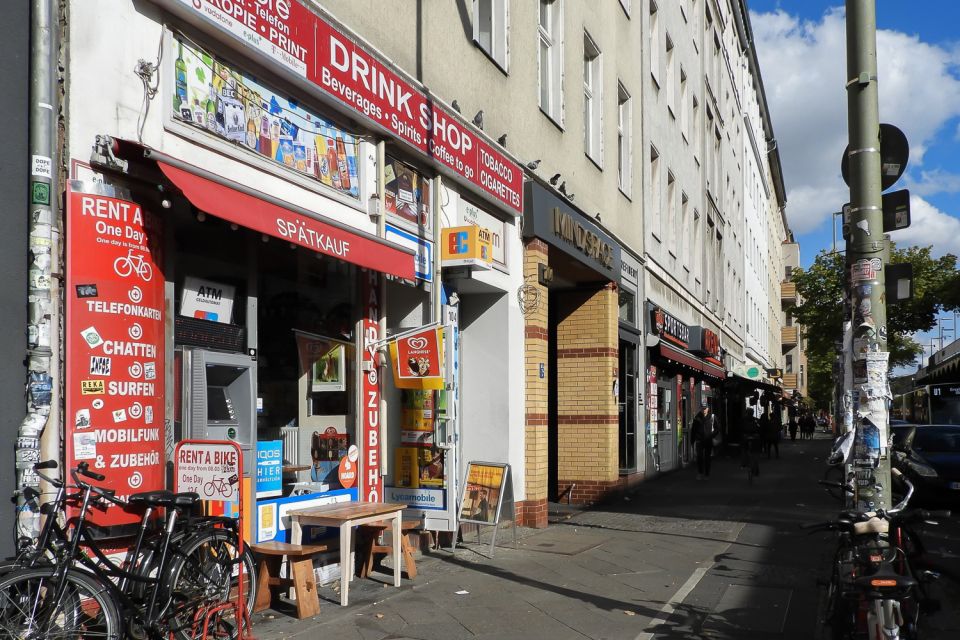
The walk begins at Kottbusser Tor, also nicknamed Kotti. This is the kind of place where you can feel how many different worlds intersect. Your guide starts with an overview of Kreuzberg’s life and culture, then you move from that big-picture framing into the smaller stories tied to specific streets.
I like this opening because it gives you a mental map before you start seeing details. Instead of randomly noticing buildings and signs, you’ll understand why the district developed the way it did and what kind of energy people associate with it. In the first segment, you’ll take a photo stop around Zentrum Kreuzberg and get the walking rhythm down—short stops, then explanation, then move again.
Value for you: you’ll leave with context you can reuse later while exploring on your own.
Oranienstraße 24: 19th-Century Crowding and the Rebellious Spirit
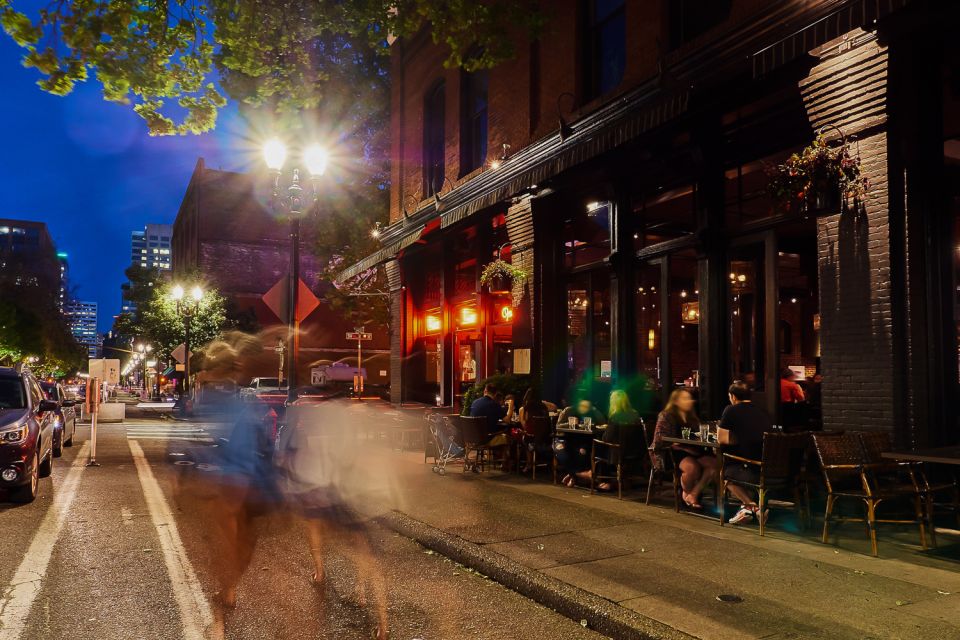
After Kotti, the route heads toward Oranienstraße 24. This stretch is where the tour’s tone tightens: you’re not just watching an active street, you’re learning the reasons Kreuzberg became so densely populated in the 19th century.
Your guide connects that growth to the district’s attitude—its stubborn independence and the way conflict became part of the local identity. You’ll also hear about historic events tied to the Mother of all Street Fights story. That name is dramatic, but it helps you understand the mood: Kreuzberg has a reputation for pushing back, and your guide ties that to how the area evolved.
What you’ll notice on the street: the density, the human scale, and the mix of everyday life. By the time you reach the next Oranienstraße stop, you’ll start seeing the street as a timeline rather than just a thoroughfare.
Possible drawback: if you prefer very factual, date-by-date history, the tour leans more toward narrative storytelling. It’s still grounded, just told in a way that sticks.
Oranienstraße 190: From Stories to Real-World Evening Energy
The tour continues along Oranienstraße to Oranienstraße 190, with another guided segment and photo stop. By now, you’ll better understand why the guide keeps returning to the idea of rebellion. It’s not presented as a slogan. It’s explained through how people lived, how the city organized itself, and how tensions played out in public.
Evening matters here. Kreuzberg after dark has a different rhythm than daylight hours, with bars and cafés pulling people in. The guide uses that lived-in atmosphere to make the history feel less like a museum label and more like something people still carry in daily life.
If you like tours that help you read a neighborhood, this stop is a turning point. You’ll likely start asking better questions too, because the background you got at Kotti now connects directly to what you see on the street.
Mariannenstraße 15: A Short Stop With Big Narrative Payoff
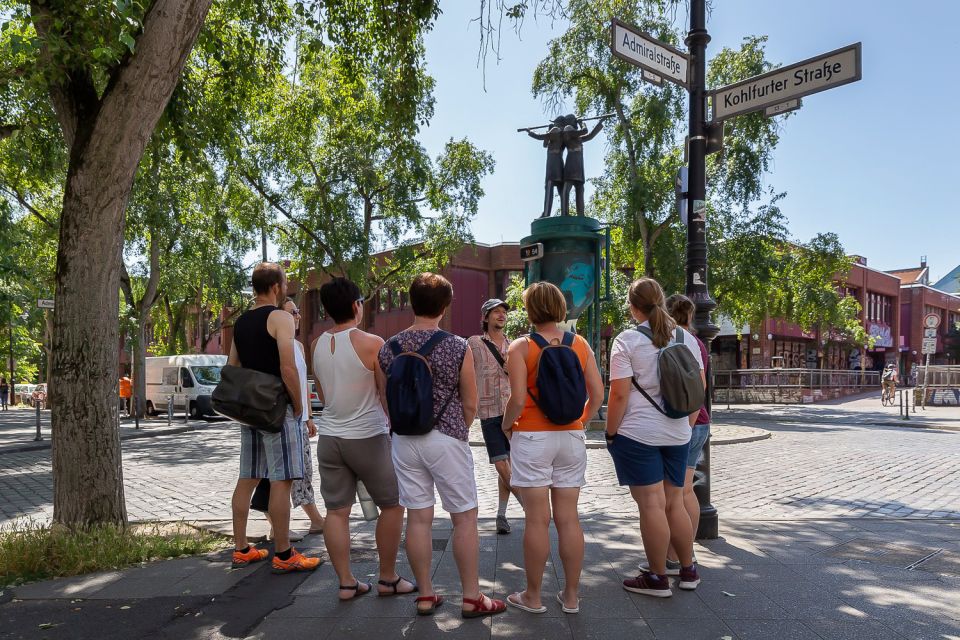
Next comes Mariannenstraße 15 for a shorter guided segment and photo stop. Don’t underestimate the short stops. In a 2-hour tour, these are often the places where your guide can spotlight a detail that would be easy to miss on your own.
This is also a good moment to pause and look around without feeling rushed. You’ll get more of the district’s cultural texture—small contextual clues that round out the earlier street-fight and punk-era stories—then you move on.
You can also read our reviews of more guided tours in Berlin






Lausitzer Pl. 8 A and the SO36 Story: Punk, New Wave, and Trouble
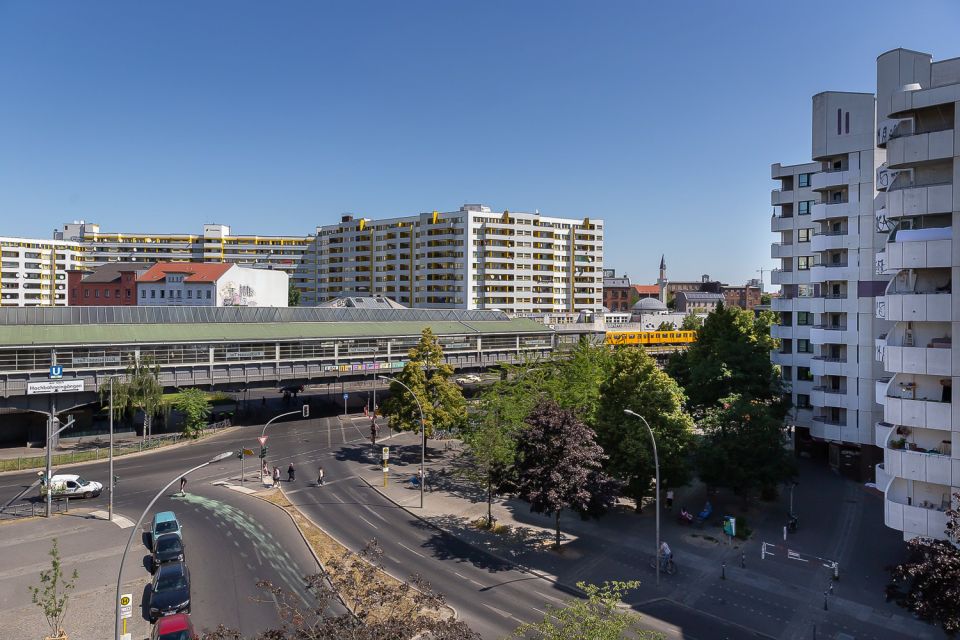
At Lausitzer Pl. 8 A, you’ll cover one of the most memorable parts of the experience: SO36. Your guide explains why SO36 is often described as legendary, tied to anarchistic punk and new wave bands that played in the 1970s and 1980s.
The key point isn’t only music history. Your guide links those performances to friction with authorities. The vibe you’re learning about is the kind that doesn’t stay in the club. It spills into the streets, into politics, into public tension.
When the tour hits this section, you’ll likely feel the neighborhood’s contradictions: creative, loud, confrontational, and still intensely social. It’s a good stop for anyone who likes cultural history that comes with a little controversy—because it shows how art and politics collide in real places.
Tip for you: if you’re a music person, ask your guide how the club’s story fits into the broader Kreuzberg identity. This is the kind of question that usually gets a strong answer.
Görlitzer Park: Where the Jack the Ripper Story Takes On a Berlin Accent
The next stop is Görlitzer Park. Here, your guide tells the fascinating story behind Berlin’s own Jack the Ripper. This is one of those tour moments where the location does a lot of work for the storytelling.
A park isn’t just a background on this route—it becomes a stage for narrative. Your guide ties the tale to the district’s darker, rebellious side, linking how people in Kreuzberg made sense of fear, rumor, and identity through the stories they carried.
Why this works in the evening: the lighting, the mood, and the sense of quiet after busy streets makes the story land differently than it would in the middle of the day. Even if you already know the general legend type, you’ll get a version filtered through Berlin and through Kreuzberg’s street-level worldview.
Ruinen des Pamukkale-Brunnens: A Photo Stop That Sparks Questions
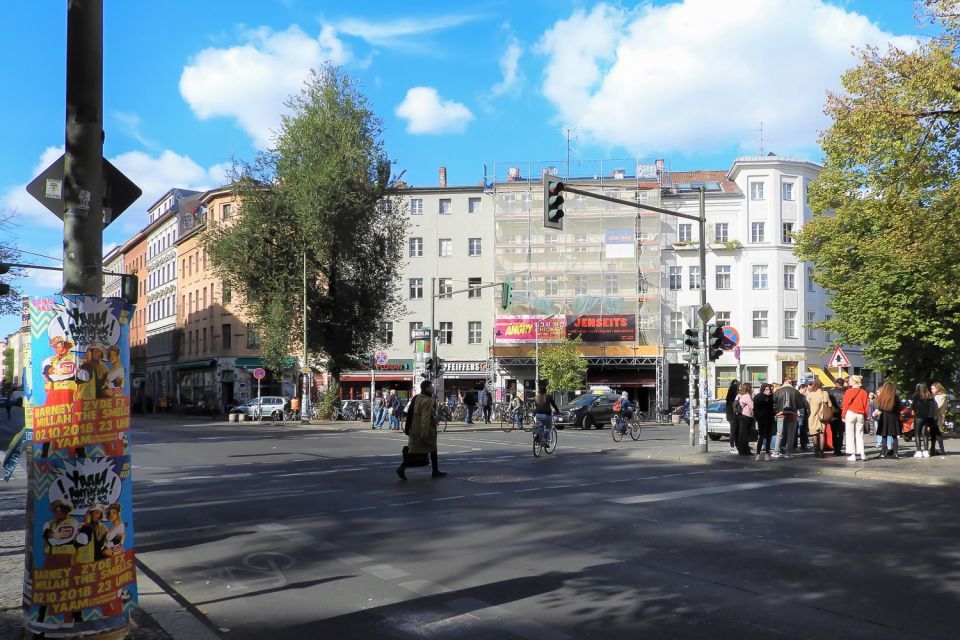
You’ll then reach Ruinen des Pamukkale-Brunnens for a short photo stop and guided explanation. The name alone signals what you’ll see—ruins tied to the Pamukkale fountain concept.
What’s valuable here is how your guide uses this odd corner as a teaching moment: a reminder that cities keep changing, and their old plans, structures, and symbols don’t always disappear. They can become something else: rubble, memory, or just a strange visual that locals learn to interpret.
I like stops like this because they break the tour out of the typical “grand landmark” pattern. You get a Berlin detail that feels specific, not generic.
Oppelner Str. 3 and Bevernstraße 6: Finishing With a Little Time to Breathe
The route includes Oppelner Str. 3 (another photo stop with guided sightseeing). By this stage, you’ve heard about Kotti, Oranienstraße’s historical tensions, SO36’s punk-era energy, and the Görlitzer Park story. That’s a lot of narrative. So your guide’s job now is to connect the dots and keep the walk enjoyable rather than heavy.
Finally, you reach Bevernstraße 6. You’ll have a short free-time window there (plus the guided finishing moments). This is a smart way to end: you can look back at what you learned and decide what you want to explore next—bars, cafés, or just the surrounding streets.
What you gain: a finish point that feels grounded. Not a far-away station, not a far-off museum. You’re left in the neighborhood, ready to keep moving at your own pace.
Price and Value: Is $27 for a 2-Hour Walking Tour Fair?
At $27 per person for a 2-hour guided walking tour, this is good value if you care about how a neighborhood works as a story. You’re paying for more than motion and photos. You’re paying for a live guide who links places to the district’s history, culture, and rebellious spirit.
Also, the format matters. A walking tour keeps you close to the real setting—street scale, evening atmosphere, and the actual locations mentioned. For this kind of Kreuzberg-focused experience, that’s exactly where the money goes.
One more value point: the reviews show strong satisfaction, with an average around 4.7 based on 555 ratings. That doesn’t replace your own taste, but it’s a sign the guide-led storytelling lands for many different visitors.
Who This Tour Suits (and Who Might Skip It)
This tour is a great fit if you want:
- neighborhood context for Berlin’s Kreuzberg
- a story-driven route tied to specific locations
- a relaxed evening walking plan you can pair with later food or drinks
It’s less ideal if you want:
- top-tier sightseeing monuments
- a long, museum-style chronology
- lots of time for sitting still
If you’re traveling with a friend who loves history but hates boring lectures, this kind of route usually clicks.
Practical Tips for Enjoying It to the Max
Bring comfortable shoes, and dress for the weather. This is a walking tour with multiple short segments, so you’ll feel every slippery patch or sore spot.
Try to pace your questions. The best guided walks happen when you ask something that connects what you’re seeing with what you heard earlier. If your guide is Stefan or Kevin, you’ll likely get a lively, insider-feeling style and a lot of room to ask questions—based on how they’re described in the tour’s feedback.
Finally, give yourself permission to enjoy the street scenes. Kreuzberg at night isn’t just a backdrop. Your guide uses it as part of the lesson, especially around the bar-and-café energy.
Should You Book This Kreuzberg Evening Walking Tour?
If you’re on a Berlin trip and you want something more personal than a major landmark circuit, I’d book it. This tour is built for understanding Kreuzberg through its stories—Kotti’s orientation, Oranienstraße’s historical tension, SO36’s punk-era clash, and Görlitzer Park’s Jack the Ripper tale—then you finish with a bit of breathing room near Bevernstraße 6.
Book it when you want: a guided neighborhood narrative you can carry into the rest of your night.
Skip it only if you strongly prefer landmark-heavy routes or you dislike walking tours with story focus.
FAQ
How long is the Berlin: Kreuzberg guided evening walking tour?
It lasts 2 hours.
What does the tour cost?
The price is $27 per person.
Where do I meet the guide?
The meeting point can vary based on the option booked, with two choices: FightClub Casino or Cems Burgerhouse.
Is the tour offered in English?
Yes. The live guide can speak English (also German).
Is this tour always a group tour?
It can be private or small groups, depending on what you book.
What should I bring?
Wear comfortable shoes and bring weather-appropriate clothing.
Is the Jack the Ripper story part of the tour?
Yes. The route includes Görlitzer Park with the story behind Berlin’s Jack the Ripper.
Does the tour include any stops specifically related to music history?
Yes. You’ll visit SO36, tied to anarchistic punk and new wave bands in the 1970s and 1980s.
How much walking should I expect?
It’s a guided walking route with multiple street stops and photo stops, designed for a total 2-hour walk.
What’s the cancellation policy?
You can cancel up to 24 hours in advance for a full refund. The tour also offers reserve now & pay later.