REVIEW · BERLIN
Cold War, Berlin Wall, Spies and the East Side Gallery
Book on GetYourGuide →Operated by Insider Tour Berlin · Bookable on GetYourGuide
Concrete here still remembers fear. This 3-hour Berlin tour follows Cold War division through real escape attempts, Stasi shadow stories, and wall-side streets from the Palace of Tears to the East Side Gallery, where oppression became art.
I especially like two stops: Tränenpalast (Palace of Tears) and the monumental stretch of Karl-Marx-Allee, because each one shows a different side of how the system worked on real people. The guide quality also seems to be a big part of the magic, with repeat praise for story-tellers like Paul and Xavier.
One thing to plan for: you’ll need an AB public transport day pass to move between sites, and the tour keeps going in bad weather—so pack real walking shoes and weather gear.
In This Review
- Key Highlights I’d Prioritize
- Cold War Berlin on Foot: What This Tour Really Gives You
- Where You Meet at Friedrichstraße and How to Find Your Guide
- Tränenpalast (Palace of Tears): The Departures That Felt Like a Final Goodbye
- Alexanderplatz: Soviet-Era City Life in One of Berlin’s Main Squares
- Karl-Marx-Allee: Walking a Socialist Boulevard and Reading the Propaganda
- Friedrichshain Segment: Why Geography Matters When Borders Harden
- Berlin Wall Remnants and the Original Death Strip Area: Distance, Fear, and Concrete
- East Side Gallery: When the Wall Became Street Art
- Getting From Site to Site: The AB Day Pass and Short Train Hops
- Price and Value: Is $18 for 3 Hours Worth It?
- Who This Tour Suits Best (and Who Might Want Another Style)
- Should You Book This Cold War, Berlin Wall, and East Side Gallery Tour?
- FAQ
- How long is the Cold War and Berlin Wall tour?
- Where do I meet the guide?
- Do I need a public transport ticket?
- Is the tour guided in English?
- What stops are included in the tour?
- What should I bring with me?
- Is the tour wheelchair accessible?
- What happens if the weather is bad?
- What’s included in the price and what isn’t?
- Is cancellation free?
Key Highlights I’d Prioritize
- Tränenpalast emotional context: You’ll see why departures felt final, not casual.
- Karl-Marx-Allee architecture with propaganda clues: It’s a walk you can read, not just photo-stop number three.
- Berlin Wall + original death strip area: Tension isn’t abstract here. It’s space and distance.
- East Side Gallery graffiti as a symbolic reset: The wall becomes a canvas instead of a border.
- Guides who answer questions and bring daily life into focus: People repeatedly call out guides who keep stories grounded and practical.
Cold War Berlin on Foot: What This Tour Really Gives You
If you’ve only seen Berlin Wall history through museums or documentaries, this kind of walking tour hits differently. You’re moving through the same geographic “logic” that mattered during the Cold War—checkpoints, visible borders, and the routes people tried to use when no route felt safe. The tour ties spy networks, informants, and escape attempts to places you can stand in and look around from.
What I like most is the balance of scales. You go from big political forces—how a divided city reshaped daily life—to small, nerve-level details like how surveillance shaped what normal people dared to do. And because the tour is only three hours, it doesn’t drag. You get momentum, not overload.
Expect a guided walk with a few short train hops, not a single long trek with no breaks. That matters because you’ll likely want to keep your eyes on the buildings and street lines while the guide explains what the Cold War mindset looked like on the ground.
You can also read our reviews of more museum experiences in Berlin

Where You Meet at Friedrichstraße and How to Find Your Guide
The tour starts outside Friedrichstraße train station, on the square beside Tränenpalast. Look for a guide with a yellow name badge holding a yellow umbrella—it’s an easy visual target.
This meeting spot is smart. It places you at the edge of where departures and border anxiety became routine, so the first stop already sets the emotional tone. It also keeps logistics simple: you’re not scrambling across the city at the last minute.
If you chose pickup, you’re collected from your accommodation when the tour starts and dropped later at Bernauer Straße. If not, you’ll handle your own way to the meeting point and begin right on schedule.
Tränenpalast (Palace of Tears): The Departures That Felt Like a Final Goodbye
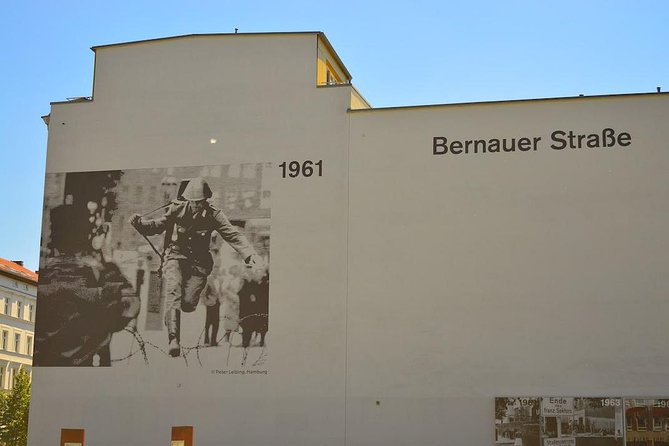
The first proper stop is Tränenpalast, and you’ll have about 20 minutes there. Even if you know the broad timeline of the Berlin Wall, this is where it becomes personal: you’re confronting the human side of a system designed to control movement.
Tränenpalast is called the Palace of Tears for a reason. This tour frames it around the stories behind failed plans and irreversible choices—when crossing the border wasn’t just travel, it was survival, family separation, and risk calculated down to the last second.
A practical note: you’ll want your camera ready, but don’t rush photos. Give yourself a moment to look slowly and absorb the place. In a tour like this, the guide’s context makes the physical environment feel sharper, and it helps you notice details you’d otherwise skip.
Alexanderplatz: Soviet-Era City Life in One of Berlin’s Main Squares
Next up is Alexanderplatz, again with around 20 minutes of guided time. This stop matters because it connects Cold War politics with everyday rhythms: transit, crowds, and city life that kept moving even when freedom didn’t.
The guide’s goal here is usually interpretation—helping you see what kind of “normal” the East tried to project. You’ll walk through the area with GDR-era architectural cues in your view, and the tour points out how public spaces were part of state messaging.
If you’re the kind of traveler who likes to understand how people lived—not just what governments did—this is one of the better segments. It’s not just monuments; it’s the stage where daily life continued under a controlled system.
Karl-Marx-Allee: Walking a Socialist Boulevard and Reading the Propaganda
Then you hit Karl-Marx-Allee, with about 20 minutes guided. This is a big, imposing boulevard, and it’s designed to impress. On this tour, you don’t just walk it—you’re taught how to read the architecture like a political statement.
I like this stop because it shows how ideology can be built into stone. The tour discusses the boulevard’s original role in projecting a socialist ideal, and it also ties the space to major events—like the 1953 workers’ uprising—that shook the communist regime and changed what followed.
The big practical win here: Karl-Marx-Allee is wide and photogenic, but that can tempt you into rushing. Slow down. Look up. Notice how the scale and repetition work. A guide can help you connect that design to the message it was meant to send.




Friedrichshain Segment: Why Geography Matters When Borders Harden
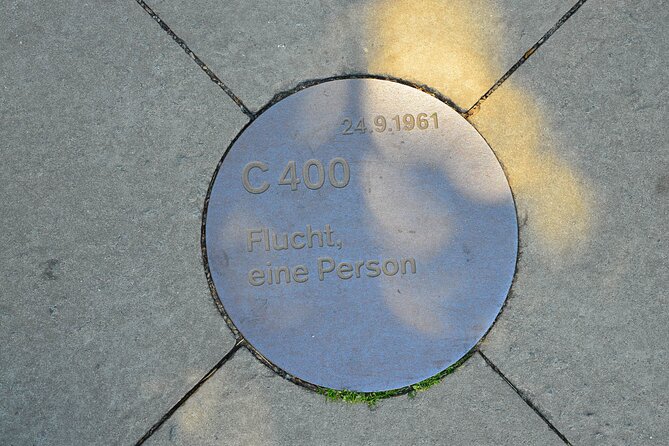
After a short train hop, the tour spends about 20 minutes in Friedrichshain with guided walking. This is one of those segments where the explanation is as important as the view.
The Cold War wasn’t only ideology in speeches. It was geography: where you stood, what you could see, and what authorities could observe. This part of the route helps you understand how people planned attempts and how the Stasi’s surveillance made escape feel like a constant gamble.
If you’ve ever wondered why people describe the wall period using words like watched and trapped, this segment helps turn those feelings into something physical you can picture. You’re not just hearing facts—you’re learning the spatial logic.
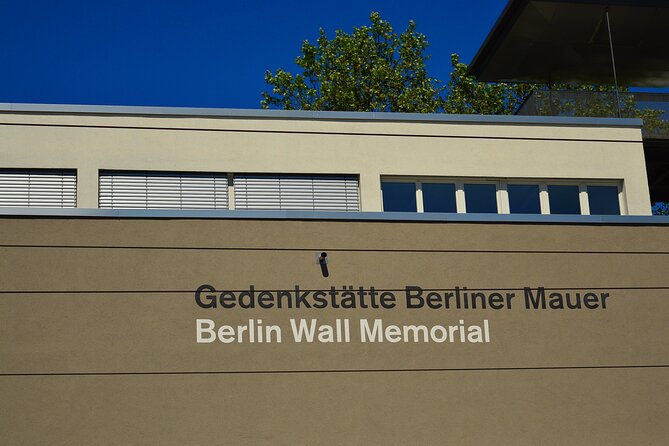
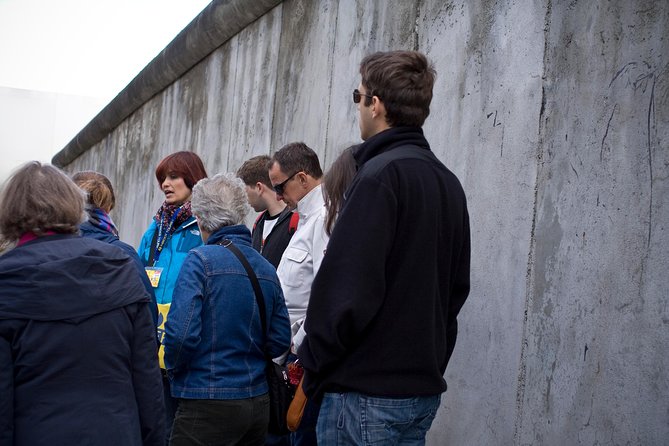
Berlin Wall Remnants and the Original Death Strip Area: Distance, Fear, and Concrete
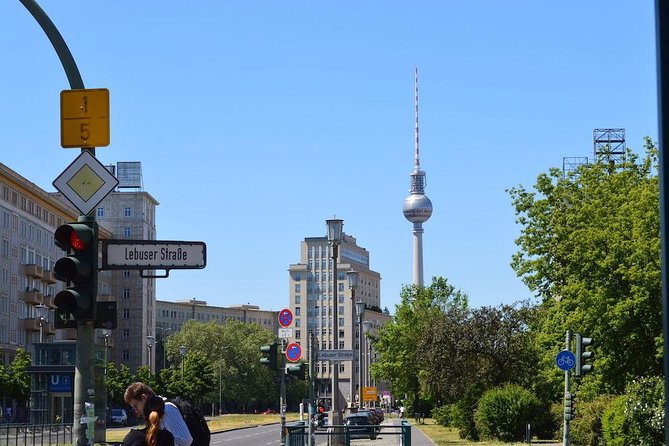
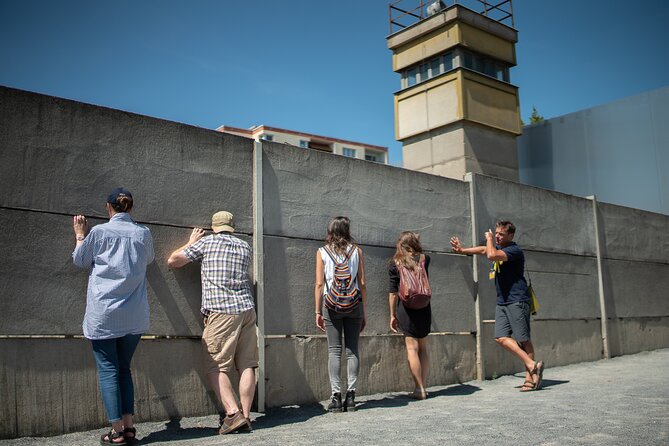
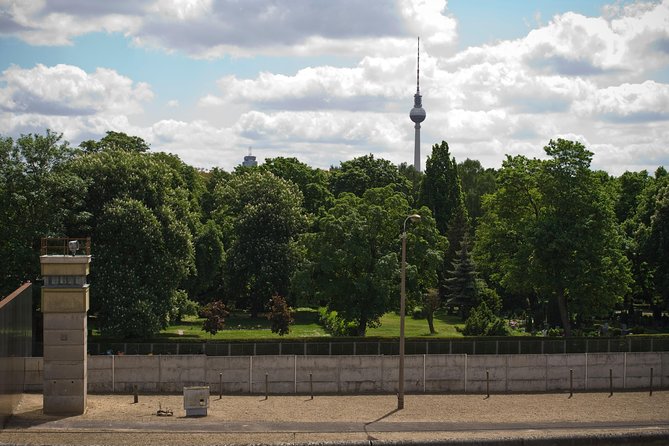
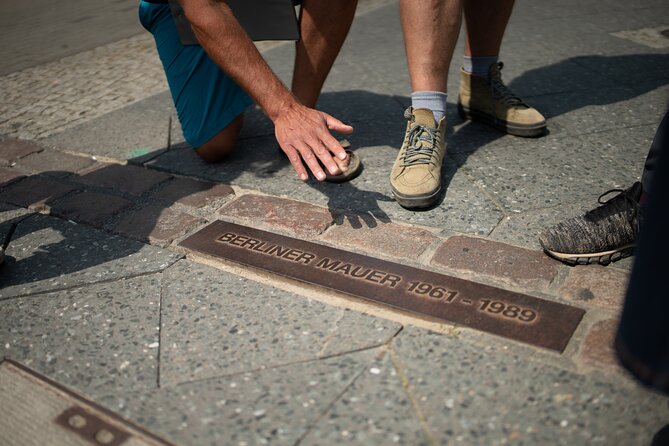
The wall-focused portion includes about 16 minutes of guided time, and it’s anchored around seeing Berlin Wall remnants plus the original death strip area.
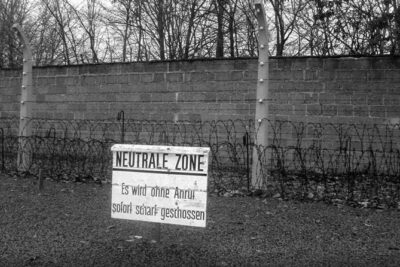
This is the part of the tour where you should treat the ground seriously. The “death strip” is not a spooky legend. It represents how the border was enforced with lethal certainty. When you’re standing in that kind of space, the guide’s stories tend to land with weight—because you can measure distance and imagine timing.
I’m also glad this segment is brief. A longer stop could turn heavy history into a blur. Sixteen minutes, guided and paced, gives you enough time to absorb without burning out emotionally before you reach the final art stop.
Bring your camera, but don’t only photograph. Look around and let the guide’s context set the scene.
East Side Gallery: When the Wall Became Street Art
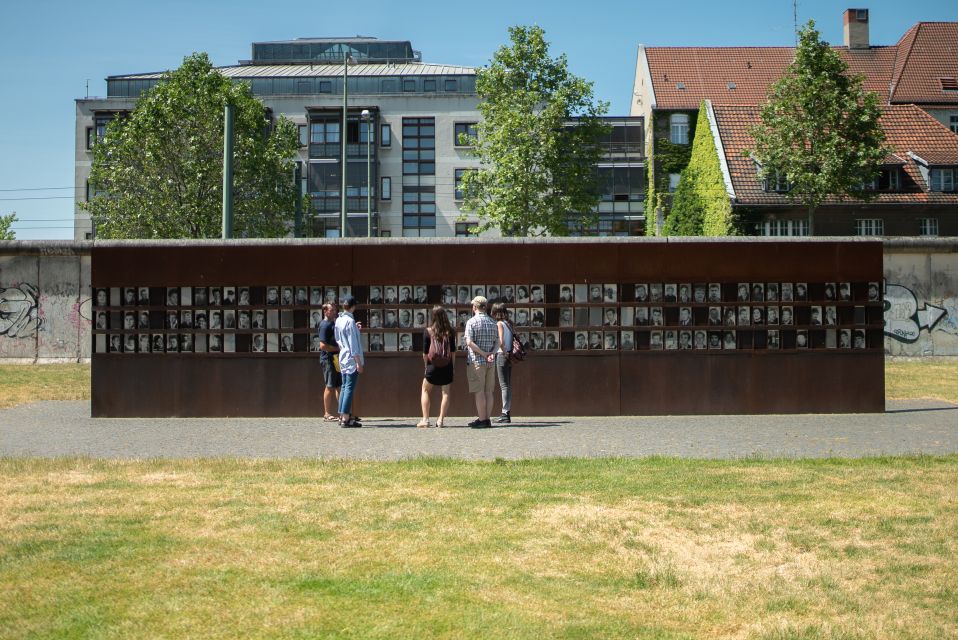
The last named stop is the East Side Gallery, with about 20 minutes guided walking. If the Wall segment is the tour’s tension, the East Side Gallery is its reset.
Here’s the key idea the guide emphasizes: the wall went from a symbol of oppression to a platform for public art. The graffiti-covered stretch becomes a story of transformation, memory, and reclaiming space—especially because it’s visible and walkable like a normal street attraction, not locked behind museum glass.
I like ending here because it helps you leave Berlin with more than just dread. You still remember what happened, but you also see what changed afterward: the physical border didn’t just end; it got reinterpreted.
Getting From Site to Site: The AB Day Pass and Short Train Hops
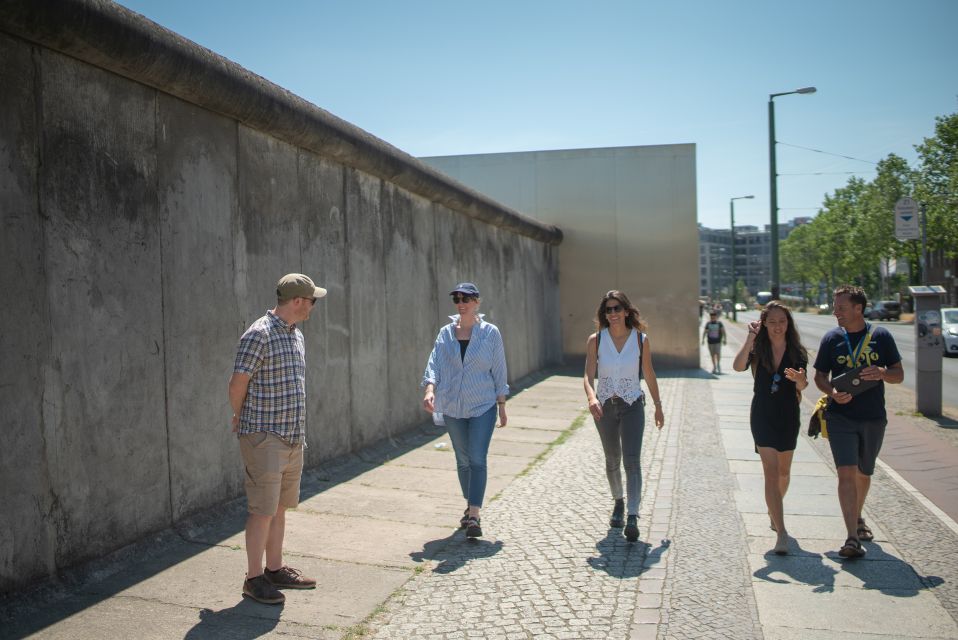
You’ll travel between locations by a mix of walking and short train rides. That’s why the tour requires an AB public transport day pass. The ticket isn’t included, but the good news is that you can purchase it on the day with help from the on-site staff.
This is one of those logistics details that actually affects your experience. If you arrive without a day pass and you’re unprepared, you can lose time and start the tour flustered. So plan to handle the pass early, even if you’re tempted to sightsee first.
Also, note the tour proceeds regardless of weather. You don’t want to spend three hours wrestling with slippery shoes or a soaked jacket. Pack for walking first; everything else is secondary.
Price and Value: Is $18 for 3 Hours Worth It?
At $18 per person for a 3-hour guided experience, this is strong value for Berlin. You’re paying mainly for three things you can’t easily replicate on your own:
1) A focused route that hits major Cold War anchors: Tränenpalast, Alexanderplatz, Karl-Marx-Allee, Berlin Wall remnants, and the East Side Gallery.
2) Interpretation—the guide turns architecture and geography into meaning. This is where the tour earns its money.
3) Time efficiency—you cover multiple zones in one go, including short train hops.
What’s not included is also clear: public transportation tickets and food and drink. You can keep your budget sane by planning a snack beforehand or stopping after the tour.
Given the consistently high overall rating and frequent praise for guide storytelling—people highlight guides like Paul, Jamie g, Maria, Xavier, Klaus, and Tina—this price feels like it buys access to strong explanation, not just walking with a badge.
Who This Tour Suits Best (and Who Might Want Another Style)
This works well if you:
- Want Cold War context anchored to real places, not abstract dates.
- Like tours where you ask questions and get answers.
- Prefer a short, structured experience over a full-day commitment.
- Enjoy when the guide connects politics to everyday consequences (family separation, surveillance fear, escape attempts).
If you’re looking for a party vibe, this isn’t it. The themes are tense and often emotional. You’ll want to pace yourself, respect the places, and let the guide set the tone.
Should You Book This Cold War, Berlin Wall, and East Side Gallery Tour?
Yes—book it if you want a compact, guided route that takes you from Tränenpalast to the East Side Gallery while explaining what those places meant during the Berlin Wall era. The biggest reason is the structure: it doesn’t just list landmarks. It teaches you how to read them.
Before you go, do two things:
- Plan for the AB day pass so you don’t lose time mid-tour.
- Bring comfortable shoes and weather gear, because the tour runs in all conditions.
If you’re comfortable with serious history and want Berlin to make more sense in one afternoon, this is a very practical choice.
FAQ
How long is the Cold War and Berlin Wall tour?
The tour lasts 3 hours.
Where do I meet the guide?
Meet your guide outside Friedrichstraße station, on the square beside Tränenpalast. Look for the guide with a yellow name badge holding a yellow umbrella.
Do I need a public transport ticket?
Yes. You’ll need an AB public transport day pass to travel between sites during the tour. You can purchase it on the day with help from the on-site staff.
Is the tour guided in English?
Yes. The tour has a live guide in English (and also German).
What stops are included in the tour?
You’ll visit Tränenpalast, Alexanderplatz, Karl-Marx-Allee, Friedrichshain, the Berlin Wall section (including the death strip area), and the East Side Gallery.
What should I bring with me?
Bring comfortable shoes, a camera, and weather-appropriate clothing.
Is the tour wheelchair accessible?
Yes, it is wheelchair accessible.
What happens if the weather is bad?
The tour proceeds regardless of the weather.
What’s included in the price and what isn’t?
The price covers a 3-hour guided tour. Not included are public transport tickets (AB day pass), hotel pickup and drop-off, and food and drink.
Is cancellation free?
You can cancel up to 24 hours in advance for a full refund. You can also reserve now and pay later.