REVIEW · BERLIN
Berlin: The Wall Museum East Side Gallery Ticket
Book on GetYourGuide →Operated by The Wall Museum - East Side Gallery · Bookable on GetYourGuide
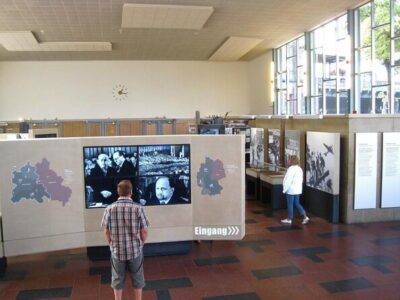
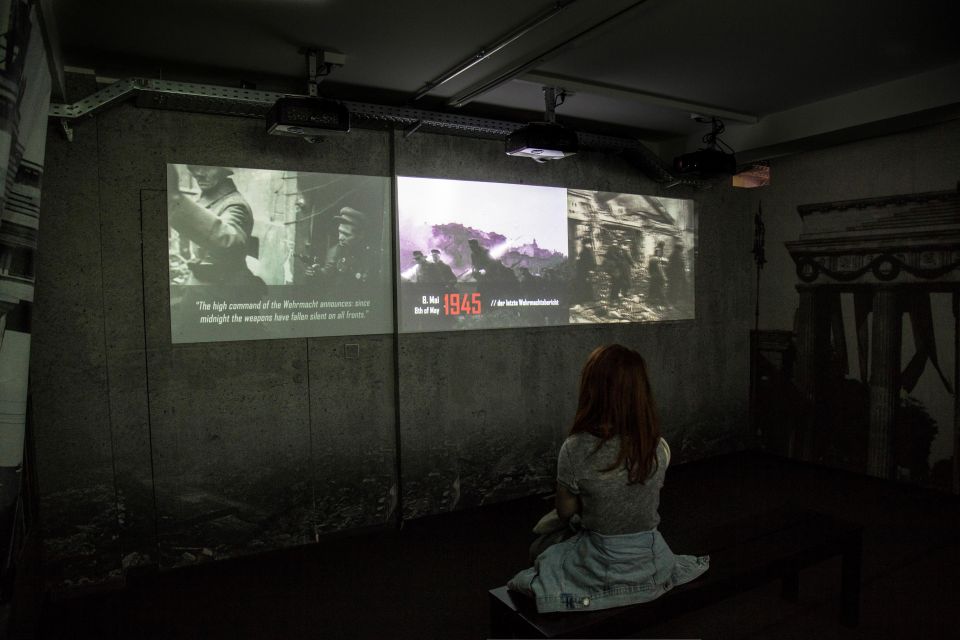
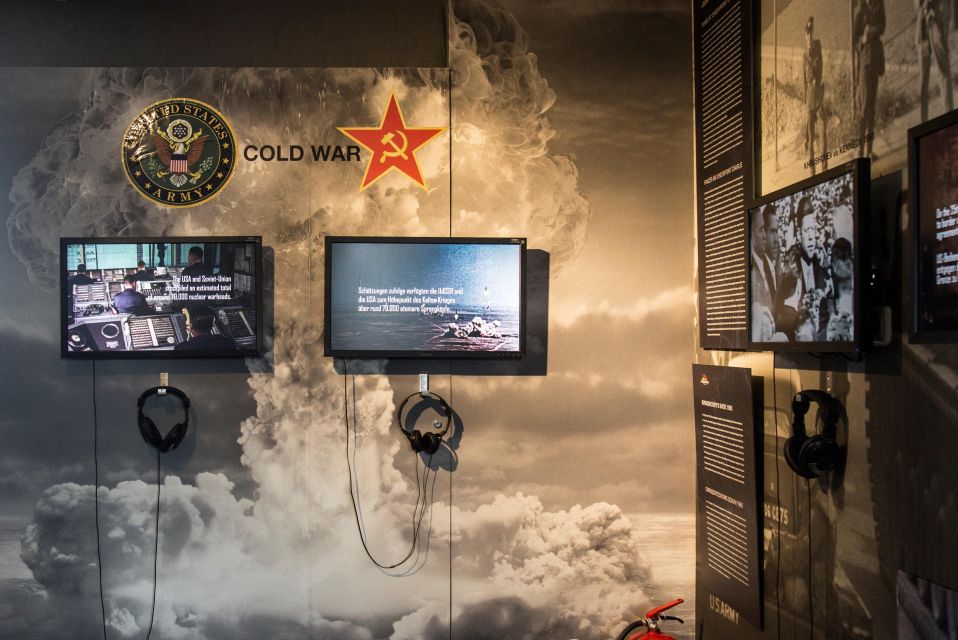
Berlin’s Wall Museum hits hard. It turns the story of the Berlin Wall into a multimedia walk through 13 themed rooms, right beside the East Side Gallery. I like that it mixes films, documents, and interviews instead of relying on dry text, and I also like the clear timeline from post–World War II life to the Wall’s fall in 1991.
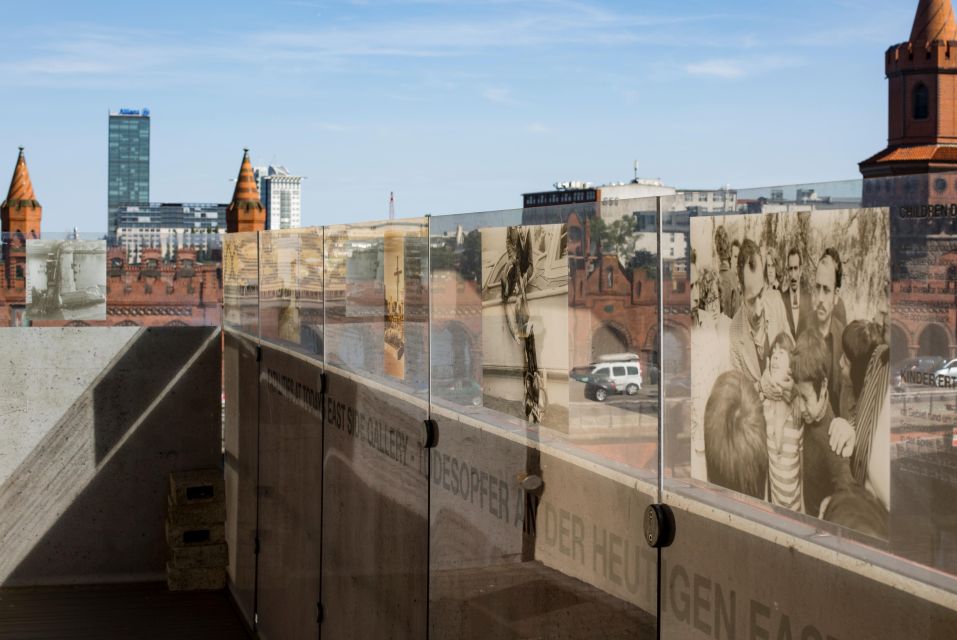
The main thing that makes this ticket appealing is the location and pacing. You’re placed next to the largest still-standing Wall section, so the museum doesn’t feel like an abstract lesson—it feels like part of the street-level Berlin you’ll see outside. The main drawback to consider is that a few people felt the presentation could be weaker, so if you want only a strict, documentary-style approach, you may want to go in with flexible expectations.
At $14 per person, this is priced like an easy add-on to a day of sightseeing. The skip-the-line entry helps you spend more of your time inside the rooms and less time waiting.
In This Review
- Key highlights worth your attention
- Why the Wall Museum is so well placed by East Side Gallery
- Your one-day timeline through the museum’s 13 themed rooms
- A practical pacing tip
- How the films, interviews, and artifacts work (and why they matter)
- What to focus on during your visit (so it feels worth your time)
- Slight drawback to keep in mind
- Skip-the-line entry: the real value of this ticket
- Price check: is $14 good value?
- Accessibility and languages: built for more visitors than average
- Who this Wall Museum ticket is best for
- Small watch-outs before you go
- Booking decision: should you go?
- FAQ
- How much is the Berlin Wall Museum East Side Gallery ticket?
- How long is the visit?
- Is skip-the-line entry included?
- Where is the meeting point?
- What’s included with the ticket?
- What languages are offered?
- Can I cancel, and is pay later available?
Key highlights worth your attention
- Skip-the-line entry so you can start sooner and keep the visit efficient
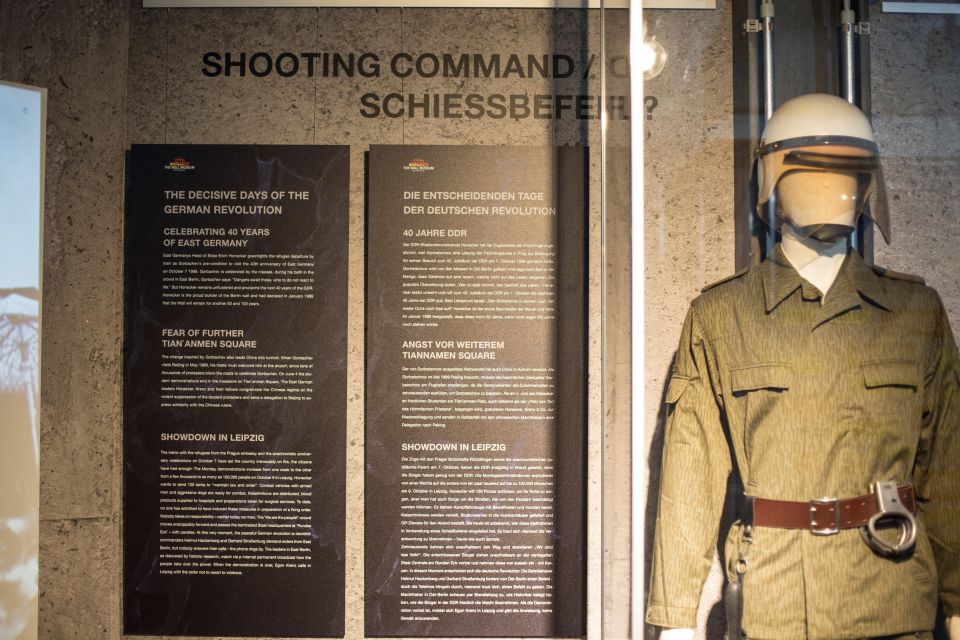
- 13 themed rooms covering the Wall’s story from 1961 to 1991
- Films, interviews, and artifacts rather than just captions on walls
- Next to East Side Gallery, Berlin’s largest remaining Wall section
- Multilingual hosts in German, English, Spanish, and Italian
Why the Wall Museum is so well placed by East Side Gallery
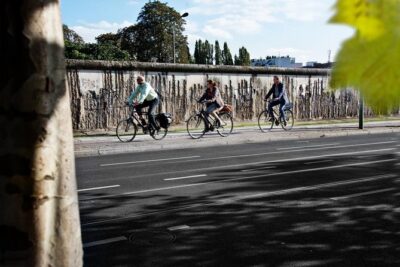
The museum’s meeting point is Mühlenstraße 78-80, 10243 Berlin, in the Mühlenspeicher building, on the second floor, next to the Pirates Restaurant. The key detail isn’t just where it is—it’s that it’s right next to the East Side Gallery. That matters because you can connect what you learn indoors with what you see outside on the Wall itself.
Berlin has a lot of history sites, but not all of them let you keep a sense of continuity. Here, the Wall is literally nearby, so you’re not jumping between distant landmarks and disconnected facts. If you’re trying to build a coherent picture of the Cold War in Berlin, this location helps your day click into place.
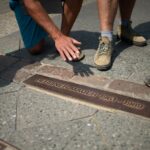
You’ll also find it easy to match this with other Wall-related sights in the same area. East Side Gallery is a visual anchor; the museum gives it context and consequence.
You can also read our reviews of more tours and experiences in Berlin


Your one-day timeline through the museum’s 13 themed rooms
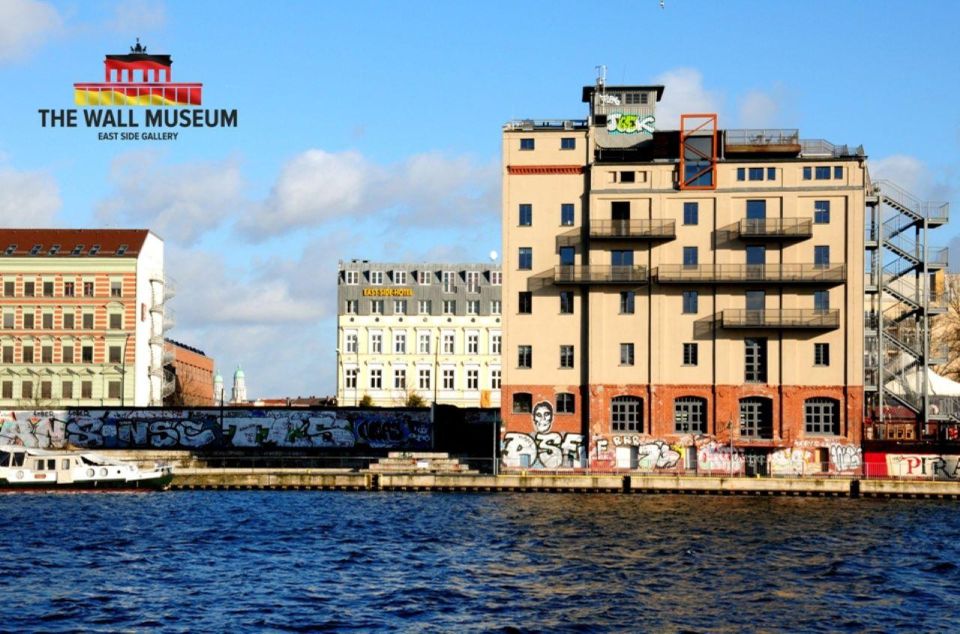
This ticket is valid for 1 day, but the “one day” part really means: you can choose a time to go, then you work your way through the museum’s 13 themed rooms. The experience is organized as a guided emotional timeline of the city during the Cold War.
The museum doesn’t just start with the Wall standing there. It starts with Berlin’s situation after the war and then walks you forward step by step. Here’s what the room themes cover based on the museum’s storyline:
- Life after the war: you see what the city looked like and how the post-war reality set the stage for division.
- The Wall’s construction in 1961: you get the turning point moment—when the Wall becomes a physical fact.
- Life in a divided city: you learn how day-to-day living changes when movement and freedom are constrained.
- The dramatic fall in 1991: you reach the breakthrough moment that ends the Wall’s role in everyday life.
- The “truth behind the wall”: you’re encouraged to connect the facts and the human impact, not just the headline events.
You’ll notice a recurring theme: the museum treats history like something people had to live through. That’s why it includes film and interviews, not only artifacts. For many visitors, that combination makes the timeline feel less like a lecture and more like a series of lived moments.
A practical pacing tip
Since it’s 13 rooms, don’t rush. If you try to speed-run it, you’ll miss why the museum uses multimedia. Give yourself enough time to slow down for the rooms that hit hardest—those are usually the ones with interviews and documentary-style footage.
How the films, interviews, and artifacts work (and why they matter)
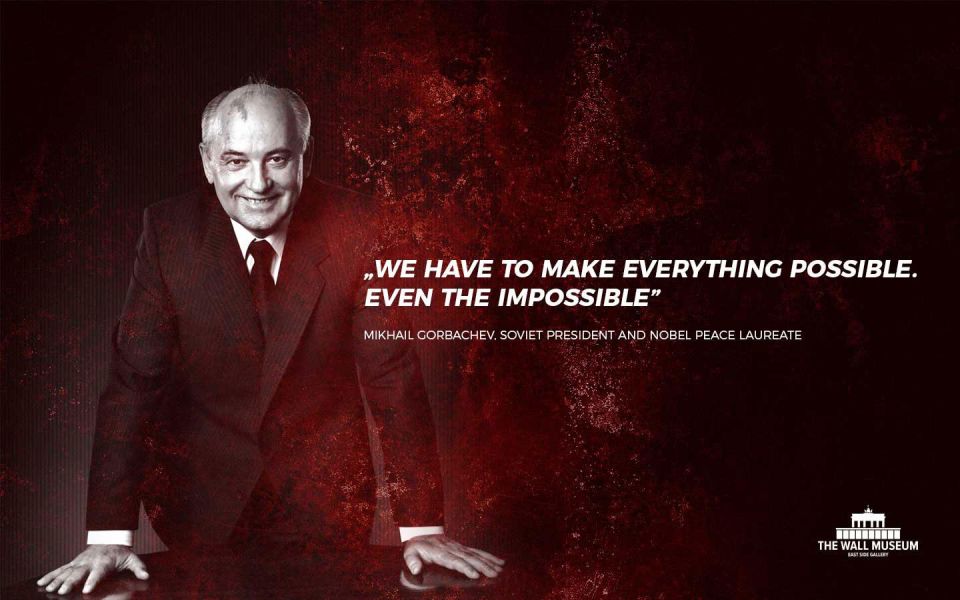
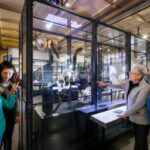
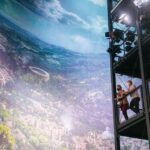
The museum’s biggest strength is its mix of media: films, documents, and interviews. That approach isn’t just for variety. It helps you build understanding in layers: what happened, what people said about it, and what objects and records give the story weight.
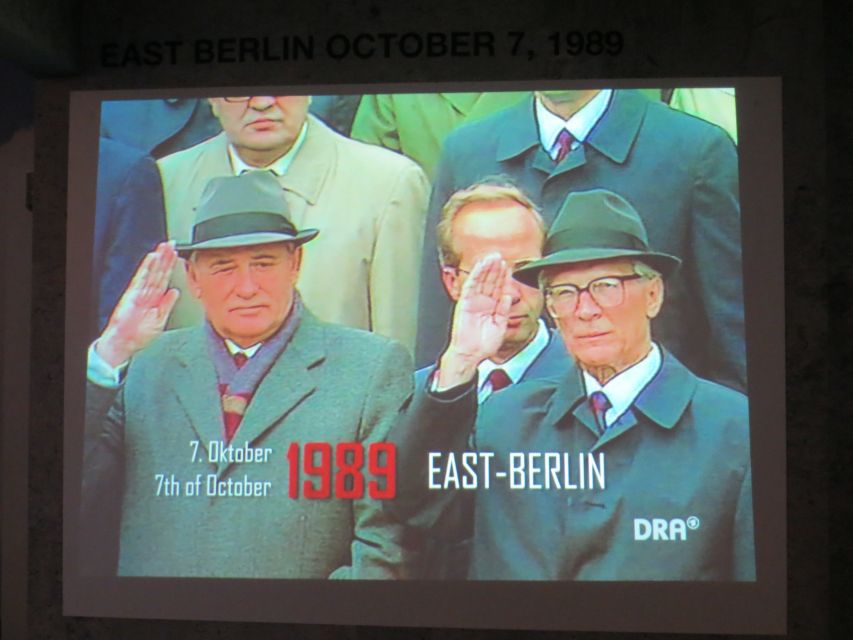
I especially like that the museum leans on interviews. That’s the difference between learning the Wall as a political boundary and learning it as something that changed how people talked, worked, and moved. When the museum reaches big moments—like 1961 and 1991—it uses the media format to keep the timeline from feeling like distant history.
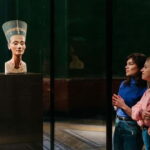
The artifacts and documents add another kind of credibility. Even if you already know the basics of Cold War Berlin, artifacts help you feel the scale of the system that surrounded daily life.
What to focus on during your visit (so it feels worth your time)
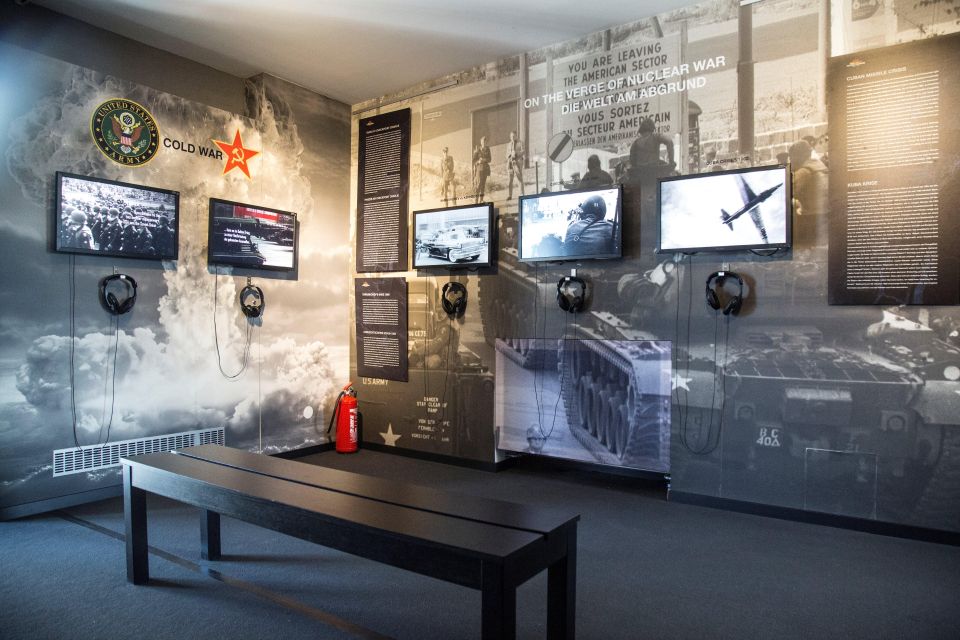
If you want this experience to land, focus on three things as you move from room to room:
- The shift from politics to daily life: the museum tracks how a geopolitical decision becomes an ordinary problem people had to manage.
- The human voice: interviews and film help explain attitudes and fear, not only dates and borders.
- The cause-and-effect arc: the timeline format makes it easier to see how the Wall’s creation in 1961 leads to the 1991 fall.
This is also where the museum’s emotional storytelling becomes useful. It’s not only facts; it’s a way to understand why the Wall still matters to Berlin today.
You can also read our reviews of more museum experiences in Berlin


Slight drawback to keep in mind
One of the weaker points that shows up in the overall feedback is about the presentation itself. That doesn’t mean the content is bad, but it does suggest that the delivery style may not match everyone’s preferred learning style. If you’re very sensitive to audio/visual pacing, you might want to plan for a slower start so you’re not stressed when you settle in.
Skip-the-line entry: the real value of this ticket
This ticket includes skip-the-line entry, which is one of the most practical upgrades you can buy. When you’re sightseeing in Berlin, time adds up fast: trains, walking, and the usual “let’s just see one more thing” syndrome.
With skip-the-line access, you’re more likely to get through the museum without losing your momentum. That means more time inside the rooms—and less time standing around.
This matters even more for a museum like this, because the format is media-heavy. If you show up late or after a long wait, you’re more likely to rush or mentally zone out. Skip-the-line helps you arrive in the right headspace.
Price check: is $14 good value?
At $14 per person (about right for a single focused museum visit), you’re paying for three things: entry, a guided narrative structure across 13 rooms, and the skip-the-line advantage.
If you were to visit on a normal entry queue, the biggest “value” you’d lose is time. And time is what you need here, because the museum’s strength is that it takes you through multiple themes rather than stopping at a single highlight.
For many people, the location next to East Side Gallery also adds value. You’re paying for context next to the actual Wall you can see outside, which helps prevent the “I saw a landmark, now I’m done” feeling.
In other words: this ticket fits best when you want a meaningful stop without turning your day into an all-day commitment.
Accessibility and languages: built for more visitors than average
The museum is wheelchair accessible. It also offers a host or greeter who speaks German, English, Spanish, and Italian.
Those language options matter more than you might think. When a museum depends on film, interviews, and documents, having help from staff can make your visit easier—especially if you need clarification about what you’re seeing or how to move through the space comfortably.
Who this Wall Museum ticket is best for
This is a strong match if you want:
- A Cold War story that stays grounded in how ordinary people lived
- A museum stop that uses film and interviews instead of only static displays
- A visit that pairs naturally with East Side Gallery nearby
It’s also a good choice if your Berlin plan includes the Wall as a central theme and you want your sightseeing to feel connected. Seeing the Wall from the sidewalk is powerful. Learning how it changed lives makes it stick.
If you’re only in Berlin for a short time, this ticket works as a concentrated hit. If you’re traveling with a group, the clear room-by-room structure helps keep the visit organized.
Small watch-outs before you go
Here are the only caution flags I’d put on a practical list:
- If you’re very picky about presentation style, know that a small portion of feedback describes the presentation negatively.
- The museum is media-based, so plan to give it more than a quick skim. If you try to rush, you’ll miss why the museum uses interviews and documents.
If you can accept that it’s a storytelling format (not just a lecture), it’s easier to enjoy what it’s trying to do.
Booking decision: should you go?
I’d book this Wall Museum ticket if you want a focused, high-impact understanding of the Berlin Wall with skip-the-line convenience and a clear 13-room timeline. The setting next to East Side Gallery is a smart bonus, because it connects what you learn to what you see outside.
I’d skip it only if you strongly prefer text-only exhibits or you know you’re sensitive to a presentation style that may not match every taste. For most people, the combination of films, interviews, artifacts, and a direct arc from 1961 to 1991 is exactly what makes the Wall feel real instead of just historical.
FAQ
How much is the Berlin Wall Museum East Side Gallery ticket?
The price is listed as $14 per person.
How long is the visit?
The experience is set up for 1 day. Starting times depend on availability.
Is skip-the-line entry included?
Yes. The ticket includes skip-the-line entry.
Where is the meeting point?
The meeting point is Mühlenstraße 78-80, 10243 Berlin, next to the East Side Gallery, at Mühlenspeicher (second floor), next to the Pirates Restaurant.
What’s included with the ticket?
The included item is skip-the-line entry.
What languages are offered?
A host or greeter is available in German, English, Spanish, and Italian.
Can I cancel, and is pay later available?
Yes. There is free cancellation up to 24 hours in advance for a full refund, and you can reserve now & pay later.