REVIEW · BERLIN
Berlin: Tickets to the Computer Games Museum
Book on GetYourGuide →Operated by Computerspielemuseum · Bookable on GetYourGuide
One ticket can turn a rainy Berlin day into a full-on gaming timeline. The Computer Games Museum Berlin is built around hands-on exhibits, so you do more than watch history—you try it.
I love the museum’s mix of classic arcade machines and later console/handheld milestones, from Pong-era tech to 3D play. I also like how the experience is structured around recognizable moments in game development, with big, physical hardware displays that make the evolution easy to grasp.
One consideration: the most popular interactive areas, especially the arcade cabinets, can get busy and loud. If you want a quiet museum pace, plan for some waiting and plenty of families in the mix.
In This Review
- Key highlights worth planning around
- Getting oriented at Computerspielemuseum (Karl-Marx-Allee 93a)
- Two exhibitions in one ticket: permanent + special show
- The timeline core: milestones from Pong to modern-era moments
- The Wall of Hardware: seeing the generations side-by-side
- Hands-on play stations: why you’ll spend more time than you think
- Classic arcade corner: Donkey Kong, Space Invaders, and waiting your turn
- Famous playable milestones: Pong and arcade-style legends
- 3D games and handheld-era stops: big screens and the 3DS era
- VR demos (if available): ask reception about timed access
- How long to plan for a one-day ticket
- Where the value shows: $22 and what’s actually included
- Best for who: game fans, curious kids, and hardware nerds
- Should you book the Computer Games Museum ticket?
- FAQ
- How long is the Computer Games Museum Berlin ticket valid?
- What’s included with the ticket price?
- Is a guide included?
- What is the meeting point address?
- How much does it cost?
- Is the museum wheelchair accessible?
- Can I cancel for a full refund?
- Is there an option to reserve and pay later?
Key highlights worth planning around
- 300+ exhibits spanning decades of computer gaming history
- Play-first layouts, where you can test games and controllers instead of just reading panels
- Wall of Hardware showing favorites like Commodore, Game & Watch, and PlayStation
- Iconic challenges and spectacle like the Giant Joystick and the PainStation
- Arcade corner with coin-op classics such as Donkey Kong and Space Invaders
- 3D stations on big screens and handheld-era devices like the 3DS
Getting oriented at Computerspielemuseum (Karl-Marx-Allee 93a)
Start at the Computer Games Museum Berlin, Karl-Marx-Allee 93a, 10243 Berlin. It’s a very straightforward visit: you buy a one-day ticket and then work your way through the permanent exhibition plus the special exhibition.
Before you step in, set expectations. This is not a hush-quiet museum where everything is behind glass. It’s designed for interaction—controls, screens, cabinets, and game stations—so you’ll feel the pace shift from area to area.
You can also read our reviews of more tours and experiences in Berlin



Two exhibitions in one ticket: permanent + special show
Your ticket covers the permanent exhibition and the special exhibitions. That matters because the permanent set gives you the full “story of the medium,” while the special show adds a fresher angle—often where you can see how current thinking connects back to earlier tech and design.
In practice, this means you can spend your first chunk of time mapping the big timeline (hardware, milestones, and eras). Then you return later with clearer context for whatever the special exhibition is focusing on that day.
The timeline core: milestones from Pong to modern-era moments
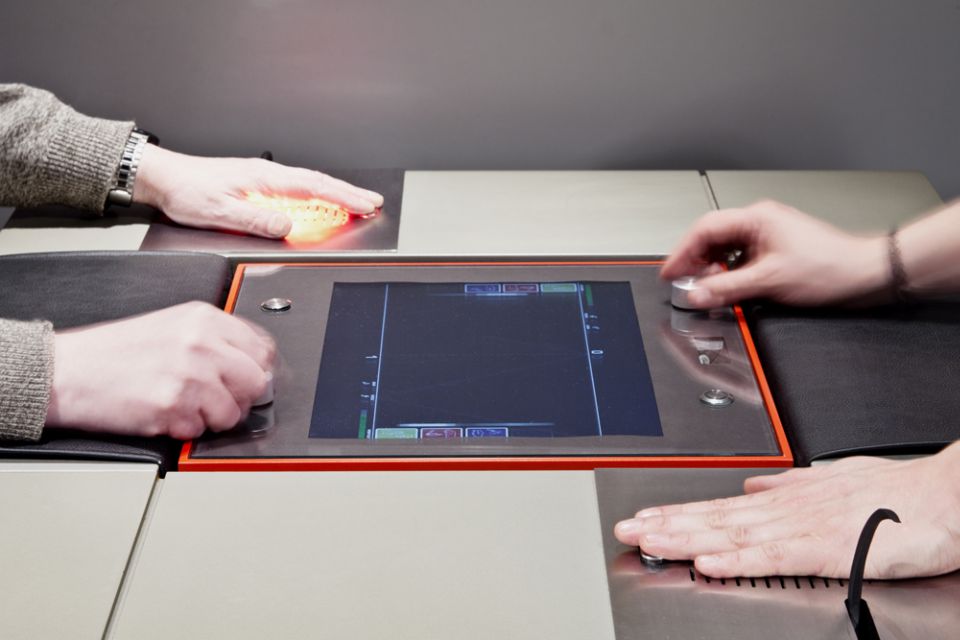
The heart of the museum is about milestones—big-name games and the tech that supported them. You’ll see highlights tracking how game design and hardware evolved over time, with famous titles named across the space (including Pacman, Bomb Jack, and Grand Theft Auto IV).
What I like about this setup is that it doesn’t treat gaming history like one long list. Instead, you walk through stages where you can connect the visuals you remember with the underlying hardware and controls that made those experiences possible.
A small drawback to keep in mind: the museum’s strongest pull leans more retro than modern, based on visitor impressions. If you’re mainly chasing very current games, you may find the focus hits harder on earlier eras.
The Wall of Hardware: seeing the generations side-by-side

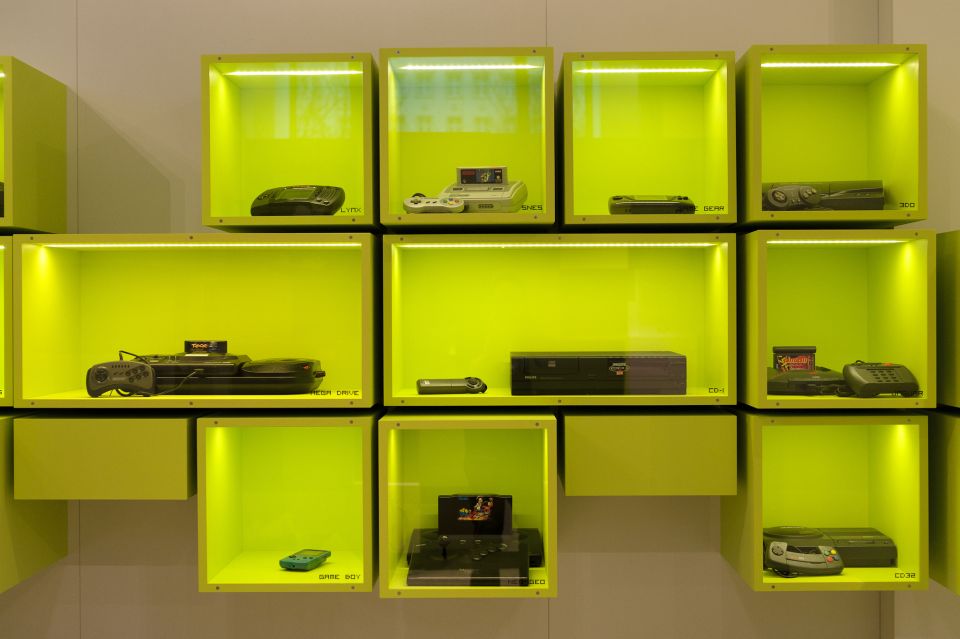
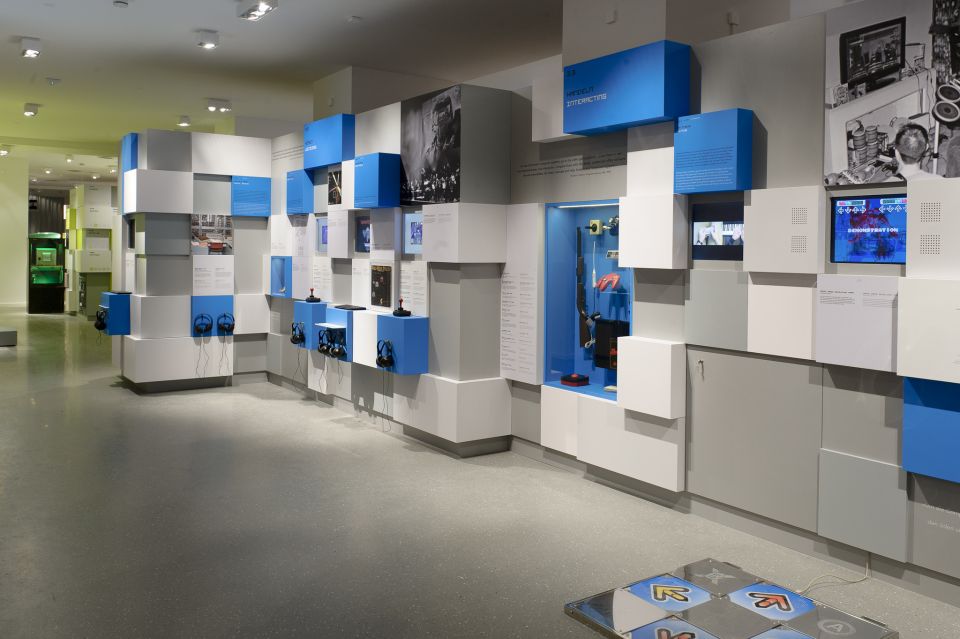
One of the most memorable sections is the Wall of Hardware. It’s built to show off machines from multiple generations, so you can spot what changed—how controls, screens, and design philosophies shifted as gaming spread beyond arcades.
The lineup you’ll encounter includes machines such as Commodore, Game & Watch, and PlayStation. That kind of clustering makes it easy to do a quick “memory scan,” even if you didn’t grow up with all of those systems.
If you’re traveling with kids, this is a great anchor area. It helps them understand that gaming didn’t just appear fully formed; it went through steps, and you can see those steps in physical form.
Hands-on play stations: why you’ll spend more time than you think
This museum earns its reputation because it’s built for play. You’re invited to interact with game experiences and physical contraptions across the galleries, including a lineup that ranges from older classics to more recent-style installations.
Several of the standout interactive pieces include:
- The Giant Joystick, a larger-than-life controller challenge
- PainStation, a high-attention game where missing balls triggers shocks/hits (yes, it’s that kind of challenge)
- A mix of dance and movement games, plus 3D-oriented stations
The practical takeaway: don’t plan your day like a checklist. Plan it like a loop. You’ll watch a station for a minute, then suddenly realize you’ve spent 30 minutes trying to beat your score.
You can also read our reviews of more museum experiences in Berlin




Classic arcade corner: Donkey Kong, Space Invaders, and waiting your turn
A short walk from the main exhibits sits a smaller amusement arcade with coin-operated machines. You can find classics such as Donkey Kong and Space Invaders here.
This part is genuinely fun even if you think you’ve outgrown the arcade style. The controls feel simple, but you get a real feel for why these games were addictive: short rounds, fast feedback, and clear skill-building.
The main consideration is crowding. The arcade area can be very popular, and you might have to wait to play. If you’re coming as a group with different ages, this is a good place to split roles: one person lines up while others explore nearby interactive stations.
Famous playable milestones: Pong and arcade-style legends
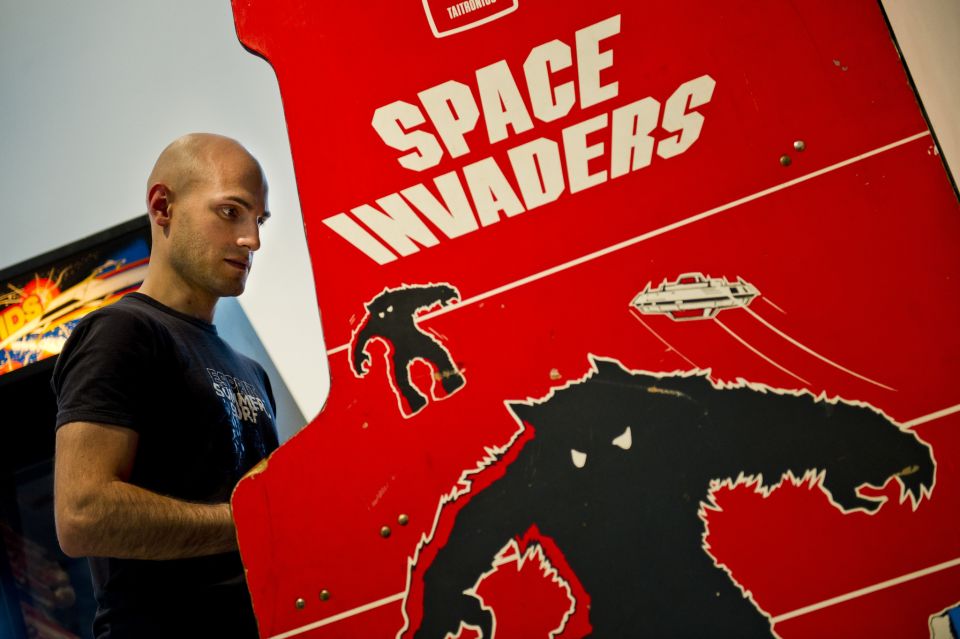
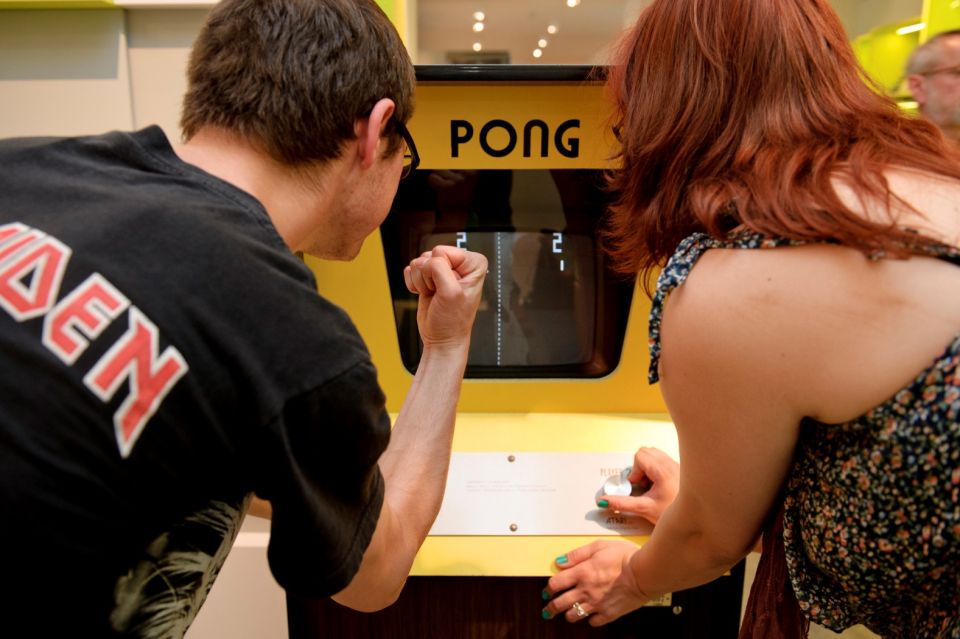
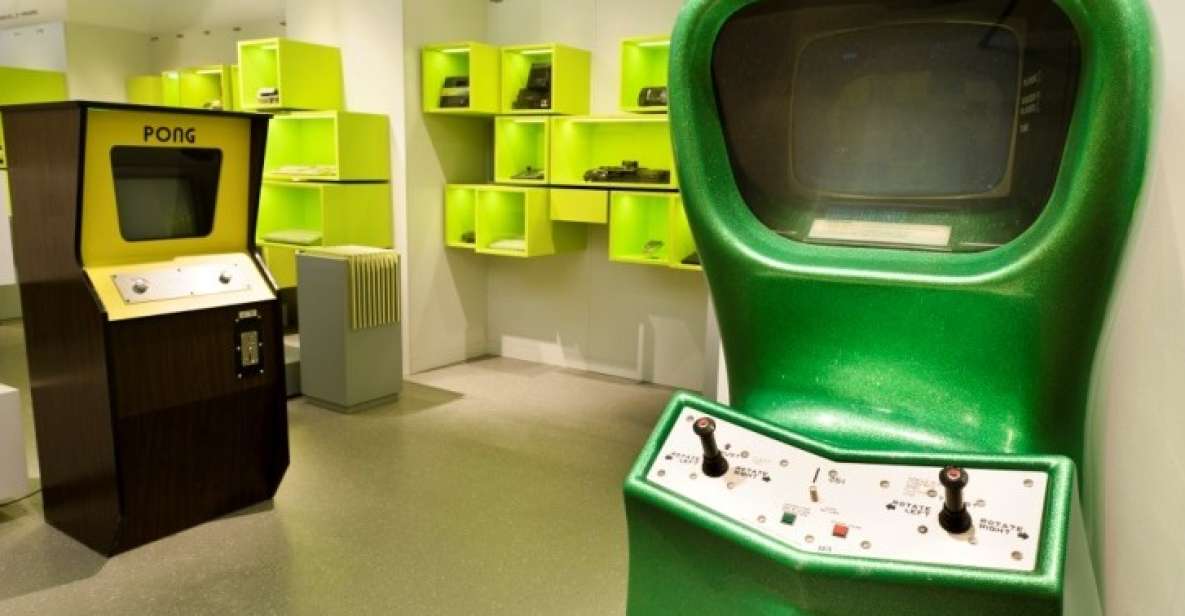
The museum prominently features Pong-era hardware and other recognizable legends, including a famous Pong arcade machine called out as a must-see. It’s not just there as a prop. The experience is set up so you can play and feel the difference between early gameplay logic and what came later.
That sense of contrast is the museum’s secret weapon. When you play something as basic as Pong, you start appreciating how later games added layers: more controls, more complexity, more ways to fail, and more reasons to keep going.
If you’re a serious gamer, you’ll also enjoy the museum’s “milestone” approach. It’s less about collecting and more about understanding how the medium grew.
3D games and handheld-era stops: big screens and the 3DS era
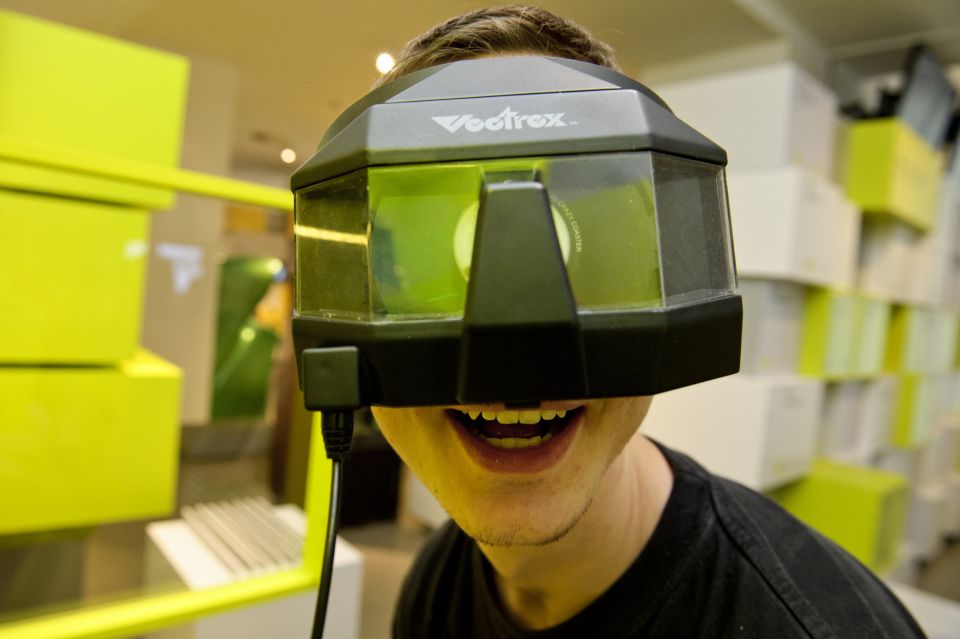
Another strong section focuses on 3D games. You can experience 3D gameplay on a 3D television, and you can also check out handheld-era systems such as the 3DS.
This works well for families because it’s not just retro nostalgia. It’s a bridge: you can compare earlier arcade-style play with the “depth” idea that arrived later and changed how games looked and felt.
Practical tip: if a 3D station is busy, move on and come back. These stations often draw steady interest, and the best plan is to keep your momentum rather than waiting in one spot for too long.
VR demos (if available): ask reception about timed access
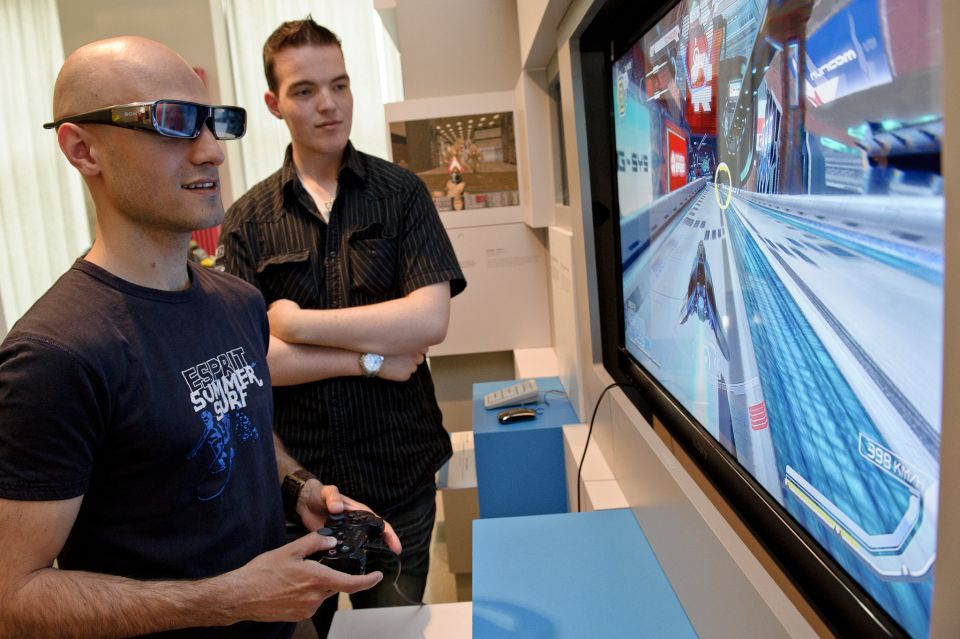
One helpful detail that comes up in the museum experience is that you may find VR demos running in a limited way. If VR is offered on the day you go, ask at reception about a free timed ticket for a specific VR demo.
This is worth doing because VR access can be the difference between a normal visit and a standout day. Just remember it’s time-based, so you’ll want to fit it into your own pacing rather than letting it control your whole schedule.
How long to plan for a one-day ticket
The ticket is for 1 day, and that’s accurate—most people underestimate how interactive the museum feels once they start playing.
A realistic planning range is a few hours at minimum, with time to return to popular stations. If you stop to read everything and also play multiple games, you can easily stretch longer.
If you’re short on time, I’d use a simple strategy:
- Hit the timeline and Wall of Hardware first, so you know what you’re looking at
- Save the most popular arcade/cabinet areas for the middle of your visit
- End with 3D and any special-exhibition focus
This approach helps you avoid the classic problem: spending your whole day chasing one cabinet while the rest of the museum becomes background noise.
Where the value shows: $22 and what’s actually included
At about $22 per person, this ticket can feel like excellent value if you like learning by doing. You get the permanent exhibition plus special exhibitions, and the core attractions are interactive—not just exhibit viewing.
What you don’t get: a guide is not included, and transfers aren’t included. If you like museum context, you might consider optional guided tours that exist on-site for an extra fee, but the museum is still workable without one because the interactive structure does much of the teaching for you.
The best way to judge value is to ask one question: do you want to play? If yes, the price makes sense. If you only want reading and photos, the experience might feel more like a fun arcade with history elements than a traditional museum.
Best for who: game fans, curious kids, and hardware nerds
This museum fits a wide range of people:
- Classic arcade fans who want their childhood controls back
- Parents and kids who can bond over actual game play
- Anyone who likes hardware design and tech evolution
- People who want a memorable, non-stuffy Berlin activity
One heads-up: expect family energy. The museum can be lively, with kids moving between stations. If you’re sensitive to noise or if your group includes younger children, keep an eye on hands and patience around shared machines.
Should you book the Computer Games Museum ticket?
Yes, if you want a Berlin activity that’s part museum and part play arcade. The combination of 300+ exhibits, hands-on stations like Pong and PainStation, and the Wall of Hardware makes it a strong value use of a day.
Book it if you’ll actually spend time at interactive areas and you care about how gaming tech changed. Skip it only if you mainly want very modern gaming content and near-silent galleries.
FAQ
How long is the Computer Games Museum Berlin ticket valid?
The ticket is valid for 1 day. You should check availability for starting times.
What’s included with the ticket price?
Your ticket includes entry to the permanent exhibition and the special exhibitions.
Is a guide included?
No. A guide is not included with this ticket.
What is the meeting point address?
Computer Games Museum Berlin, Karl-Marx-Allee 93a, 10243 Berlin.
How much does it cost?
The price is listed as $22 per person.
Is the museum wheelchair accessible?
Yes, the museum is wheelchair accessible.
Can I cancel for a full refund?
Yes. You can cancel up to 24 hours in advance for a full refund.
Is there an option to reserve and pay later?
Yes. You can reserve now and pay later to keep your plans flexible.