REVIEW · BERLIN
Small Group Walking Tour of East Berlin with a French Guide
Book on Viator →Operated by Vive Berlin Tours · Bookable on Viator
Cold War landmarks hit different on foot. This small-group East Berlin walk brings the story of division, surveillance, and eventual change into focus, with stops that put you right up against the Berlin Wall’s real-world impact. You’ll start at Potsdamer Platz, move toward a ghost S-Bahn station, then spend time at the Berlin Wall Memorial and finish at the East Side Gallery’s famous mural wall.
Two things I like a lot: the way the French-language guide explains what you’re seeing in plain, story-driven terms, and the fact that the route stitches together key locations—so you’re not bouncing between museums all day. One consideration: you’re covering a good chunk of walking in about 3 hours, and you’ll need to handle getting there on public transit yourself (transport isn’t included, and you’ll want a day card for zones AB).
In This Review
- Key Things I’d Prioritize on This Tour
- Starting at Potsdamer Platz: Where Two Eras Face Each Other
- Ghost Station Nordbahnhof: When a Train Platform Becomes a Symbol
- Berlin Wall Memorial on Bernauerstrasse: The Part You Can’t Ignore
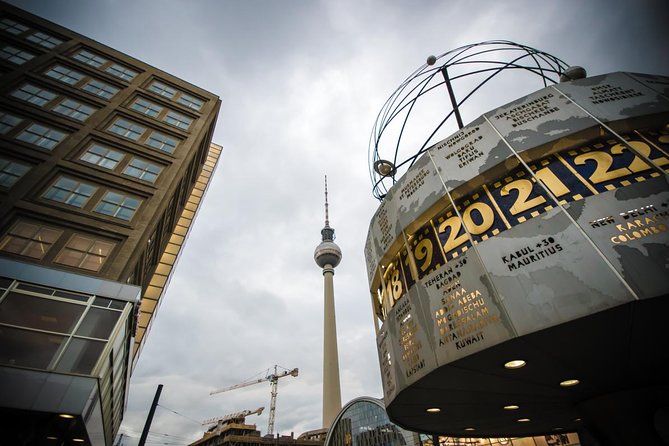
- Alexanderplatz: Socialist Power, STASI Pressure, and the Road to Collapse
- East Side Gallery: Art as a Later Voice on the Same Wall
- Price and Value: What $27.91 Really Buys You
- How French-Language Guidance Changes the Experience
- The Walking Reality: Wear Shoes and Plan Around Food
- Small Group Size: Why Max 25 Matters
- Who Should Book This East Berlin Wall Walk?
- Should You Book? My Take
- FAQ
- What language is this tour?
- How long does the walking tour last?
- How many people are in the group?
- Where does the tour start and what time is it?
- Where does the tour end?
- Is transportation included in the price?
- Are admissions included?
- Can I cancel and get a full refund?
- Are service animals allowed?
Key Things I’d Prioritize on This Tour
- Nordbahnhof’s ghost-station feel: you’ll pass a S-Bahn station that stayed closed for nearly thirty years after the Wall went up.
- Time at the Wall Memorial: you’ll stand by an original part of the death strip and hear about escape attempts and tunnels.
- Alexanderplatz through protest and repression: you’ll connect the socialist-era scene to the pressure of STASI control and the build-up to collapse.
- East Side Gallery’s mural punch: you get closure with 104 murals, including the Brezhnev–Honecker kiss image.
- Small group pacing: the tour caps at 25, which helps questions land and explanations feel personal.
- Guides with energy: I’ve seen specific praise for guides like Paul (friendly and pedagogical) and Stéphane (intense, told with drive).
Starting at Potsdamer Platz: Where Two Eras Face Each Other
Your morning begins at Potsdamer Platz, a spot that today feels like modern Berlin on the surface—yet it’s also tied to the city’s Cold War geography. Meeting at Potsdamer Platz 10 means you’re starting from an area with easy connections, and you can get your bearings fast before you start walking eastward.
I like this start because it frames the whole day. You’re not just collecting famous sights—you’re moving through Berlin’s space the way history forced people to move. The walk length is short enough to keep it lively, but long enough to create a real sense of “this is how the city sits on top of the past.”
Also, it’s a morning departure (10:00am). If you’re the type who likes to do the big thinking early and save later time for wandering, this timing helps.
You can also read our reviews of more walking tours in Berlin



Ghost Station Nordbahnhof: When a Train Platform Becomes a Symbol
One of the most striking early moments is the stop near Nordbahnhof via S-Bahn. This is where the Cold War stops being abstract. Nordbahnhof is remembered as one of the ghost stations that stayed closed for nearly thirty years after the Wall’s construction.
Why this matters: when transit infrastructure is cut off, it reshapes daily life. You can see how control wasn’t only about borders—it was also about routine. A closed station is a quiet kind of cruelty, because it turns a normal destination into a dead end.
In the real world, your eyes do the work first: you look at the station context and then the guide supplies the meaning. That call-and-response effect is why this early stop works well. It gives you a hook before the tour moves into the more intense Wall areas.
Berlin Wall Memorial on Bernauerstrasse: The Part You Can’t Ignore
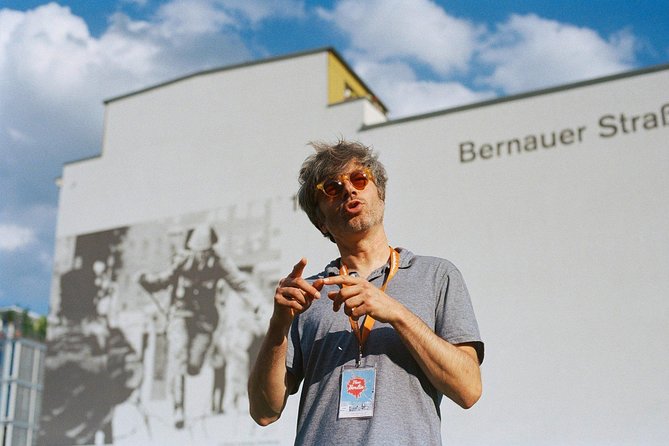
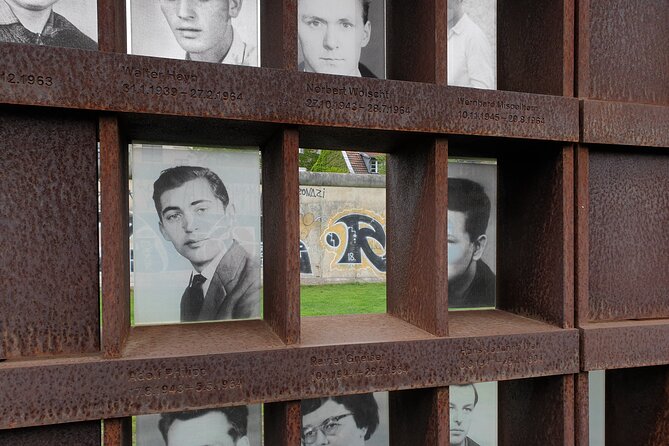
The emotional center of the tour is the Berlin Wall Memorial at Bernauerstrasse. Here you relive the trauma of separation by visiting an original section of the death strip—often described as no man’s land because it was a buffer where people had almost no safe options.
This isn’t a “photo and move on” stop. You get around 50 minutes here, which is long enough to absorb what the space is communicating. The guide talks about escape attempts and even tunnels dug for getting out. Those details add texture to the obvious fact that the Wall wasn’t just a barrier—it was a system. A system designed to stop people from leaving, and to discourage even thinking about escape.
If you’re sensitive to heavy topics, consider how you handle history that deals directly with loss. This stop is powerful, and it doesn’t soften the message. At the same time, it’s also the reason the tour feels worth it—because you’re not just learning facts; you’re standing in a place where the facts had consequences.
Alexanderplatz: Socialist Power, STASI Pressure, and the Road to Collapse
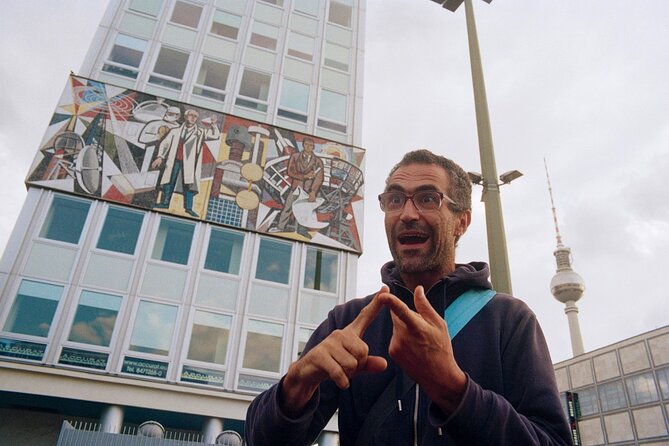
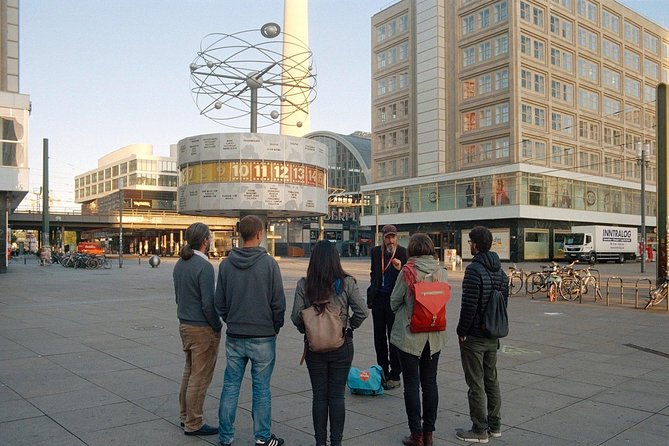
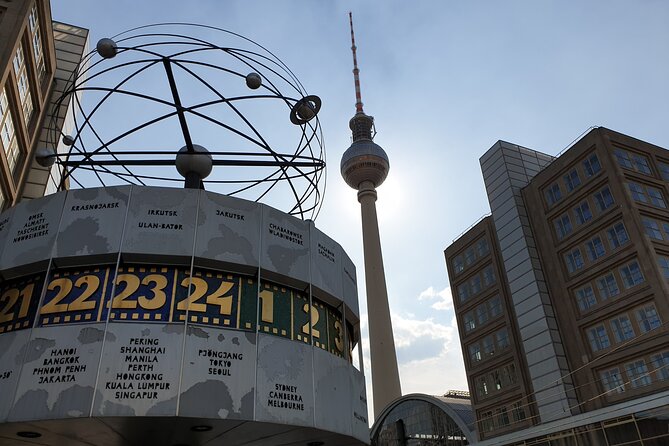
Next comes Alexanderplatz, a famous public square where Berlin’s political life played out in real time. You’ll be looking at representative buildings tied to socialist Berlin, and the guide connects the visual scene to the pressure people lived under.
What I like here is the cause-and-effect storytelling. The tour links the emotions of the crowds to the reality of STASI repression, and then to the sequence that led to the Wall’s collapse and the disintegration of the Soviet bloc.
This part works especially well if you’ve ever wondered how everyday people respond under surveillance. It’s not just about leaders and dates. It’s about demonstrations, fear, and the slow build of resistance until change becomes possible.
Timing is shorter at about 20 minutes, so you’ll want to listen closely rather than plan to do extended exploring. If you enjoy quick, focused stops tied to clear explanations, Alexanderplatz fits the format.
East Side Gallery: Art as a Later Voice on the Same Wall
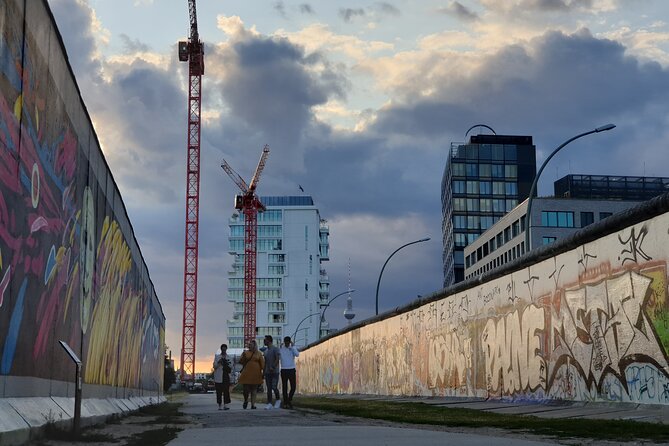
The walk ends at the East Side Gallery, the most famous painted stretch of the Berlin Wall. You’ll finish with about 15 minutes here, and the focus is on the 104 murals that turn a former border into a public art conversation.
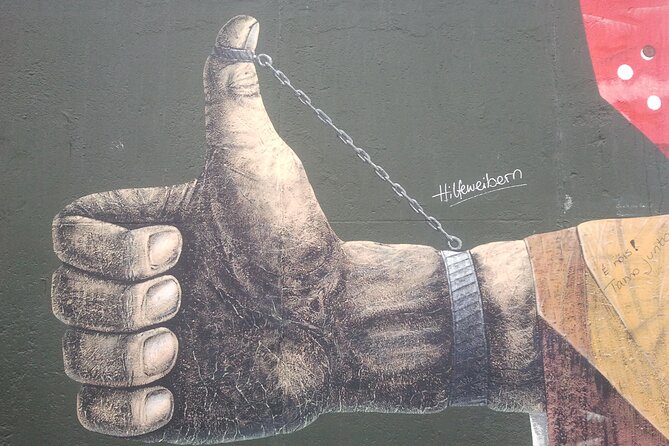
One detail you’ll hear that helps anchor the whole place is the now-famous image of the kiss between Brezhnev and Honecker. The gallery is colorful, but the background isn’t. The guide’s framing matters: you’re not just seeing street art—you’re seeing how the Wall’s meaning shifted after the Wall fell.
In practical terms, this finale gives you something to do with your eyes after the heavier memorial segment. It’s a short wrap-up, not a long hangout, but it’s a good way to cap the tour. You leave with a final picture that’s easy to remember and easy to connect back to the earlier stops.
You can also read our reviews of more guided tours in Berlin





Price and Value: What $27.91 Really Buys You
At about $27.91 per person, this tour is priced like a budget walking experience—yet it covers a lot of ground in just around three hours. The biggest value piece isn’t only the sites. It’s that the essentials are handled for you: you get a local guide and local taxes are included, and the listed admissions for the stops you visit are free.
That combination matters because it reduces friction. You’re paying for interpretation and time, not for individual attraction tickets one by one.
The main trade-off is transportation. Getting to and from the route is on you. You’ll need a public transportation day card for zones AB. If you already plan to use Berlin transit anyway, this is easy to absorb. If you’re only planning one quick ride, it might feel like an extra layer. Either way, the tour format is designed to be taken by walkers, not driven by tour buses.
How French-Language Guidance Changes the Experience
The tour is led by a French-speaking guide. That’s not a small detail. It shapes the entire feel of the walk—especially at the Wall Memorial and the STASI-era explanation at Alexanderplatz. If you’re comfortable catching key points in French, you’ll probably feel like you’re getting a “behind-the-scenes” version of the sites.
Even if your French is limited, the tour still has structure: landmarks act like signposts. The guide ties each stop to a story, so you’re not left staring at plaques and guessing. And the praise for the guides—like Paul being friendly and pedagogical, or Stéphane telling the story with drive—suggests the narration stays clear and directed, not vague.
So think of this as a history walk with interpretation. If you prefer audio headsets and self-guided pacing, you may find a guided pace more rigid. If you like explanations that steer your attention, the French format can be a plus because it forces focus.
The Walking Reality: Wear Shoes and Plan Around Food
This is a walking tour with a moderate physical fitness level requirement. That means you should be ready for steady strolling and standing time, including at the Wall Memorial where you’ll spend a good stretch of time.
A practical note: food and drinks aren’t included. If you want a café break, plan it before you go or after the tour ends. The good news is the route length makes that realistic—three hours doesn’t swallow the whole day.
Also, because the tour ends at a different location (near nextbike BerlinJelbi at Mühlenstraße / Straße der Pariser Kommune), you’ll want to have your onward transport lined up in your head. The closer you can keep the rest of your day’s plan to the city center, the smoother the transition feels.
Small Group Size: Why Max 25 Matters
With a maximum group size of 25 travelers, you’re not getting lost in a crowd. You’ll be able to hear the guide over background noise, and questions have a better shot at being answered.
This kind of group size is also helpful at emotionally heavy stops. At the Berlin Wall Memorial, it’s better when the group moves as a unit and listens rather than wandering in a loose pack. The memorial setting rewards attention.
In short: this isn’t a big-coach production. It’s a walk designed to keep the group together long enough for the stories to stick.
Who Should Book This East Berlin Wall Walk?
This tour is a good match if you want:
- a Cold War storyline you can follow site by site
- a guided route that connects memorial facts to political life
- a walk that feels more personal than museum time
- French guidance from people who have earned praise for clarity and energy
It might not be the best fit if you strongly prefer self-paced exploration, or if walking three hours is a stretch for you. The Wall Memorial segment is also intense in theme, so if heavy history affects you strongly, go into it with the right expectations.
Should You Book? My Take
I’d book it if your goal is to understand East Berlin beyond headlines. The best part is the sequence: a ghost station that hints at enforced change, a Wall Memorial that explains escape attempts and the death strip reality, then Alexanderplatz and the STASI pressure that helps explain how the Wall eventually fell. The finale at the East Side Gallery gives you a memorable visual echo.
If you’re traveling with limited time, this kind of focused, walking-based format offers strong value for the money. Just plan your transit day card zones AB, wear comfortable shoes, and be ready for one stop that doesn’t shy away from the hardest parts of the story.
FAQ
What language is this tour?
The tour is guided in French by a local guide.
How long does the walking tour last?
It lasts about 3 hours.
How many people are in the group?
The group size is capped at a maximum of 25 travelers.
Where does the tour start and what time is it?
It starts at Potsdamer Platz 10, 10785 Berlin at 10:00am.
Where does the tour end?
The tour ends near nextbike BerlinJelbi Mühlenstraße / Straße der Pariser Kommune (FHA/MU), 10243 Berlin.
Is transportation included in the price?
No. You’ll need public transportation to reach the stops. The guidance mentions a day card for zones AB.
Are admissions included?
The information provided says the admissions for the stops you visit are free, and the tour includes local taxes.
Can I cancel and get a full refund?
Yes. Cancellation is free up to 24 hours in advance for a full refund.
Are service animals allowed?
Yes, service animals are allowed.