REVIEW · BERLIN
Private Cold War Berlin: Espionage, Berlin Wall, a Divided City
Book on Viator →Operated by Insider Tour Berlin · Bookable on Viator
Berlin sounds calm today. It wasn’t then.
This private walking tour strings together the places where the Berlin Wall and Cold War espionage shaped daily life—Memorial of the Berlin Wall at Bernauer Strasse, the Tränenpalast on Friedrichstrasse, Stasi sites, and key border-crossing history. I love that it focuses on stories that connect events to real people, not just dates and slogans, and I also like the private, guide-led format that makes it easier to ask questions as you walk. The one thing to consider is simple: this is an active, all-weather walking route, so comfortable shoes and a plan for moving for a few hours matter.
What you’re really buying for the price is access to a guided route that turns Berlin’s “history stops” into a readable storyline. It runs about 3 to 4 hours, includes hotel pickup and drop-off, and the stops listed are free to enter (so you spend your money on the guide, not admissions). If you get a guide like Tina or Toni, expect calm, story-first teaching—plus at least one guide in recent experiences has been able to accommodate physical limitations, so it’s worth sharing your needs ahead of time.
In This Review
- Quick hits before you book
- A private Cold War route across Berlin’s real-life divide
- Timing, hotel pickup, and walking reality (3 to 4 hours)
- Memorial of the Berlin Wall at Bernauer Strasse: escape tunnels and human stakes
- Tränenpalast on Friedrichstrasse: farewells, then espionage
- East Side Gallery: when the Wall becomes a public canvas
- Stasimuseum: surveillance as a system, not a rumor
- Checkpoint Charlie: standoffs, spy exchanges, and world-level pressure
- Prenzlauer Berg at Fröbelstraße: NKVD, then Stasi prisons
- Alexanderplatz and the November 4, 1989 protest that changed everything
- Guide style that keeps the tone human (Tina, Toni, and calm storytelling)
- Price value: what $191.44 buys in Berlin
- Who should book this private Cold War Berlin tour
- Should you book Private Cold War Berlin?
- FAQ
- FAQ
- How long is the Private Cold War Berlin tour?
- What does it cost per person?
- Does this tour include hotel pickup and drop-off?
- Is it a walking tour, and is it suitable for most travelers?
- Are admission tickets included for the stops?
- Is this tour private or shared with other people?
- What language is the tour offered in?
- Are food and drinks included?
- Does the tour run in bad weather?
Quick hits before you book
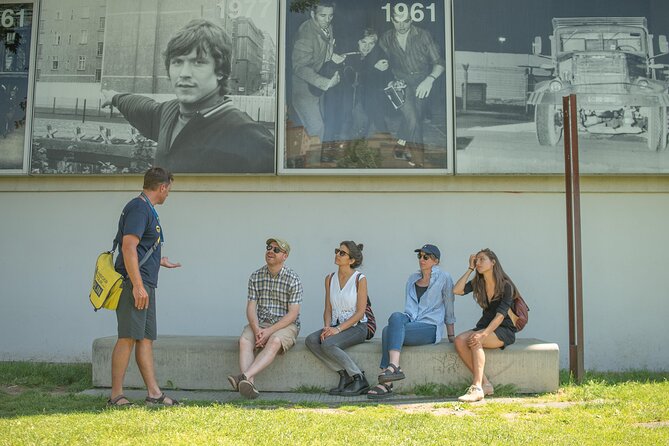
- Hotel pickup and drop-off included, so you’re not hunting meeting points between sites
- 3 to 4 hours of walking built around major Cold War locations, from Wall memory to Stasi methods
- Free admission listed for each stop, which helps the value pencil out
- Cold War espionage isn’t theoretical here—you see border crossings and prison history in context
- Guides tell it like a story, with examples including Tina and Toni bringing the lived experience to life
- All weather operation, so dress for the day, not the forecast
A private Cold War route across Berlin’s real-life divide

Berlin during the Cold War wasn’t just political. It was physical. It was street corners, watchtowers, checkpoints, and families learning how to say goodbye without knowing if they’d ever see each other again.
On this private walking tour, the route matters. You start at the Berlin Wall memorial area, move through border-crossing and spy-linked sites, then end in neighborhoods tied to Soviet and East German repression. By the time you reach places like Stasimuseum and the Stasi/NKVD prison history sites, the story clicks: surveillance and control weren’t abstract tools. They were daily systems, and people reacted to them with fear, strategy, and courage.
This format is best for people who like history that you can walk through. If you prefer reading museums only, you might find the streets-and-signage part less comfortable. But if you want the geography to make sense, this route does that job.
You can also read our reviews of more city tours in Berlin

Timing, hotel pickup, and walking reality (3 to 4 hours)

The tour runs about 3 to 4 hours, and it’s designed as a walking experience, not a sit-and-watch tour. That’s why the provider describes it as best for active travelers. You’ll cover multiple stops, and each one is short enough to keep momentum, but long enough for your guide to explain what you’re seeing and why it matters.
The big practical win: hotel pickup and drop-off are included. That saves time and stress, especially in Berlin where neighborhoods can feel far apart even when they’re not. You also get a mobile ticket, which makes day-of logistics easier.
One more practical point: food and drinks aren’t included. You’ll want to plan a snack or water before you start, especially since you’re out for part of the day. And because it runs in all weather, wear layers. Berlin can go from decent to chilly fast, and you’ll be outside between sites.
Memorial of the Berlin Wall at Bernauer Strasse: escape tunnels and human stakes

Your first stop is the Memorial of the Berlin Wall at Bernauer Strasse, one of the most emotionally direct places to start. A preserved section of the Wall sits alongside the Chapel of Reconciliation, turning the area into more than a photo-op. Your guide will explain how this part of the Wall became tied to Cold War tension and the lived pain of separation.
This is where the escape-story thread comes in. You’ll hear about Tunnel 57 and Tunnel 29—underground passageways used by East Berliners to flee to the West. The details matter: Tunnel 29 is described as leading 29 people to freedom in 1962. That number isn’t just trivia. It gives you a sense of how organized and determined people were, even when the risk was extreme.
Possible drawback at this stop: it’s an active story site, and the tone can get heavy. If you’re someone who prefers lighter historical themes, plan for a more serious start. Still, if you want Berlin’s Cold War to make sense, this is the right first chapter.
Expect around 40 minutes here, which is enough time to understand the Wall’s physical logic and the courage behind the escapes.
Tränenpalast on Friedrichstrasse: farewells, then espionage

Next you’ll visit the Tränenpalast (Palace of Tears), a former border crossing at Friedrichstrasse. The name is the clue: this place is tied to emotional farewells, with East Berliners saying goodbye to loved ones as they crossed into West Berlin. The tour’s value here is how the site connects heartbreak to procedure—because border controls were not just locations. They were mechanisms.
Then your guide adds another layer: the Tränenpalast also played a role in espionage. It’s described as a hotspot where spies attempted to cross between East and West, using clever tactics to avoid detection. That contrast—family goodbyes beside intelligence work—creates a clearer picture of why the border mattered so much to both sides.
Today, the building houses a museum covering the Berlin Wall, border control practices, and spy networks. The stop is listed at about 20 minutes, which means you won’t get lost in exhibits, but you’ll still leave with a better sense of how the system worked and why people tried to outsmart it.
East Side Gallery: when the Wall becomes a public canvas

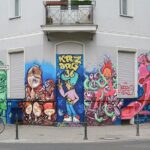
After the heavier sites, the tour moves to the East Side Gallery, a roughly 1.3 km stretch of the Wall turned into an open-air art gallery. When the Wall fell in 1989, artists from around the world painted murals on surviving sections. On this tour, you’ll learn the background behind key murals and what the artists were trying to say—often messages of hope and change after reunification.
I like this stop because it shows that Berlin didn’t just preserve the Wall’s memory. It also transformed its meaning. The Wall is still a warning about division, but the public art approach gives you a more modern lens on how Berliners process the past.
This stop is listed at about 20 minutes. That’s enough to walk and listen without turning it into an art lecture. If you’re in a hurry later on, you’ll probably want to come back for a longer look, but as part of a Cold War storyline, the timing works well.
You can also read our reviews of more private tours in Berlin

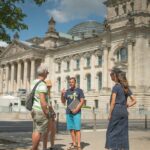
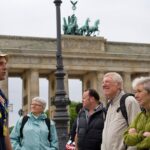

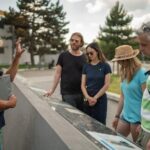
Stasimuseum: surveillance as a system, not a rumor

Now you shift from border stories to the machinery behind control. The tour stops at the Stasimuseum, the former Stasi headquarters. This is where you’ll understand the scale of surveillance in East Germany: a network of spies and informants, plus methods used to monitor and suppress dissent.
Your guide will walk you through what the museum shows, including tools and tactics like hidden cameras and wiretapping. The tour also highlights how everyday citizens could be pulled into the system, and how that affected families—through interrogation, harassment, and intimidation.
If you want a memorable takeaway, it’s this: the Stasi wasn’t just about catching enemies. It was about shaping behavior through fear and uncertainty. That’s why the site can feel unsettling even when the exhibits are straightforward.
The stop is listed at about 25 minutes, which is a good length for absorbing the big picture without leaving exhausted.
Checkpoint Charlie: standoffs, spy exchanges, and world-level pressure

Next up is Checkpoint Charlie, one of the most iconic Cold War crossing points between East and West Berlin. Your guide will set the scene as a symbol of division between the communist East and democratic West.
This stop gets especially tense in context. You’ll hear about standoffs between American and Soviet forces, with emphasis on the Berlin Crisis of 1961 when the Wall was erected. It’s also tied to escapes and spy exchanges, which helps connect the location to the broader espionage theme of the tour.
At this stop, you’re also pointed toward the museum at the site, where exhibits cover espionage, escapes, and Cold War history. The listed time is about 15 minutes, so think of it as a guided orientation that gives you a framework. If you want to read deeper on your own after, you’ll know what to look for.
A practical consideration: Checkpoint Charlie is a busy, tourist-heavy area in general. The tour’s value is that your guide helps you cut through the postcards and focus on the actual tension that took place there.
Prenzlauer Berg at Fröbelstraße: NKVD, then Stasi prisons

After the big-name crossing sites, you’ll head into the quieter, more chilling history of Prenzlauer Berg, specifically the corner at Fröbelstraße. This area is linked to both Soviet and East German repression, starting with the NKVD prison after WWII.
Your guide will explain how that prison held political detainees, people suspected of being spies, and those labeled as enemies of the state. Later, once the GDR was formed, the prison was taken over by the Stasi, extending the legacy of surveillance and punishment.
This stop works because it shows continuity. Different regimes, similar methods: detention, silence, control. It’s also a chance to hear stories of bravery and resistance in the same physical spaces used to trap and intimidate people.
Time here is listed at about 15 minutes. That’s short, but the context your guide provides helps the place make sense quickly without skipping the key ideas.
Alexanderplatz and the November 4, 1989 protest that changed everything
Finally, you end at Alexanderplatz, where Cold War tension and political control played out on a large public stage. Your guide will highlight the November 4, 1989 protest, described as drawing over half a million East Berliners demanding change. In tour terms, it’s the turning-point atmosphere: people acting collectively, not just escaping individually or surviving quietly.
You’ll also connect the square to East German symbolism, including the Television Tower (Fernsehturm) and the Red City Hall, tied to GDR leadership. And since Stasi surveillance is a recurring thread, you’ll hear how this area was part of their attention and how repression and peaceful resistance coexisted here.
This stop is listed at about 15 minutes. It’s a strong ending because it pulls the story forward from control to change. You leave with a sense that Berlin’s division wasn’t only enforced—it was also challenged until it broke.
Guide style that keeps the tone human (Tina, Toni, and calm storytelling)
A Cold War tour can turn into an overload of facts. What makes this one work is the guide approach. The experience description is built around story and interpretation, and the guide-led format is where you get the most value.
In the feedback you provided, guides like Tina and Toni are specifically praised for storytelling and a calm, informative tone. Tina is noted as a natural storyteller with a strong ability to share lived Cold War experiences from both East and West Germany. Toni is described as having a calm, educational style, with added insight because he was a child during the Cold War.
There’s also a practical note that matters: one guide has accommodated physical limitations in a way that still allowed the tour to feel complete. That doesn’t mean you should assume every stop is effortless, but it does mean communicating your needs can help your guide pace things appropriately.
Price value: what $191.44 buys in Berlin
At $191.44 per person, this is not a cheap “walk by the sights” tour. But it’s built like a private experience with real structure. You get hotel pickup and drop-off, a professional guide, and a private format where only your group participates.
Value also comes from the listed free admission for each stop. That doesn’t mean every stop is all museum time. It means you’re not stacking extra costs just to access the places that support the narrative.
A helpful way to judge value: compare what you’d spend if you tried to DIY this route with the same level of context. You’d still need to figure out where to stand, what to prioritize, and how to connect Tunnel 29, border-crossing trauma, Stasi surveillance tactics, and Alexanderplatz protests into one coherent story. The guide does that mental linking for you.
This tour is especially worth it if you want to understand the “how” and “why,” not just “what happened.”
Who should book this private Cold War Berlin tour
This is a great fit for you if:
- You want a structured route through major Berlin Wall and espionage sites in a single outing
- You like active walking tours and can handle multiple stops in one session
- You’re a first-timer who wants the Cold War story in order, or a return visitor who wants deeper context
- You want the human side, not just monuments
It may be less ideal if:
- You have trouble with walking or long outdoor segments and prefer mostly indoor time
- You want food included, since this tour doesn’t include meals or drinks
- You prefer a lighter, less intense historical tone
Should you book Private Cold War Berlin?
Yes, if your goal is to understand Berlin’s Cold War era as a connected story. The route covers the Wall’s memory at Bernauer Strasse, the emotional and spy-linked border crossing at Tränenpalast, the Stasi surveillance system at Stasimuseum, and the public turning point at Alexanderplatz. For $191.44, the included pickup/drop-off and the guide-led narrative make the price feel more like a decision, not just a ticket.
If you book, bring shoes you trust, dress for weather, and consider eating beforehand. And if walking is a question for you, message your needs early—guides here have shown they can accommodate physical limitations.
FAQ
FAQ
How long is the Private Cold War Berlin tour?
It lasts about 3 to 4 hours.
What does it cost per person?
The price is $191.44 per person.
Does this tour include hotel pickup and drop-off?
Yes. Hotel pickup and hotel drop-off are included.
Is it a walking tour, and is it suitable for most travelers?
Yes, it is a walking tour, and it’s described as best suited to active travelers. It also says that most travelers can participate.
Are admission tickets included for the stops?
The tour lists admission tickets as free for the stops included.
Is this tour private or shared with other people?
It’s private, meaning only your group participates.
What language is the tour offered in?
It’s offered in English.
Are food and drinks included?
No. Food and drinks are not included.
Does the tour run in bad weather?
Yes. It operates in all weather conditions, so dress appropriately.