REVIEW · BERLIN
Explore Berlin Tour: History and Highlights
Book on GetYourGuide →Operated by Birchy's Berlin Tours · Bookable on GetYourGuide
Berlin can feel like it tells 10 different stories at once. This walking tour helps you sort them out fast, with a history guide who connects the dots across centuries.
I especially like how this route hits major landmarks in a tight time window, including the Brandenburg Gate, the Reichstag, and Museum Island. I also like the way the tour treats Berlin as a timeline, moving from medieval beginnings to division and re-unification, with stops tied to World War 1 and World War 2—and the Berlin Wall era.
One heads-up: if your group moves at a lecture pace, you may end up wanting more time for photos or wandering. If you’re the kind of person who stops constantly (totally fair), just plan to request a quick breather when the guide pauses.
In This Review
- Key Highlights You’ll Actually Use
- Starting Outside Hopfingerbräu: The Easy, Central Meeting Point
- Brandenburg Gate and the Reichstag: Power, Politics, and What the City Still Shows
- Holocaust Memorial and Hitler’s Bunker: Moving Carefully Through Berlin’s Darkest Story
- The German Finance Ministry and Topography of Terror: Where Systems and Crimes Meet
- Checkpoint Charlie and Gendarmenmarkt: Cold War Tension to Elegant Berlin
- Bebelplatz and Unter den Linden: Books, Power Lines, and a Royal Avenue Feeling
- Museum Island: Ending With a Place That Shows What Berlin Chose to Build
- Price and Value: What $31 Buys in 3 Hours
- Pace, Photo Time, and Group Feel: The One Trade-Off to Know
- Who This Tour Fits Best (and Who Might Want a Different Plan)
- Should You Book? My Decision Advice
- FAQ
- How long is the Berlin History and Highlights walking tour?
- Where does the tour start?
- Is there a live guide?
- Which major sights are included?
- Is food or drinks included?
- How much does it cost?
- Is the tour wheelchair accessible?
- Can I cancel for a refund?
- Does the booking offer reserve & pay later?
Key Highlights You’ll Actually Use
- One route, many eras: Prussia through World War 1, World War 2, and Berlin’s division and re-unification.
- Long-stay sites, not just snapshots: You’ll spend meaningful time around key landmarks (often 15–20 minutes each).
- Hard history included: Holocaust Memorial, Topography of Terror, and sites tied to Hitler’s bunker and Cold War tensions.
- Cold War geography on foot: Checkpoint Charlie and nearby historic central-area landmarks.
- A guide who adjusts to the group: One guide (Al) was praised for tailoring explanations to people in the group.
- English-language live guiding: Easy to follow, with time to track where you are in the story.
Starting Outside Hopfingerbräu: The Easy, Central Meeting Point
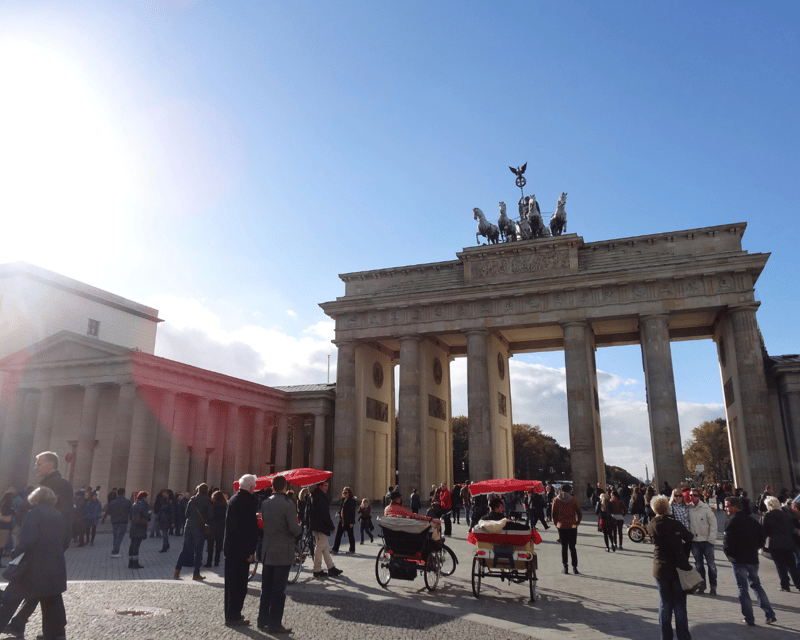
You’ll meet at Ebertstraße 24, outside Hopfingerbräu—right next to the Brandenburg Gate. That location matters. It means you can start strong instead of spending the first part of your trip hunting for a meeting spot in a big city.
This is a walking tour, so you’ll also feel the rhythm of the route right away. Berlin’s central streets are built for getting from one sight to another, and this tour is set up to do exactly that: move from landmark to landmark while the guide keeps the history flowing.
Practical tip: show up a bit early, especially if you’re meeting a guide in a busy spot. One past participant noted the guide wasn’t easy to spot, so don’t wait until the last minute.
You can also read our reviews of more historical tours in Berlin



Brandenburg Gate and the Reichstag: Power, Politics, and What the City Still Shows
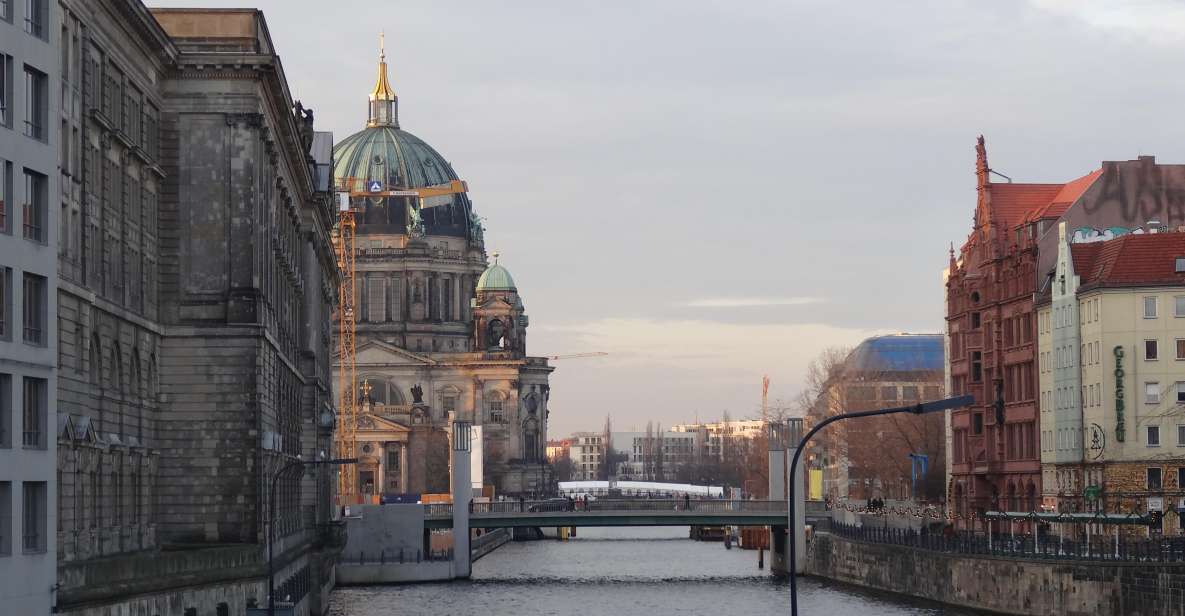
The tour begins with a guided stop at the Brandenburg Gate (about 20 minutes). Even if you’ve seen photos before, being there in person hits differently. This is one of those places where the stone and the symmetry feel tied to state power—then the guide helps you understand why Berlin keeps re-reading this same landscape through different regimes.
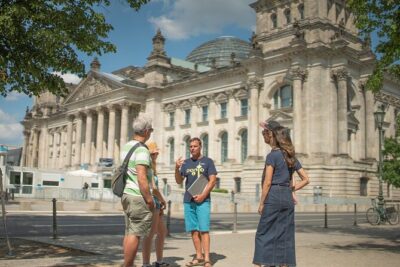
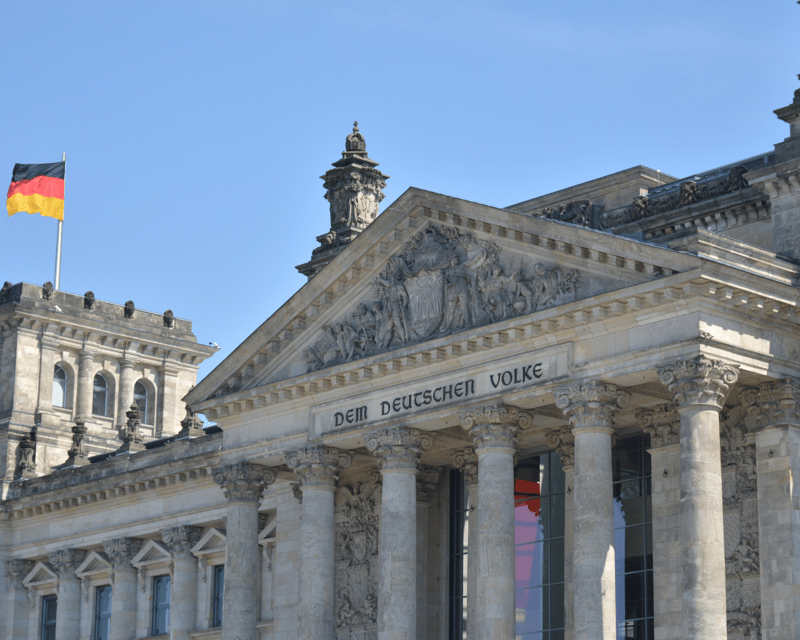
Next is the Reichstag area (about 20 minutes) for sightseeing. The important thing here isn’t just seeing the building. It’s what the guide does with it: connecting politics, conflict, and how the city’s role changes over time. You end up with a mental map for why Berlin is so often discussed in European history class, not just travel brochures.
You also learn a useful travel skill on this leg: how to move around the city and read the geography. Berlin is big, but the center is coherent, and a good guide helps you avoid feeling like you’re wandering in circles.
Holocaust Memorial and Hitler’s Bunker: Moving Carefully Through Berlin’s Darkest Story
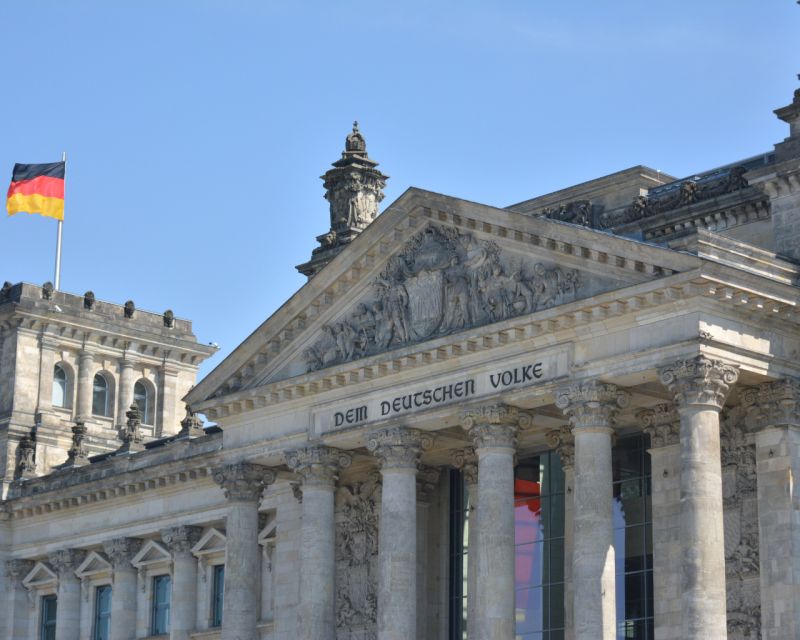
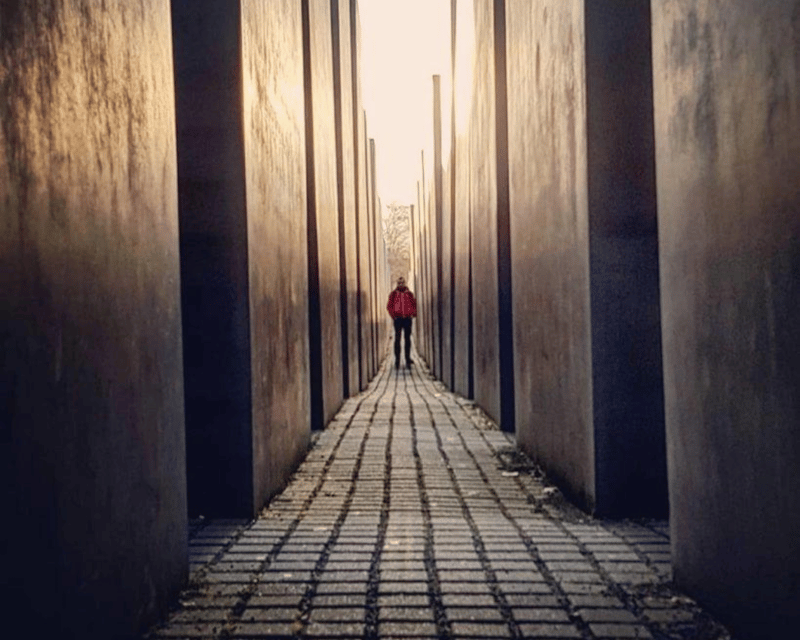
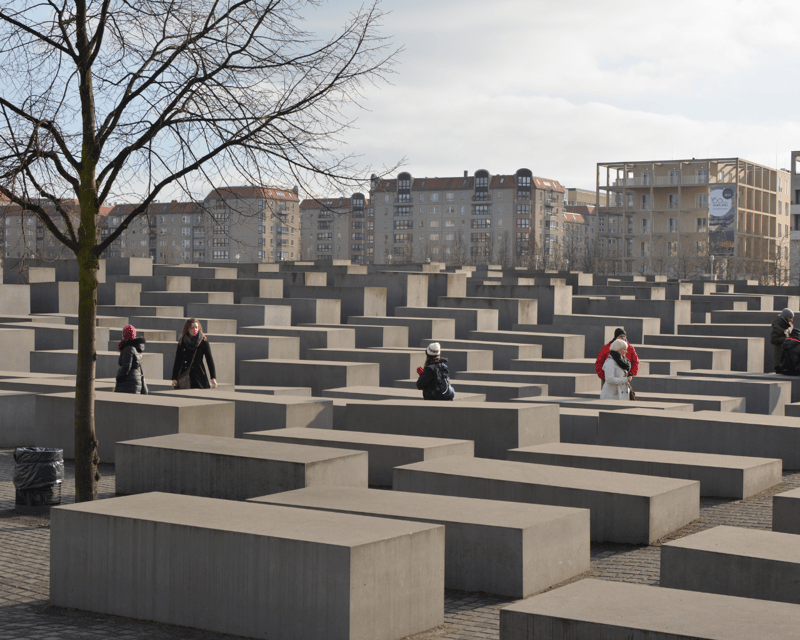
Then the tour turns serious at the Holocaust Memorial (about 15 minutes). This isn’t framed as a quick stop-and-go. The guide’s job here is to help you understand what you’re looking at and why it matters in the larger Berlin narrative the tour is building.
After that you’ll visit Hitler’s Bunker (about 15 minutes) for sightseeing. This is one of the hardest stops on the route—because you’re walking through a city where the past still has physical references. A guide helps here by grounding the site in history rather than letting it turn into trivia.
One consideration: this section requires emotional patience. If you’re someone who likes distance from heavy topics, you might want to mentally prepare before you go. The upside is that the tour doesn’t treat these places as optional extras—it places them where they belong, in the sequence of what Berlin went through.
The German Finance Ministry and Topography of Terror: Where Systems and Crimes Meet
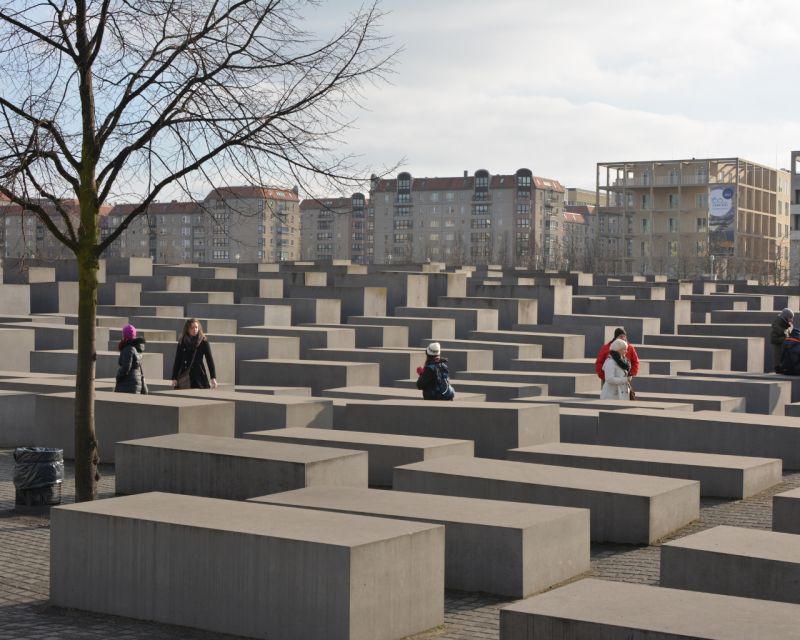
Next you’ll spend time at the German Finance Ministry (about 15 minutes). It may not sound dramatic at first, but that’s the point. Berlin’s political and economic power isn’t separate from the darker chapters. When the guide places this stop in the timeline, you start seeing how institutions shape what happens next.
After that comes Topography of Terror (about 20 minutes) with guided time. This stop usually gives you the clearest sense of the mechanisms behind the violence. Instead of treating history as a series of dates, you get a bigger view of how policies and actions connected.
If you’re hoping for a purely scenic walk, you won’t get that here. But if you want Berlin to make sense as a city where history isn’t buried, this is one of the tour’s strongest parts.
Checkpoint Charlie and Gendarmenmarkt: Cold War Tension to Elegant Berlin
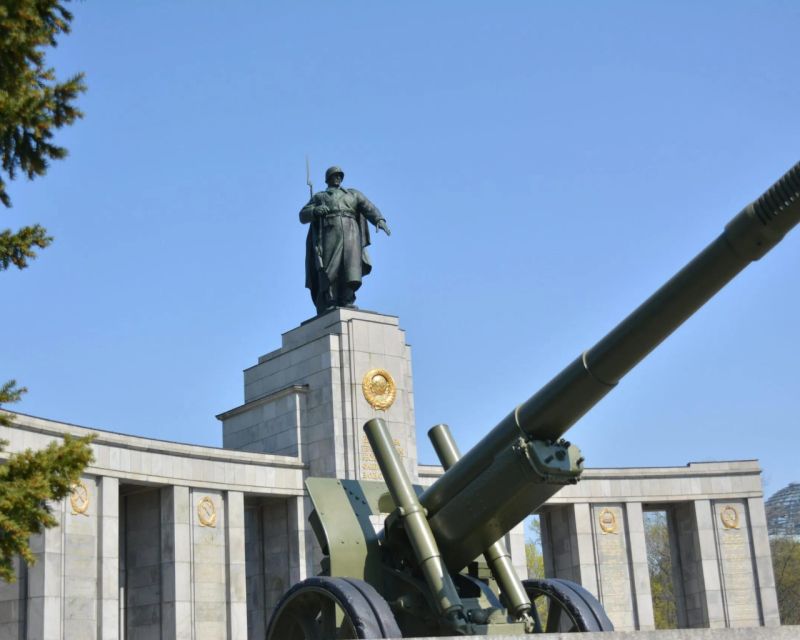
One reason Berlin is so compelling is that you can stand in one area and feel two different centuries talking to each other. The tour leans into that idea.
You’ll hit Checkpoint Charlie (about 20 minutes) with guided time. This area symbolizes the Cold War in a way that’s easy to grasp from street level. The guide helps you understand why this site became such a global symbol of division—and how that fits into the tour’s bigger timeline of Berlin’s separation and later reunification.
Then you’ll shift to Gendarmenmarkt (about 15 minutes) for guided time. This is a contrast stop, and it works. You get a reminder that Berlin wasn’t only about conflict. It also has monumental civic design, cultural spaces, and architecture that feels built for public life. Having this shift after Checkpoint Charlie helps the story stay balanced rather than all gloom all the way through.






Bebelplatz and Unter den Linden: Books, Power Lines, and a Royal Avenue Feeling
Next is Bebelplatz (about 15 minutes) with guided time. The value of this stop is not just the square itself. It’s the way the guide uses it to show how ideas—and repression—play out in physical space.
After Bebelplatz, you’ll walk along Unter den Linden (about 20 minutes) for guided time. This is a major central avenue, and it’s famous for a reason. Walking it with a guide gives you context for why Berlin grew in the direction it did and how its most important public routes connect to politics, culture, and power.
Practical note: you’ll likely want to keep your phone charged here. This is the part where you’ll see plenty of photo opportunities, and you’ll appreciate having a bit of control over your pace.
Museum Island: Ending With a Place That Shows What Berlin Chose to Build
Finally, you reach Museum Island (about 20 minutes) for sightseeing. The tour closes here for a reason: it’s a fitting finish after the tour’s heavy stops. You end with a district that represents a different kind of value—learning, preservation, and public access to culture.
The guide also helps you tie this back to the bigger narrative you’ve been following: Berlin as a city that keeps rebuilding its identity after destruction and division. Even if you don’t go inside any museums during the tour, you’ll leave with a clearer sense of what Museum Island represents and why it matters in Berlin’s ongoing story.
Price and Value: What $31 Buys in 3 Hours
At $31 per person for a 3-hour guided walking tour, you’re paying for something that’s harder than it looks: stitching together a lot of key sites into a coherent storyline.
Here’s the value math in plain terms:
- You cover a long list of landmark areas—Brandenburg Gate, Reichstag, Holocaust Memorial, Topography of Terror, Checkpoint Charlie, Gendarmenmarkt, Bebelplatz, Unter den Linden, and Museum Island.
- You’re not just watching buildings. You’re getting guided explanations that connect the sites to the bigger history of Berlin’s rise, destruction, division, and reunification.
- The tour includes a live English-speaking guide, which matters when you want more than captions.
If you like structuring your day around an efficient route, this price is reasonable. If you prefer slow, independent exploration, you might feel rushed. But as a first “Berlin history and highlights” experience, this is a solid way to build a base for the rest of your trip.
Pace, Photo Time, and Group Feel: The One Trade-Off to Know
The tour is designed to keep moving. Most stops are 15–20 minutes, so there’s structure, not wandering.
That’s great for seeing lots of sights. It can be less great if you want long photo breaks or extra time to read every plaque. One past participant said the guide talked a lot and left less time for photos and looking around. Another praised a guide (Al) for being relaxed, checking in on people’s well-being, and adjusting how he shared information based on the group.
So here’s how to handle it:
- If the guide is in full explanation mode, don’t be shy about asking a quick question or requesting a few minutes to take photos.
- If you’re planning to revisit any sites later, use this tour for orientation and context, not for ultra-detailed museum reading.
Who This Tour Fits Best (and Who Might Want a Different Plan)
This tour fits best if you:
- Want history in sequence, not random facts tossed across a map.
- Prefer guided structure for major sites in central Berlin.
- Like the idea of seeing both prominent landmarks and hard history without guessing what matters.
You might consider a different approach if you:
- Want a lighter, purely scenic walk.
- Need lots of free time at each stop for photos or wandering on your own.
- Get impatient when the guide spends time explaining rather than moving quickly.
Should You Book? My Decision Advice
I’d book this tour if you want a strong orientation to Berlin’s biggest sites and the history that connects them. The route makes sense, the guide-led time is focused, and the content covers the eras that really shape Berlin’s modern identity.
I’d think twice if you know you hate lecture-style pacing. In that case, go anyway but come prepared: bring comfortable shoes, plan to take a few notes, and treat your later visits as your chance to slow down.
FAQ
How long is the Berlin History and Highlights walking tour?
It’s a 3-hour walking tour.
Where does the tour start?
The meeting point is outside Hopfingerbräu, Ebertstr. 24, 10117 Berlin, next to the Brandenburg Gate.
Is there a live guide?
Yes. The tour includes a live tour guide in English.
Which major sights are included?
The tour includes stops such as Brandenburg Gate, Reichstag, Holocaust Memorial, Hitler’s Bunker, Topography of Terror, Checkpoint Charlie, Gendarmenmarkt, Bebelplatz, Unter den Linden, and Museum Island.
Is food or drinks included?
No. Food and drinks are not included.
How much does it cost?
The price is $31 per person.
Is the tour wheelchair accessible?
Yes, it is listed as wheelchair accessible.
Can I cancel for a refund?
You can cancel up to 24 hours in advance for a full refund.
Does the booking offer reserve & pay later?
Yes. It offers Reserve now & pay later, so you can book your spot and pay nothing today.