REVIEW · BERLIN
Berlin’s Jewish Heritage: Private Tour of the Vibrant Jewish District
Book on Viator →Bookable on Viator
Berlin hits you hardest when you slow down. This private Jewish-heritage walk strings together places tied to pre-war Jewish life and the brutal turns of the Holocaust, with time to understand what you’re seeing. I especially like the private guide format, which means you can ask questions as the story shifts from community life to Nazi persecution. A key thing to consider: the route includes memorials about child deportations and genocide, so it’s meaningful—and heavy.
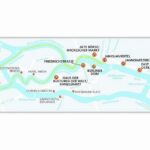
I also like the structure. You move from the grand exterior of the New Synagogue Berlin (Centrum Judaicum) to the smaller, street-level reminders in Scheunenviertel, then end at major memorial sites like Friedrichstraße Station. It’s a smart way to connect big history with small details you’d miss on your own.
The only real drawback is practical: the New Synagogue’s admission ticket isn’t included, and that stop is short (around 10 minutes). If you want a deeper visit inside, you’ll likely need extra time and pay the entry cost.
In This Review
- Key highlights worth your attention
- A 3-Hour Private Walk Through Berlin’s Jewish Quarter
- What You Get for Around $23: Private Time, Pickup Options, and Real Value
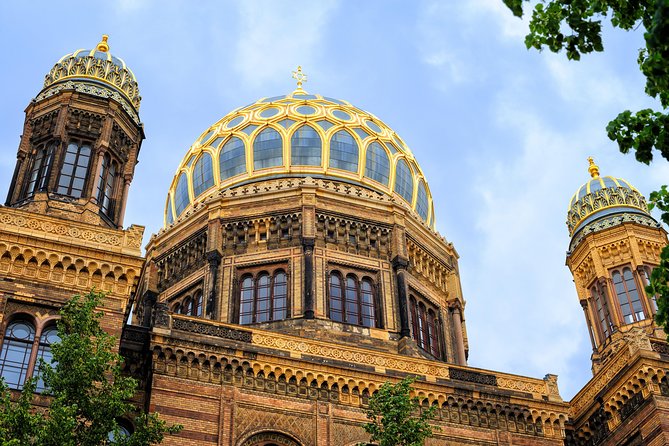
- Stop 1: New Synagogue Berlin (Centrum Judaicum) and Those Golden Domes
- Stop 2: Scheunenviertel Streets, Moses Mendelssohn’s Grave, and Stolpersteine
- Stop 3: Trains To Life Trains To Death at Friedrichstraße Station
- Stop 4: Blindenwerkstatt Otto Weidt Museum and the Fight to Keep People Alive
- How the Private Format Changes the Whole Experience
- Price and Logistics: What to Expect Before You Go
- Who This Tour Fits Best (And Who Might Want a Different Style)
- Final Thoughts: Should You Book This Berlin Jewish Heritage Tour?
- FAQ
- How long is the Berlin Jewish heritage private tour?
- Is the tour private?
- What are the departure time options?
- Do I need to buy museum tickets during the tour?
- Are there any stops with free entry?
- Is pickup available?
- Is there a vehicle included?
- Is the tour near public transportation?
- What is the cancellation policy?
Key highlights worth your attention
Golden-domed New Synagogue area – see the exterior of a former landmark of German Jewish worship.
Scheunenviertel walking route – built around street-level memory, including Stolpersteine.
Moses Mendelssohn’s gravesite – a direct link to early Jewish presence in Berlin.
Friedrichstraße Station memorial – the child-focused story at Trains To Life Trains To Death.
Otto Weidt Museum – learn how one factory owner employed blind and deaf Jewish workers to help them survive.
Private guide time – you’re not rushing with a big crowd.
A 3-Hour Private Walk Through Berlin’s Jewish Quarter
This is the kind of tour that helps you see the city correctly. Berlin is full of monuments, but this route chooses a specific thread: Berlin’s Jewish quarter in Scheunenviertel, followed by the sites where the Nazi system was carried out—especially against children.
The pacing is built for focus. Over roughly 3 hours, you’ll make four short stops and several minutes in between to connect the dots. The tour runs as a walking experience, with choice of morning or afternoon departures, so you can match it to the rest of your day.
What makes it feel different is that it’s private. Only your group participates, so your guide can set the tempo. If you want more context, you can ask. If you want a breather before moving on, you can take it without feeling like you’re holding up a busload.
You can also read our reviews of more private tours in Berlin


What You Get for Around $23: Private Time, Pickup Options, and Real Value
At about $23, the price-to-time ratio is strong—especially because this isn’t just a self-guided route with a pamphlet. You get a professional, local tour guide, plus a private vehicle with a professional driver depending on the chosen option.
That “depending on the option” detail matters. If you choose the setup with pickup and a driver, you reduce hassle at the start and end—useful in Berlin where getting from point to point can take longer than you expect. If you opt without the vehicle portion, plan on walking the route between key sights.
Also note what’s not included. Museum entries aren’t required for the tour, which keeps the day from turning into surprise add-on fees. The one exception is that the New Synagogue admission ticket isn’t included, so if you decide you want entry there, you’ll need to budget for it.
Stop 1: New Synagogue Berlin (Centrum Judaicum) and Those Golden Domes
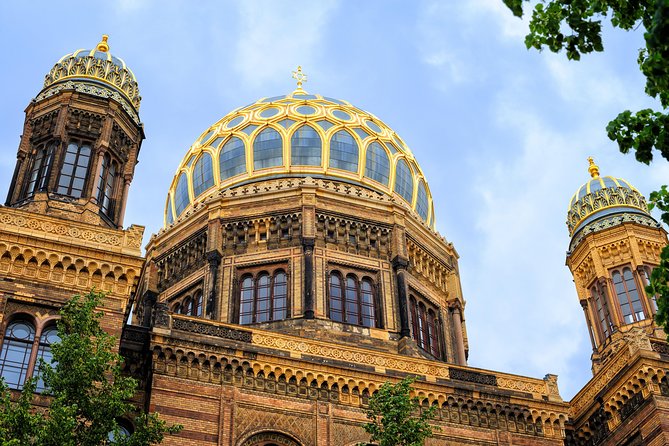
Your first stop is at the New Synagogue Berlin – Centrum Judaicum, famous for its ornate golden domes. Even if you’re not a “big building” person, this is a useful opening. It frames Jewish life in Berlin before the catastrophe—an architectural statement of community, confidence, and public visibility.
Plan for about 10 minutes here. That’s plenty of time for your bearings and a solid explanation of what this synagogue meant historically—reported as the former largest Jewish place of worship in Germany. But it’s not enough for a long sit-down visit inside, which is why the admission detail matters.
Practical consideration: the admission ticket isn’t included. If you want to go beyond the exterior views and learn more inside at your own pace, you’ll need to add time (and pay the entry fee separately). If you’re okay with an overview and the exterior focus, you’ll still get something valuable right away.
Stop 2: Scheunenviertel Streets, Moses Mendelssohn’s Grave, and Stolpersteine
Then you move into the Scheunenviertel area—Berlin’s former Jewish quarter—and the tone shifts from landmark to neighborhood. This is where the tour gets most “street-smart,” because it teaches you how memory can live in ordinary places.
You’ll spend around 30 minutes wandering. The goal isn’t just sightseeing. You’re learning how Berlin preserves remembrance in layers: formal sites, historic cemeteries, and small markers embedded in everyday sidewalks.
Two parts here are especially worth your attention:
First, you’ll see the gravesite of Moses Mendelssohn at the oldest Jewish Cemetery in the city. That’s a direct connection to early Jewish presence in Berlin, and your guide can help you understand why the cemetery matters beyond dates and names.
Second, you’ll encounter the Stolpersteine memorials. These are small plaques set into the street—easy to overlook if you don’t know what you’re looking for. The tour includes time to pay tribute to victims of Nazism, and that small scale is the point. Berlin doesn’t always give you a clean wall of text. Sometimes it puts the story right where people walk every day.
If you do this on a day with museum crowds elsewhere, you’ll feel the contrast. Instead of one big indoor experience, you get memory distributed across streets. It can be quietly powerful, and it’s exactly the kind of detail that makes a guided walk pay off.
Stop 3: Trains To Life Trains To Death at Friedrichstraße Station
Stop 3 is Trains To Life Trains To Death at Friedrichstraße Station, and it’s one of those locations where the facts are hard to hold.
You’ll spend about 10 minutes here, and the focus is on the young—young and infant victims—and the role of transportation in Nazi persecution. The memorial ties together two painful phases:
After the Nazi pogroms of 1938, children were transported to the safety of the west. Later, after 1942, children were also deported eastwards to extermination centers such as Auschwitz-Birkenau.
That pairing is a brutal lesson in how quickly danger could change shape. A guide’s job here is crucial, because the memorial’s meaning isn’t “wow, architecture.” It’s the timeline and how children were caught in it.
A note for your own planning: this is not a stop where you want to rush. If you’re doing this after a long travel day, give yourself a little extra mental space. If you start feeling overwhelmed, ask your guide to pause and explain what you’re looking at—talking through the meaning helps.
You can also read our reviews of more historical tours in Berlin




Stop 4: Blindenwerkstatt Otto Weidt Museum and the Fight to Keep People Alive
The final stop is Museum Blindenwerkstatt Otto Weidt, where the story shifts to one person’s choices inside a system built to destroy.
You’ll spend about 30 minutes here. The museum explains how Otto Weidt—described as a German factory owner—hired mainly blind and deaf Jewish workers. The point wasn’t just employment. It was survival. In a time when the Nazis targeted these communities with systematic brutality, Weidt’s factory offered a lifeline by protecting workers and creating a space where they weren’t instantly erased.
This stop is valuable for a very practical reason: it adds texture. Holocaust history can get flattened into dates and policies. Here, you get a clearer sense of how individuals navigated impossible conditions.
Also, it’s part of why the whole tour works. You start with a synagogue landmark and a neighborhood cemetery. You move to sidewalk reminders. Then you reach the child-deportation story at Friedrichstraße. Finally, you end with a survival-focused narrative that reminds you history isn’t only about violence—it’s also about resistance, however constrained, and about people trying to keep others alive.
How the Private Format Changes the Whole Experience
A shared group tour can be fine. This one is better because it’s private, and the story demands careful pacing.
With your guide in front of just your group, you can steer the conversation:
- If you want the neighborhood context, you can linger longer at Scheunenviertel details like the Stolpersteine.
- If you’re trying to connect the dots between the pre-war Jewish community and what came next, you can ask your guide to map the timeline clearly.
- If you’re the type who reads every plaque, a private guide helps you avoid both rushing and drifting.
Two names came up in the guide feedback you can keep in mind when you’re choosing your tone: Orit and Walid. Orit stood out for sharing her own personal story along with neighborhood context. Walid was noted for being personable while still explaining the history in a clear, professional way. Even if you don’t meet those exact guides, it’s a strong hint about what style the tour aims for: personal, human, and grounded in explanation.
And because most stops don’t require paid entry, your money goes to interpretation rather than ticket math. The New Synagogue is the only place you might add a ticket, so you can decide your level of detail without being locked in from the start.
Price and Logistics: What to Expect Before You Go
Here’s the no-surprises version.
Duration: about 3 hours.
Tour type: walking route through Scheunenviertel plus major memorial stops.
Departures: morning or afternoon choices.
Tickets: museum entries aren’t required for the tour, but New Synagogue admission isn’t included.
Transport: pickup is offered, and a private vehicle with a professional driver may be part of the option you choose.
Access to the start: near public transportation.
You should also plan your day around the emotional weight of what you’ll see. This isn’t a “quick history fix.” It’s a structured encounter with memory.
If you’re the kind of visitor who likes to look at signs and read slowly, you’ll do well here. If you prefer “just the highlights and move on,” you might find the memorial stops a bit intense, especially the child-focused Friedrichstraße segment.
Who This Tour Fits Best (And Who Might Want a Different Style)
This tour is ideal for you if:
- You want meaningful context for Berlin’s Jewish heritage, not just a list of sites.
- You like a guide who can explain why places matter, including street-level reminders like Stolpersteine.
- You’re traveling with a small group and prefer private pacing over crowd schedules.
It might not be ideal if:
- You need a lighter sightseeing day. This route includes Holocaust-era tragedies, including memorials connected to child deportations.
- You’re only interested in synagogue architecture with a long interior visit. The New Synagogue stop is short and entry costs extra.
For many people, that’s the sweet spot: enough time to understand, not so long that you burn out.
Final Thoughts: Should You Book This Berlin Jewish Heritage Tour?
My take: book it if you want Berlin history that’s specific and grounded—starting with the neighborhood, then moving to memorial sites, and finishing with a survival story at the Otto Weidt Museum.
The value is in the structure and the interpretation. You’re paying for a professional local guide and a private group experience that helps you understand what you’re seeing at each stop. And the practical setup is mostly painless: no required museum entries during the tour, with only the New Synagogue admission ticket potentially adding cost.
If you’re emotionally ready for heavy material and you appreciate thoughtful pacing, this is a tour you’ll remember for the right reasons.
FAQ
How long is the Berlin Jewish heritage private tour?
It’s approximately 3 hours.
Is the tour private?
Yes. It’s a private tour/activity, so only your group participates.
What are the departure time options?
You can choose either a morning or an afternoon departure time.
Do I need to buy museum tickets during the tour?
Museum entries aren’t required for the tour. However, at the New Synagogue Berlin – Centrum Judaicum, an admission ticket is not included.
Are there any stops with free entry?
Yes. The Scheunenviertel portion, the Friedrichstraße Station memorial, and the Museum Blindenwerkstatt Otto Weidt are listed as having admission ticket free.
Is pickup available?
Pickup is offered, depending on the option you choose.
Is there a vehicle included?
A private vehicle with a professional driver is included depending on the chosen option.
Is the tour near public transportation?
Yes, it’s near public transportation.
What is the cancellation policy?
You can cancel for a full refund if you cancel at least 24 hours before the experience’s start time. If you cancel less than 24 hours before, the amount paid won’t be refunded.