REVIEW · BERLIN
Berlin: Historic Center Walking Tour with a Real Berliner
Book on GetYourGuide →Operated by You In Berlin · Bookable on GetYourGuide
Berlin clicks into focus on this walk. In just 2 hours, you’ll go from Nikolaikirche Museum to the iconic Brandenburg Gate, guided by a multilingual professional who helps you connect the dots across centuries.
I especially like the way the route strings together the biggest “must-see” sights in central Berlin without turning into a checklist. And when the guide is Carlo, his storytelling style gets repeated for a reason: friendly, easy to talk to, and good at answering questions while keeping the pace moving. The one thing to plan for: this is a walking tour that runs in all weather, so you’ll want comfortable shoes and clothes you don’t mind getting some Berlin day air.
In This Review
- Key Highlights You’ll Feel the Whole Way Through
- Why This Mitte Walking Tour Works So Well in 2 Hours
- Meeting at St. Nicholas’ Church Museum: Fast Start, Clear Direction
- Nikolaiviertel and the City’s Early Story Along the Spree
- Seeing Berlin’s Highest Building: A Quick Boost in Scale
- Museum Island and Humboldt Forum: Old Museums and Rebuilt Identity
- Across Schlossbrücke: The Historical Center Through Kings and Emperors
- Unter den Linden: Berlin’s Old Boulevard in One Line of Sight
- Berlin Cathedral and Humboldt University: When Details Matter
- State Opera Stops the Conversation (in a Good Way)
- Brandenburg Gate at the Finish: The Reunification Story
- Price and Value: Is $44 Worth It?
- Who This Tour Fits Best (and Who Might Want Something Different)
- Practical Notes: Shoes, Weather, and Accessibility
- Should You Book This Walking Tour?
- FAQ
- How long is the Berlin Historic Center walking tour?
- Where do I meet the guide?
- Is the tour offered in English?
- Is the tour wheelchair accessible?
- What should I wear or bring?
- Is food included?
Key Highlights You’ll Feel the Whole Way Through
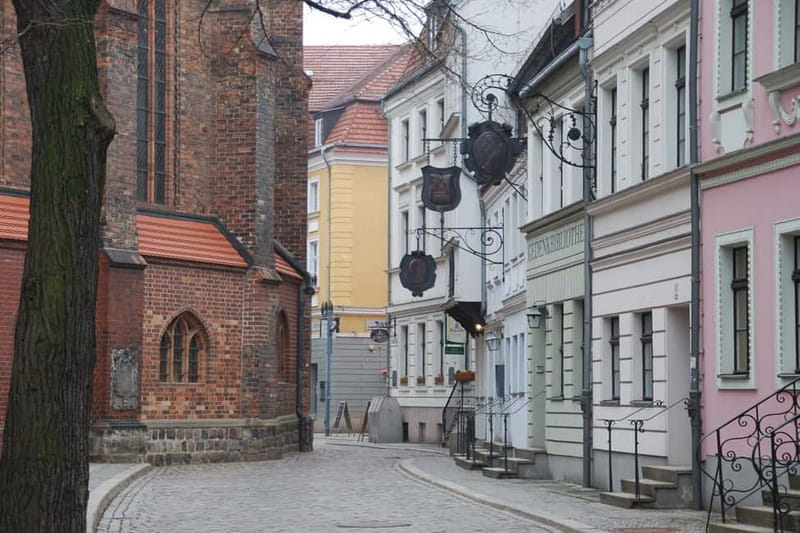
- Start outside Nikolaikirche Museum and get oriented fast in Mitte
- Museum Island and Humboldt Forum viewpoints that explain why this area matters
- Spree walk plus Television Tower sighting for that “Berlin is big” moment
- Unter den Linden lineup with Frederick the Great, State Opera, and St. Hedwig’s Cathedral
- Brandenburg Gate at the end with the moving story of division and reunification
- A real Berliner-style guide experience in English, with time for questions
Why This Mitte Walking Tour Works So Well in 2 Hours
Berlin is a city you can walk all day. The trick is picking a route that helps your brain organize what you’re seeing. This one does that well. You cover the heart of Mitte—Spree riverfront sights, Museum Island area landmarks, grand boulevard views, and the reunification symbol—while your guide builds the timeline as you go.
At 2 hours, you don’t get museum-depth time. But you do get the kind of overview that makes the rest of your trip easier. You’ll start noticing names, eras, and building functions, not just pretty facades.
You can also read our reviews of more walking tours in Berlin



Meeting at St. Nicholas’ Church Museum: Fast Start, Clear Direction
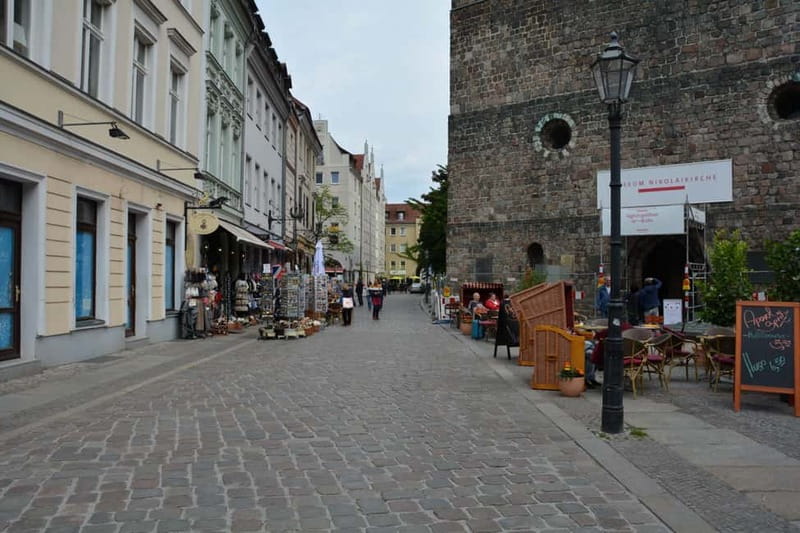
Your tour begins in front of the main entrance of the Nikolaikirche Museum (St. Nicholas’ Church Museum). It’s a smart choice because you’re already in the older core of Berlin, where the city’s story starts to feel real rather than academic.
Once you spot your guide with the Get Your Guide flag, you’ll begin walking through Mitte with context immediately. That matters, because Berlin’s central streets can feel busy and layered. A guide turns random landmarks into a narrative you can remember.
Nikolaiviertel and the City’s Early Story Along the Spree
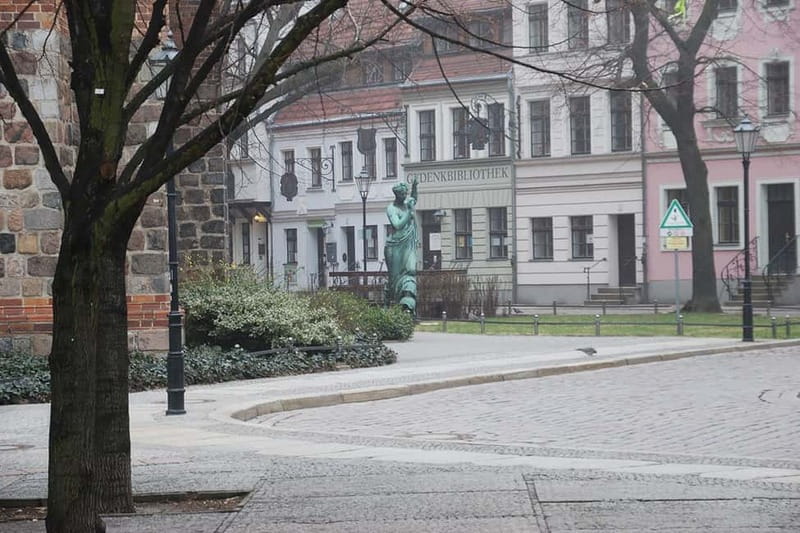
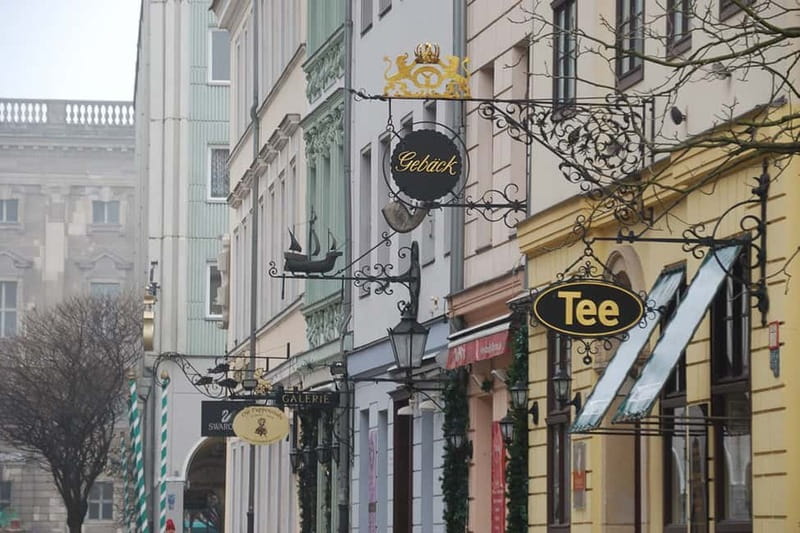
The walk moves into Nikolaiviertel, an area that helps you picture Berlin before it became a global capital. One of the tour’s strongest themes is how Berlin grew from a small trading village on the river Spree into a major European cultural center.
As you move, your guide ties that growth to who held power over time. You’ll hear about Berlin’s development from Prussia’s residence city to the capital of reunited Germany. Even if you’ve read a bit before arriving, it’s helpful to hear it in the exact street-and-building context where those eras played out.
Seeing Berlin’s Highest Building: A Quick Boost in Scale
The tour includes a stop-by-view for Berlin’s Television Tower (Fernsehturm), often the quickest way to shake you out of “small city” thinking. It’s not just a skyline selfie spot. Your guide’s framing helps you connect the tower to Berlin’s modern identity.
That contrast—old river core now with a huge modern marker—sets the tone for the rest of the route. You’ll keep that sense of time layering as you head toward Museum Island.
Museum Island and Humboldt Forum: Old Museums and Rebuilt Identity
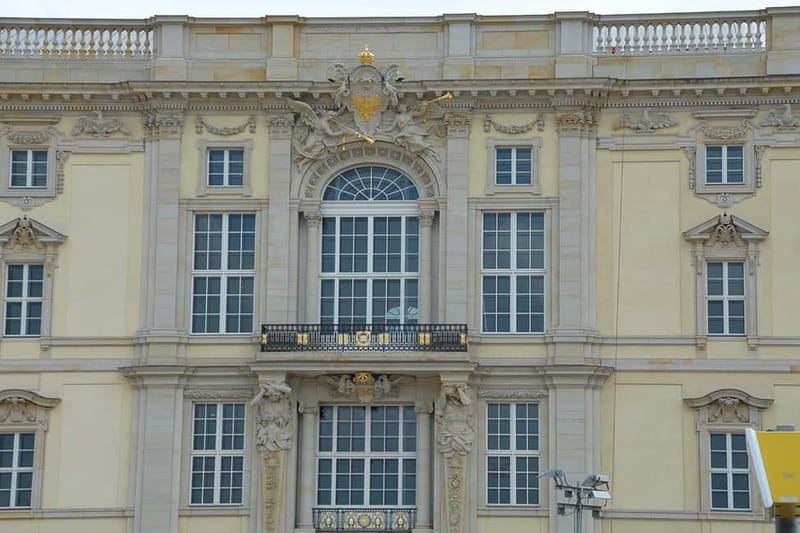
Next up is Museum Island, one of central Berlin’s big visual anchors. Here you’ll see the Berlin Cathedral, the Old Museum, and the Humboldt Forum area. If you’ve ever wondered why Berlin cares so much about what to reconstruct and what to preserve, this is where the explanation becomes concrete.
At the Humboldt Forum, you’ll admire the reconstructed Berlin City Palace. That detail matters. It’s not just a building look—it’s a statement about memory, restoration, and how Berlin wants to narrate its own past.
This is also where the tour’s “walk and learn” format shows its value. You won’t need to decide between ten museums right away. You get the big map in your head first, so later you can choose where to go back.
You can also read our reviews of more historical tours in Berlin





Across Schlossbrücke: The Historical Center Through Kings and Emperors
After Museum Island, you cross Schlossbrücke (Palace Bridge). This segment gives you a clearer look at Berlin’s central historic layout and the monumental buildings tied to earlier eras—times of kings and emperors.
These are the kinds of sights that can blur together if you’re walking alone. With a guide, you’ll learn what each location represents and why it’s placed there. You’ll also start to understand how central Berlin became a stage for power, ceremony, and national identity.
Unter den Linden: Berlin’s Old Boulevard in One Line of Sight
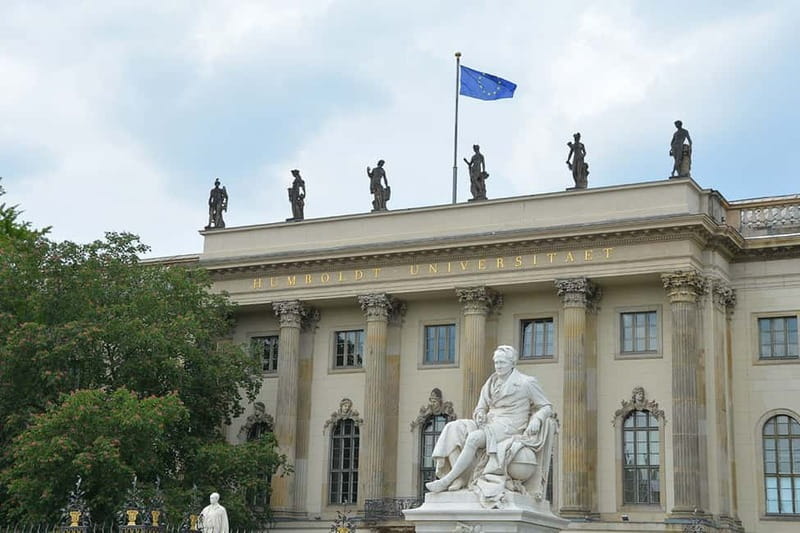
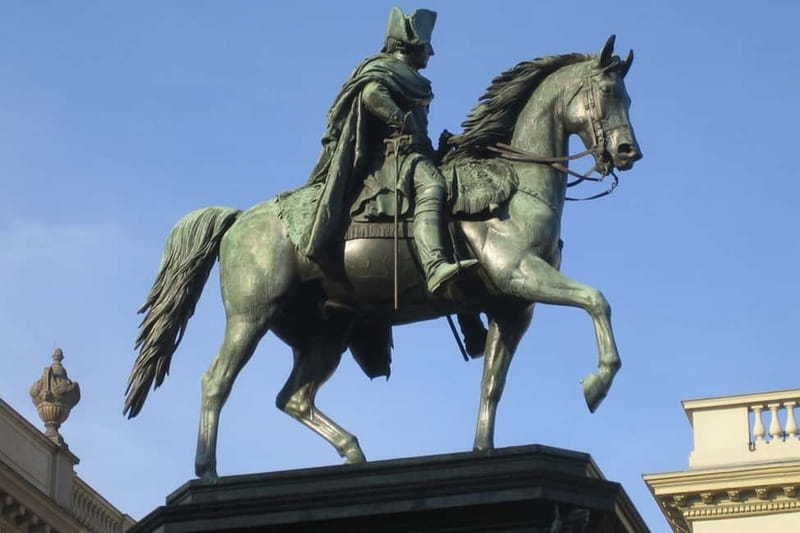
If Berlin has a classic “grand avenue,” it’s Unter den Linden—and this tour takes you along it in a way that feels efficient. You’ll pass the Equestrian Statue of Frederick the Great, the Berlin State Opera, Humboldt University, and St. Hedwig’s Cathedral.
This portion is great for two reasons. First, it’s easy to visually connect the buildings because they line up along the boulevard. Second, your guide can explain how the city’s cultural and political systems grew side by side—education, performance, monarchy, and religion all represented in one walk.
Berlin Cathedral and Humboldt University: When Details Matter
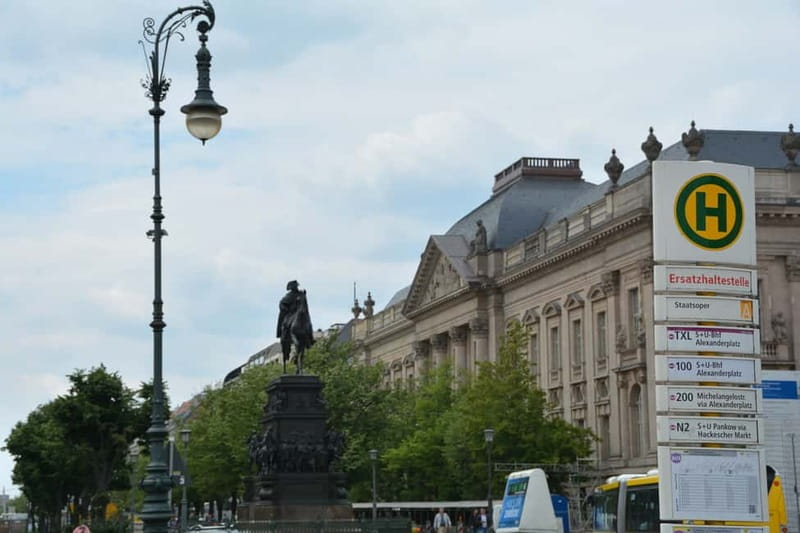
Two of the most discussed stops in the route are Berlin Cathedral and Humboldt University. Even if you don’t go inside during a walking tour, the surroundings help you understand their roles in Berlin’s identity.
Berlin Cathedral brings the sense of monumental religious architecture. Humboldt University helps you see how the city ties learning and scholarship to its national story. Together, they help you move beyond the idea that Berlin is only about the 20th century.
State Opera Stops the Conversation (in a Good Way)
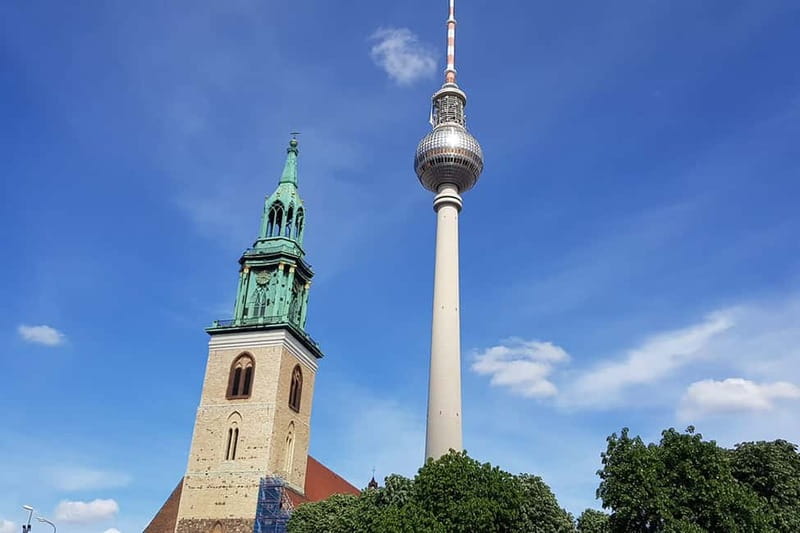
The Berlin State Opera is another key landmark on this route. Even if opera isn’t your thing, the building helps you grasp the cultural weight Berlin placed on public performance and grand civic life.
This is where I like the guide’s pacing. You get enough time to look up and take in the architecture, but not so much that the group loses momentum. The best walking tours keep you thinking without burning your feet.
Brandenburg Gate at the Finish: The Reunification Story
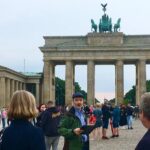
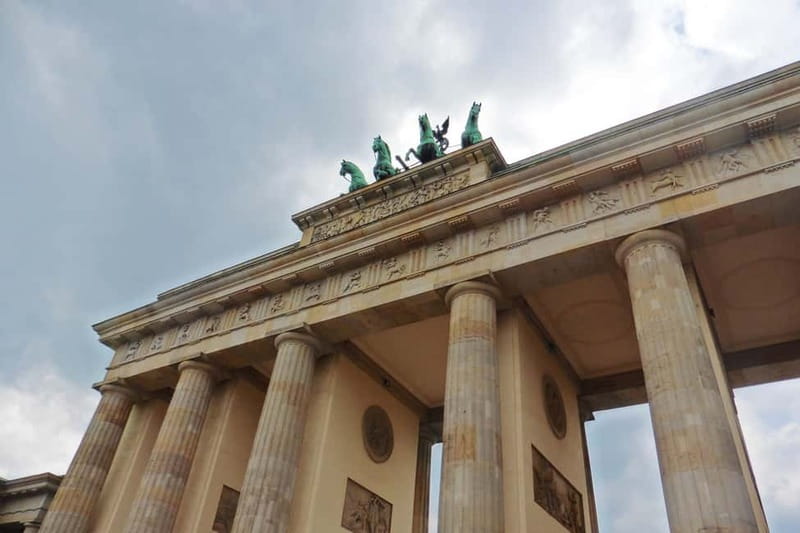
Your tour ends at the Brandenburg Gate, and this is the moment the whole route leads to. It’s more than a postcard landmark. Your guide shares the moving story of why this gateway became a focal point for reunification in 1990, and why it carried so much meaning before, during, and after Berlin’s division.
Ending here works because you’ve already seen the city’s layers: early beginnings, Prussian power, monarchy-era streetscapes, cultural institutions, and then the later turning point. The gate isn’t just where you stop—it’s where your trip starts making emotional sense.
Price and Value: Is $44 Worth It?
At $44 per person for a 2-hour guided walk, you’re paying for direction, context, and a route designed for first-time orientation. This isn’t a museum ticket or a full-day program, so you should think of it as a high-impact “foundation tour.”
What makes it good value is the focus on central, high-recognition sites—Spree area, Museum Island, Unter den Linden, and Brandenburg Gate—while someone qualified explains the connections. In a city where history is everywhere and easy to misread, having that framework is worth the money.
Also, the review record (and it shows in how guides talk and answer questions) suggests you won’t feel stuck listening to a monologue. One guide named Carlo gets praised for being warm and professional, plus for going a little beyond the route when asked.
Who This Tour Fits Best (and Who Might Want Something Different)
This tour is a strong match if you:
- Want an efficient way to see the key sights of Berlin Mitte without planning a route yourself
- Like history told with a human voice, not just facts on a sign
- Take your first days seriously and want to get your bearings fast
It may feel less ideal if you:
- Want long museum time or lots of interior stops
- Prefer a slower pace with fewer stops and more breaks
Because it’s a walking tour, your comfort matters. And because it runs in all weather conditions and on public holidays, you should dress for the day you actually get.
Practical Notes: Shoes, Weather, and Accessibility
Come prepared with comfortable shoes and clothes you can handle outdoors. The tour operates in all weather conditions and on public holidays, so Berlin’s weather will be part of the experience.
The tour is listed as wheelchair accessible, which is helpful if you need that option. Still, it’s a walking route, so if mobility is a concern, you’ll want to choose comfortable clothing and be ready for street-level navigation.
Should You Book This Walking Tour?
Yes—if you want the quickest path to understanding Berlin’s center. This tour does the smart thing: it links the biggest landmarks to the bigger story, so your later self-guided exploring feels easier and more meaningful.
I’d especially book it on your first evening or first full day. That’s when you most benefit from having a timeline in your head while you still have energy to walk and absorb it. If you’re the type who asks questions, you’re likely to appreciate the guide’s approachable style—particularly if you happen to get Carlo, who’s been noted for answering, helping with direction, and keeping things friendly.
FAQ
How long is the Berlin Historic Center walking tour?
The tour duration is 2 hours.
Where do I meet the guide?
Meet in front of the main entrance of the Nikolaikirche Museum (St. Nicholas’ Church Museum). The guide should be looking for you with a Get Your Guide flag.
Is the tour offered in English?
Yes, the live tour guide language is English.
Is the tour wheelchair accessible?
Yes, the activity is listed as wheelchair accessible.
What should I wear or bring?
Bring comfortable shoes and comfortable clothes, since it’s a walking tour.
Is food included?
No. Food and drinks are not included.