REVIEW · BERLIN
Potsdam Walking City Tour
Book on Viator →Operated by REMAZ TOURS GmbH · Bookable on Viator
A day trip to Potsdam feels like a time machine. You get the UNESCO-listed palace-and-park world—Sanssouci and the Potsdam Conference site at Cecilienhof—plus a smart hit of Cold War landmarks like the Glienicke Bridge. What I like most is the small group feel (up to 15) and the guide-led pacing that helps you connect the places to the stories behind them. One thing to plan for: it’s still a walking day, and weather can change how much time you’ll spend outdoors.
You’ll start around 9:00 am, ride the train from Berlin to Potsdam with the guide, then move between key areas on foot and sometimes by transit depending on the day. I’d consider you should wear smart casual shoes and be ready for palaces and gardens that may involve waiting or limited access—one day included closure for a main site, so build in a little flexibility.
In This Review
- Key Highlights You’ll Actually Feel on This Tour
- Why Potsdam Looks and Feels Different From Berlin
- The Day’s Rhythm: 9:00 to 15:00 With Train + Walking
- Dutch Quarter and Frederick William I: The Red-Brick Story Behind the City’s Charm
- Sanssouci Palace Park: The Walk That Makes Potsdam Feel Real
- Glienicke Bridge: When Cold War Tension Becomes a Place You Can Stand On
- Cecilienhof and the 1945 Potsdam Conference: The Point of No Return for Europe
- Guides Matter: From Shadi and Sara to Seba (and One “Wait, What?” Day)
- Price and Value: €50 for Speed, Entrance Tickets, and What You Might Still Pay
- Practical Tips That Can Save Your Day (Especially in Rain)
- Who This Tour Suits Best (And Who Might Want a Different Day)
- Should You Book Potsdam Walking City Tour?
- FAQ
- What’s the meeting time and where do I meet the guide?
- How long is the Potsdam tour?
- What’s included in the tour price?
- Is food included?
- Are entrance tickets included?
- What’s the group size limit?
- What’s the cancellation and weather approach?
Key Highlights You’ll Actually Feel on This Tour
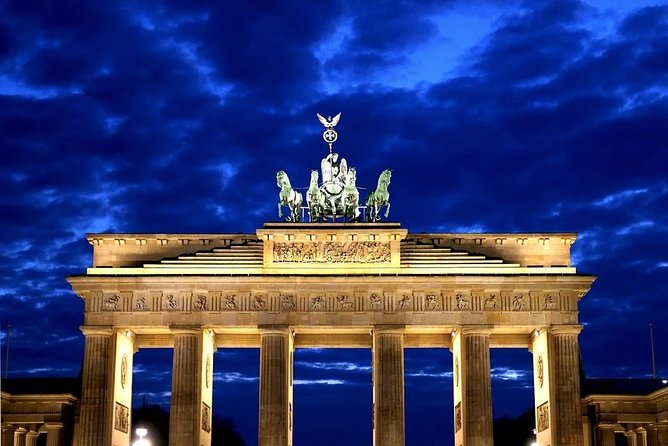
UNESCO Potsdam focus: palaces and parks that shaped Europe’s power map
Sanssouci Palace gardens time: a route through parkland with temples, churches, and follies
Cold War landmark stop: Glienicke Bridge, tied to the spy-swapping era
Cecilienhof stop: the 1945 Potsdam Conference setting, linked to Churchill, Truman, and Stalin
Small group size: max 15 people, with room for questions
Rail day from Berlin: included train transport means fewer logistics worries
Why Potsdam Looks and Feels Different From Berlin
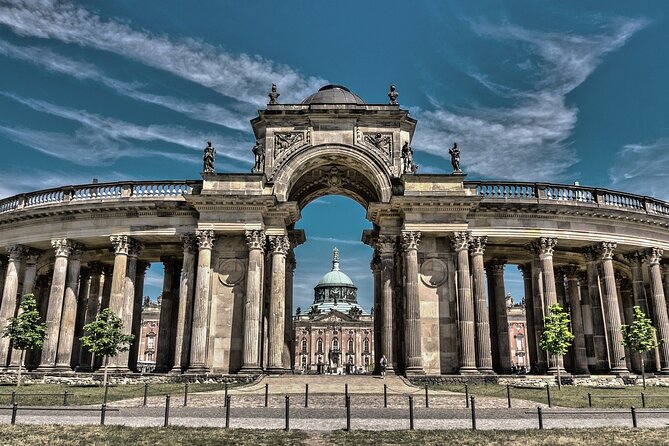
Potsdam is not Berlin’s vibe. Berlin is hard-edged, loud, and fast. Potsdam is the “slow down and look around” city—palaces framed by lakes, fountains, statues, and carefully maintained gardens spread across large green spaces. If you want one day that feels like you’re switching gears, this is the kind of outing that does it.
The tour’s big strength is that it doesn’t treat Potsdam like a checklist of buildings. It links each place to who built it and why, and then ties that to the 20th-century story. That connection matters because the city is full of visuals that can look similar at first glance—until your guide turns them into clear cause-and-effect.
You can also read our reviews of more walking tours in Berlin



The Day’s Rhythm: 9:00 to 15:00 With Train + Walking
This tour runs about 6 hours, starting at 9:00 am and ending around 3:00 pm. You meet the local guide at your hotel lobby at 9:00 am. From there, you head to Potsdam by train (transportation by train from Berlin to Potsdam is included).
Here’s the practical reality: even when it’s called a walking tour, you’re not walking the whole time. Expect walking through historic districts and palace grounds, and expect some transit moves between major stops—public transport or short rides to reduce long distances. One experience used city buses between sites, and the pacing can feel more intense for older legs if you’re doing a lot of outdoor walking.
Also, the day is weather-dependent. If it’s heavy rain, it can affect routes, timing, and access to outdoor areas. One group ended early due to a rainstorm, and that’s a reminder to dress for the outdoors even if the schedule looks fixed.
Dutch Quarter and Frederick William I: The Red-Brick Story Behind the City’s Charm
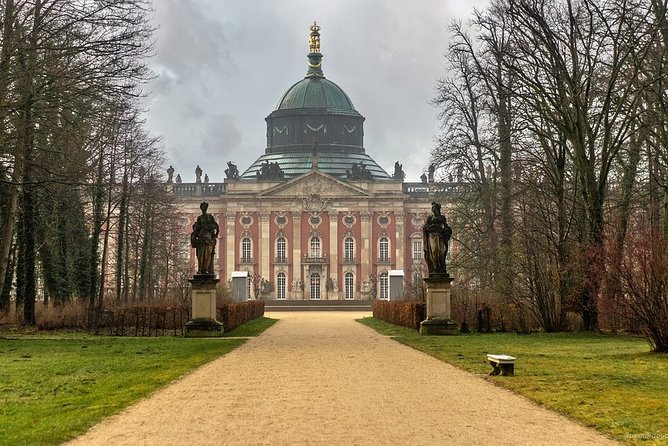
Your tour’s arc begins in Potsdam, and one of the early areas you’ll see is the Dutch Quarter—a striking set of red-brick buildings that’s unusual for Europe. The point isn’t just the architecture. It’s what the architecture means: Frederick William I, often called the Soldier King, had these houses built in the mid-1700s to support a community of Dutch artisans.
Why I think this stop is worth your time: it gives you a “why this place exists” explanation early on. It also sets up Potsdam’s overall pattern. This city wasn’t built by one ruler with one idea—it was shaped in waves by rulers with strong preferences and big budgets.
If you’re the type who likes details, pay attention to how the guide connects the buildings to the politics and ambitions of the era. In multiple guide experiences, the best moments were when the guide put everyday design choices into historical context, not just reciting dates.
Sanssouci Palace Park: The Walk That Makes Potsdam Feel Real
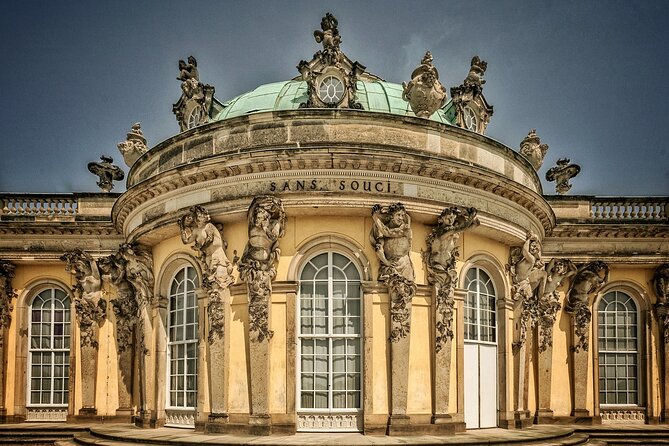
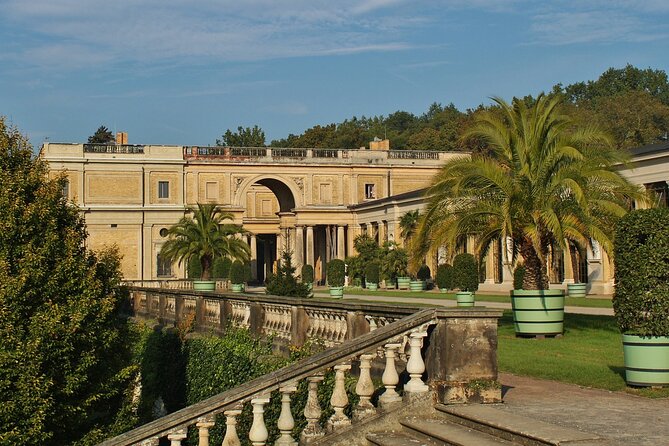
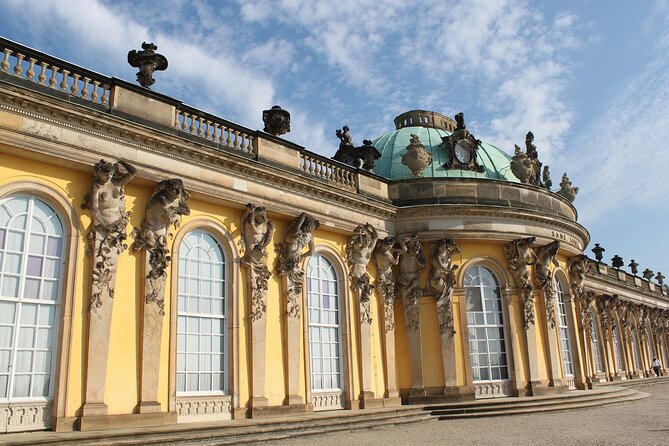
The tour highlights Sanssouci Palace, the favorite residence of Frederick the Great. The palace sits in parkland, surrounded by features like temples, churches, and follies scattered across landscaped grounds.
This stop tends to land well because Sanssouci isn’t just one building. It’s a whole walking route where you gradually feel the scale. Several guide experiences emphasized time moving through the gardens, and that’s where your photos tend to look like postcards without too much effort.
One caution, based on real conditions: on at least one day, the main palace area was closed, which meant the group walked through the park and saw more exteriors and garden scenery than inside highlights. That doesn’t automatically ruin the day—Sanssouci’s grounds can still be a win—but it does mean you should treat “palace interiors” as a bonus, not the guarantee.
Practical tip: wear comfortable shoes that can handle gravel paths and long stretches outdoors. If you’re traveling in colder months, bring layers. One cold-day tour still felt fun thanks to the guide keeping the day lively, but cold feet can shut down your enthusiasm fast.
Glienicke Bridge: When Cold War Tension Becomes a Place You Can Stand On
The tour includes a crossing of the Glienicke Bridge, famous for the spy swapping era. This is one of those stops where history stops being abstract. You’re literally standing where the story happened, and the guide’s job is to help you understand the stakes.
If you’re a Cold War person, you’ll get the most value when your guide connects the bridge to the broader East-West power balance. Even if you don’t know the names, the atmosphere of the setting makes the episode easier to grasp.
I also like that this stop breaks up the garden-and-palace rhythm. It turns your day into a story with plot: rulers and gardens, then the 20th-century showdown, then the conference where decisions were formalized.
You can also read our reviews of more city tours in Berlin



Cecilienhof and the 1945 Potsdam Conference: The Point of No Return for Europe
Next comes Cecilienhof, the manorial residence associated with Germany’s last Crown Prince. The key reason this stop matters is its role in hosting the Potsdam Conference in 1945—the meetings that helped seal the fate of Cold War Europe for decades.
Your guide should walk you through what was discussed, tied to the leaders involved: Churchill, Truman, and Stalin. If you only remember one thing from this trip, make it this: Potsdam wasn’t just a pretty stage. It was where Europe’s postwar direction got decided.
This is also where your guide quality makes a noticeable difference. In the best experiences, the guide made the topic easy to understand and answered questions with patience. In weaker experiences, some guides didn’t communicate as clearly or seemed uncertain about logistics. You can’t control every guide, but you can prepare yourself by coming in with a simple question like: Which decisions from these meetings shaped the Cold War divisions you know today?
Guides Matter: From Shadi and Sara to Seba (and One “Wait, What?” Day)
This tour is only as good as the guiding. And based on the real range of guide experiences, you should know what you’re signing up for: a guide-led walking day where communication and route confidence matter.
Some guides mentioned by name were consistently praised. Shadi made a cold day feel fun and interesting, with a focus that helped you enjoy the gardens and grounds. Seba was described as fabulous—very helpful and very knowledgeable in the day-to-day sense of connecting the visuals to meaning, even steering people toward good local food. Sara came up repeatedly in positive feedback: patient, easy to talk to, and flexible—also able to help with questions beyond the tour.
On the flip side, a few negative reports pointed to real issues: a guide who seemed lost, uncertainty on which transit to take, or not giving the depth of explanation expected. Another negative report mentioned a guide not following a public-transport mask requirement in Berlin at the time.
What does that mean for you? It means you should treat this day as “guide-dependent.” If you care a lot about detailed narration, try to plan your questions in advance and be ready to ask. And if a guide looks unsure about directions, politely ask for clarification right away—don’t wait until you’re at the wrong bus stop.
Price and Value: €50 for Speed, Entrance Tickets, and What You Might Still Pay
The price is $180.62 per person for about a 6-hour outing. That’s not pocket change, so you should judge it on what’s included and what you can expect to pay separately.
Included:
- Train transportation from Berlin to Potsdam
- Local guide
Not included:
- Food and drinks
- Private transportation
Now the messy part: admission and entrance tickets. The tour summary says admission is free, but one real experience included paying for entrance tickets for the palace/conference-related stop. That tells me the safest assumption is this: you may need to buy tickets for certain palace sites or timed entries even if some elements of the tour are free.
Also, one experience included an offer to pay an additional 50 euros for a faster train because the regular option was described as too slow. That’s the kind of “optional upgrade” you might see in practice. Sometimes it saves time; sometimes it’s just a cost bump. If speed matters to you, ask early what the standard timing is and what the faster option changes.
My take on value: you’re paying for guided navigation through a place that can be spread out, plus the rail connection that saves you from figuring out train schedules mid-trip. If you hate logistics and want someone to connect the dots, the price can feel fair. If you expected a private-vehicle day with no ticket hassles, you might feel it’s expensive.
Practical Tips That Can Save Your Day (Especially in Rain)
Dress code is smart casual. That sounds formal, but in real life it usually means: comfortable layers, not sneakers-with-ankle-snap-back. You’ll spend time outdoors on paths in a palace park setting, so prioritize:
- Comfortable shoes with good grip
- Layers (Sanssouci grounds and open areas can feel colder than you expect)
- A rain plan (the experience can end early if weather is bad enough)
A couple of logistics realities matter too:
- The guide meets you at the hotel lobby at 9:00 am, so don’t plan a late breakfast.
- Transfers are approximate depending on traffic and time of day. That’s not a reason to panic. It’s a reason to keep your posture flexible if your schedule shifts.
If you’re an older traveler or you know you tire quickly, this is where you’ll decide whether the day fits. One account described the walking and multiple transit legs as tiring, especially on a cold and rainy day. If you’re in that category, talk with the guide early about pacing and ask whether you can reduce walking distances between stops.
Who This Tour Suits Best (And Who Might Want a Different Day)
This tour is a strong match if you:
- Want a single-day Potsdam with the main palace-and-Cold-War storyline
- Like guided context more than museum-style wandering
- Prefer a small group format so you can ask questions
- Will enjoy palace park walking even if a main interior isn’t available
It may be a weaker match if you:
- Want minimal walking or a fully vehicle-based itinerary
- Get cranky if you might need to buy entrance tickets at certain stops
- Are traveling with limited mobility needs and can’t handle outdoor walking on uneven grounds
- Need very structured timing with no transit surprises
Should You Book Potsdam Walking City Tour?
If your ideal day is history you can see, plus gardens that feel like a movie set, I think this is a book-worthy trip from Berlin. The strongest promise here is the combination: Sanssouci for beauty, Glienicke Bridge for Cold War tension, and Cecilienhof for the conference moment tied to Churchill, Truman, and Stalin.
But make the decision with eyes open. The day can involve lots of walking, weather can change the schedule, and ticket costs may show up depending on the specific site access. If that sounds manageable, go for it—especially if you value a guide who can connect the visuals to the story, like the better experiences with Shadi or Sara.
FAQ
What’s the meeting time and where do I meet the guide?
The tour start time is 9:00 am, and the guide meets you at your hotel lobby at 9:00 am.
How long is the Potsdam tour?
It runs for about 6 hours and ends around 3:00 pm (approximate timing).
What’s included in the tour price?
You get transportation by train from Berlin to Potsdam and a local guide.
Is food included?
No. Food and drinks are not included.
Are entrance tickets included?
The tour information says admission ticket free, but entrance tickets have shown up as a cost in at least one real day. Plan for the possibility that you may need to buy tickets for specific sites.
What’s the group size limit?
This experience has a maximum of 15 travelers.
What’s the cancellation and weather approach?
You can cancel for a full refund if you cancel at least 24 hours in advance. The experience requires good weather, and if it’s canceled due to poor weather, you’ll be offered a different date or a full refund.