REVIEW · BERLIN
Sachsenhausen Memorial: Walking Tour from Berlin
Book on GetYourGuide →Operated by Vive Berlin e.G · Bookable on GetYourGuide
Berlin’s nearest concentration-camp lesson.
This is one of those days that stays with you, and it’s meaningful because Sachsenhausen Memorial is the concentration camp closest to the Nazi capital and a prototype for later camps. I especially like how the tour is led by professional, qualified guides who explain the camp’s design and purpose in plain language, and I appreciate the focus on how Nazi power used architecture and routines to control people. One thing to plan for: it’s emotionally heavy and it’s also a lot of walking with no lunch stop, so you’ll want to show up prepared.
After you leave Berlin, you’ll take the S-Bahn north to Oranienburg and spend the middle of your day inside the memorial and museum grounds. Built in 1936, Sachsenhausen started as a camp for political opponents and later held many other groups—Sinti and Roma, Jews, prisoners of war, and Jehovah’s Witnesses—so the guide’s narrative helps connect the dots across time. By the end, you’ll understand not just what happened here, but how this “model” camp fed the wider system of exploitation across Nazi Europe.
In This Review
- Key things I’d plan around before you go
- Sachsenhausen Memorial: the “model” camp that shaped the system
- From Berlin to Oranienburg: how the day actually flows
- Inside the camp: what you’ll see during the guided walking route
- Why the guide matters (and the multilingual comfort helps)
- The real costs: tour price, transit tickets, and the €3 donation
- What to bring (and what not to) so the day stays bearable
- After the tour: staying with the site vs. heading back to Berlin
- Who this tour is best for (and who should consider something else)
- Should you book Sachsenhausen Memorial from Berlin?
- FAQ
- How long is the Sachsenhausen Memorial walking tour from Berlin?
- What language will the guide speak?
- How do we get from Berlin to the memorial?
- Do I need to buy Berlin public transport tickets?
- Is there a required donation?
- Is there time to eat lunch during the tour?
- What should I bring and wear?
- Is the tour okay for people who don’t like walking?
Key things I’d plan around before you go
- A half-day trip built on the train schedule: the group rides together from Berlin, and you need to be early because departures happen fast
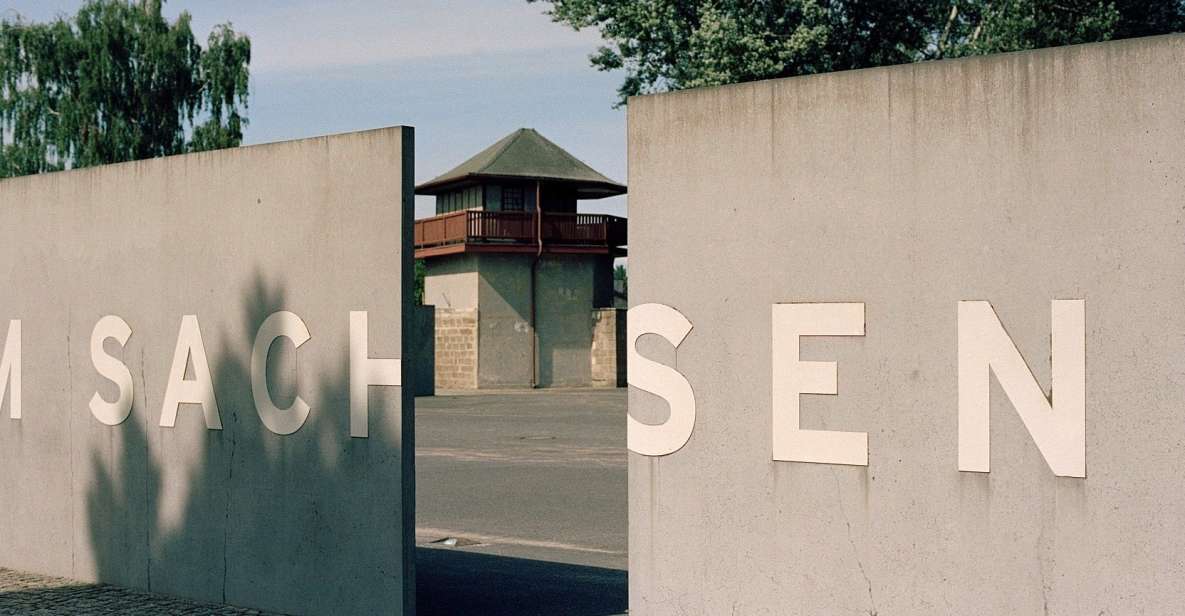
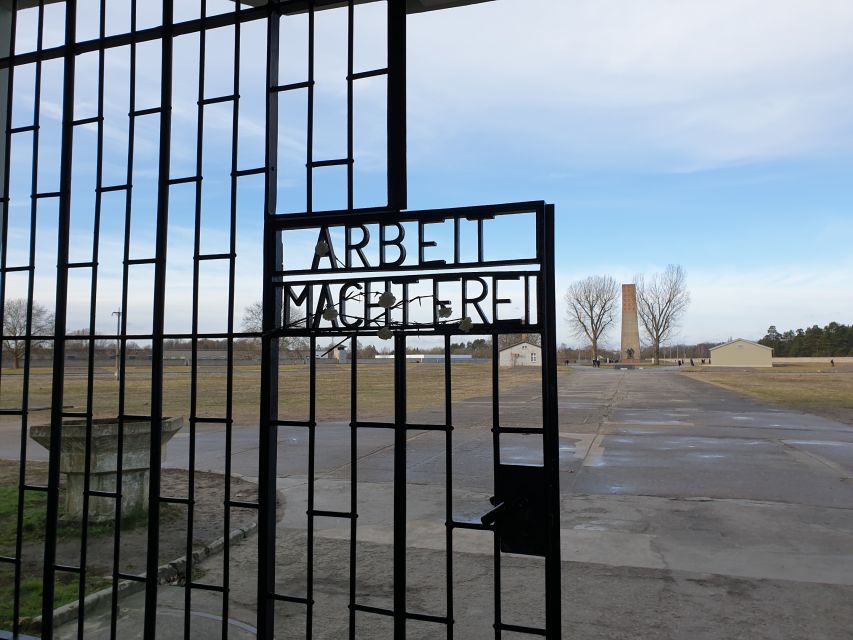
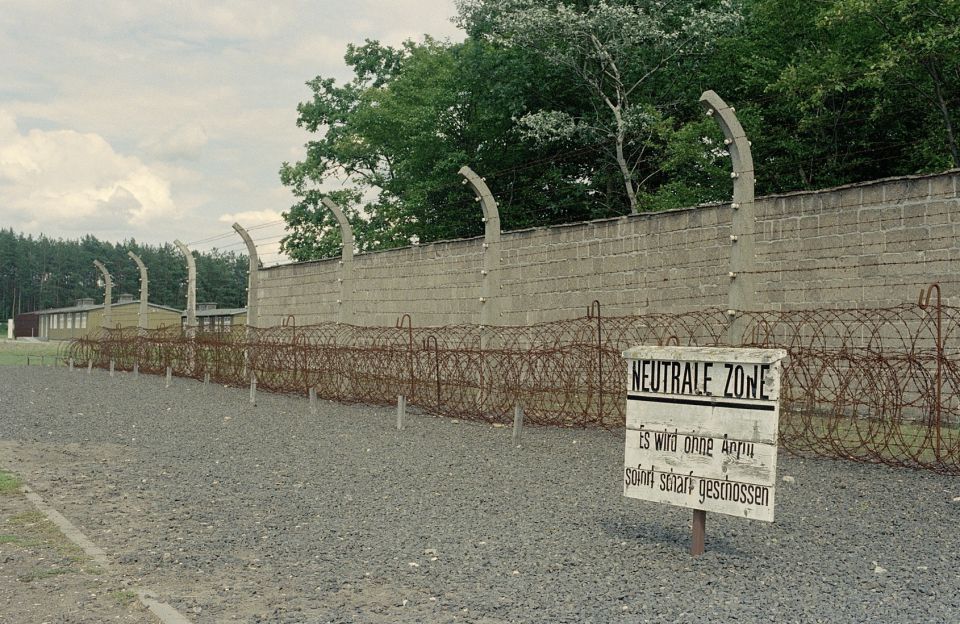
- Up close to the camp’s layout: you’ll see places like Tower A and the roll-call square as the guide explains control mechanisms
- A long, guided walk (3 to 3.5 hours): expect sustained interpretation inside the memorial grounds
- Multi-language guide options: tours run in French, Italian, and English
- No eating inside the memorial: bring your lunch for the train part of the day, not for the grounds
- A required cash donation: the memorial asks for a €3 contribution paid at the meeting point
Sachsenhausen Memorial: the “model” camp that shaped the system
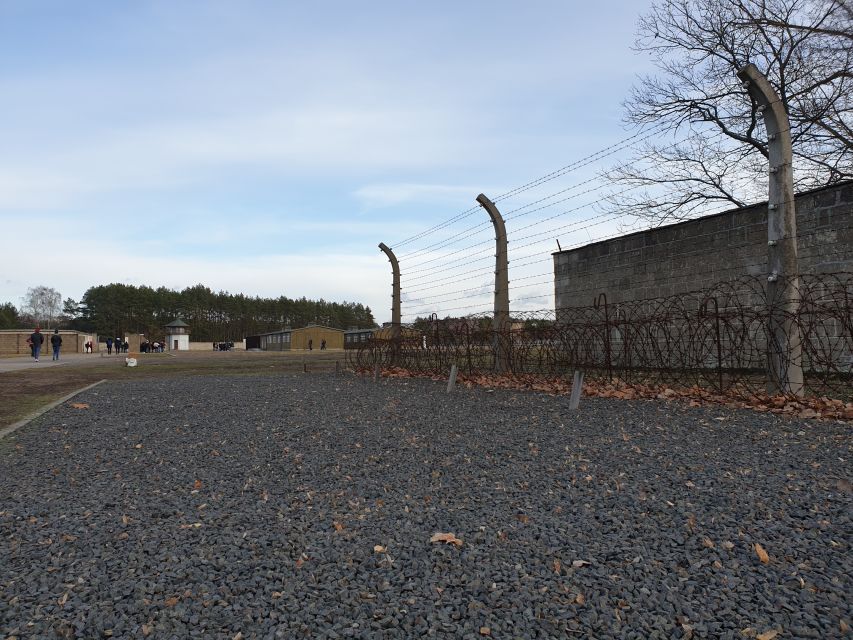
Sachsenhausen is close enough to Berlin that it can feel like a simple day trip on paper. But once you’re there, it quickly becomes clear that “nearby” doesn’t mean “small.” The memorial tells the story of a place built as a mechanism of terror, first as a tool for the SS to crush political opponents, then as a template that influenced how other camps were run.
What I value most is that the tour doesn’t treat Sachsenhausen like a set of isolated ruins. The guide frames it as a prototype—a camp designed to demonstrate how total subjugation works in practice. You’ll hear how Nazi architects used physical space, sight lines, and routines to reduce human freedom to something measurable and controllable. It’s not only about events; it’s about the machinery of oppression.
The camp’s timeline also matters. Sachsenhausen started under the Nazi regime in 1936, and after World War II it didn’t instantly disappear. Under Soviet occupation it continued as a special camp where thousands of people—including former Nazis, political opponents, and civilians—were detained, with many dying from hunger and disease. That postwar continuation is part of why a guided visit helps: otherwise, it’s easy to make history too tidy.
You can also read our reviews of more walking tours in Berlin



From Berlin to Oranienburg: how the day actually flows
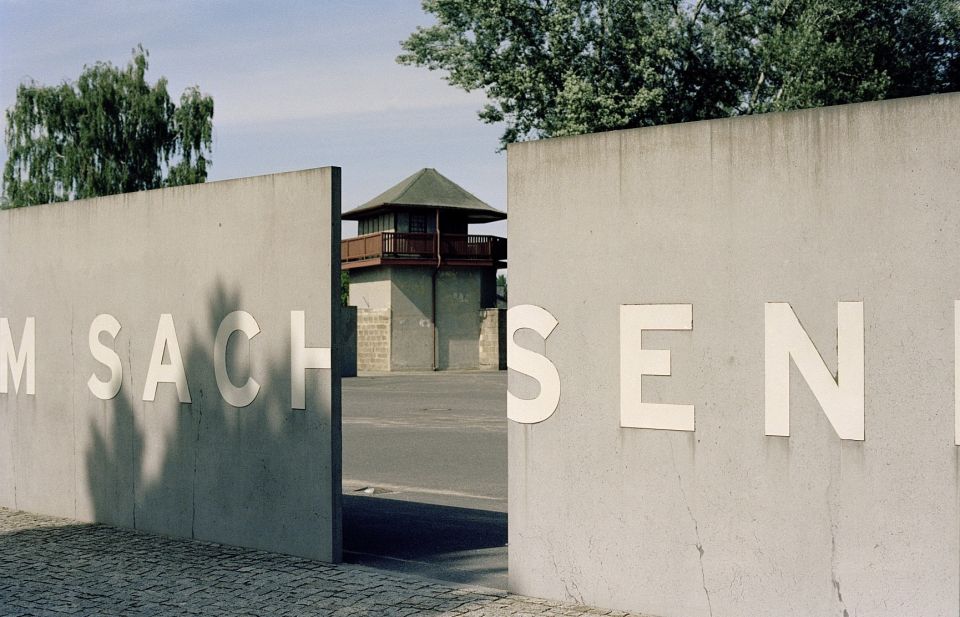
You’ll start in Berlin and travel together by S-Bahn to Oranienburg, the nearest rail station to the memorial. The total experience is about 6 hours, which is long enough for a real walk through the site, but short enough that you’re still back in Berlin the same day.
Timing is the first practical thing I’d respect. The group most likely takes the train shortly after the official start time (about five minutes after), and you can’t count on waiting for late arrivals. Arrive at least 15 minutes early if you want the day to feel calm instead of rushed.
Here’s a small tip that can save stress: because there’s no lunch stop during the whole day, plan to eat during the travel time. The tour asks you to bring your own lunch for the train portion, and it also notes that eating isn’t permitted on the memorial site. If you bring a snack you’re comfortable with (something you can eat quickly on the train), you’ll feel better once the guided walk begins.
Also, bring your comfort factor: the experience involves a lot of walking and it runs in all weathers. Comfortable shoes aren’t optional—this is a day when you’ll be grateful for good soles.
Inside the camp: what you’ll see during the guided walking route
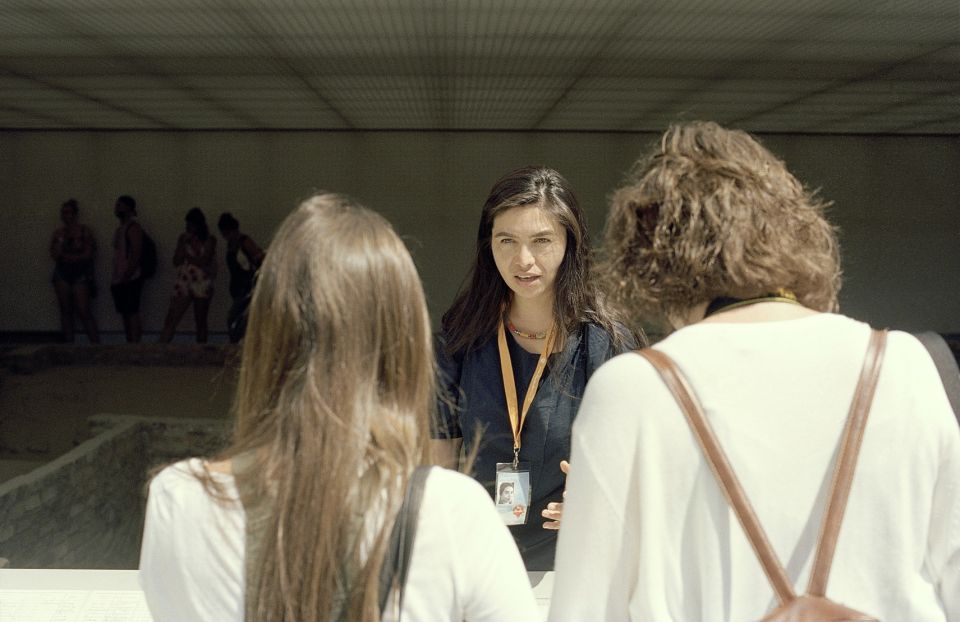
The core of the day is a guided walking tour inside the former camp. You’ll spend around 3 to 3.5 hours moving through key locations while the guide connects each stop to the wider story—how prisoners were processed, worked, punished, and killed.
Some of the specific points you can expect to cover include:
- Tower A and the roll-call square
This is where the camp’s logic becomes visible. You’ll learn how watchpoints and roll-call routines enforced constant surveillance and discipline.
- Forced labor and punishment systems
The tour explains the mechanisms behind exploitation: not just that prisoners were forced to work, but how labor and punishment were part of a controlled system designed to break resistance and dignity.
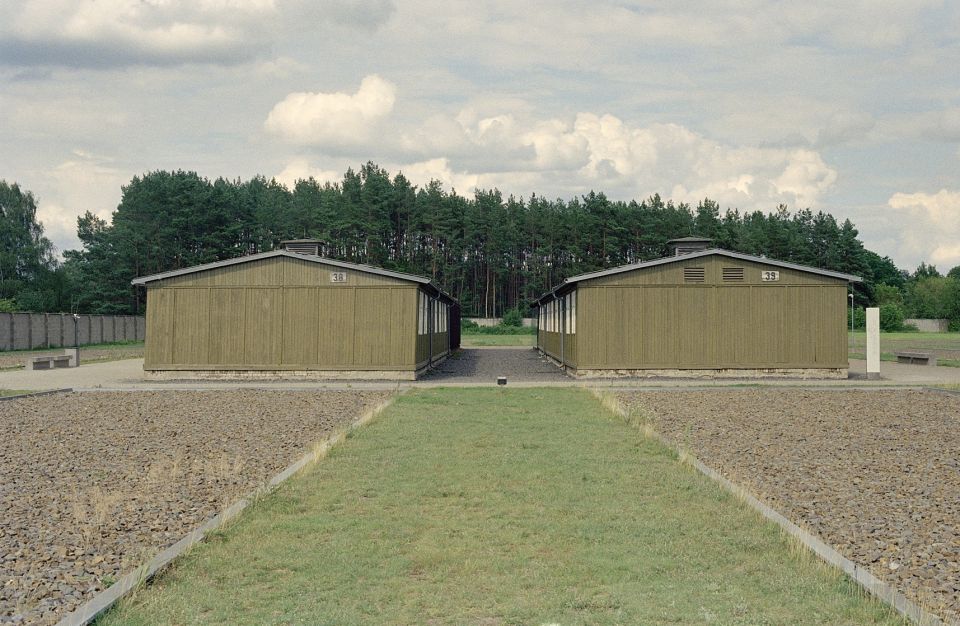
- Prison barracks and medical experimentation rooms
These locations help explain how Nazi violence extended beyond labor camps into systematic abuse, including experiments carried out under brutal conditions.
- The former kitchen, now a museum
Seeing domestic or everyday spaces—reframed as museum rooms—can be especially unsettling. The guide uses these stops to show how normal-seeming structures fit into an abnormal regime of control.
- Station Z, tied to cremation and killings
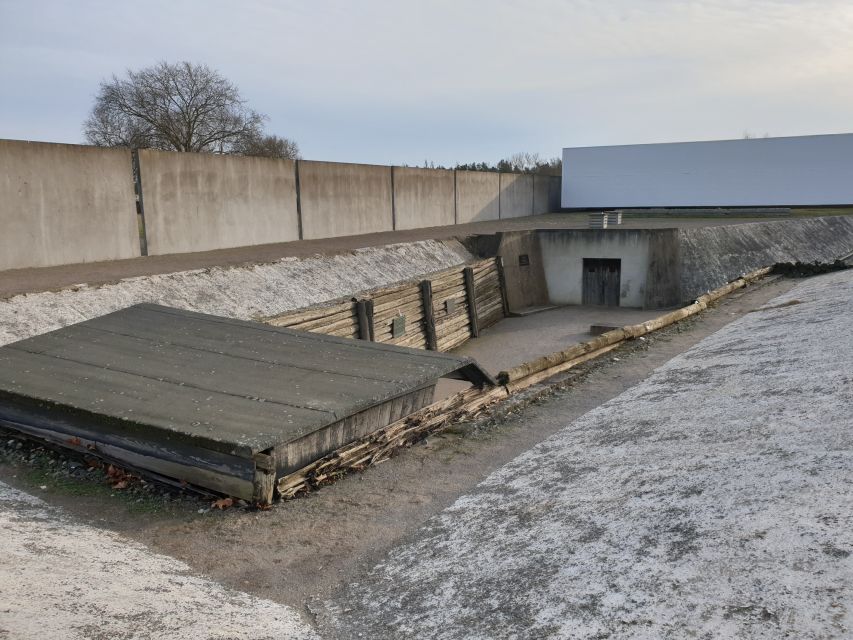
This part of the tour addresses the facilities used for the final stages of the murder system. It’s not information meant to shock for its own sake; it’s presented to help you understand what the camp was designed to do.
During the walk, you’ll also hear about day-to-day life inside Sachsenhausen, including prisoners’ attempts at resistance. And near the end of the war, the tour covers the death marches and what happened during collapse and transfer.
If you’re worried about the emotional weight: it’s reasonable to feel it. The difference here is that the guide is not just listing events. The interpretation focuses on structure—how oppression was organized—and that can make the day feel clearer, even when the subject is unbearable.
Why the guide matters (and the multilingual comfort helps)
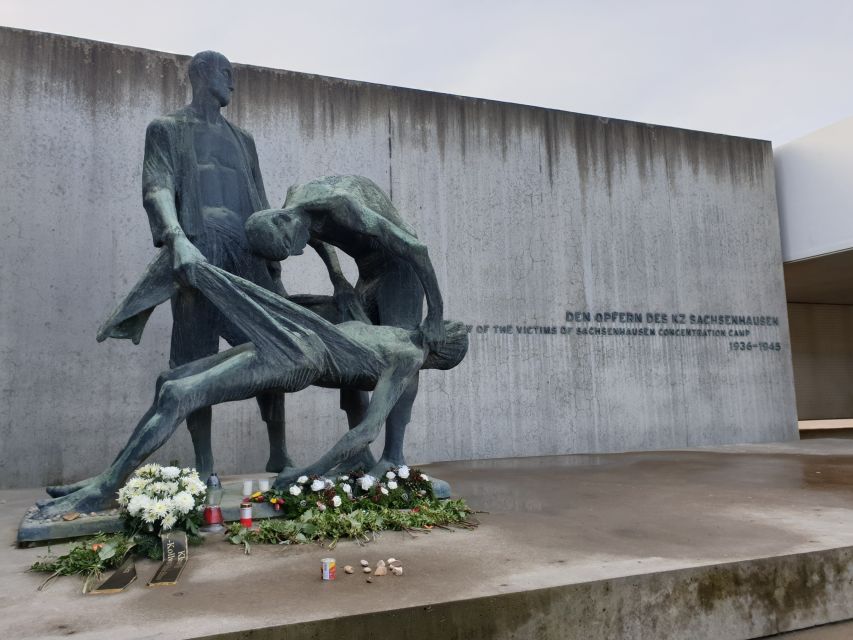
Sachsenhausen is the kind of site where words can either confuse you or help you keep your footing. This tour is built around a certified guide who explains the history using professional historical research and survivor testimonies.
I like the way the tour is set up for clear communication. The tour offers guides in French, Italian, and English, so you’re less likely to lose important details because of language barriers. And it’s not some generic script; the guide’s job is to translate the camp’s physical features into meaning you can actually hold in your head.
From recent guide names showing up on different departures, you might be led by people like Fabio, Soleil, Lorenzo, Sueli, or Andrea. Exact guide assignments depend on the date, but what’s consistent in the experience is the emphasis on empathy and careful explanation—especially because the topic is so delicate.
One other practical advantage: these tours run in small groups of up to 25 people. That’s not a private museum tour, but it’s small enough that the guide can keep the group together and answer questions when appropriate.
The real costs: tour price, transit tickets, and the €3 donation
Let’s talk value in a way that helps you decide.
The tour price is listed as $511 per group up to 6. That might sound high compared to a standard bus trip, but here you’re paying for more than movement from A to B. You’re paying for a guided interpretation of a complex, heavily designed memorial site—guided by professional, qualified people, for the better part of your day.
On top of that, there are two things you should budget for:
- Berlin public transport (zones ABC): the tour doesn’t include ABC tickets, so you need to bring them or buy them separately
- A mandatory €3 donation in cash: the memorial requests €3 paid at the meeting point as a donation, and the amount goes to the Sachsenhausen Concentration Camp Memorial
Because the €3 has to be paid cash, I’d make it easy on myself and bring the right change before you meet.
Value-wise, I think this pricing structure makes sense if you’re traveling with a few people and want a guide-led visit rather than trying to interpret everything on your own. It’s also a good option if you don’t want to turn the day into a logistics puzzle on top of emotional impact.





What to bring (and what not to) so the day stays bearable
This is one of those tours where the checklist isn’t “nice to have,” it’s what keeps you from feeling miserable halfway through.
Bring:
- Comfortable shoes (the walking is substantial)
- Food and drinks for the travel part (and because there’s no lunch stop)
- A public transport ticket for Berlin zones ABC
- Dress for the weather since it runs in all weathers
Not allowed:
- Smoking
- Alcohol and drugs
- Nudity
One more practical thought: since eating isn’t permitted on the memorial site, plan a lunch you can handle quickly. You’ll likely be glad you brought something simple, not something that needs searching, reheating, or extra cleanup.
After the tour: staying with the site vs. heading back to Berlin
When the guided portion ends, you return to Berlin together. You’re also welcome to stay longer at the memorial and explore further on your own.
That’s a good option if you feel like you need extra time with the museum materials or want to revisit particular areas. If you’re the type who processes best by slowing down after guided interpretation, you’ll likely benefit from staying an additional stretch.
If you’d rather keep the day tightly scheduled—especially if you have limited time in Berlin—going back with the group is a sensible choice. The key is to recognize that Sachsenhausen isn’t a “quick look” stop. Even after the tour, your brain will still be sorting what you saw.
Who this tour is best for (and who should consider something else)
This tour is a strong fit if you:
- want a guided, structured explanation of how the Nazi camp system worked
- prefer professional interpretation over self-guided wandering
- are comfortable with a serious, emotionally heavy topic
- like the idea of combining history with a practical day trip from Berlin
It may feel like a lot if you:
- struggle with long periods of walking without breaks
- need frequent meal stops (there’s no lunch stop, and eating is not permitted on the memorial site)
- want an experience that’s light or casual (this is not that)
It’s also a good pick for language learners or multilingual groups because you can choose French, Italian, or English.
Should you book Sachsenhausen Memorial from Berlin?
I’d book it if you want the clearest possible path into Sachsenhausen—especially the way the guide connects the camp’s architecture, routines, forced labor, punishment, and killing facilities into a single story. The best reason to do it this way is that you’re not just touring grounds; you’re learning how the camp was deliberately designed to enforce SS authority and subjugation.
I’d think twice if you’re not ready for a heavy day with lots of walking and no on-site food. If that describes you, plan smarter rather than skipping—choose comfortable shoes, bring a meal for the train time, and arrive early so the day doesn’t start with stress.
If you’re traveling in a group of up to 6, the pricing can be especially practical, because you’re essentially buying guided expertise and saving yourself the guesswork of transit and timing.
If you do book, treat the visit like it matters. It does—and the guide-led focus on how the system worked is what makes the day more than a checklist of sights.
FAQ
How long is the Sachsenhausen Memorial walking tour from Berlin?
The full experience is about 6 hours, with a guided walk inside the memorial lasting around 3 to 3.5 hours.
What language will the guide speak?
The tour is offered with live guides in French, Italian, and English.
How do we get from Berlin to the memorial?
You travel together from Berlin by S-Bahn to Oranienburg, which is the nearest station to the Sachsenhausen Memorial.
Do I need to buy Berlin public transport tickets?
Yes. ABC public transport tickets are not included, so you’ll need to have a ticket for the zones ABC of Berlin.
Is there a required donation?
Yes. You must pay a mandatory €3 donation in cash at the meeting point, and the money goes to the Sachsenhausen Concentration Camp Memorial.
Is there time to eat lunch during the tour?
Eating is not permitted on the memorial site, and there is no lunch stop during the whole activity. You’re recommended to bring your own lunch for the train journey.
What should I bring and wear?
Bring comfortable shoes, food and drinks for the travel part of the day, and your public transport ticket. Dress for all weather since the tour runs in all weathers.
Is the tour okay for people who don’t like walking?
It involves a lot of walking. If you prefer very light walking or frequent breaks, this may not be the best match for you.