REVIEW · BERLIN
Berlin Highlights 3-Hour Bike Tour
Book on Viator →Operated by Fat Tire Tours - Berlin · Bookable on Viator
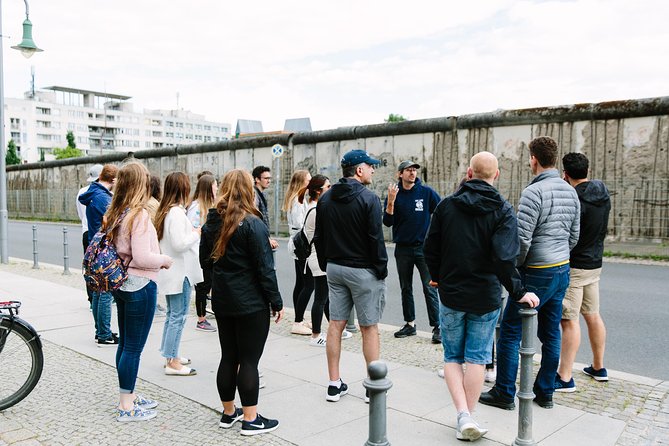
Berlin by bike hits different fast. In just three hours, you can cover a lot of ground while a guide ties the streets to Berlin’s shifting eras. I like this tour because it’s built for short stops, quick photo breaks, and real narration as you pass the places that shaped modern Germany, from the Prussian past to the Wall.
Two things I really like: the bike setup is easy and practical (bike + helmet included, plus help choosing the right ride), and the guide time at each stop makes the tour feel like a walk through a timeline. Guides like Sam and Nate get praised for bringing stories to life with humor and even visual aids like chalk-drawn illustrations.
One drawback to consider: this is a highlight tour, so you mostly see sights from the outside and only get brief stops. If weather turns nasty, you may lose some time, and that can mean less detail at a few locations.
In This Review
- Key Points That Make This Tour Worth Your Morning
- Why a 3-Hour Highlights Ride Works in Berlin
- Getting Started at Alexanderplatz (and Finding Your Bike Fast)
- How the Guide Turns Landmarks Into a Real Timeline
- Stop-by-Stop: Parliament District to Embassies and Gropius
- Bundeskanzleramt: Chancellor’s Office Area and the Merkel Question
- Neptune Fountain and Rotes Rathaus: Old City Style, Big Identity
- Humboldt University and St. Hedwig Cathedral Outside Views That Still Matter
- Unter den Linden and the Book-Burning Memorial at Bebelplatz
- Stadtschloss Berlin: A Reconstructed Palace With Political Weight
- Museum Island Exteriors: Old Museum, Berlin Cathedral, and the New Museum
- Holocaust Memorial: Explanation and the Option to Walk Through
- Nazi-Era Architecture and the Finance Ministry Building
- Brandenburg Gate, Hotel Adlon Stories, and the Reichstag Exterior
- TV Tower and Alexanderplatz: East Berlin’s Center of Gravity
- Potsdamer Platz, Museum Island Again, and the Walk-Through Memory Trick
- Hitler’s Bunker Site (Fuhrerbunker) and Berlin’s Green Lung
- What’s Included, and What You Should Expect Outside-Only Viewing
- Price and Value: Why $42.33 Can Make Sense
- How Easy Is the Ride, Really?
- Who This Bike Tour Best Fits
- When You Might Want a Different Tour Format
- Should You Book This Berlin Highlights Bike Tour?
- FAQ
- How long is the Berlin highlights bike tour?
- What’s the price per person?
- Is the tour in English?
- What’s included with the tour?
- Do I need to bring a helmet?
- How big are the groups?
- What if the weather is bad?
- Can I cancel for a full refund?
Key Points That Make This Tour Worth Your Morning
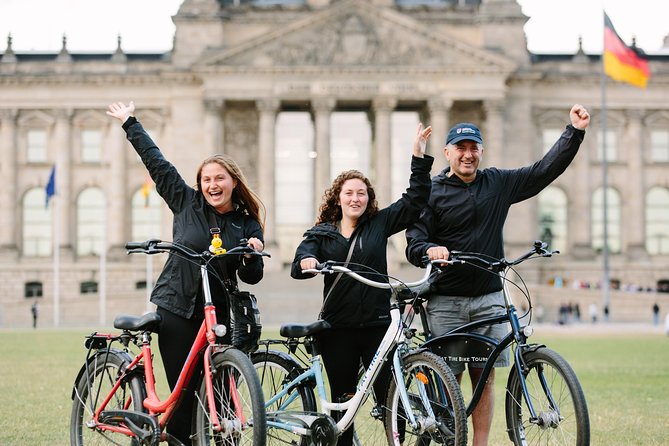
- Helmet and bike included, and you get help getting set up right at the start.
- Short, efficient sightseeing stops so you’re not cycling long distances between landmarks.
- English narration with room for questions, so you can steer toward what you care about.
- Top memorial and history stops like Bebelplatz and the Holocaust Memorial get clear explanations.
- A flat, easy pace that fits newcomers, families (kids bikes can be arranged), and solo visitors.
- Small groups up to 15 which helps the guide keep an eye on everyone.
Why a 3-Hour Highlights Ride Works in Berlin

Berlin is big, and the highlights are spread out. A bike tour compresses that into a half-day rhythm, so you’re not spending your best morning in transit.
This one is designed around short photo moments plus story time. You get enough context to understand what you’re looking at, not just a checklist of famous spots.
You can also read our reviews of more cycling tours in Berlin

Getting Started at Alexanderplatz (and Finding Your Bike Fast)
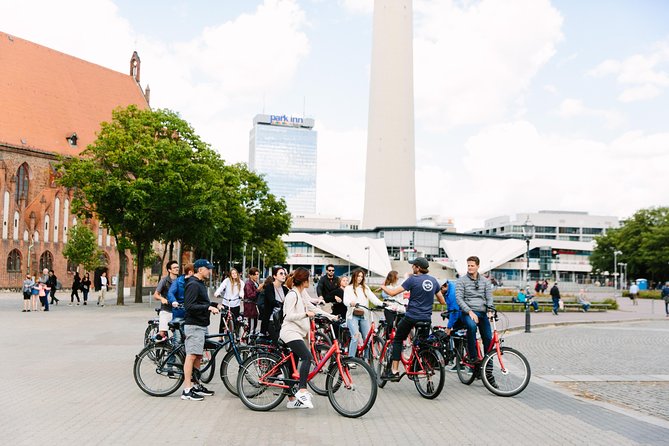
The tour meets at Alexanderplatz, in central Berlin, at Panoramastraße 1A, 10178 Berlin. You’ll get guided bike fitting and start-up help, which matters on a city tour where balance and comfort affect everything.
Bike and helmet are included. Even though the helmet isn’t required, I’d still wear it because it’s extra safety on busy streets. Dress in layers, because Berlin mornings can swing from crisp to freezing.
How the Guide Turns Landmarks Into a Real Timeline
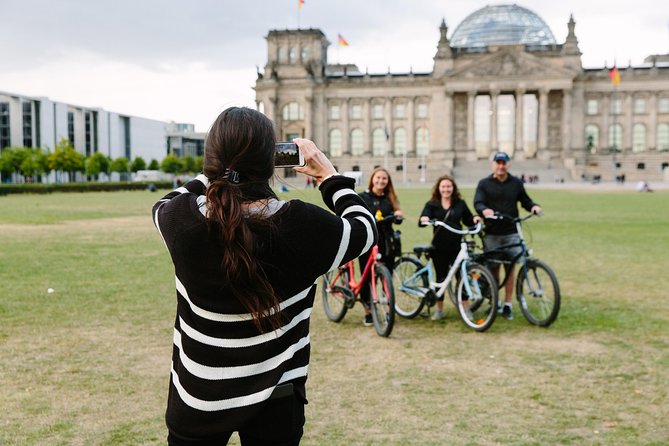
The best part isn’t moving fast. It’s what you hear while you move. Guides are consistently described as clear, easy to follow, and good at answering questions without rushing you off to the next corner.
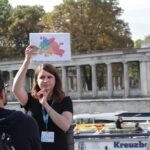
In stronger runs, guides add extra personality. People talked about humor, chalk-drawn sketches, and guides with deep Berlin backgrounds such as Sam, who was described as holding a history degree from Humboldt University.
Also, the pacing is built so you’re not constantly pedaling hard. The route includes frequent stops so you can pause, ask questions, and take photos without feeling like you’re sprinting between sights.
Stop-by-Stop: Parliament District to Embassies and Gropius
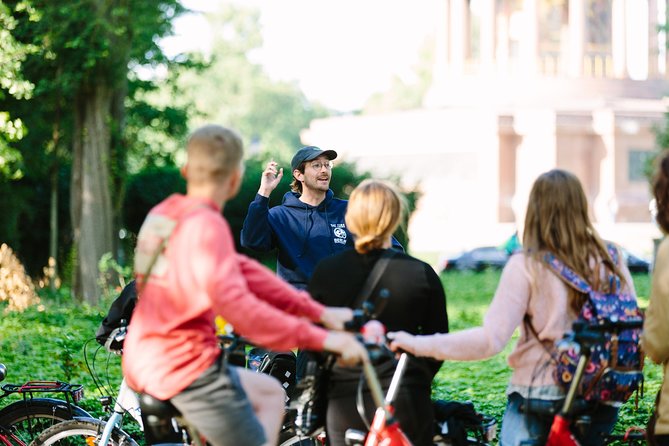
You begin the loop with a central “get rolling” segment, and then you move into classic Mitte sightlines.
At the first cluster, you’ll see where German parliamentarians work, then continue past a bell tower where you might be able to hear the free weekly concert. You’ll also pass the Swiss Embassy and view the Martin Gropius Building from the outside.
What makes this early stretch useful is how the guide sets context. You’re not just seeing buildings. You’re learning what the area represented across different government and cultural eras, which helps everything later in the tour land harder.
Bundeskanzleramt: Chancellor’s Office Area and the Merkel Question
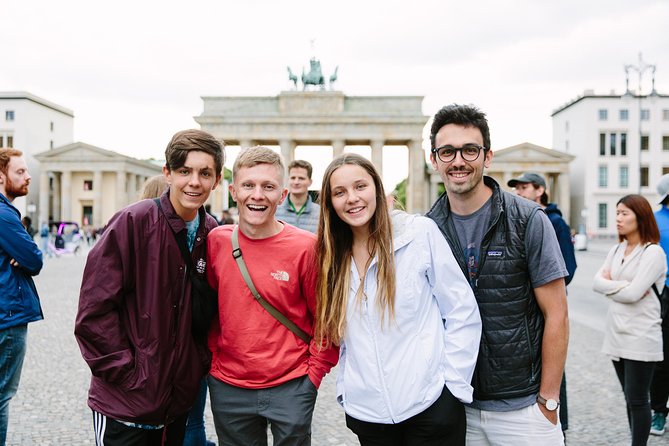
Next comes the German Chancellery, the Bundeskanzleramt. This is one of those “power in plain sight” stops where the architecture and location do a lot of storytelling.
You may get a chance to take pictures around Angela Merkel’s office area, depending on where you’re positioned. Even if you’re not going into buildings, it’s a strong way to understand the scale of modern German governance.
You can also read our reviews of more tours and experiences in Berlin


Neptune Fountain and Rotes Rathaus: Old City Style, Big Identity
Now you’re in the heart of historic Berlin’s public spaces. You’ll stop at Neptune Fountain for photos, then continue to the Rotes Rathaus, the Red Townhall.
From there, you’ll view St. Mary’s Church, noted as the oldest functioning church in Berlin. That’s a meaningful contrast after the government buildings: it reminds you Berlin’s story didn’t start with modern politics.
Humboldt University and St. Hedwig Cathedral Outside Views That Still Matter
You’ll ride past Humboldt University, including the faculty of Law. It’s a quick stop, but it signals how Berlin became a place where ideas, not just power, get shaped and exported.
Then you’ll see the Cathedral of St. Hedwig (Domgemeinde St. Hedwig). You’re mainly viewing it from the outside, but the guide helps you read the style—especially its imperial architecture—so it doesn’t feel like a random church on a route.
Unter den Linden and the Book-Burning Memorial at Bebelplatz
Under den Linden is one of Berlin’s signature avenues. You’ll see the State Opera House and get time for photos.
Then comes one of the most memorable stops: the Book Burning Memorial at Bebelplatz, tied to the Nazi book burnings. The guide explains what happened and why this site matters, and you’ll have time for pictures and reflection.
A second Bebelplatz stop can also appear later on the route, reinforcing the theme. For many people, this is the emotional center of the tour, because the story is specific and the location is unmistakable.
Stadtschloss Berlin: A Reconstructed Palace With Political Weight
You’ll also see the reconstructed Stadtschloss Berlin (the City Palace). It served as a residence for Brandenburg electors, Kings of Prussia, and German emperors.
Even if you know the headline facts, seeing the building’s presence from the street helps you feel why it keeps coming up in Germany’s debates about memory and identity.
Museum Island Exteriors: Old Museum, Berlin Cathedral, and the New Museum
From here the tour shifts into arts and institutions. You’ll view the German Historical Museum area from the outside, plus stops like Altes Museum and Museum Island viewpoints.
You’ll also see Berliner Dom, built as a court church of royals in the late 1800s in Italian Renaissance style. Another key exterior stop includes the New Museum.
You won’t be touring these interiors during this quick bike loop. That’s not a flaw if your goal is orientation and understanding. Just know that if you want to go inside, you’ll need to plan separate time and tickets.
Holocaust Memorial: Explanation and the Option to Walk Through
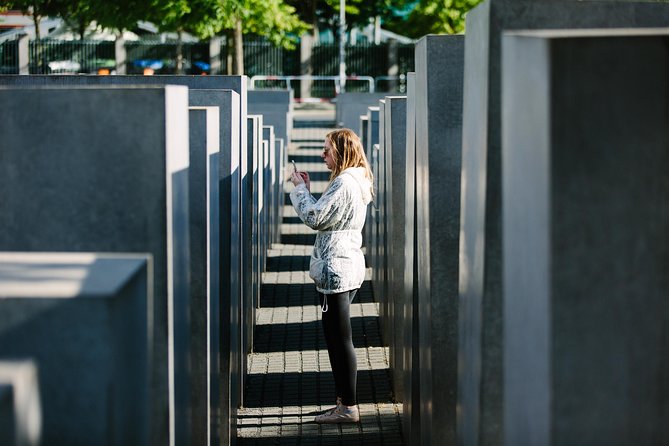
The Holocaust Memorial, also called the Memorial to the Murdered Jews of Europe, is on the route. You’ll stop for explanation and photos, and you might have the option to walk inside.
This stop is treated with care during the tour format: the guide sets the meaning, then you get a few minutes to absorb it yourself. It’s one of the places where the “short stop” approach still works, because the site speaks strongly on its own once you have the context.
Nazi-Era Architecture and the Finance Ministry Building
Next, you’ll see the Bundesministerium der Finanzen, formerly the Luftwaffe Headquarters. The stop focuses on Nazi architecture and what these buildings represented during the dictatorship period.
Seeing it by bike is effective because it’s in the middle of the city’s everyday streetscape. Berlin forces you to notice how history can sit right next to normal life, and that contrast is hard to get by skipping the streets.
Brandenburg Gate, Hotel Adlon Stories, and the Reichstag Exterior
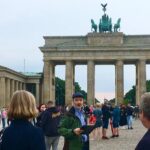
Then you’ll reach Brandenburg Gate. There’s time for pictures and explanation at the gate, and it’s one of the tour’s easiest “anchor points” for your photos.
You’ll also pass the Hotel Adlon Kempinski Berlin, famous in pop culture for a balcony story involving Michael Jackson dangling his baby. The tour keeps it brief, but it’s a vivid reminder that Berlin isn’t frozen in textbooks.
After that, you’ll see the French Embassy and then the Reichstag Building from the outside. The guide explains what you’re looking at, and you’ll have a chance to take pictures when the route allows.
TV Tower and Alexanderplatz: East Berlin’s Center of Gravity
Next comes Berliner Fernsehturm, the TV tower. The guide explains its significance, and you get photo time.
Then you’ll talk about Alexanderplatz itself, including its role as a former East Berlin center. For first-timers, pairing the TV tower with Alexanderplatz helps you understand why East Berlin had its own kind of skyline and priorities, even before reunification.
Potsdamer Platz, Museum Island Again, and the Walk-Through Memory Trick
You’ll ride by Potsdamer Platz. It’s a quick pass, but it’s a useful contrast point after Alexanderplatz—an area tied to different phases of Berlin’s development.
You’ll also see Museum Island from the outside again as the loop keeps feeding you the big “why Berlin looks the way it does” picture. The repeated views are helpful because they make the city feel less like a blur and more like a connected map.
Hitler’s Bunker Site (Fuhrerbunker) and Berlin’s Green Lung
The tour reaches the Fuhrerbunker site, tied to Hitler’s final weeks. This is a heavy moment, and it lands because the stop is factual and direct.
Then you’ll see the large park Berlin is known for—often described as the city’s green lung. After memorials and war-era architecture, it’s a pressure release.
Finally, you’ll pass the American Embassy. It’s a fitting capstone because the tour covers not only German events, but also how global powers shaped Berlin’s postwar reality.
What’s Included, and What You Should Expect Outside-Only Viewing
The essentials are clear: bike and helmet are included, plus an English-speaking guide.
Most of the major stops are designed as short exterior/photo stops. Some memorial areas are free to view, while other sites listed on the route note that admission tickets are not included. Translation: you’ll get great orientation, but you won’t leave with all the museums and interiors completed.
If you want to go inside anything major, treat the bike tour as your framework. Then you can pick one or two places to return to later with a more focused plan.
Price and Value: Why $42.33 Can Make Sense
At about $42.33 per person for roughly three hours, the value comes from three things working together: the bike is provided, the route logistics are handled, and the guide narration compresses years of context into a short ride.
If you tried to do this same loop on foot, you’d likely burn time just crossing between neighborhoods. If you tried to do it with a generic bus tour, you might spend more time listening from a distance and less time asking follow-up questions.
Also, the small group size (up to 15) is a real quality factor. It’s easier for the guide to keep people together and to respond when you ask something specific.
How Easy Is the Ride, Really?
The ride is described as an easy pace, and Berlin’s reputation for being fairly flat helps. In reviews, people cited distances around five to seven miles, with comfortable bikes and a smooth group flow.
That said, you still need to be ready for city cycling: intersections, traffic lights, and short waits. A 3 out of 5 review noted they got left behind briefly due to red traffic lights, and the guide did come back—so it’s worth staying alert and checking you’re with the group before moving on at stops.
Wear layers. Bring gloves if it’s cold. And even if you’re an experienced rider, keep your focus. This is a sightseeing loop, not a training session.
Who This Bike Tour Best Fits
This tour is ideal for:
- First-time visitors who want a fast orientation
- People who like history but don’t want to spend half a day researching before they see anything
- Solo travelers who want a guided route with room for questions
- Families traveling with kids, since kids bikes can be reserved by contacting the supplier in advance
It also works well if you want a safe, easy way to explore central Berlin without worrying about turn-by-turn navigation.
When You Might Want a Different Tour Format
If you want deep museum time, this isn’t it. Many stops are brief and focused on exterior views and key memorial explanations.
And if weather is rough, the tour can shorten. One review noted their experience ran about 2.5 hours due to rain and felt less informative because less time was available for each stop.
So if you’re the type who wants long time inside major buildings, you might pair this with a separate ticketed day later.
Should You Book This Berlin Highlights Bike Tour?
Yes, if you want a smart first-orientation ride with strong guide storytelling and a route that hits Berlin’s biggest, most meaningful sites in a short window. You’ll get bikes and helmets, an English guide, and quick time at iconic places like the Brandenburg Gate, the Holocaust Memorial area, and Alexanderplatz.
I’d book it early in your trip. Use it to learn what you care about most, then come back on your own for deeper exploring where you want more time.
If you’re visiting in uncertain weather or you dislike exterior-only stops, keep your expectations realistic. You’ll still come away with a map in your head, and that alone can save you hours later.
FAQ
How long is the Berlin highlights bike tour?
It runs about 3 hours.
What’s the price per person?
The price is listed as $42.33 per person.
Is the tour in English?
Yes, the guide offers narration in English.
What’s included with the tour?
You get a bike and a helmet, plus an English-speaking guide.
Do I need to bring a helmet?
Helmet use isn’t required, but one is available as part of the tour.
How big are the groups?
The maximum group size is 15 travelers.
What if the weather is bad?
The tour requires good weather. If it’s canceled due to poor weather, you’ll be offered a different date or a full refund.
Can I cancel for a full refund?
Yes. You can cancel up to 24 hours in advance for a full refund. If you cancel less than 24 hours before the start time, the amount paid isn’t refunded.