REVIEW · BERLIN
Berlin Highlights: 3-Hour Bike Tour
Book on GetYourGuide →Operated by Fat Tire Tours - Berlin · Bookable on GetYourGuide
Three hours on wheels in Berlin hits hard. In a tight, flat route, the Reichstag, Checkpoint Charlie, Wall remnants, Brandenburg Gate, Museum Island, and Prussian Berlin at Bebelplatz all show up fast, with stops for pictures and questions. I like the way the ride keeps distances short between landmarks, so the history feels fast but not frantic; I also like how guides mix big political moments with practical street-level context. One consideration: the schedule can feel brisk, and you’ll need to be alert at a handful of busier intersections.
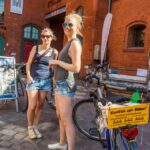
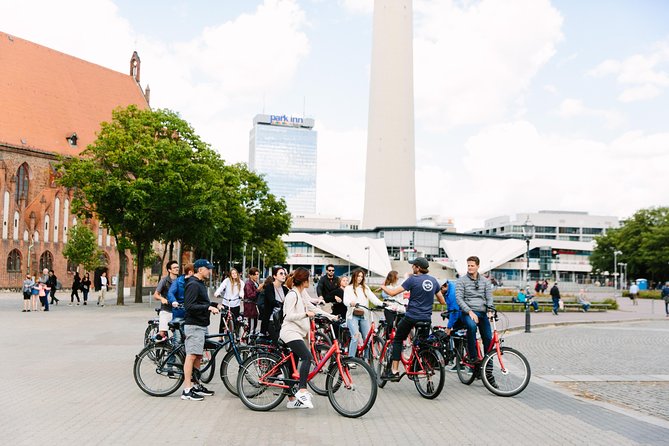
I also like that the tour starts in a super easy spot: the Fat Tire Tours office at the base of the Fernsehturm (the giant TV Tower) in Alexanderplatz, marked with their signs and flags. You get comfortable city-cruiser bikes, and helmets are provided if you want them. Expect rain or shine, so plan for real weather, not a postcard forecast, and wear closed-toed shoes so pedaling and stopping feel steady.
In This Review
- Key highlights worth your attention
- Starting at Alexanderplatz: finding Fat Tire Tours fast
- Bikes and pace: flat riding that still keeps you paying attention
- Reichstag and the road to the Third Reich: more than a photo stop
- Bebelplatz and Prussian Berlin: grounding the big stories
- Checkpoint Charlie and the Wall: seeing the division in real space
- Brandenburg Gate and Museum Island: Berlin’s iconic look, on two wheels
- How the guides shape the experience (Sam, Thor, Michele and more)
- Price and value: what $37 gets you in real time
- Safety and group flow: what to expect when you cycle in Berlin
- Who this tour suits best
- Should you book the Berlin Highlights 3-Hour Bike Tour?
- FAQ
- How long is the Berlin Highlights bike tour?
- Where do I meet the tour?
- Are helmets provided?
- What language are the guides?
- Does the tour run in bad weather?
- What sights are included?
Key highlights worth your attention
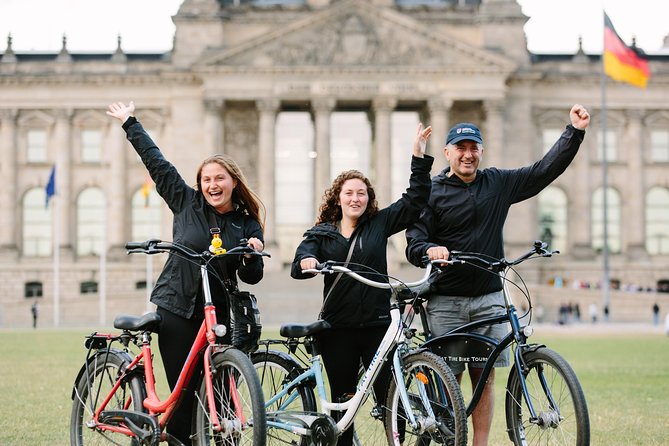
- Reichstag stop with a clear Hitler and Nazi rise-to-power storyline
- Checkpoint Charlie plus a remaining stretch of the Berlin Wall
- Brandenburg Gate and Museum Island in one smooth sightseeing block
- Short ride distances between stops, with time for photos
- English-speaking guides who answer questions and share practical tips
Starting at Alexanderplatz: finding Fat Tire Tours fast

If your day in Berlin has more plans than time, you want a meeting point that doesn’t waste it. This tour meets at the Fat Tire Tours office at the base of the Fernsehturm in Alexanderplatz, and it’s easy to spot thanks to their visible signs and flags. Alexanderplatz also helps you connect the tour to the rest of your itinerary, because you’re right in the city’s busiest, most connected zone.
When I read the reviews, a pattern shows up: people consistently emphasize how guides handle the start-up process calmly—bike fit, quick safety reminders, and getting moving without chaos. If you’ve never ridden a city bike before, that matters. The tour is built around an easy rhythm: brief rides, landmark stops, and time to look, take photos, and ask questions.
You can also read our reviews of more cycling tours in Berlin

Bikes and pace: flat riding that still keeps you paying attention
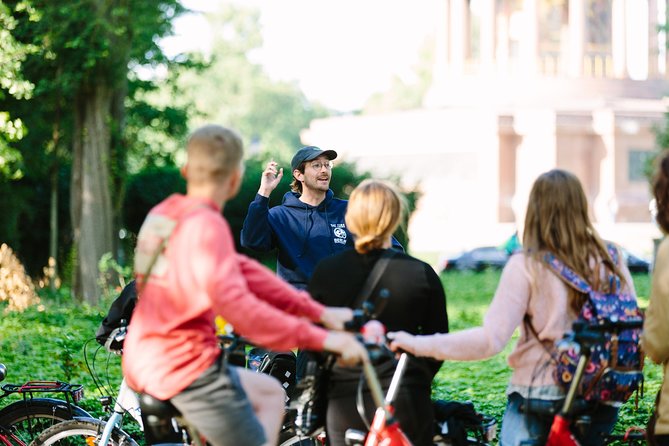
The tour runs for three hours, and the ride style is relaxed city cruising. That’s not just marketing language—it affects how you experience Berlin. When you’re not constantly fighting the road, you actually look. You notice details you’d miss from a bus window: building shapes, the flow of pedestrians, and how different neighborhoods feel when you cycle through them.
A few practical notes you should plan for:
- Helmet is optional even though one is provided.
- Closed-toed shoes are recommended, because you’ll be stopping and starting and you don’t want your feet sliding around.
- Rain or shine means you should dress for weather, not comfort indoors.
One review even mentions cycling in heavy snow, which signals the guides are used to working through unpleasant conditions. That’s a big deal, because if you’ve ever watched a walking tour get canceled by weather, you’ll appreciate that this one keeps going.
Reichstag and the road to the Third Reich: more than a photo stop
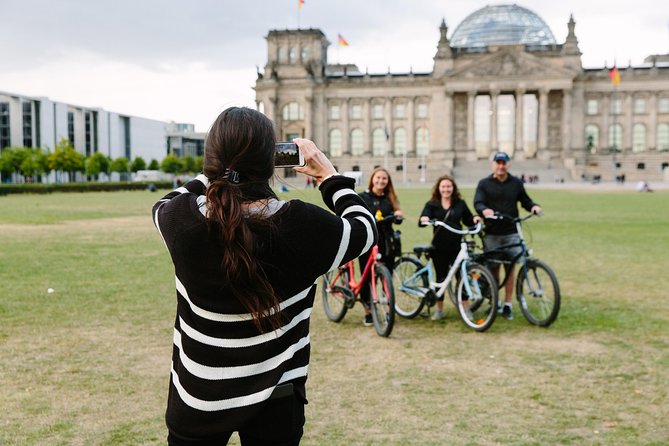
The Reichstag is one of Berlin’s most symbolic buildings, and on this tour it’s treated as more than architecture. You’ll stop at the Reichstag and get a discussion of Hitler and the Nazi’s rise to power—the kind of explanation that helps you understand why this building and this era matter so much to Berlin’s story.
Here’s why this stop is valuable for your first days in town: Berlin’s history doesn’t sit in one museum room. It shows up in street names, memorial spaces, and how people talk about democracy, power, and accountability. When your guide connects those themes to specific locations, you start to see the city as a living map of cause and effect.
What to watch for: the Reichstag area can have periods of heavier movement, and your group will be stopping, regrouping, and turning around. If you’re the type who needs the perfect angle for photos, give yourself extra time during the stop and don’t lag when the group is ready to roll.
Bebelplatz and Prussian Berlin: grounding the big stories
You also head to the center of Prussian Berlin at Bebelplatz. This matters because too many Berlin tours jump straight from one dramatic era to the next without explaining the older foundation beneath it.
Prussian Berlin is the prequel. It’s where you start to understand how the city grew into the political machine that later helped shape Germany’s national direction. Even if you don’t memorize dates, you’ll walk away with a clearer sense of how modern Berlin grew from earlier power structures and urban planning.
This stop also helps balance the emotional weight of the Nazi-era conversation. Instead of only getting tragedy and conflict, you get a grounding moment: Berlin before the fracture, Berlin before the wall, Berlin as a city that developed institutions and identities over time.
Checkpoint Charlie and the Wall: seeing the division in real space
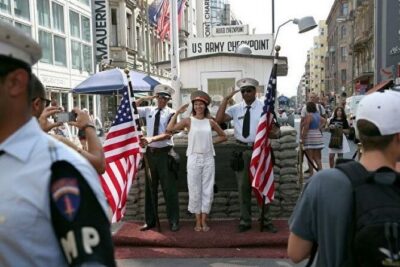
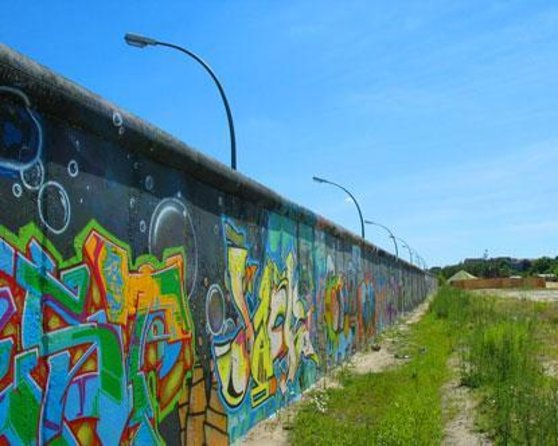
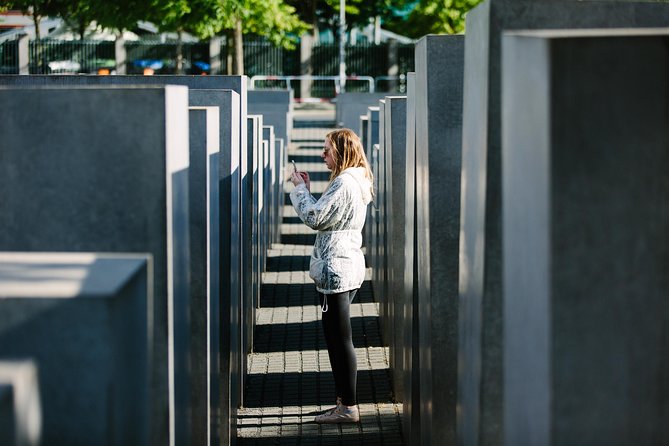
One of the most direct moments on the route is Checkpoint Charlie, plus a look at a remaining stretch of the Berlin Wall. This isn’t abstract history. You see the physical space where the city became divided and controlled.
Checkpoint Charlie is loaded with meaning, and the Wall remnants turn that meaning from story to place. When a tour includes both, you get the full arc: the human reality of crossing points, surveillance, and the daily friction of division, plus the visible scars left behind in the city’s built environment.
For practical reasons, this stop is also a good reset point. After cycling through longer stretches and hearing big political talk, you can slow down and let the visuals do some of the work. It’s often easier to remember something you can point to.
If you’re sensitive to heavy topics, plan your pacing. Don’t force yourself to rush the moment. Take a breath, look around, and ask questions when the guide is at the stop—this is where the guided context can help the visuals click.
You can also read our reviews of more tours and experiences in Berlin


Brandenburg Gate and Museum Island: Berlin’s iconic look, on two wheels
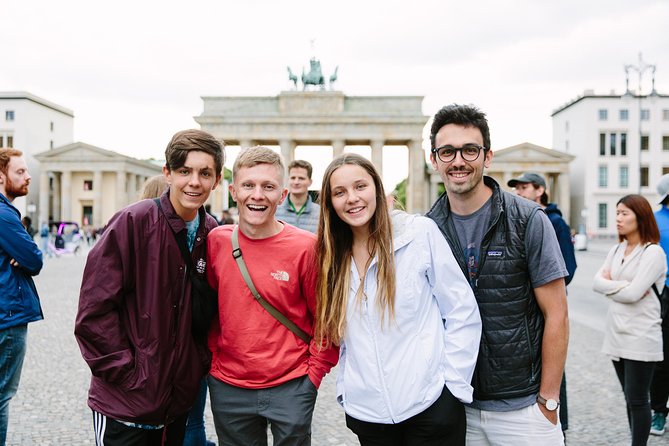
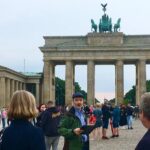
The Brandenburg Gate and Museum Island are the Berlin postcard stops for a reason, but a bike tour adds something walking tours often can’t: movement. When you cycle, you experience how sightlines open up as you approach these landmarks. You also get a better sense of spacing—how the city’s big attractions relate to each other.
Brandenburg Gate is the symbolism you’ve probably heard about. Museum Island adds the cultural layer, and together they help you remember that Berlin isn’t only about broken timelines. It’s also about rebuilding identities—civic, cultural, artistic—after major political shocks.
The route is designed so you don’t have to pedal long distances between major sights, and that matters here. You spend less time in transit fatigue and more time focusing on what makes these locations important.
How the guides shape the experience (Sam, Thor, Michele and more)
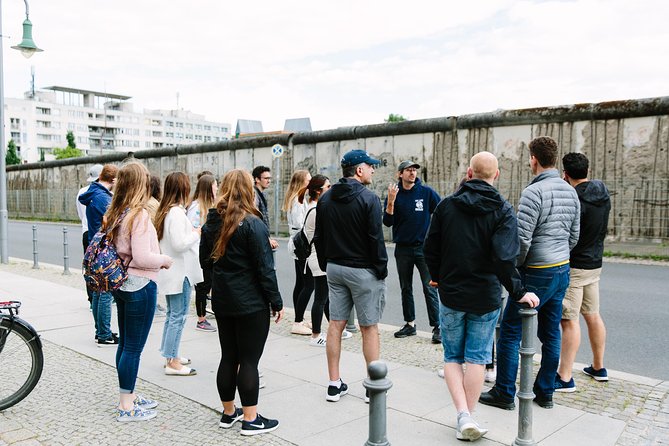
A huge part of why this tour rates so high is the guide style. Different guides bring different flavors, but the common thread is strong storytelling paired with answers to real questions.
Here are examples of guide approaches pulled from the tour experience data you provided:
- Sam mixes history with a fun tone and keeps the group engaged, with recommendations after the tour.
- Thor is often described as extremely knowledgeable and enthusiastic, down to detailed explanations that make the era feel concrete.
- Michele stands out for captivating delivery and clear explanations.
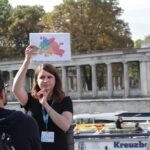
- Maggi (also spelled in a few ways in the provided names) is noted for mixing history with visuals, including drawing a map with chalk to explain how the story connects.
- Carlo combines facts and storytelling, especially around the Wall.
- In one winter ride, the guide helped the group stay dry when the weather turned miserable.
- Several guides are credited with guiding safely through intersections and backstreet sections, which is key on a city bike.
That guide variety is good news for you. It means the tour isn’t only about checking boxes; it’s about making the information stick. If you ask questions, you usually get answers on the spot, which makes the ride feel interactive instead of lecture-style.
Price and value: what $37 gets you in real time
At $37 per person for three hours, this tour can be a smart value—if your main goal is an efficient first overview. You’re paying for three things:
- Time compression: major landmarks grouped into one route.
- Guided context: history explained while you’re standing in the right place.
- Logistics handled: bikes provided, helmets optional, and the loop organized so you’re not constantly planning your next hop.
You’re not paying for a long day, and you’re not stuck bouncing between sites alone. For many people, it acts like a primer. Afterward, you’ll often know what to research deeper and what to ignore. That saves time the next day when you’re deciding between museums, neighborhoods, and memorial spaces.
It’s also good value for weather-dependent days. Since the tour runs rain or shine, the cost is less likely to feel wasted when the sky refuses to cooperate.
Safety and group flow: what to expect when you cycle in Berlin
This is an active tour, so you should set expectations for city cycling. The route is built to keep you from biking far between stops, and it’s often described as flat and easy paced. Still, you’ll encounter traffic at times. One comment highlights that about 90% of the tour felt safe and mostly went through backstreets, but that doesn’t remove the need for attention at intersections.
If you’re comfortable cycling at a moderate pace, you’ll likely find this tour very doable. If you’re a nervous rider, you’ll want to lean into the guide’s instructions at every stop and regroup. A few reviews also point out that busy intersections require care, so keep your focus—no drifting into phone-photo mode right before a crossing.
Group size also seems to help. One review noted a group of eight, and it stayed tight through traffic. Smaller groups generally mean smoother turns, fewer bottlenecks at stops, and less waiting.
Who this tour suits best
This is a strong fit if:
- You want a first-time introduction to Berlin’s core sights.
- You’re okay with a bike tour pace that’s lively but not exhausting.
- You like history that’s explained in place, not only read afterward.
- You want an option that works in real weather, not only perfect conditions.
It’s less ideal if:
- You need a slow, unstructured sightseeing day with lots of free wandering.
- You’re likely to get stressed in street cycling conditions, even with a guide.
- You hate the idea of a schedule that keeps moving between stops.
Should you book the Berlin Highlights 3-Hour Bike Tour?
I’d book it if you want the quickest path to seeing Berlin’s biggest landmarks with context attached. The three-hour format is a feature, not a limitation: you get Reichstag, Checkpoint Charlie and Wall remnants, Brandenburg Gate, Museum Island, and Bebelplatz without spending your day locked into logistics.
Book it with confidence if you value:
- Guides who answer questions and explain connections between eras
- Comfortable biking on a flat, stop-and-go route
- A route designed to keep you moving without long rides between major sights
If you’re unsure, think about your trip style. If you’re the type who feels better after getting bearings and learning how a city fits together, this tour is a great first move. If you prefer to linger and build your day around spontaneous detours, you might treat this as your fast orientation and plan a slower follow-up around the stops that pulled you in.
FAQ
How long is the Berlin Highlights bike tour?
It lasts 3 hours, with stops at major landmarks for questions and time to take pictures.
Where do I meet the tour?
You meet at the Fat Tire Tours office at the base of the giant TV Tower (Fernsehturm) in Berlin’s Alexanderplatz. The office is marked with Fat Tire Tours signs and flags.
Are helmets provided?
Yes. Helmets are provided, and wearing one is optional.
What language are the guides?
The tour guide provides an English live tour.
Does the tour run in bad weather?
Yes. The tour runs rain or shine, so dress comfortably for the weather.
What sights are included?
You’ll visit key Berlin landmarks including the Reichstag, Checkpoint Charlie and a remaining stretch of the Berlin Wall, Brandenburg Gate, Museum Island, and Bebelplatz.