REVIEW · BERLIN
Berlin: Alternative Bike Tour of Kreuzberg & Friedrichshain
Book on GetYourGuide →Operated by Berlin on Bike BoB Fahrradtouren GmbH · Bookable on GetYourGuide
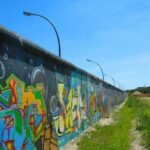
Berlin clicks into focus on two wheels. This ride strings together Kreuzberg style and East Berlin history, with car-free stretches, street art, parks, and the East Side Gallery all in one smooth loop. I especially love how the tour uses bike time to bring the city’s story to street level, not just museum-level facts, including a ride along the largest remaining piece of the Berlin Wall at the East Side Gallery.
I also like the way you actually get out of the main sightseeing track. You’ll pedal past the DDR-flavored boulevard in Friedrichshain, then glide along the River Spree as the scenery shifts into parks and back courtyards—perfect when you want a true neighborhood feel without rushing.
One consideration: the tour does not include snacks or drinks. Since you’ll cover about 17 km at a relaxed pace, it’s smart to plan for hydration and a light snack before you get hungry.
In This Review
- Quick hits
- Why this Kreuzberg–Friedrichshain ride feels like Berlin, not a postcard
- From Kulturbrauerei to RAW Tempel: DDR boulevard to Boxhagener Platz
- East Side Gallery and Oberbaumbrücke: largest Wall segment in action
- Over the Spree to Görlitzer Park and SO36’s alternative street life
- What the bike setup and pace really mean for your day
- The guide factor: Oli, Anna, Patricia, and the story-forward approach
- Price and value: is $41 a smart use of limited time
- Practical tips, who it suits, and who should rethink
- Should you book this alternative bike tour of Kreuzberg and Friedrichshain?
- FAQ
- How much does the Berlin: Alternative Bike Tour of Kreuzberg & Friedrichshain cost?
- How long is the tour and how far do you ride?
- What’s included with the tour price?
- Are snacks and drinks included?
- What group size should I expect?
- What languages are the live guides?
- Is alcohol or any drugs allowed during the tour?
Quick hits
- East Side Gallery on your bike route: see the Wall up close and in context
- DDR boulevards + alt culture: Friedrichshain to SO36 in a single afternoon
- Spree riverbanks and parks: great scenery breaks up the riding
- Small groups (max 15): more personal, more questions answered
- Guides bring the city to life: names like Oli, Anna, Patricia, Phillip, and Andy show up often in great reviews
Why this Kreuzberg–Friedrichshain ride feels like Berlin, not a postcard
If you want Berlin to feel real fast, this is a strong first-day move. Instead of jumping between distant sights, you’re riding through the neighborhoods that explain why Berlin grew the way it did. The tour connects three big ideas: the divided-city era that shaped architecture and streets, the post-Wall change that brought new life, and the alternative culture that still shows up on walls, in courtyards, and around late-night hangouts.
You’ll start in Prenzlauer Berg at Kulturbrauerei and work your way toward Friedrichshain and then Kreuzberg. That flow matters. It mirrors how Berliners move through their own city: not as separate “attractions,” but as layers. And because the guide rides with you the whole time, you’re not just seeing surfaces—you’re getting small stories that help you read what you’re looking at.
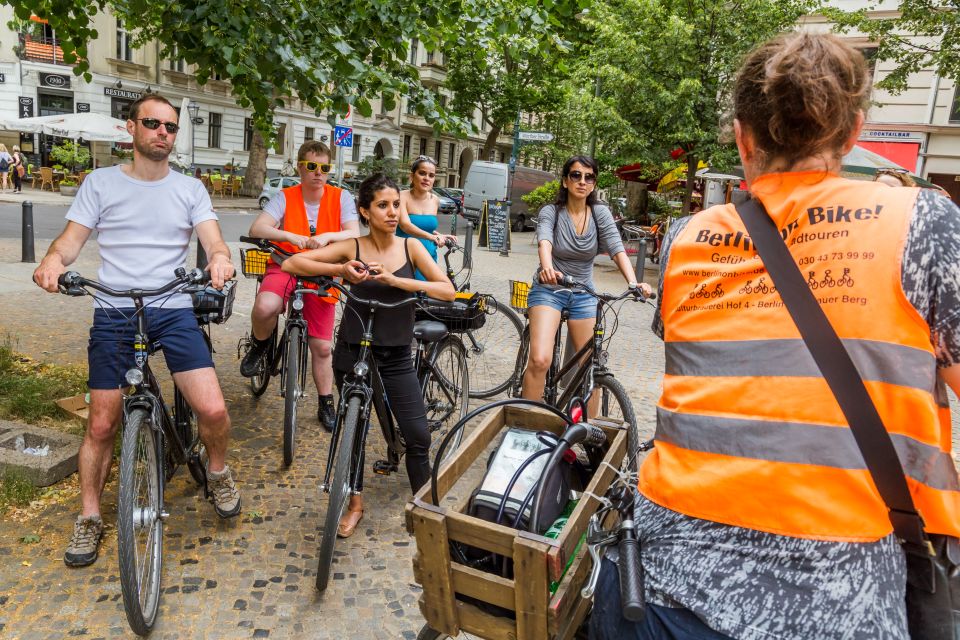
I also like that the tour is built around comfortable, practical cycling. It usually uses bike paths and safe, quiet roads, with a relaxed pace and lots of chances to stop for photos and questions. That combo is exactly what you want on a limited vacation day.
The other big plus is the “alternative Berlin” focus. Kreuzberg and Friedrichshain are where people go when they want something different—street art, creative scenes, and a mix of everyday life with history layered underneath. You don’t have to know anything beforehand. The guide hands you the context while you ride.
You can also read our reviews of more cycling tours in Berlin
From Kulturbrauerei to RAW Tempel: DDR boulevard to Boxhagener Platz
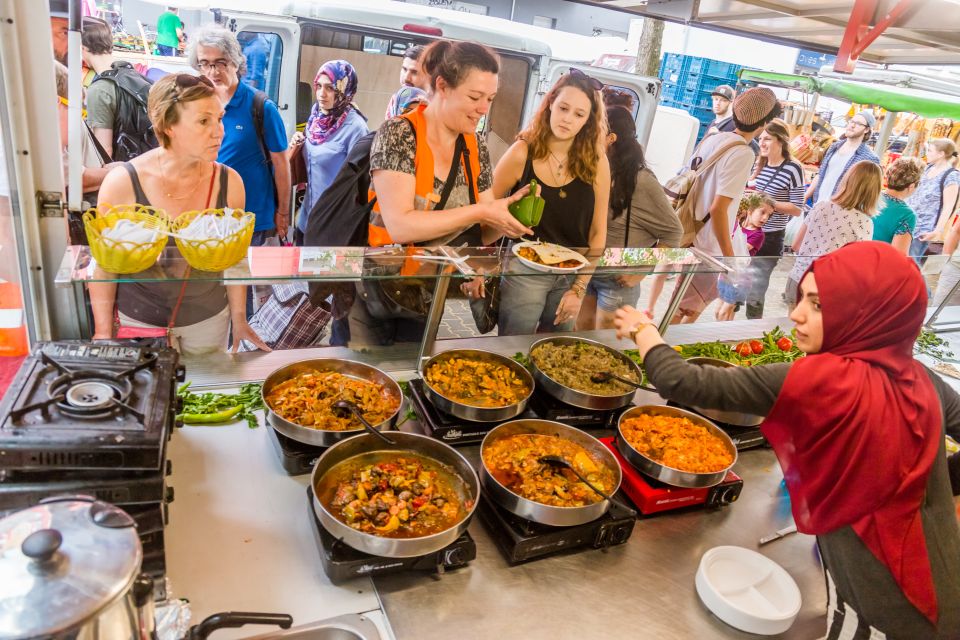
The tour begins at Kulturbrauerei in Prenzlauer Berg. From there, you head toward Volkspark Friedrichshain and the DDR-era feel of Karl-Marx-Allee. This part is useful because it sets the tone: you’re riding through Berlin’s East-city planning and grander boulevards, then you gradually shift toward more creative, local-feeling spaces.
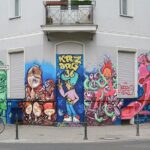
In Friedrichshain, you circle Boxhagener Platz and the RAW Tempel area. RAW Tempel is known for its alternative vibe, and that’s the point of this section. You’re not just collecting landmarks; you’re watching how a neighborhood’s identity shows up in how people live—where they gather, what kinds of venues cluster nearby, and how the street art fits into daily life.
Even better, the tour keeps the “history” stuff conversational. You’ll hear facts and also anecdotes, which is the difference between memorizing dates and actually understanding why places feel the way they do. One review even pointed out how guides tied major events like World War II and the Cold War to what you see today, which is exactly the kind of link you’re trying to make on a short visit.
A small reality check, though: Berlin cycling infrastructure can be uneven. One review noted that you may have to deal with cars in certain sections. The tour is planned to be mostly comfortable, but I’d still treat this as a ride through a real city, not a fully closed-track bike day. If you’re nervous around traffic, bring that up at the start and stay aware.
East Side Gallery and Oberbaumbrücke: largest Wall segment in action
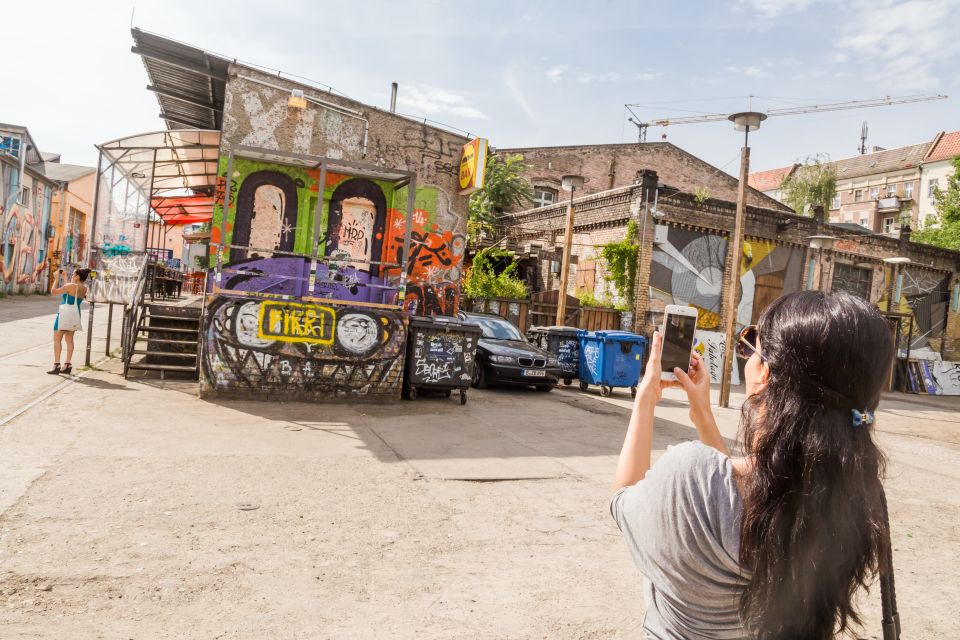
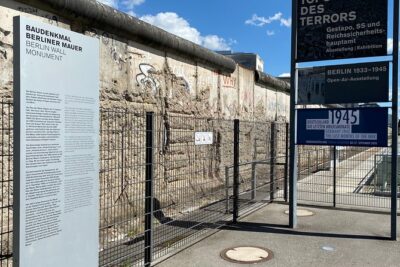
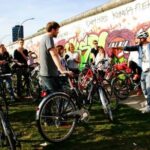
One of the headliners here is the East Side Gallery. You’ll ride along it and then cross Oberbaumbrücke into Kreuzberg. This is a powerful pairing. Seeing Wall art on foot is one thing; seeing it as part of a living commute route is another. On a bike, the experience feels less like a monument stop and more like a reminder that history sits right next to normal life.
The East Side Gallery is described as the largest remaining section of the Berlin Wall. That matters, because it’s not just “a Wall piece”—it’s a whole stretch, which gives the guide more room to talk about what the Wall represented and how its meaning shifted over time. You’ll get that context as you roll past the murals.
Then comes Oberbaumbrücke. The bridge crossing gives you a visual reset: you leave the East-side setting and move into Kreuzberg, where the mood changes again—more creative streets, more small-scale urban life, and more of that colorful SO36 energy. The transition is one of the reasons this tour works so well: you’re not stuck in one theme all day.
Also, the route design keeps things moving without turning into a sprint. Reviews frequently mention the guides staying patient and attentive, especially when groups include less confident cyclists. The pace is relaxed, and the group stays together—so you can enjoy the moment instead of constantly managing your position.
Over the Spree to Görlitzer Park and SO36’s alternative street life
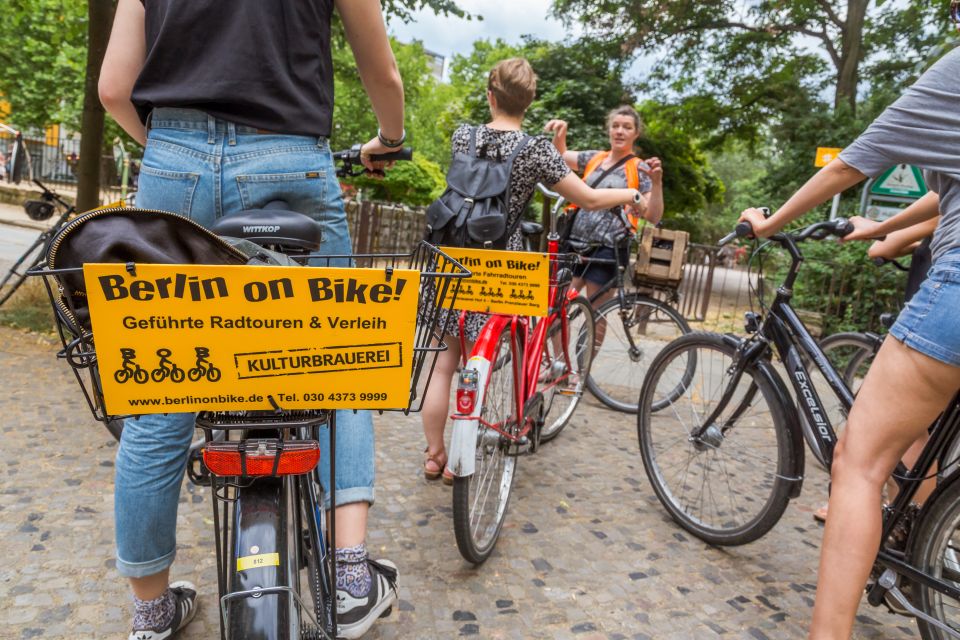
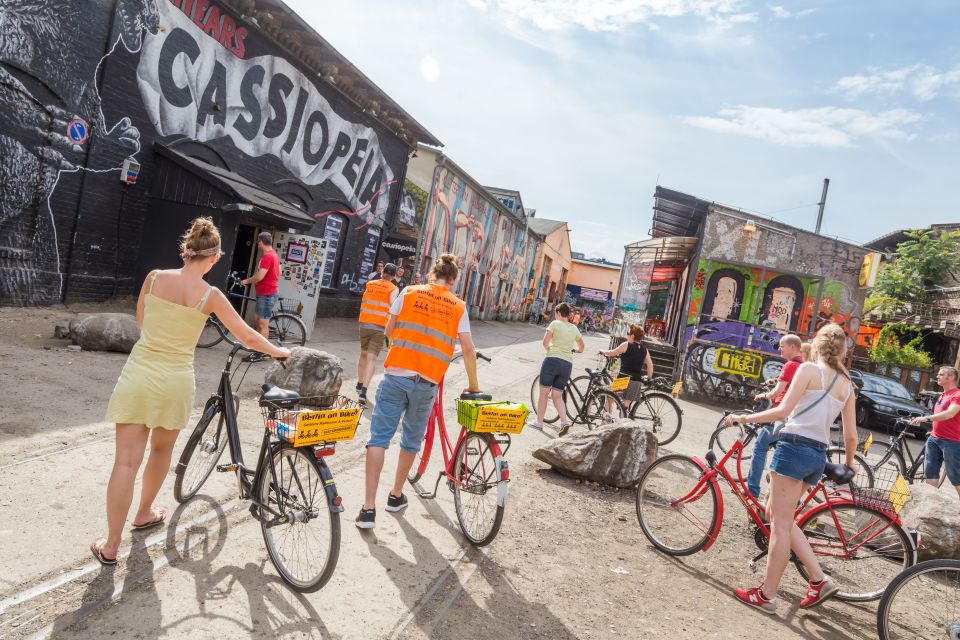
Once you reach Kreuzberg, the tour doesn’t switch into tourist-mode sightseeing. It keeps the “alternative” lens. You’ll check out back courtyards, explore parks, and then ride along the banks of the River Spree. This is where your day gets prettier and calmer. The river stretches also help you reset after denser street sections, and the scenery breaks up the ride nicely.
You’ll see Görlitzer Park and then head through the SO36 district. SO36 is the kind of area that carries a creative nightlife reputation, but the tour frames it in a way that still works during the day. You’re learning how the neighborhood’s edge and energy show up outside peak night hours—street-level life rather than just club posters.
One of the smartest parts of this itinerary is how it balances “cool sights” with “how Berlin became Berlin.” A review specifically highlighted gentrification and how East Berlin spaces developed into culturally driven areas. That’s exactly the kind of talk that helps you walk away understanding what you saw, not just what you photographed.
And yes, there’s often art and music context in the mix. In at least one review, the guide included a stop connected to David Bowie, including mention of a studio where a Bowie album was recorded, plus references to Bowie and Iggy Pop hangouts. I can’t promise every guide will hit the exact same stops, but the fact that the tour style supports that kind of storytelling tells you what to expect: a guide willing to connect people to place.
If you enjoy street art and neighborhood character more than big monuments, this is your lane.
What the bike setup and pace really mean for your day
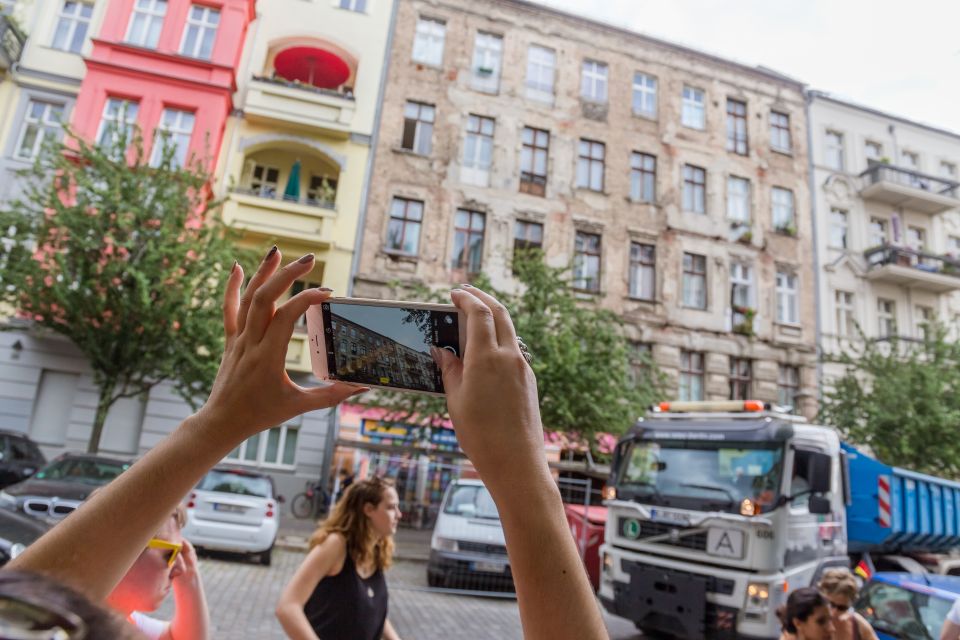
This isn’t a “race through Berlin” type of tour. You’ll cover about 17 km during roughly 3.5 hours, at a relaxed pace with time for photos and questions. For most people, that’s enough time to see a lot without feeling crushed afterward.
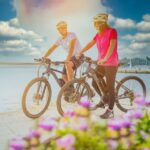
You’ll ride a reliable rental bicycle with baskets for lightweight bags. That matters more than you’d think. A basket keeps your day simple—your camera, a small bag, maybe a layer—without turning your ride into an equipment challenge.
The tour also includes practical rider add-ons: sunscreen and trouser clips, plus rain ponchos for bad weather. Helmet and gloves are available upon request, which is a nice touch. It means you don’t have to show up perfectly prepared.
What about fitness? The route is designed around bike paths and quieter streets, but it is still city cycling. If you’re on the fence because you don’t cycle much, focus on the group size and pace. The tour runs with a maximum of 15 participants, and reviews highlight guides who kept the group together and were patient with cyclists of mixed comfort levels.
One more practical note: alcohol and drugs are not allowed. That’s good for group safety and also keeps the experience focused on riding and listening.
The guide factor: Oli, Anna, Patricia, and the story-forward approach
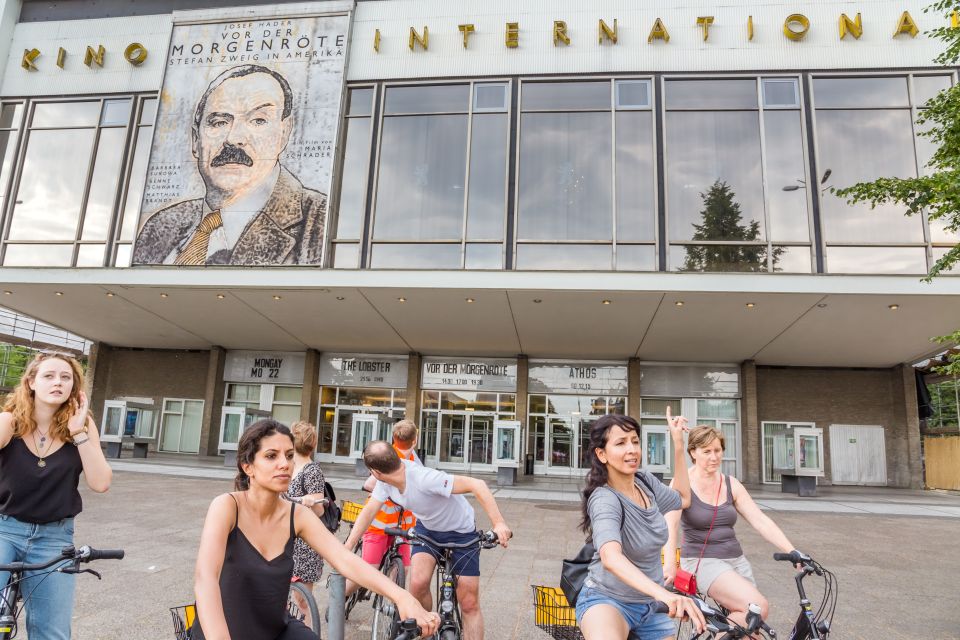
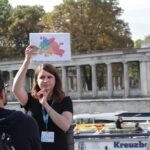
A tour lives or dies by its guide, and this one has a strong pattern in the feedback. Multiple reviewed guides show up with the same themes: entertaining pacing, strong storytelling, and a real sense of what makes each neighborhood tick.
Names I saw repeatedly praised include Oli, Joost, Emma, Anna, Patricia, Phillip, Andy, Angus, and Carrie. The common thread is how they handle information: not just facts, but anecdotes and insider tips. One reviewer called out how Emma’s overview was great for getting bearings on an early day in Berlin. Another highlighted how Anna learned everyone’s names and made a family group feel included. Others praised Patricia and Phillip for artsy detours and good explanations.
That’s the real value here. Berlin can be confusing if you just use a map app. Neighborhood boundaries, Cold War-era traces, and modern culture mix in a way that’s hard to decode alone. A good guide acts like your translator—helping you see why a courtyard matters, why a street feels like it does, and why street art isn’t just decoration.
So when you book, you’re not only paying for a bike ride. You’re paying for a person who knows how to make these places connect in your head.
Price and value: is $41 a smart use of limited time
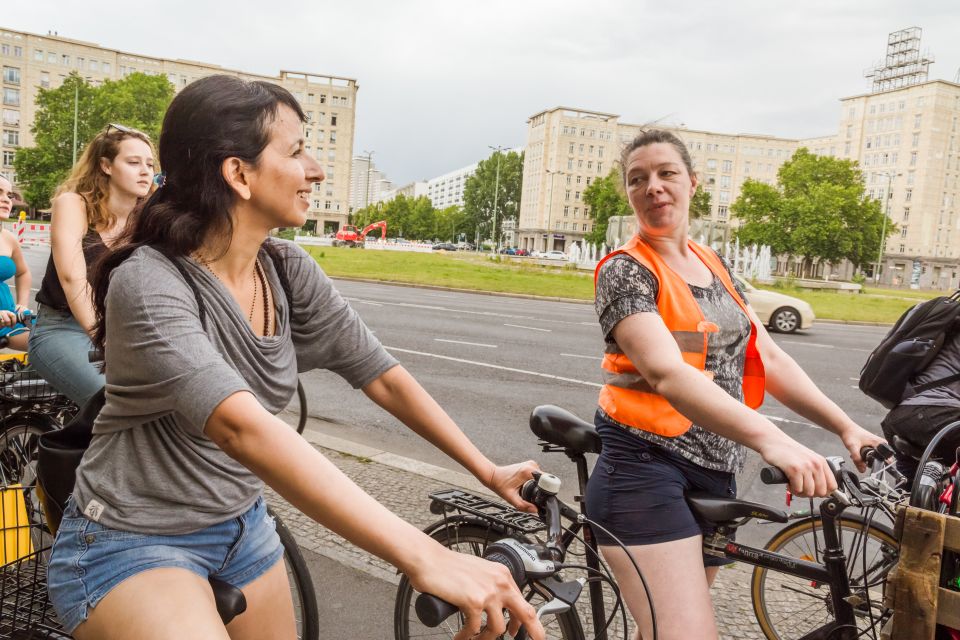
At about $41 per person, this tour is priced like a budget-friendly way to cover serious ground. The value comes from the mix of things you’d struggle to combine yourself in a half day: Prenzlauer Berg, Friedrichshain’s DDR atmosphere, Boxhagener Platz and RAW Tempel, the East Side Gallery with the Wall context, then Kreuzberg’s SO36 and the Spree riverbanks.
If you were trying to do this on your own, you’d spend time figuring out routes and still miss the “why this matters” layer. On top of that, you don’t have to hunt for what’s worth seeing in the alternative neighborhoods—your guide builds a sequence that makes sense.
You also get included extras that reduce hassle: a rental bike, trouble-free gear like clips and sunscreen, and weather protection. You’ll still want to plan snacks and drinks because those aren’t included, but the tour takes care of the cycling side.
In short: if you want a fast, structured Berlin experience that avoids the usual monument shuffle, this feels like a solid use of money.
Practical tips, who it suits, and who should rethink
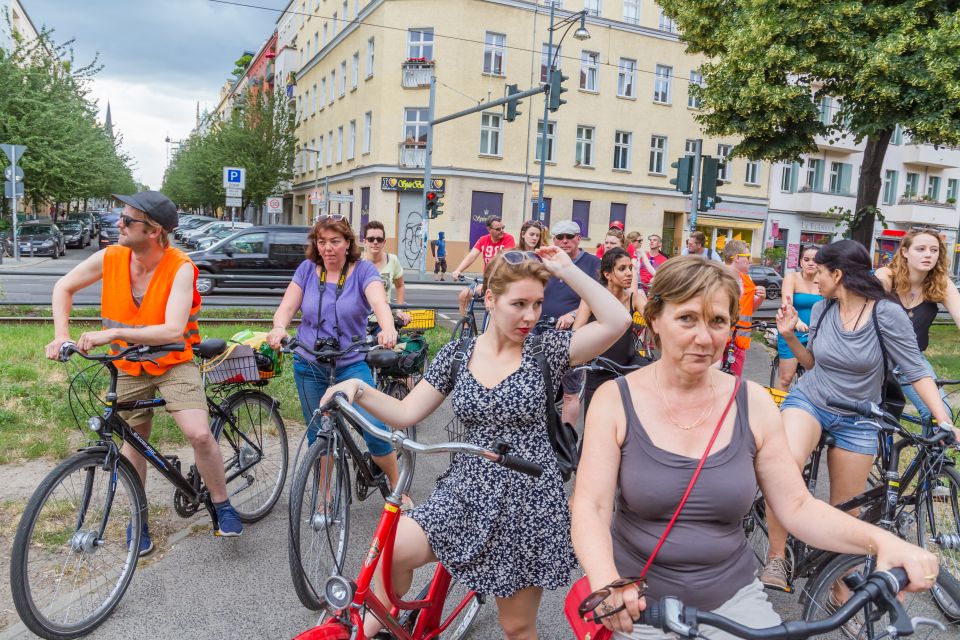
This tour suits you best if:
- You want neighborhood character more than a checklist of top landmarks.
- You’re comfortable riding a bike for a few hours at a relaxed pace.
- You like street art, parks, and history explained in human terms.
- You’re traveling with teens or a mix of ages; reviews include families with kids enjoying the ride.
You might rethink it if:
- You’re extremely sensitive to any road cycling with occasional traffic sections (even though the tour is planned for bike paths and quiet roads).
- You expect snacks and drinks to be part of the experience.
What to bring is simple: comfortable clothes. And if rain is in the forecast, trust that ponchos are provided—but your shoes and layer choice still matter.
One small planning trick: since the tour ends up covering a lot of neighborhoods, think of it as a foundation day. You’ll see enough to decide where you want to spend more time later—especially around East Side Gallery, the Spree riverbanks, and the SO36 area.
Should you book this alternative bike tour of Kreuzberg and Friedrichshain?
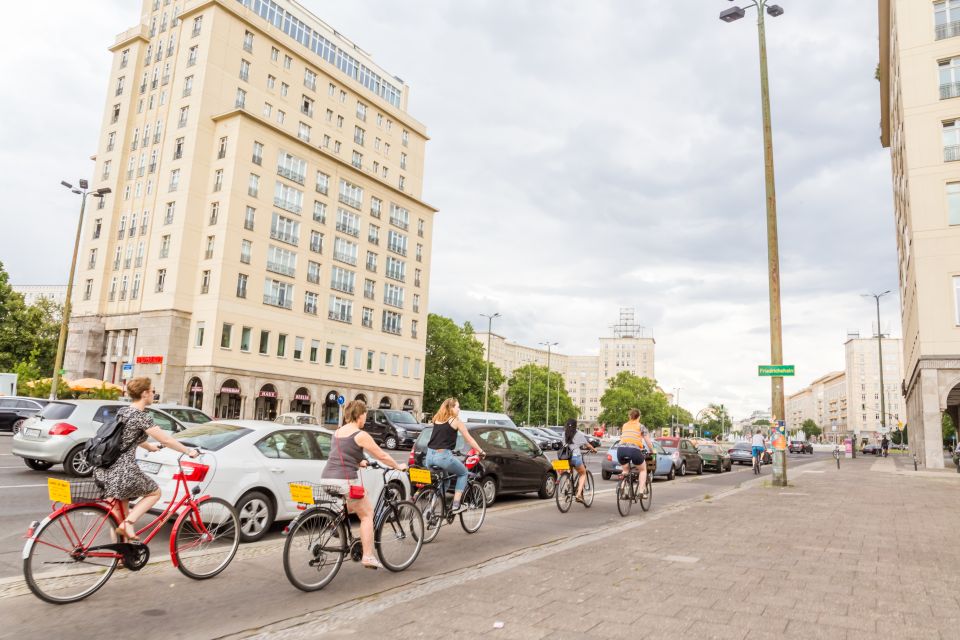
Book it if you want Berlin that feels lived-in. The East Side Gallery ride, the Friedrichshain stops, the trip over Oberbaumbrücke, and the time along the River Spree add up to a route that’s both scenic and meaningful. The small-group size also gives you the benefit of asking questions instead of getting swept along.
Don’t book it if you only care about big monuments or you’re not comfortable cycling through any city-road moments at all. This tour is about neighborhoods, movement, and stories—not standing in one place for hours.
If you’re deciding between tours, I’d treat this one as a strong “get bearings fast” option. You’ll come away with a clearer picture of how Berlin’s past shows up right now in walls, streets, parks, and daily life.
FAQ
How much does the Berlin: Alternative Bike Tour of Kreuzberg & Friedrichshain cost?
It’s listed at $41 per person.
How long is the tour and how far do you ride?
The tour runs about 3 hours (210 minutes) and covers about 17 kilometers at a relaxed pace.
What’s included with the tour price?
You get a reliable bicycle for the tour. Helmet and gloves are available upon request, and the tour provides sunscreen and trouser clips. Rain ponchos are also included if weather turns bad.
Are snacks and drinks included?
No. Snacks and drinks are not included.
What group size should I expect?
It’s a small-group tour with a maximum of 15 participants.
What languages are the live guides?
The live guide offers English, Dutch, and German.
Is alcohol or any drugs allowed during the tour?
No. Alcohol and drugs are not allowed.