REVIEW · BERLIN
Berlin: Alternative Berlin Bike Tour
Book on GetYourGuide →Operated by FREE BERLIN Bike Tours · Bookable on GetYourGuide
Two wheels beat the usual Berlin crawl. This alternative bike tour turns the city into a moving classroom, with local-guided stops that explain how different neighborhoods grew up. You’ll ride past squatters and newer development, plus all the shades in between.
What I really like is the way the guide keeps you in the moment with frequent story stops every 5 to 10 minutes. It’s not a rushed drive-by. It’s more like a conversation on wheels that helps you see what Berliners mean when they call the city poor but sexy.
One consideration: you are still biking for about 15 km over three hours, so if you have mobility limits or you hate riding in heat, plan accordingly.
In This Review
- Key highlights at a glance
- Getting Your Bearings in Nikolaiviertel
- Bikes, Comfort, and How the Ride Stays Relaxed
- Kreuzberg: Where Berlin’s Contradictions Live Side by Side
- Friedrichshain and the Wall’s Long Shadow
- Riding Along the Spree: A Scenic Break With Meaning
- Neukölln: Party Tourists, Hipsters, and Real Street Life
- Treptow and the Landwehr Canal: Contrast You Can See
- Stop Rhythm: Why Frequent Holds Make the Tour Work
- Price and Value: What $40 Gets You in Real Terms
- Guides, Language Options, and the Personal Touch
- Safety and Effort: What to Expect on the Road
- Who This Tour Fits Best (and Who Might Want Another Plan)
- Practical Tips to Get More From Your Three Hours
- Should You Book This Alternative Berlin Bike Tour?
- FAQ
- Where is the meeting point for the tour?
- How long is the tour, and how much will you ride?
- What languages are the guides available in?
- What bike options are available?
- What happens if it rains?
- Is booking flexible?
Key highlights at a glance
- Local-guided contrast: squatters, gentrifiers, party zones, and alternative projects in one route
- Short stops often: learn the why behind buildings and streets every 5 to 10 minutes
- Riverside rhythm: ride the Spree and the Landwehr Canal for a break from the city noise
- Wall-era context: pass areas shaped by The Wall and the reunification decades after
- Small group feel: up to 15 people for a relaxed pace and easier questions
Getting Your Bearings in Nikolaiviertel
The tour starts in Nikolaiviertel, the part of central Berlin that many people use as a shortcut point because it’s close to the TV Tower. That’s useful for you. It means you’re not scrambling across town before the ride even begins.
Starting where the city’s story is easy to visualize helps the guide set the tone fast. Instead of jumping straight to “look at this landmark,” you get a sense of how Berlin’s neighborhoods developed different identities. From there, you quickly move into the inner-city districts where the city’s contrasts show up on the street, not just in museums.
A small detail I appreciate: you meet your guide at the office in the courtyard entrance of Poststraße 11, and you’re looking for the FREE BERLIN sign. If you’re walking from the TV Tower area, you’ll find it without drama.
You can also read our reviews of more cycling tours in Berlin

Bikes, Comfort, and How the Ride Stays Relaxed
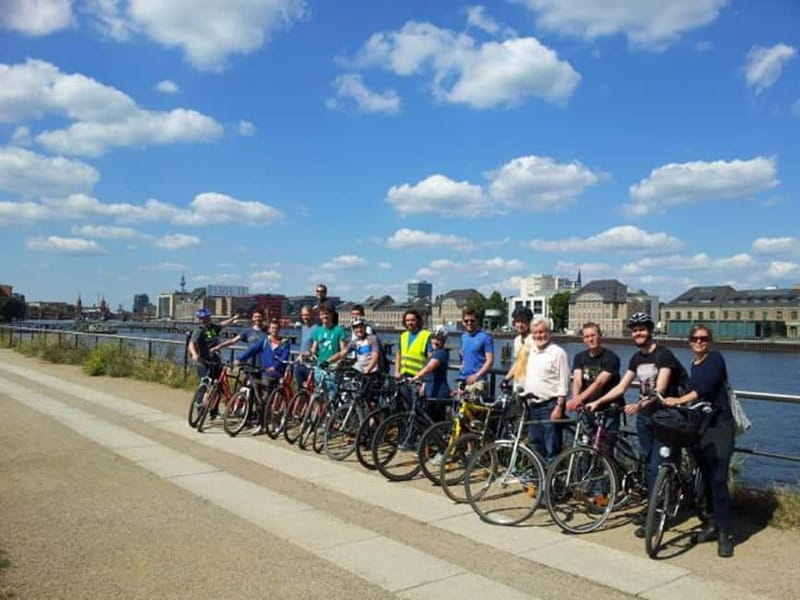
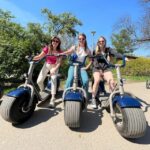
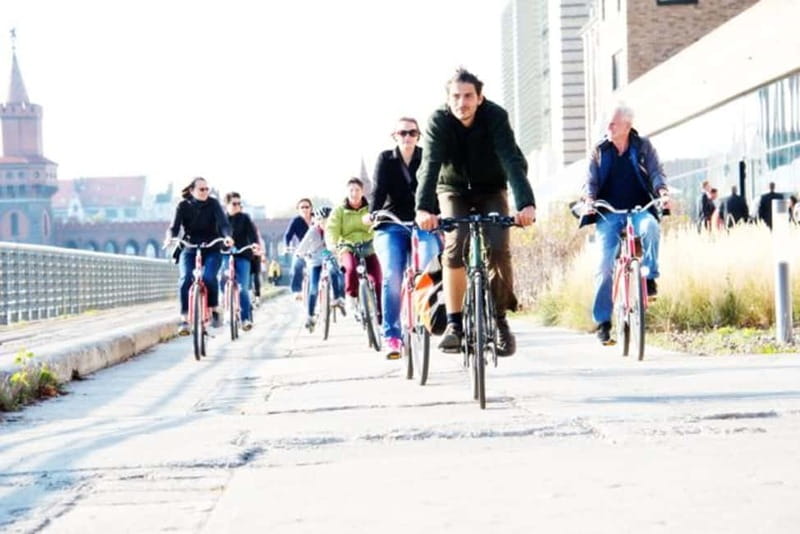
The bike setup is built for practical city riding. You get a bike rental of your choice, plus baskets, and the bikes are regularly serviced by certified mechanics. You can also request a helmet, and if the weather turns, you’ll have waterproof ponchos.
That matters more than it sounds. Berlin bike tours often fail on two fronts: the bike feels sketchy, or the guide doesn’t match the pace to the group. Here, the focus is on a safe, steady ride with time to ask questions.
Group size is up to 15. In a city with lots of personalities, a small group helps you feel less like you’re herded through “the right spots.” You’re also more likely to hear the story behind what you’re seeing instead of just catching bits over road noise.
Kreuzberg: Where Berlin’s Contradictions Live Side by Side
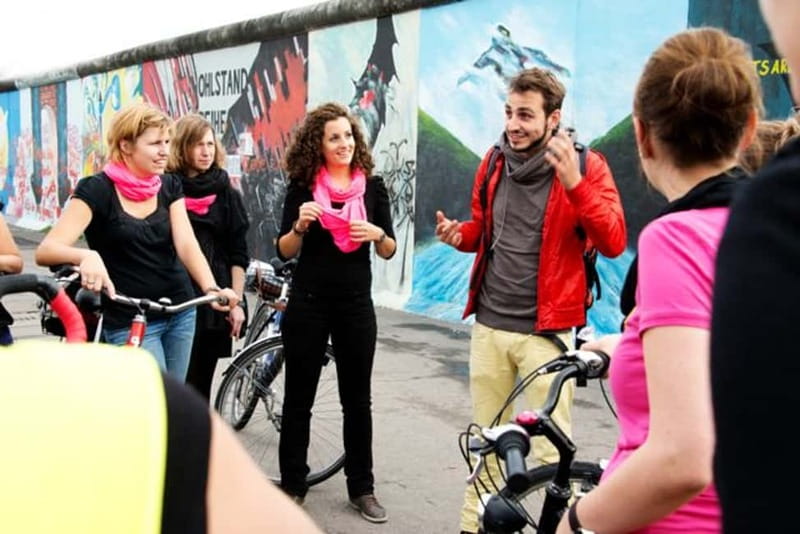
After that quick start from Nikolaiviertel, the route heads toward Kreuzberg. This is where you start to understand the tour’s main theme: Berlin is not one story. It’s overlapping ones, sometimes loud, sometimes messy, often both.
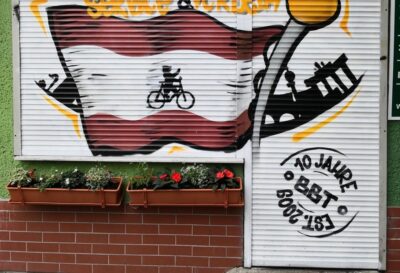
On this ride you’ll pass through neighborhoods that have long been associated with alternative projects and activist culture, and then you’ll see how other areas have been transformed by new money, new residents, and new expectations. The guide’s job is to connect the physical changes you see—restored buildings, side streets that feel like secret corridors, and places that look like they shouldn’t fit next to each other—to the social changes that drove them.
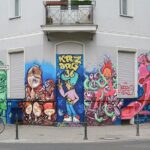
If you like cities that feel like they’re still in the middle of changing, you’ll enjoy this section most. If you’re only after postcard Berlin, you might need to remind yourself to look down at the details in the street. Doors, courtyards, street art, and how people use public space tell a lot here.
Friedrichshain and the Wall’s Long Shadow
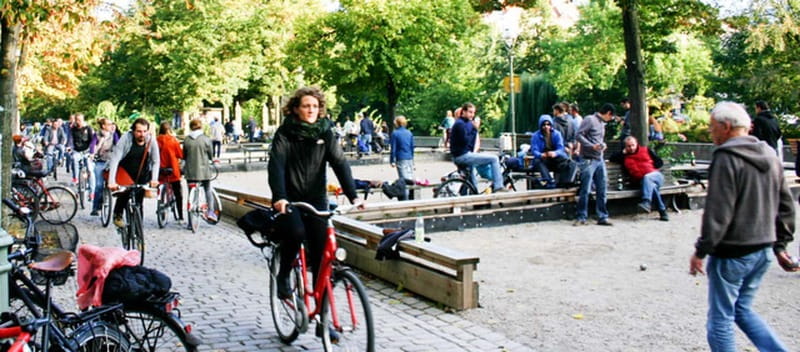
One of the tour’s strongest selling points is that you drive through alternative neighborhoods with Wall-era history in the background. Berlin’s division wasn’t just a political story. It changed geography, movement, and who got to build what.
In the Friedrichshain stretch, you get a feeling for how the city reorganized itself after those years. Even if you know the basic facts, what you’ll likely miss without a guide is how quickly the street-level evidence can disappear. Blocks get renovated. Spaces get repurposed. And suddenly the past becomes easy to overlook.
This tour works because the guide keeps pointing out what you’re passing: patterns in the built environment, the kind of “in-between spaces” cities create after major disruptions, and how alternative communities found room to grow in those gaps.
You’re still riding, not sitting in a lecture hall. Stops happen regularly, so your brain gets time to connect the dots while you’re actually surrounded by the evidence.
Riding Along the Spree: A Scenic Break With Meaning
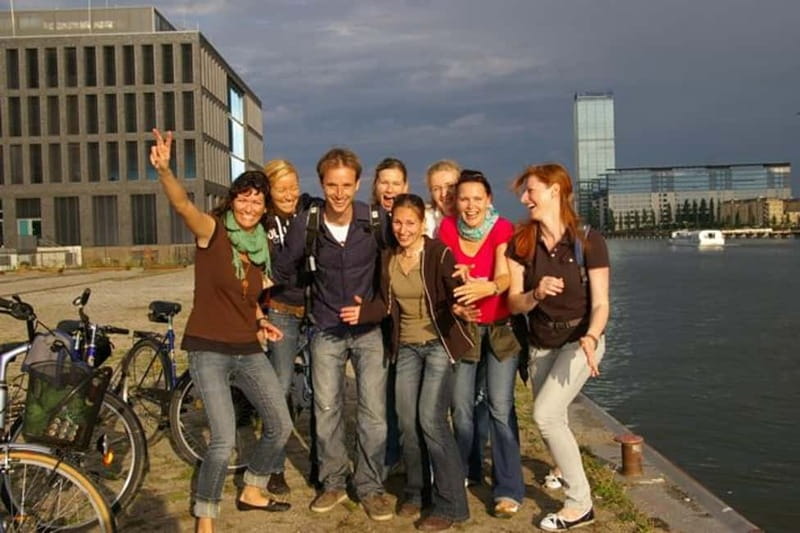
Berlin bike tours can either be a pure slog or a well-timed treat. The Spree segment is the treat. You get a beautiful ride along the river banks, and it’s a natural “reset” after the more intense neighborhood streets.
Here’s why that matters for your trip: rivers and canals change how you experience a city. They slow your pace and give you space to notice sky, bridges, boats, and the way neighborhoods line up with water. You’re not just moving from stop to stop—you’re switching viewpoints.
And because this tour includes context stops every 5 to 10 minutes, your guide can use the riverside calm to point out contrast. Berlin’s story isn’t only tension and construction. It’s also how people live with water, how public space gets used, and how redevelopment and preservation sit next to each other.


Neukölln: Party Tourists, Hipsters, and Real Street Life
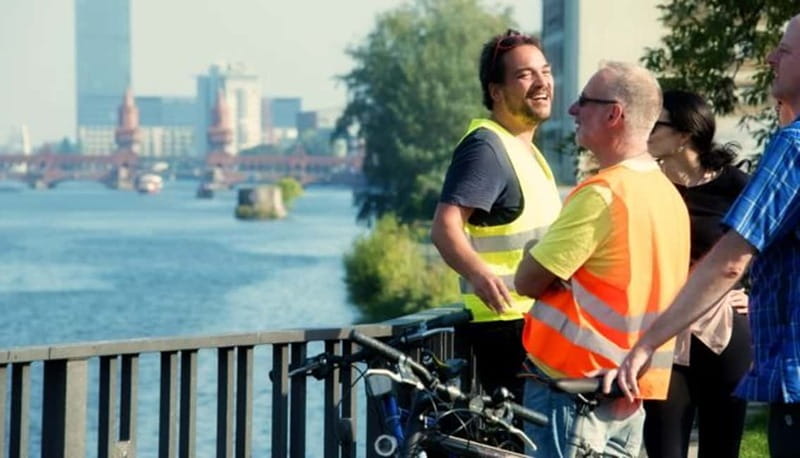
Neukölln is where Berlin’s social mix shows up most clearly. You might see nightlife energy nearby, but you’ll also notice everyday habits: the pace of locals, small businesses, courtyards, and the way streets serve multiple communities at once.
The tour doesn’t try to label it as one thing. It treats it as a collage. That approach fits Berlin’s reality. The neighborhoods you’re passing aren’t static. People change them, and then they change again.
This is also a section where you can get more out of the tour if you ask questions. Since the group is small, it’s easier to steer the conversation toward what you’re curious about: the difference between older and newer waves of residents, why certain projects stick around, or how Berlin keeps reinventing its street identity without erasing the past entirely.
Treptow and the Landwehr Canal: Contrast You Can See
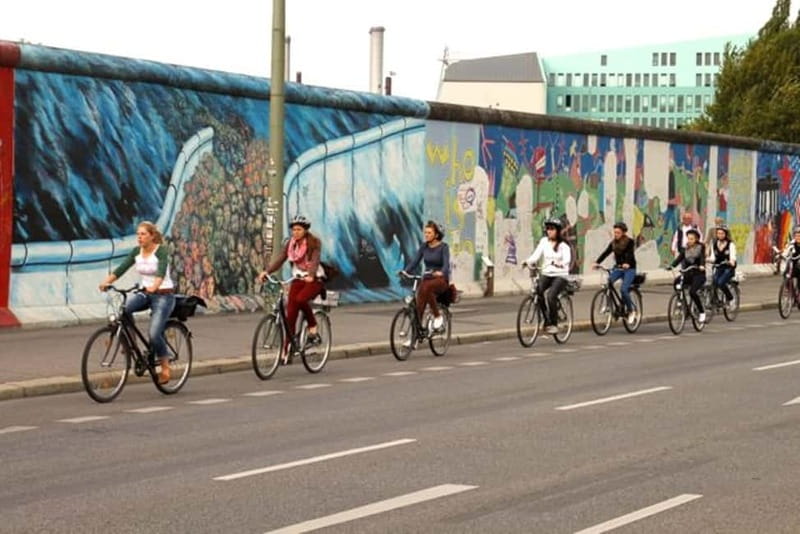
As the route continues toward Treptow, you get another kind of contrast. The ride includes time along the Landwehr Canal as well as streets and bike paths that feel more local than tourist.
Canals are great for city understanding because they cut through development patterns. You can often see what got improved, what stayed rough, and what got designed for visitors versus what stayed for residents. The guide uses that to keep the tour’s theme alive: side-by-side contrast, alternative projects, and restored buildings happening in the same broader city frame.
Even if you’re tired, this part helps. The pace is designed for a relaxed ride, and the combination of bike paths and water views makes it easier to stay engaged instead of just counting the minutes until you’re done.
Stop Rhythm: Why Frequent Holds Make the Tour Work
Most bike tours either cram too many sights into too little time or they barely stop at all. This one leans into the middle. You stop every 5 to 10 minutes, which is a smart rhythm for learning.
When the stops are short and frequent, you don’t lose the thread. You remember what you just rode past, then you connect it to what the guide is saying. It also prevents the “three-hour blur” problem, where the city becomes scenery instead of a story.
This structure is especially helpful if you’re not a Berlin expert. You get context in chunks, so the tour stays friendly even if the topics are complex.
Price and Value: What $40 Gets You in Real Terms
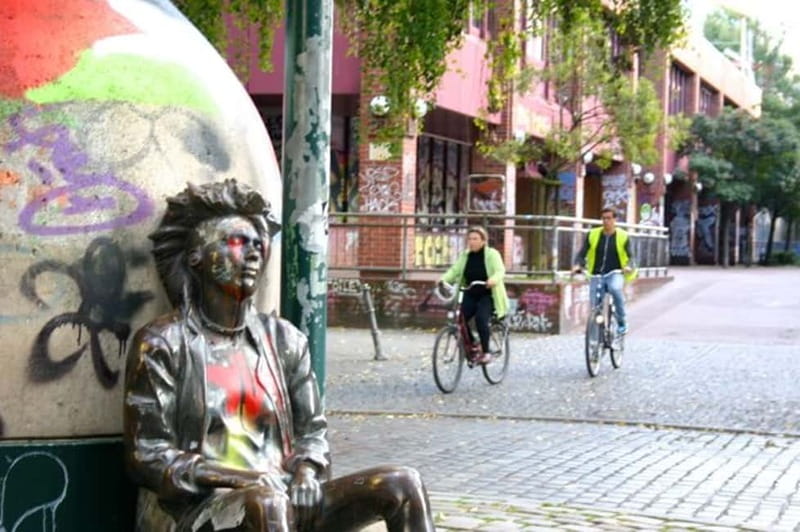
At $40 per person for about three hours, this bike tour is priced like an experience, not just transportation. And that’s the key for value. You’re getting several practical inclusions: bike rental (with baskets), ponchos if it rains, and a helmet option if you want one.
You’re also paying for guided time that’s built around frequent stops and interpretation, not just route direction. If you tried to recreate this on your own, you’d still need a bike, you’d likely spend more time figuring out logistics, and you’d miss a lot of the neighborhood meaning that the guide gives you.
Is $40 a steal compared to a basic bus ticket? Sure. But it’s also more than a one-note “alternative Berlin” theme. The price supports a small-group pace and a route that mixes history, street-level observation, and riverside scenery.
Guides, Language Options, and the Personal Touch
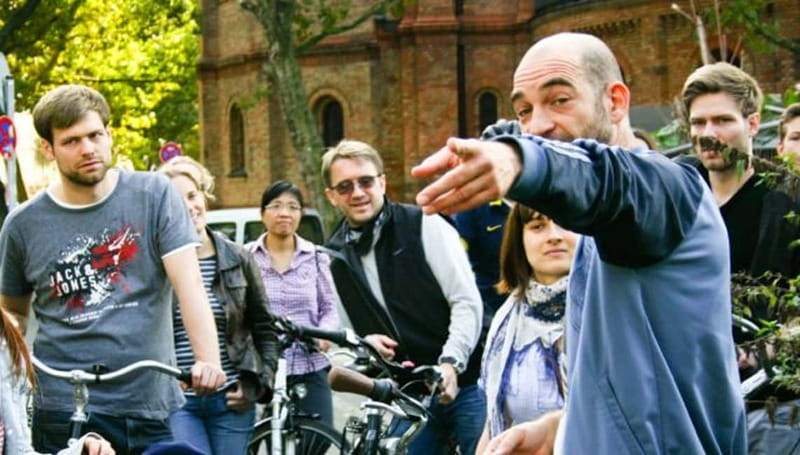
The tour runs with live guides in English, German, and French, so you can match your comfort level. Private group options are available too if you want the conversation to be more tailored.
From the names you might see on different departures, guides like Carl, Björn, Jake, Vincent, Stefanie, Liz, and Daniel are mentioned for their enthusiasm and ability to keep the group engaged. That shows up in the way many people describe the experience: the guide isn’t just reciting facts. They’re turning Berlin into an answer to the question you didn’t know you had: who does the city serve, and how did it get that way?
One funny, very Berlin-like tip that pops up in the guide experience: you can ask for advice about the kit cat club. It’s the kind of local recommendation that turns your tour from history class into “I might actually do something tonight” energy.
Safety and Effort: What to Expect on the Road
You’ll be cycling on city streets and bike paths, and it’s designed to feel safe. Many people note that the ride stays secure and that the bike is sturdy and working properly. That’s reassuring, especially if it’s your first time biking in a big city.
Still, you are cycling. It’s about 15 km total, with three hours on the clock. Hot weather can make the “effort” feel bigger, and one guide-led day noted how the heat made it hard going, with the guide making sure everyone was okay. So bring water, and if you’re sensitive to sun, start early in the day.
If you want an E-bike, you can book it as a Senior option, which adjusts the price to include an E-bike. That’s a nice option for you if your legs need help, but you still want the full route and the story stops.
Who This Tour Fits Best (and Who Might Want Another Plan)
This tour is ideal if you want Berlin to feel human. If you like cities where neighborhoods have personalities and you’re willing to read the street instead of just chasing big monuments, you’ll get a lot out of it.
It’s also a great pick if you’re only in Berlin for a short time and want an angle that many first-timers miss. The Spree and Landwehr Canal portions keep it scenic, while Kreuzberg, Friedrichshain, Neukölln, and Treptow give you the city’s contrast in a compact ride.
On the other hand, if you strongly prefer fully guided walking tours, or you hate biking in traffic-adjacent environments, you might find the cycling portion less appealing. And if you have trouble riding for a full three hours, the distance will be a consideration even with a comfortable pace.
Practical Tips to Get More From Your Three Hours
A few things will help you come home with more than photos.
- Bring a water bottle and wear sunscreen. Even when the route feels relaxed, you still ride and stop outside.
- Ask one question per stop. With small-group size, you’ll usually get a real answer, not a quick summary.
- Use the riverside sections to reset your eyes. Look left and right during the Spree and canal parts, then compare what the guide said to what you see.
- If you have large baggage, you can leave it with the tour operator for the duration of the tour. That keeps you from juggling bags while trying to enjoy the ride.
Should You Book This Alternative Berlin Bike Tour?
If your idea of Berlin includes street identity, social change, and the feeling of watching neighborhoods evolve in real time, I’d book it. The combination of local guide storytelling, short frequent stops, and a route that mixes residential streets with Spree and canal views is exactly how you learn a city fast without feeling rushed.
One reason to hesitate: if you’re not comfortable biking for about three hours or you’re traveling in peak heat with limited stamina. In that case, consider an E-bike option.
Bottom line: for the price, you’re not just buying transport. You’re buying a clearer lens on a complex city, with the kind of perspective that’s hard to get any other way.
FAQ
Where is the meeting point for the tour?
You meet your guide at the office located in the courtyard entrance of the building at Poststraße 11. Look for the FREE BERLIN sign.
How long is the tour, and how much will you ride?
The tour lasts about 3 hours. The ride distance is about 15 kilometers.
What languages are the guides available in?
The tour is offered with live guides in English, German, and French.
What bike options are available?
You’ll have bike rental of your choice, with baskets included. If you want an E-bike, you can book it as a Senior option, which adjusts the price to include an E-bike.
What happens if it rains?
Waterproof ponchos are included in case of rain.
Is booking flexible?
You can cancel up to 24 hours in advance for a full refund, and the tour offers reserve now & pay later so you can book without paying today.