REVIEW · BERLIN
Berlin: Hitler’s Berlin The Rise & Fall Guided Walking Tour
Book on GetYourGuide →Operated by On the Front Tours · Bookable on GetYourGuide
Berlin hits hard on this walking tour. It’s a focused Hitler’s Berlin guided walk that connects the big Nazi timeline to real street corners, using Then & Now photos and maps to make the story click. I also liked the way guides such as Scott bring clarity to tough material without making it feel like a classroom.
I love the built-in chances for reflection and your own Q&A, so you can ask what you’re actually wondering instead of sitting through nonstop lecturing. The only real drawback is practical: it’s outside and you’ll do a solid amount of walking in about 150 minutes, so plan for shoes and weather.
In This Review
- Key moments you’ll remember
- Walking Berlin’s WWII story, in order, without confusion
- Meeting at Brandenburg Gate and getting your bearings fast
- Brandenburg Gate: more than a postcard stop
- Memorials for the Sinti and Roma, then the Holocaust Memorial
- Reichstag: democracy, dictatorship, and why the symbolism matters
- Soviet War Memorial in Tiergarten: the war’s brutality lands here
- Hitler’s Bunker Site: reaching the end of the European war
- Johann Georg Elser Memorial and the idea of resistance
- German Finance Ministry: where power and policy connect
- Topography of Terror: the nerve centre of repression, where you finish
- What you actually learn: a clear structure, not endless lectures
- Small-group energy and guides who answer real questions
- Price value: why $47 can make sense here
- Who should book this tour (and who might want a different plan)
- Quick tips to make the day smoother
- Should you book Hitler’s Berlin: The Rise & Fall walking tour?
- FAQ
- Where do I meet the guide?
- How long is the tour?
- Is the tour indoors or outdoors?
- What language is the tour guide?
- Is it wheelchair accessible?
- What should I bring?
Key moments you’ll remember
- Brandenburg Gate to Reichstag: you see how the same spaces can symbolize democracy, dictatorship, and unity.
- A chain of memorials that refuses to look away: Sinti and Roma victims, then the Memorial to the Murdered Jews of Europe.
- Topography of Terror at the end: you finish at the former Gestapo & SS nerve centre of terror and repression.
- Hitler’s Bunker Site: you reach the place tied to the end of the war in Europe.
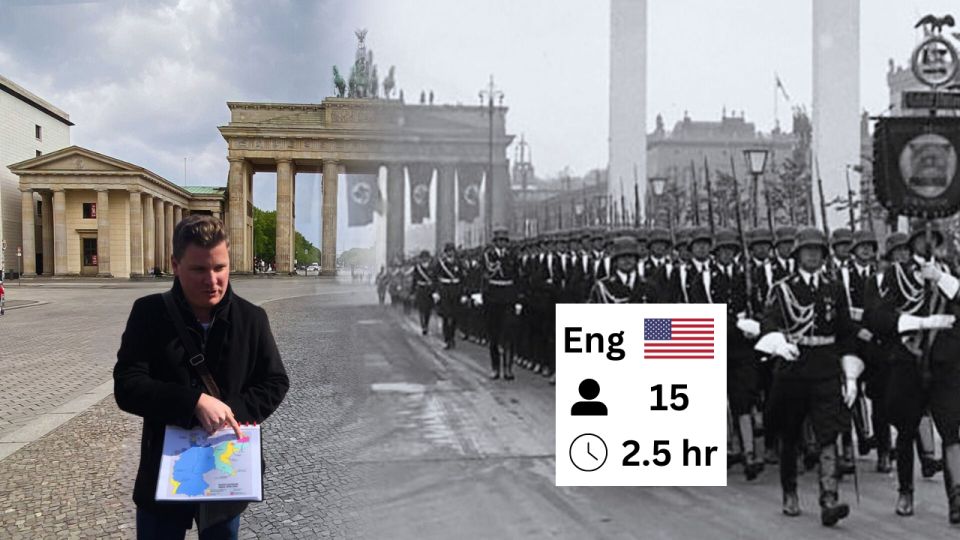
- Historic “Then & Now” visuals: you get help connecting what you see today with what happened there in the past.
Walking Berlin’s WWII story, in order, without confusion
If you want WWII history in Berlin, you’ll get lots of plaques and quick “this happened here” moments. This tour is different. It’s designed as a straight-line story, from the rise of Nazi power (starting with Hitler’s election) to dictatorship, then collapse and total defeat in 1945. That structure matters. It turns a city full of heavy sites into something you can actually follow.
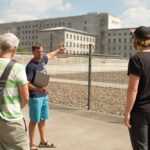
The guide leads you between major stops that carry emotional weight, and they explain why those places matter. You’re not just checking boxes. You’re learning how fear, propaganda, and repression worked, how daily life changed under the regime, and why the Jewish population was systematically targeted. The tour also ties in what happened after the Nazi state fell apart, so you leave with a fuller picture than a “greatest hits” route.
You can also read our reviews of more walking tours in Berlin



Meeting at Brandenburg Gate and getting your bearings fast
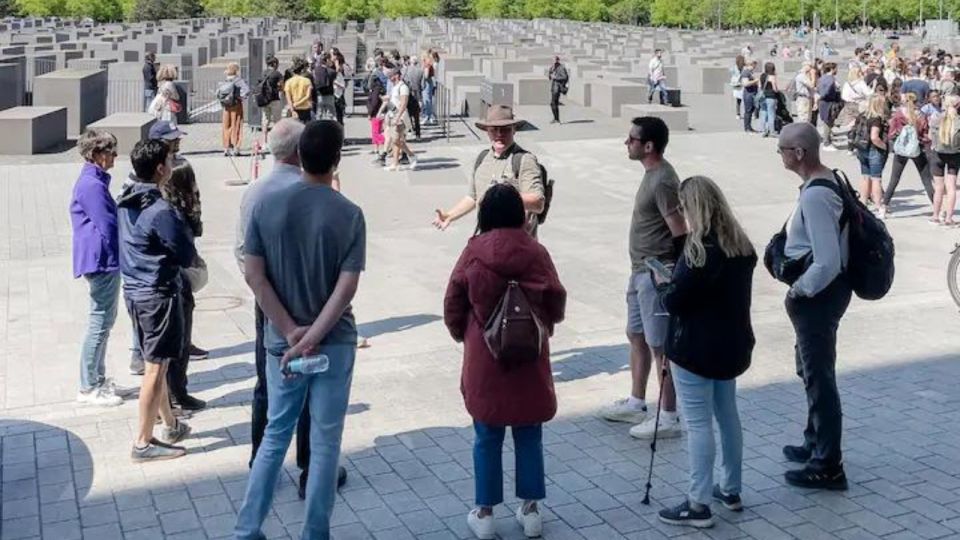
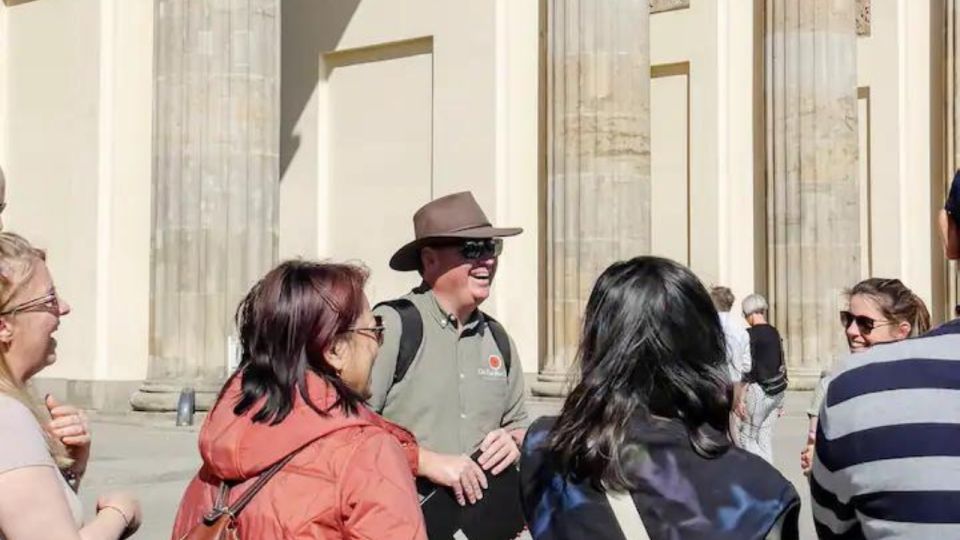
You meet at the Tourist Office at Brandenburg Gate and you should look for the Blue Umbrella. It’s a simple start, but it helps you get oriented quickly in a city that can feel huge if you’re hopping between major landmarks.
From the start, expect a pace built for comprehension, not just movement. Even when a stop is a photo moment, the guide usually frames what you’re looking at. That small difference is one reason the experience works as a “story walk” instead of a random stroll.
Brandenburg Gate: more than a postcard stop
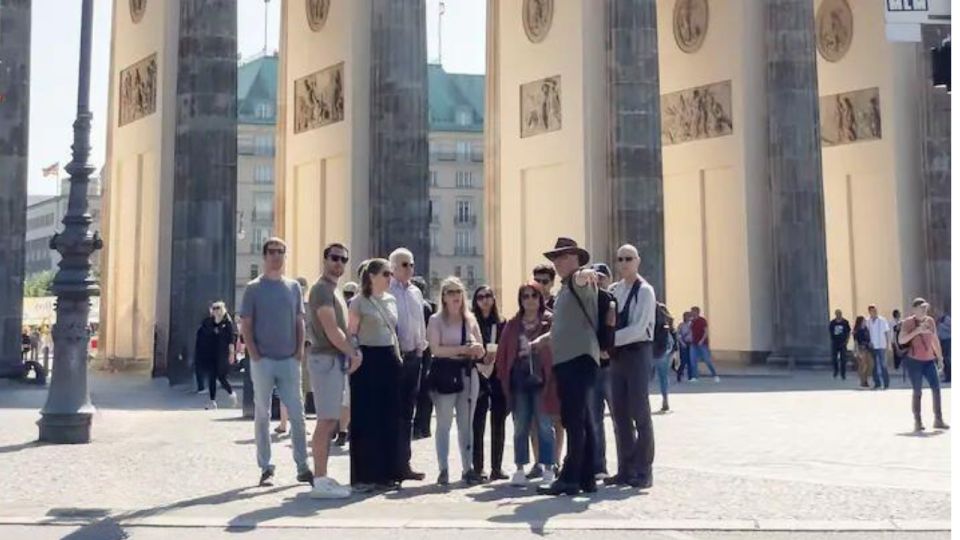
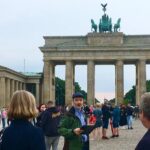
The tour begins with a photo stop and a short sightseeing walk along the way to Brandenburg Gate. This spot is easy to recognize, but the point here isn’t the famous photo. It’s the meaning layered into the same stone and arch.
The tour frames it as a symbol of democracy and unity—then shows how the Nazis’ rise to power warped that symbolism into something else. That contrast is a big theme of the whole experience. If you’ve ever felt unsure about how to connect Berlin’s architecture to its politics, this is where the tour starts doing that work.
Memorials for the Sinti and Roma, then the Holocaust Memorial
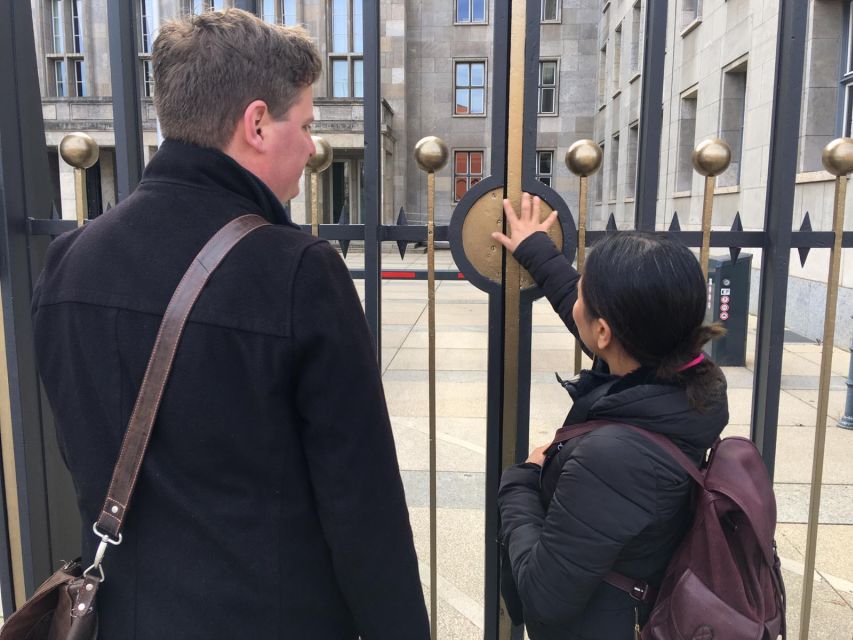
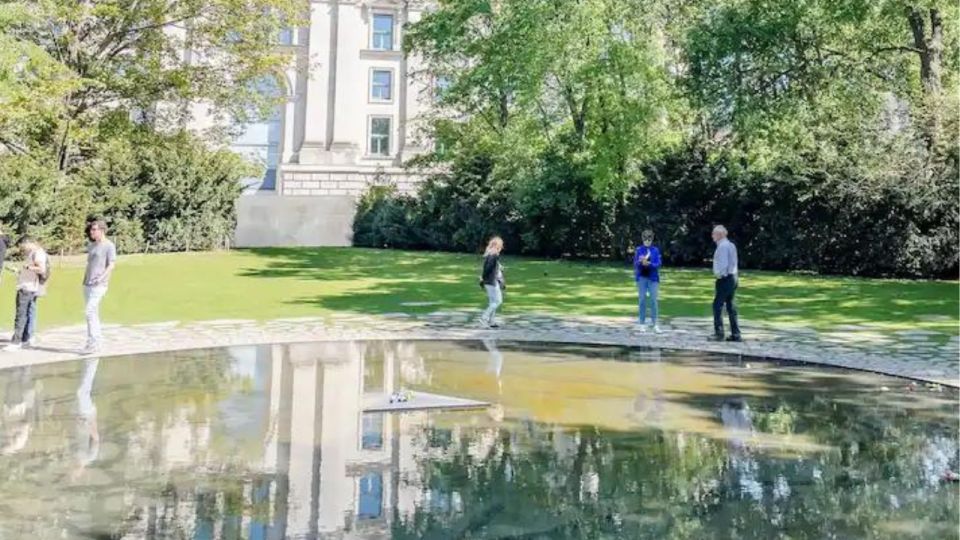
One of the strongest parts of this tour is the way it handles memory sites in sequence, not as a side note. After Brandenburg Gate, you visit the Memorial to the Sinti and Roma Victims of National Socialism. The stop includes guided context and a walking segment, so you’re not rushing through it just to move on.
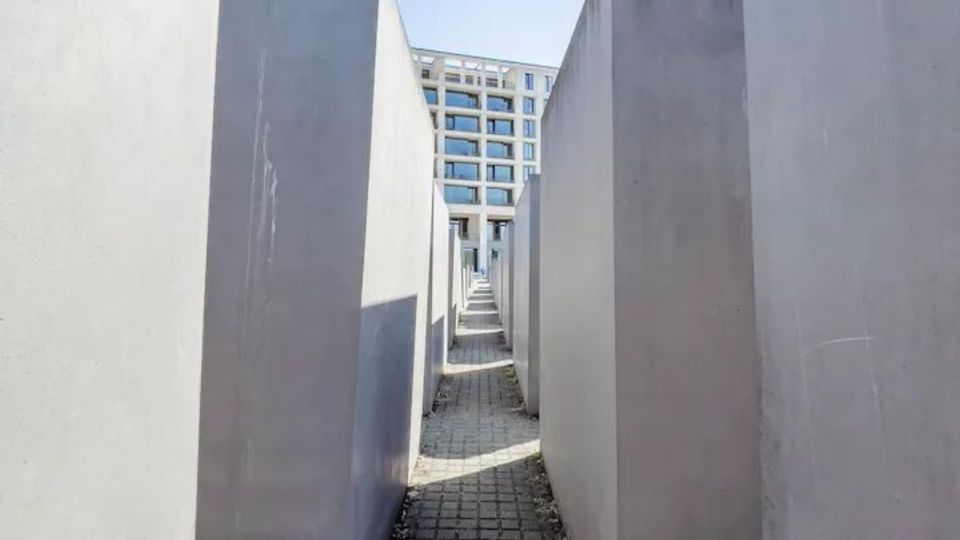
Later, you reach the Holocaust Memorial (also with guided explanation and time for reflection). This is where the tour’s aim becomes clear: understanding the human reality behind Nazi policy, not just memorizing dates. The tour’s emphasis on reflection helps you slow down, and the guide’s narrative gives the memorials more meaning than their shapes alone.
Practical note: these are outdoor spaces where the weather hits you directly. Dress like you’ll be outside for a while, because you will.
Reichstag: democracy, dictatorship, and why the symbolism matters
Next you go to the Reichstag for a guided visit and tour time. The Reichstag is described on this route as a symbol of democracy, dictatorship, and unity, and that phrasing is the whole key to how the guide talks about it.
You’re not just seeing a landmark. You’re seeing how political power reshapes meaning over time. The guide’s job is to connect those shifts to the Nazis seizing power and consolidating control—so you understand why the building is such a charged place in Berlin’s WWII memory.
You can also read our reviews of more guided tours in Berlin






Soviet War Memorial in Tiergarten: the war’s brutality lands here
After the central memorial sites, the tour includes the Soviet War Memorial Tiergarten with time for photos and a guided visit. This stop is another reminder that Berlin’s story isn’t only about Nazi policy from the inside—it’s also about the violent end of the war.
The tour explicitly frames this as a reminder of the brutal Battle of Berlin. That phrasing matters. It keeps the story grounded in consequences rather than letting it become only an ideological exercise.
Hitler’s Bunker Site: reaching the end of the European war
You then visit Hitler’s Bunker for a photo stop and guided explanation. This is one of the most intense stops on the walk, because the tour links it to where the war in Europe came to its end.
Even though it’s not an indoor museum experience, the guide’s role is to place the site inside the final collapse of Nazi Germany. The pacing here tends to feel heavier. You’re moving from the memorials of targeted victims to the physical places tied to the final days of the regime. If you’re sensitive to disturbing history, give yourself a minute before you move on—because the emotional weight builds.
Johann Georg Elser Memorial and the idea of resistance

The tour includes the Johann Georg Elser Memorial, Berlin. You’ll have guided visit time and a short walk segment.
What I appreciate is that it doesn’t only frame WWII through one side of the story. Nazi Germany’s rise and fall is the backbone, but including a memorial like this adds another dimension: the presence of people who didn’t accept the regime’s reality. I’d expect the guide to connect it back to the broader narrative of how Nazism took control and how that control faced resistance—without turning the stop into trivia.
German Finance Ministry: where power and policy connect
Next comes the German Finance Ministry stop, with photo time and guided explanation. This one is easy to overlook if you’re just following a “must-see” list. On this tour, it fits a pattern: showing how the regime’s control wasn’t only about propaganda posters and uniforms.
It’s about governance and systems—how the Nazi state maintained control and shaped daily life. Even if you’re not a policy person, the guide’s structure helps you see the link between ideology and institutions.
Topography of Terror: the nerve centre of repression, where you finish
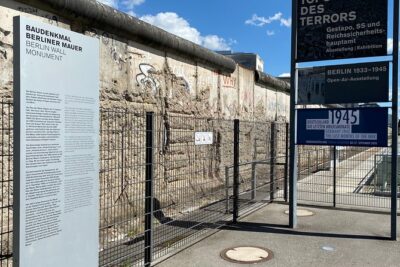
The walk concludes at Topography of Terror, with guided visit time and a final “then & now” style connection. This location is presented on the tour as the former Gestapo & SS Headquarters—the nerve centre of terror and repression.
Ending here gives the story a blunt clarity. By the time you reach this stop, you’ve already seen the symbolic sites, the memorials for victims, and the locations tied to the regime’s command and collapse. Finishing at the headquarters site helps your understanding “click” into place: how power functioned day to day, and why fear was not a side effect but a tool.
If you only do one WWII walking tour in Berlin, this one makes it easier to make sense of the whole arc.
What you actually learn: a clear structure, not endless lectures
This is the kind of tour where you come out feeling like the timeline is organized in your head. The guide is described as having an academic background in WWII history, and the way the tour is framed supports that. It’s built to explain:
- how the Nazis seized power
- why Jewish people were systematically targeted
- how Berlin became the capital of the Third Reich
- how fear, propaganda, and repression maintained control
- what daily life looked like under the regime
- how everything collapsed in 1945
That list isn’t just marketing. You’ll recognize it because the stops line up with it. And because the tour uses Then & Now photographs and historic maps, the guide can point to change over time instead of asking you to imagine the past from scratch.
Small-group energy and guides who answer real questions
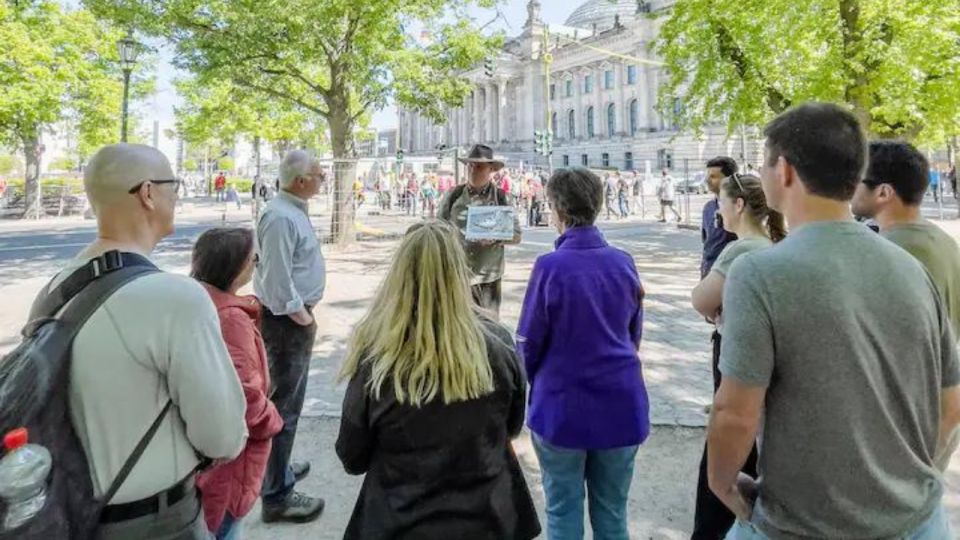
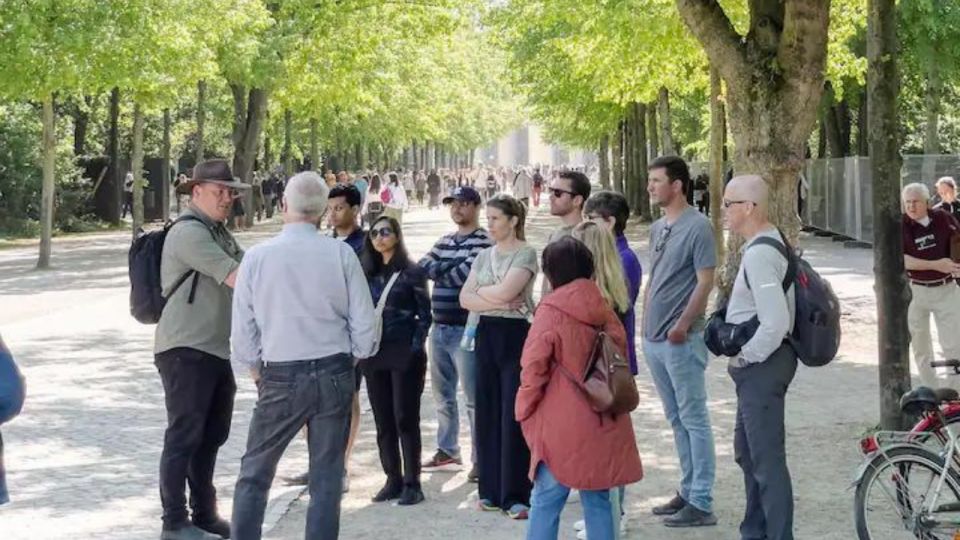
The tour is a small-group experience, and it shows in how interactive it feels. There’s time for Q&A and reflection, and the “no lectures, no gimmicks” approach means you’re not trapped in one-way storytelling.
In the reviews shared, guides like Hannah, Matthew, Ben, Mark, and Scott are repeatedly praised for being friendly, engaging, and responsive to questions. I like that mix: clear explanations plus room for you to ask the follow-up that matters to you. On a subject this heavy, that kind of flexibility is a real value.
One practical detail I’d keep in mind: because it can rain in Berlin, you might get help if the weather turns. In one account, a guide even provided umbrellas mid-storm. Still, don’t count on it every time—bring what you can.
Price value: why $47 can make sense here
At $47 per person for about 150 minutes, you’re paying for something you can’t easily replicate on your own: expert interpretation tied directly to major sites, plus visuals like historic maps and Then & Now photos.
You could absolutely DIY this route. But DIY tends to turn into reading signs and piecing together context after the fact, which is exactly where people get lost with Nazi history’s complexity. This tour’s value is the guided structure: it turns many separate locations into one coherent narrative. When that narrative is done well, the cost feels reasonable fast.
Also, because the tour is outdoors, you’re not paying for pricey indoor museum access. The guide time, the interpretation, and the mapping/photograph support are the product.
Who should book this tour (and who might want a different plan)
This tour is a great fit if you:
- want a structured walkthrough of Nazi Germany’s rise and fall
- like guided interpretation at major sites instead of self-guided wandering
- want chances to ask questions and pause for reflection
- are visiting Berlin only once and want the WWII story made understandable
It may not be the best choice if you:
- hate heavy topics and long outdoor walks
- want indoor museum time (this tour is outdoors and doesn’t include indoor exhibitions)
- need minimal walking or short stops only, since the tour is described as considerable walking
Quick tips to make the day smoother
- Wear comfortable shoes. You’ll be walking a lot for 150 minutes.
- Bring a water bottle, since you’re outside most of the time.
- Dress for Berlin weather. If it rains, it can rain hard, and you’ll still be outside.
- If you’re using mobility aids, the tour is listed as wheelchair accessible, but it’s still an outdoor route with walking segments.
Should you book Hitler’s Berlin: The Rise & Fall walking tour?
Yes, I think you should book this tour if you want Berlin WWII history that’s ordered, explained, and anchored to the places that shaped the story. The combination of a small group, expert WWII guidance, and Then & Now visuals is what makes it more than a sightseeing route.
Skip it only if you’re not up for outdoor walking or if you’d rather handle WWII history through an indoor museum format. Otherwise, this is one of the stronger ways to understand how Nazi power grew in Berlin—and how it ended there too.
FAQ
Where do I meet the guide?
Meet at the Tourist Office at Brandenburg Gate and look for the Blue Umbrella.
How long is the tour?
The tour duration is about 150 minutes.
Is the tour indoors or outdoors?
It’s an outdoor walking tour. Indoor museum exhibitions are not included.
What language is the tour guide?
The tour is led in English.
Is it wheelchair accessible?
Yes, it is listed as wheelchair accessible.
What should I bring?
Wear comfortable shoes, dress for the weather, and bring a water bottle. It also notes you may want personal umbrellas or walking sticks, so bring your own if needed.