REVIEW · BERLIN
Berlin: Guided Bike tour of the Berlin Wall and Third Reich
Book on Viator →Operated by FREE BERLIN Bike Tours · Bookable on Viator
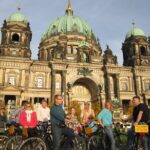
Pedal Berlin’s hardest history in a comfortable ride. This Berlin Wall and Third Reich bike tour blends city cycling with story stops that connect East-West separation to the violence behind it. I like that you get a city bike and helmet ready to go, and that the guide steers you through neighborhoods with context you won’t get from a quick photo stop.
Here’s the catch: it moves fast. You’ll get an excellent overview, but you won’t linger long at each point, and the exact route can shift based on the guide’s topic flow.
In This Review
- Key things you should know before you go
- Why this Berlin Wall and Third Reich tour beats a bus
- Start at Free Berlin Bike Tours: bikes, helmets, and group flow
- Nikolaiviertel and the Jewish landmarks that frame the story
- Memorial stops that make the Wall real: from Wall remains to Mauerpark
- Flak Tower to Invalidenfriedhof: Nazi architecture and escape geography
- Spreebogenpark, Reichstag, and the unreal size of Nazi plans
- Holocaust memorials: victims remembered, not abstract
- Fuhrerbunker and Checkpoint Charlie: the Cold War finale and route variation
- Price and booking advice: fit, value, and what to watch for
- Should you book this Berlin Wall and Third Reich bike tour?
- FAQ
- How long is the bike tour?
- What’s included in the price?
- Is the tour family-friendly?
- What languages is the tour offered in?
- Do I need to bring food or drinks?
- Is there a cancellation option if my plans change?
Key things you should know before you go
- Helmet + city bike included: you spend energy on the ride, not logistics.
- Local guide route flexibility: the route follows the theme, but stops can vary tour to tour.
- The Wall on a human scale: preserved sections and memorials help the Wall feel real, not abstract.
- Memorial stops you can process: deportation and Holocaust remembrance are handled thoughtfully.
- Family-friendly setup: kids ride with you, and infant seats can be requested.
Why this Berlin Wall and Third Reich tour beats a bus
Berlin history can feel like a checklist. This tour turns it into motion. You ride through the same broad areas that shaped daily life—then you stop where the city makes the past visible.
The Wall focus is the glue. You’ll see the points where the Wall’s impact is easiest to understand, including places that let you experience what it meant to live next to a barrier. And because this is also framed as Third Reich context, the story threads through Nazi power, Nazi architecture, and the final collapse.
What makes the experience work is the pairing of walking-to-cycling distance. You get enough time at each stop to learn the setting, then you’re back on the bike to keep momentum—so the tour doesn’t drag, even though the subject matter is heavy.
You can also read our reviews of more cycling tours in Berlin

Start at Free Berlin Bike Tours: bikes, helmets, and group flow
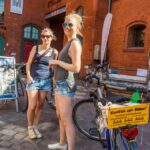
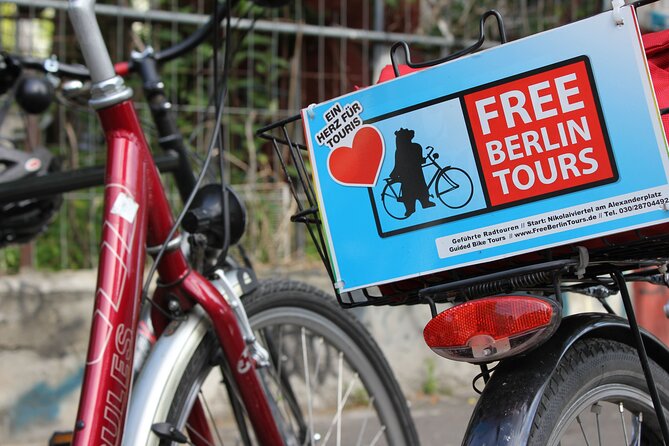
You meet back at Free Berlin Bike Tours & Rental on Poststraße 11 (10178 Berlin), and the tour loops back there. The ride is designed for normal city cycling: a comfortable bike, a helmet, and an active guide who keeps you safe and together.
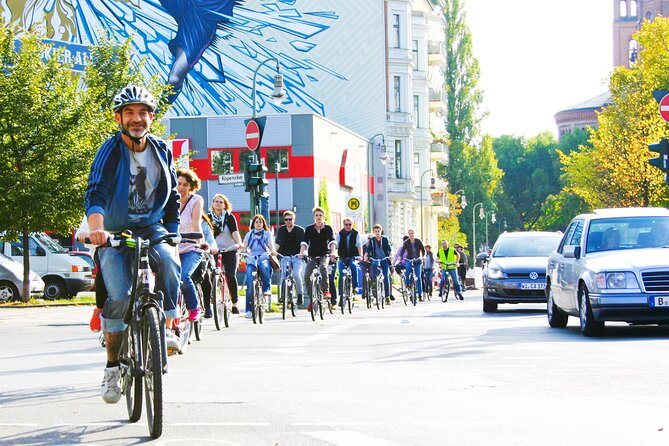
Group size is capped at 15 people, with a minimum of 4. In practice, that matters because it’s easier for a guide to handle questions and pace you through traffic. One review noted a larger group being split into smaller groups when needed—so if your group feels big, don’t panic. There are usually ways to keep it manageable.
Timing is about a 3-hour total experience in all weather. That means you should dress for rain or cold and plan on moving promptly between stops. No food is included, so if you get hungry, you’ll want a plan before or after.
Nikolaiviertel and the Jewish landmarks that frame the story
You kick off near Nikolaiviertel, often described as Berlin’s only “real” old town. It’s a smart starting point because it reminds you that Berlin isn’t only twentieth-century conflict; the city had older layers too. From there, you’re already thinking: how did a place survive bombing, rebuilding, and the politics of division?
Next comes the Stiftung Neue Synagoge Berlin – Centrum Judaicum area. The story centers on civil courage—specifically, a police officer who saved the building during the night of the broken glass (Kristallnacht). This is valuable because it pushes the narrative beyond uniforms and regimes and into human action under terror.
Then you move toward GDR-era remembrance: a memorial for victims of deportation and the Holocaust designed in East Germany, in stark contrast to the more famous memorial close to Brandenburg Gate. That contrast is useful. It shows how memory itself was shaped by politics, not just by events.
Memorial stops that make the Wall real: from Wall remains to Mauerpark
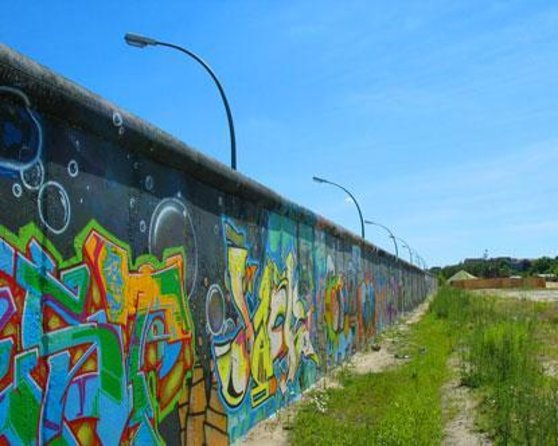
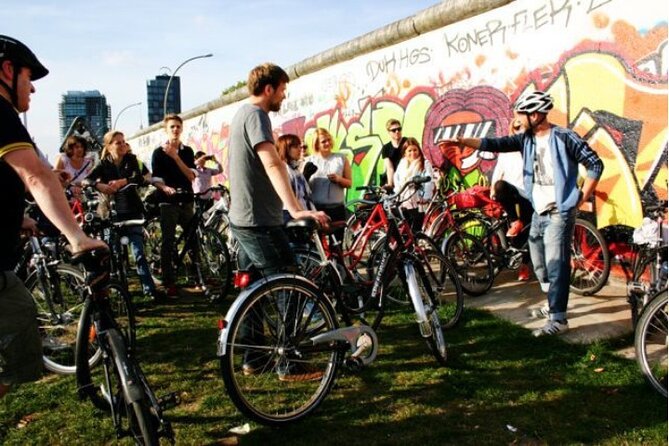
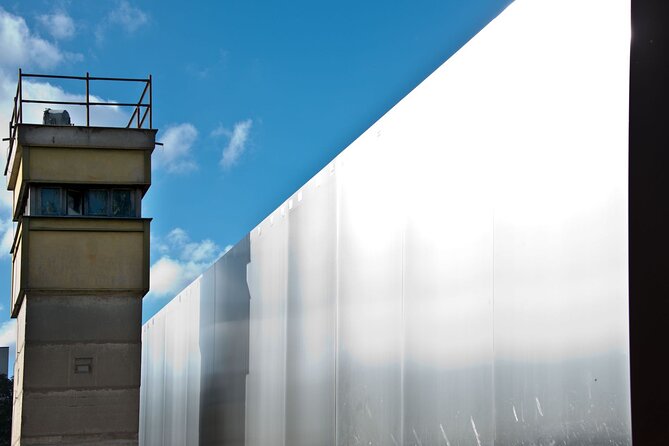
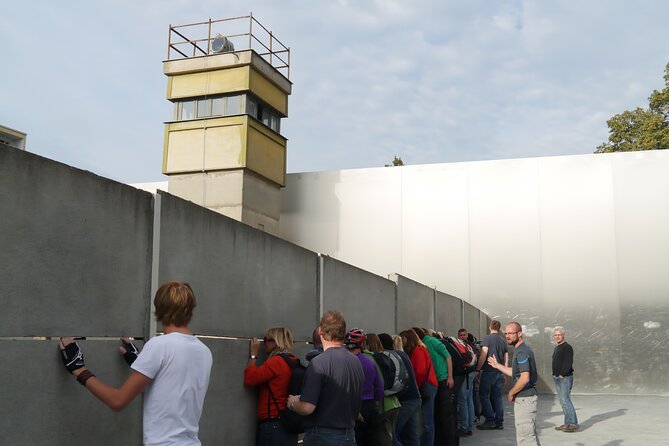
The Wall section is where this tour earns its reputation. You’ll see parts described as still alive—places where you can really understand what the Wall meant and what it did to Berlin. Instead of only hearing about it, you’re looking at the physical reminders that shaped streets, movement, and fear.
One of the best “contrast” stops is Mauerpark. Today it’s known for its Sunday flea market, but the tour frame connects that lively scene to the way the city—tortured by the Wall for 28 years—turned a former barrier area into a place of free expression. That’s one of those Berlin moments where the past doesn’t erase the present; it explains it.
You’ll also visit other Wall-adjacent memory points that highlight victims and the mechanics of separation. For example, the Gunter Litfin memorial centers on Günter Litfin, the first person shot at the Wall. And that matters because it turns a historical topic into named human impact, right where the Wall’s story is anchored in the city.
Flak Tower to Invalidenfriedhof: Nazi architecture and escape geography
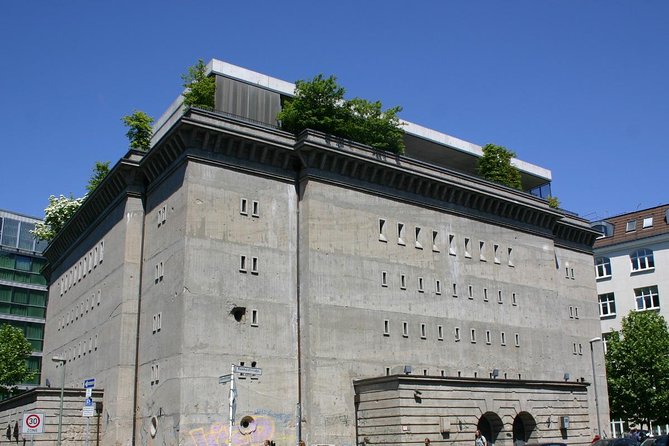
Humboldthain Flak Tower is a standout stop if you want Nazi-era planning to feel more concrete. You’re shown what the tower was: a giant fortress and air-raid shelter. On top of that, the view from there helps you understand the geography of control—how built forms shaped what people experienced day to day.
The tour doesn’t treat architecture like trivia. It uses the structure to talk about Nazi building ideas and what they aimed to achieve. It’s one thing to read about power; it’s another to stand somewhere designed for mass defense and watch the city spread out around it.
Then you head to Invalidenfriedhof, a burial place cut in the middle by the Wall. This stop is especially meaningful because it connects the Wall to real border logic—escape stories, checkpoints nearby, and the canal that acted as a natural border between East and West Berlin. If you like history that explains how people actually navigated risk, this is a strong moment.
You can also read our reviews of more guided tours in Berlin


Spreebogenpark, Reichstag, and the unreal size of Nazi plans
Spreebogenpark gives you the broad view. From there, the tour discusses the governing district and what was planned in Hitler’s imagination. You’ll hear about Albert Speer’s vision for a Great Hall that could have fit 180,000 people. Even if you’ve read that number before, hearing it while you look at the space it was meant to occupy makes it hit harder.
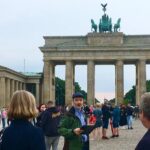
Then you move to the Reichstag Building for an exterior discussion of Hitler’s grab of power and Germany’s democratic history. You don’t go inside on this tour, but you still get the framing: what came before, what was taken, and why Berlin politics mattered so much.
This section is also a good breather in the tour structure. You get views, short explanatory stops, and a clear thread: Nazi ambition was not only ideological—it was architectural and spatial.
Holocaust memorials: victims remembered, not abstract
The Holocaust Memorial – Memorial to the Murdered Jews of Europe is the emotional centerpiece. The tour describes it as the largest genocide memorial in the world, and the size and importance are hard to miss even in a short visit. What I appreciate here is pacing: you’re not rushed through it like a photo op. The tour uses the stop to talk about meaning and memory.
You’ll also encounter a separate memorial area in the same general conversation—one of three memorials for the three biggest victim groups of the Holocaust. Even if you don’t know the details beforehand, the tour connects the dots so you don’t leave thinking you only saw one thing.
If you’re sensitive to heavy content, prepare yourself. The tour isn’t cruel about it—it’s more like: you’re in Berlin, history is right there, and you’re meant to slow down mentally even if you don’t slow down physically.
Fuhrerbunker and Checkpoint Charlie: the Cold War finale and route variation
The last stretch turns toward the endgame. The Fuhrerbunker stop is handled with realism: today what you can see is essentially a parking lot, but the guide explains why that’s what remains. That contrast—expectations vs. what time leaves behind—is part of the point of coming here.
Then comes Checkpoint Charlie, but with an important detail: it’s only included on the English version of the tour. This matters for value. If you’re booking expecting a very specific Cold War finale, double-check which language option you chose.
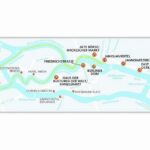
One more consideration: this tour uses a Free Berlin concept, meaning each guide designs their own route while staying on the topic. That’s great when it leads to smart local pacing. It can also mean you might not hit every listed stop exactly. If there’s one site you consider non-negotiable, bring it up during the tour check-in or before you roll out.
Price and booking advice: fit, value, and what to watch for
At about $42.34 per person for roughly 3 hours, this is priced in the “worth it if you learn” zone. You’re paying for a professional guide, a bike, and a helmet—not just transportation. For Berlin, that combination usually beats trying to self-navigate a tight cluster of memorials and Wall sites on your own bike.
The tour tends to be a strong match if you:
- want a Wall-centered overview plus Nazi-era context in one outing
- like structured stops with quick explanations and time to ask questions
- prefer cycling between neighborhoods instead of being stuck on a bus
It’s a weaker match if you:
- want long museum-style time at each location
- need a rigid, guaranteed stop-by-stop itinerary
- plan to spend most of your day doing only the darkest topics without a pause
Should you book this Berlin Wall and Third Reich bike tour?
If you want a practical way to understand how the Berlin Wall shaped everyday life—and how the Nazi story fits into the broader collapse—this is an excellent format. The bike and helmet reduce friction, and the guide-led pacing keeps the history readable instead of overwhelming. Just go in ready for quick stops, and remember the route can flex.
If that sounds like your style, book it.
FAQ
How long is the bike tour?
The tour runs about 3 hours.
What’s included in the price?
You get a bicycle, a helmet, and a professional guide.
Is the tour family-friendly?
Yes. Children are welcome, and infant seats can be provided on request. Children must be accompanied by an adult.
What languages is the tour offered in?
It operates in English and German, depending on the option selected. Checkpoint Charlie is only included in the English version.
Do I need to bring food or drinks?
Food and drinks aren’t included unless specified, so plan for snacks or a meal before or after.
Is there a cancellation option if my plans change?
Yes, there’s free cancellation, and you can cancel up to 24 hours in advance for a full refund.