REVIEW · BERLIN
Private Berlin WWII and Cold War History Tour with Local Expert Guide
Book on Viator →Operated by Friendly Local Guides · Bookable on Viator
Berlin’s hard history is easier with a guide. This private WWII and Cold War walk strings together major stops like Checkpoint Charlie, Museum Island, the Reichstag area, and the Holocaust Memorial, while your local expert keeps the story clear and human. I like the private guide feel because you can ask questions as you go and adjust the pace to your energy.
I also love how the route mixes headline landmarks with the smaller places where Berlin’s division really shows up, like the Palace of Tears and the Neue Synagogue’s Moorish details. Guides such as Dimitri and Eleni are repeatedly praised for making the information feel personal, and for keeping the pace comfortable. The possible drawback: it’s a long walking session in central Berlin, so bring good shoes and dress for the weather.
In This Review
- Key things I’d plan around
- Why This Berlin WWII and Cold War Walk Feels More Than a Checklist
- Starting on Oranienburger Strasse: Your Launch Pad for Divided Berlin
- Neue Synagogue to Palace of Tears: When Borders Became Architecture
- Big WWII Landmarks Without Losing the Thread
- Checkpoint Charlie: The Cold War Border You Can Feel
- Mitte’s Hidden Corners: Where Berlin’s Story Gets Local
- Museum Island and Bebelplatz: Culture as a Battleground
- Currywurst Break: A Simple Lunch That Keeps the Walk Human
- Reichstag to Brandenburg Gate: Photo Stops With Meaning
- Price and Value: When $129 Buys Time-Saving, Not Just Facts
- The Main Trade-Offs to Consider Before You Book
- Who This Tour Suits Best (and Who Should Pick Something Else)
- Should You Book This Private History Tour?
- FAQ
- How long is the Berlin WWII and Cold War walking tour?
- Is this tour private or shared?
- Where do we meet, and where does the tour end?
- What language is the tour offered in?
- What’s included besides the guide?
- Are entrance tickets included for sights?
- Can the itinerary be customized?
- Is there a fitness requirement?
- Do I need to bring tickets or is there a mobile option?
- What’s the cancellation policy?
Key things I’d plan around
- Private pace control: you can slow down, speed up, and customize the route to your interests.
- Checkpoint-to-Mitte storytelling: WWII and Cold War themes connect street by street, not stop by stop.
- Currywurst is built in: you get a classic Berlin snack during the walk.
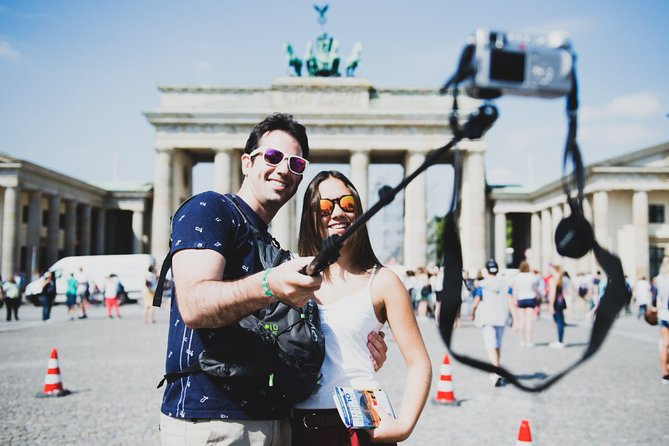
- Designed photo moments: you’ll stop often at major viewpoints and iconic architecture.
- Guides matter: reviews mention guides like Dimitri, Eleni, and Simon for clear explanations and smart timing.
Why This Berlin WWII and Cold War Walk Feels More Than a Checklist

Berlin can hit you in waves: Nazi-era scars, then the Cold War’s calm-but-tense daily life. What makes this tour work is the structure. Instead of bouncing randomly between sites, you move through the city in a way that helps you “see the timeline” on the ground. One minute you’re standing near places tied to the Nazi rise and the end of WWII; the next you’re in areas that explain how a divided city functioned—and how people tried to escape.
I also like that it’s private. You’re not stuck waiting for a whole group to decide whether to read the plaque or just take photos. If you want more detail about one topic—escape routes, propaganda, borders, or postwar rebuilds—you can ask. If you want a lighter pace with more time for views and cafes, you can do that too. Guides named in the feedback—Dimitri, Eleni, Despina, Simon, and Lucian—keep showing up because they’re good at explaining without turning it into a lecture.
You can also read our reviews of more guided tours in Berlin



Starting on Oranienburger Strasse: Your Launch Pad for Divided Berlin
You meet on Oranienburger Strasse 28-30 in West Berlin. That matters because it puts you in the city center without making you spend half the tour figuring out where to go next. The route also starts right near major sites so you can get your bearings fast, then build momentum.
Expect an active 4-hour walking rhythm. The tour is built for moderate physical fitness, so plan for steady time on your feet. Good news: the guide can steer you through the route with shortcuts and frequent pauses, and the feedback often mentions rests and nearby places to get a drink or snack.
If you’re a first-time visitor to Berlin, this start helps you understand the geography of the city’s changes. West Berlin and East Berlin weren’t just political ideas. They shaped where people lived, how they moved, and which streets carried danger.
Neue Synagogue to Palace of Tears: When Borders Became Architecture
A standout early sequence is the walk by the Neue Synagogue, followed by the Palace of Tears. The Neue Synagogue stop is about more than a landmark photo. You pause for the striking Moorish architecture, which gives you a quick reminder that Berlin wasn’t only war and ideology—it also had cultural and religious life that persisted through chaos.
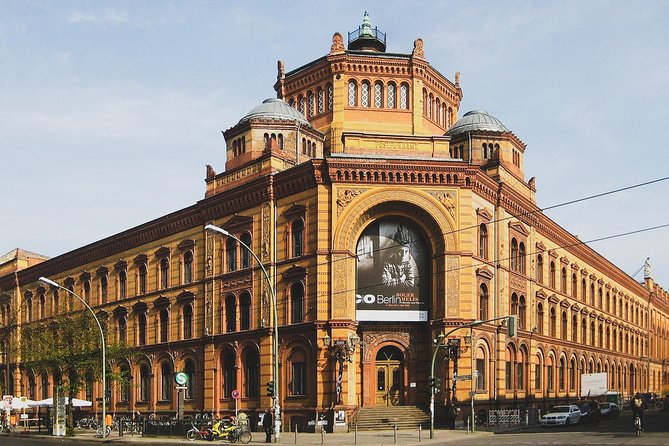
Then you head to the Palace of Tears, a former border point between East and West Berlin. This is one of those places where details do the work. You walk into the space and you can feel the 1960s design language in the interior: floor tiles, a wall clock, and a “modern” look that now feels frozen in time. That contrast is powerful. It shows how something brutal—separation and control—was handled through a system that looked orderly on the surface.
At this point in the tour, you also get the emotional backbone of the Cold War story: the harrowing attempts by residents to flee Soviet-occupied East Berlin into Allied-occupied West Berlin. The value here isn’t only the facts. It’s the way the guide helps you connect the border to the human stakes.
Big WWII Landmarks Without Losing the Thread
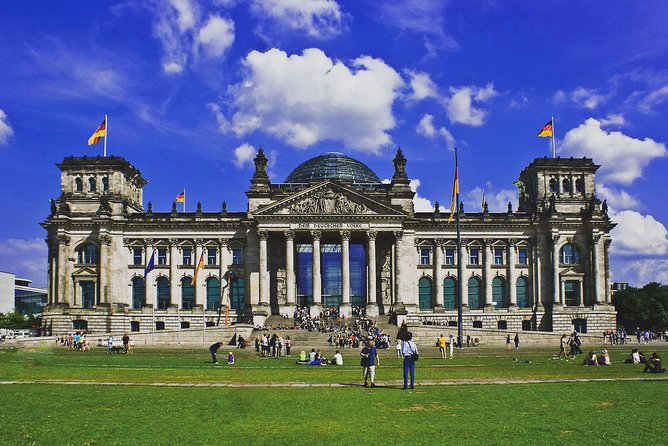
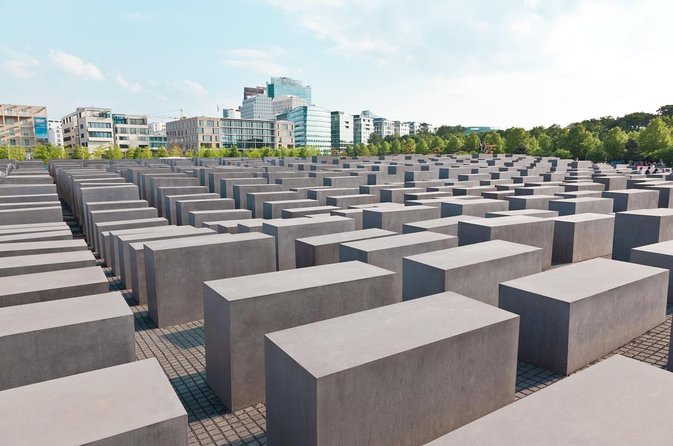
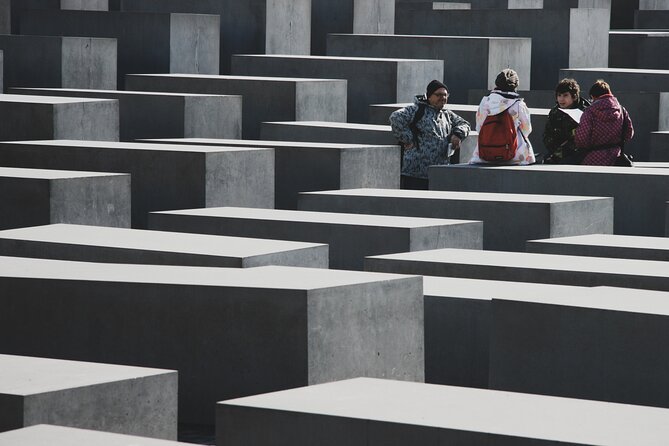
As you continue, you’ll work through Berlin’s WWII shadow zones in a way that stays connected. The tour includes a visit to Hitler’s bunker area (the Führerbunker), plus time at the Holocaust Memorial and the surrounding major landmarks.
One reason these stops hit harder with a guide is context. The Holocaust Memorial isn’t just a dramatic grey structure you pass by—it’s a warning and a space for remembrance, and the guide helps you understand how to “read” what you’re seeing. Same with the Führerbunker stop. If you’re just looking at an external site, you can miss the significance. With the tour, you’re given the meaning behind why this place mattered in Hitler’s final hours.
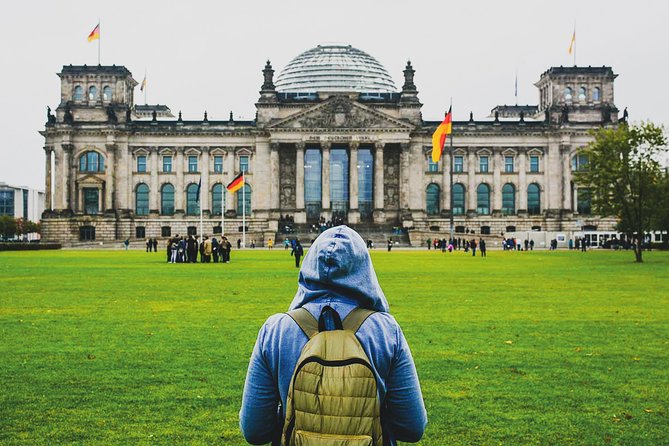
You also get the Brandenburg Gate and the Reichstag building as part of the flow. Both are key because they represent Berlin at different moments: power, politics, rebuilding, and the tension between “old monument” and modern reality. Even if you’ve seen photos already, it’s worth seeing them in person while your guide threads the story through the city’s changing roles.
Checkpoint Charlie: The Cold War Border You Can Feel
Checkpoint Charlie is one of Berlin’s most famous Cold War sites, and it earns that status. In this tour, it works as a midpoint emotional shift: you’ve covered borders in general (Palace of Tears), then you land at a specific crossing with massive symbolism.
You stop at Checkpoint Charlie for the kind of understanding that doesn’t fit neatly into a quick photo. The guide gives you the history of why this was the best-known border crossing between East and West Berlin. You’ll also feel how the location continues to carry emotional weight because of what happened around it—both the formal rules of movement and the human desire to cross a line that shouldn’t have existed.
If you’re the type who likes to ask questions, this is a good place to do it. You can go from general Cold War explanations to specifics about daily life, propaganda, and escape attempts.
You can also read our reviews of more private tours in Berlin


Mitte’s Hidden Corners: Where Berlin’s Story Gets Local
After the “headline” sites, the tour shifts into a more human scale around Mitte. This is one of the ways the experience feels worth paying for. Instead of sending you only to the usual must-sees, the guide points you toward lesser-known places that help the city make sense.
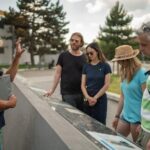
You’ll explore the urban quarter of Mitte and learn about spots like the Missing House on Große Hamburger Straße and the picturesque Heckmann Höfe. The Missing House is especially meaningful because it represents absence in a city shaped by war damage and reconstruction. Heckmann Höfe gives you the opposite feeling—quiet livability, courtyards, and the kind of pocket-scale architecture that makes Berlin feel like a living city instead of an open-air museum.
This portion is also where customization becomes real. If you want more time around architecture, side streets, or neighborhood rhythm, you can steer the pace. If you want more time on Cold War details, you can do that too.
Museum Island and Bebelplatz: Culture as a Battleground
The tour includes a stop around Gendarmenmarkt and Bebelplatz, then moves toward UNESCO-listed Museum Island. These are not random stops. They help explain how ideology and power tried to shape culture, education, and memory.
At Bebelplatz, you’ll see magnificent public space architecture and also connect it to Berlin’s chequered history. It’s the kind of square where, with the right explanation, you start noticing that public spaces are never neutral.
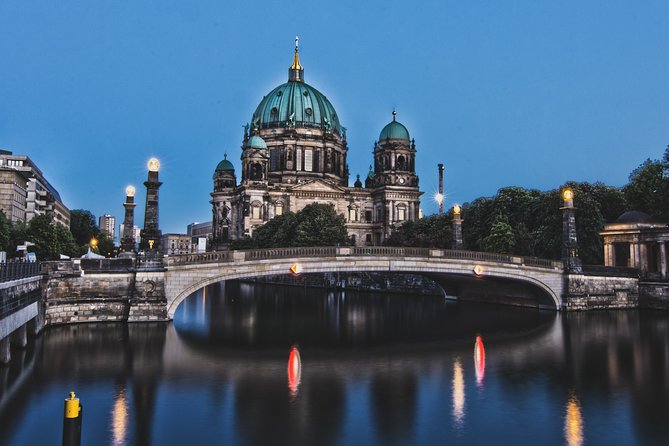
Then Museum Island becomes a big payoff stop. You’ll learn the idea that Museum Island is a complete work of ensemble design, with five world-renowned museums. And you’ll also get the story behind Nazi-organized book burnings. That theme is crucial because it shows how regimes go after ideas, not only bodies and borders. A guide can keep this from becoming an abstract statement by connecting it to the institutions you’re seeing.
Currywurst Break: A Simple Lunch That Keeps the Walk Human
Yes, you’ll stop for currywurst. It’s included as a classic Berlin street food treat during the tour. I like that it’s not a random add-on. It gives you a natural break, a chance to cool down, and a chance to keep talking with your guide while the day is still moving.
The feedback on pacing often mentions that cafes and drinks are available along the way, and that breaks are built into the experience. So even though this is a history tour, you’re not stuck “working” the whole time.
If you have dietary needs beyond what’s mentioned, you should plan accordingly and be ready that extra food and drinks aren’t included.
Reichstag to Brandenburg Gate: Photo Stops With Meaning
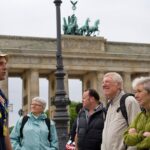
You’ll get multiple iconic photo moments, including the Brandenburg Gate. The trick with landmarks like this is to look beyond postcard framing. With the guide’s sequence, you see why these buildings matter and how the same spaces can feel different across decades.
The Reichstag building stop is part of that. The tour frames it as a place where classic architecture meets modern Berlin atmosphere. That comparison helps you understand Berlin’s constant reinvention. If you’ve only visited one side of the city before, these stops help stitch the pieces together.
As you move between stops, the guide also uses shortcuts and timing to reduce wasted time. Reviews specifically praise this, especially when people feel the walk could have been longer or more tiring without smart route planning.
Price and Value: When $129 Buys Time-Saving, Not Just Facts
At $129 per person for about 4 hours, this tour isn’t trying to be the cheapest way to see Berlin. The real value is how the format removes guesswork.
A private guide means:
- You don’t spend energy sorting out what order to see things in.
- You get explanations on demand as questions pop up.
- You can customize the itinerary to your interests, rather than forcing yourself to fit a fixed group script.
And since the tour is walk-based, you’re getting a strong overview without paying museum-by-museum entry fees for every stop (many are listed with free admission tickets). Add in the included currywurst and you’re also not scrambling for lunch plans mid-route.
One more practical point: booking about 55 days in advance is typical here, and start times can vary. If you want the best chance at your preferred day and time, plan ahead.
The Main Trade-Offs to Consider Before You Book
This is a walking tour, so expect time on your feet. The itinerary covers major sights spread through central areas, and even with rest stops, you should plan for a full outing rather than a light stroll.
Also consider tone. This route includes WWII and Holocaust remembrance, plus Führerbunker context and Cold War division stories. It’s not all heavy, but it’s anchored in difficult history. If you’re sensitive to that, you may still want it, but you should go in mentally prepared.
Finally, service reliability is usually praised, but one negative case in the feedback described a guide no-show. The provider response stated the guide was no longer working with them and that a refund was issued right away. I can’t promise that will never happen, but it’s a reminder to confirm your meeting details and keep your phone charged.
Who This Tour Suits Best (and Who Should Pick Something Else)
You’ll likely love this if:
- You want an efficient introduction to Berlin through WWII and Cold War sites.
- You prefer a guide who can answer questions and tailor the pace.
- You’re traveling with a group and want a private setup rather than a big join-in crowd.
- You’d rather walk the city with context than read your way through plaques alone.
You might want a different option if:
- You strongly prefer mostly indoor museum time over walking.
- You have very limited mobility or you know you can’t handle a moderate walking day, even with breaks.
- You want a strictly factual, self-paced route with no narrative thread.
Should You Book This Private History Tour?
If you’re visiting Berlin for the first time or you only have a few hours to make the past make sense, I’d book it. You’re paying for the way a good guide links places—Palace of Tears into border escape stories, Holocaust Memorial into remembrance context, Checkpoint Charlie into the Cold War’s daily reality, and Museum Island into how regimes attacked ideas.
This is also a smart pick for travelers who like structure but don’t want to feel boxed in. The private format plus the included currywurst break keeps it moving, not exhausting, and the repeated praise for guides like Dimitri and Eleni signals that the experience lives or dies on explanation quality. For $129, that’s the kind of investment that tends to pay off fast.
FAQ
How long is the Berlin WWII and Cold War walking tour?
The tour lasts about 4 hours.
Is this tour private or shared?
It’s private. Only your group participates.
Where do we meet, and where does the tour end?
You meet at Oranienburger Str. 28-30, 10117 Berlin, and the tour ends back at the same meeting point.
What language is the tour offered in?
The tour is offered in English.
What’s included besides the guide?
You get a private local guide, a private walking tour, all fees and taxes, and a German traditional snack: currywurst. The itinerary is customizable.
Are entrance tickets included for sights?
All fees and taxes are included, and the listed stops indicate free admission tickets for the included visits. Extra food and drinks are not included.
Can the itinerary be customized?
Yes. The tour is private and the itinerary can be customized to fit your interests and preferences.
Is there a fitness requirement?
A moderate physical fitness level is recommended since it’s a walking tour.
Do I need to bring tickets or is there a mobile option?
You’ll have a mobile ticket.
What’s the cancellation policy?
You can cancel for a full refund up to 24 hours in advance of the experience start time.