REVIEW · BERLIN
Small-Group Berlin Sightseeing and Food Tour of Prenzlauer Berg and Mitte
Book on Viator →Operated by Fork & Walk - Food Tours Berlin · Bookable on Viator
Berlin tastes better with history in your pocket. This tour is interesting because it pairs six food tastings with stop-by-stop commentary tied to major sites like the original Berlin Wall and surviving Jewish landmarks. I love the mix of serious context and fun eating, and I love that you’re walking through neighborhoods you usually skip. A fair heads-up: it’s mostly short bites and breaks on the move, so it’s not the kind of tour built around long sit-down meals.
I also like that it keeps the group small, with a max of 10 people, so you can actually ask questions and compare what you’re tasting. Four drink breaks mean you can sip along without derailing the schedule, and the route is built for sampling different styles of Berlin—from bakery cases to butcher shops to bagels. If you’re sensitive to walking, wear comfy shoes and plan for a steady pace across changing streets and courtyards.
You start at Schankhalle Pfefferberg near Schönhauser Allee (close to Senefelderplatz area) at 11:00 am, and the tour runs about 4.5 hours, ending by Rosa-Luxemburg-Platz in Mitte. You’ll be outdoors, so bring a rain jacket or poncho if the weather looks uncertain.
In This Review
- Key highlights you’ll feel right away
- Prenzlauer Berg and Mitte: the best mix of Berlin flavors and real context
- Starting at Schankhalle Pfefferberg: barista coffee that sets the tone
- The Berlin Wall Memorial stop that becomes the emotional center
- Quick walk-bys with heavy weight: Nazi Germany’s first concentration camp site
- Bakery and butcher tastings: when Prenzlauer Berg smells like breakfast
- When synagogues take center stage: survival stories you can’t skip
- Yarok and Schlomo’s Bagels: immigration flavors and a classic Jewish-quarter taste
- Dessert at Cuore di Vetro and the Hackescher Markt courtyard vibe
- Drink breaks: how to pace yourself without missing tastings
- Price and value: what you’re actually paying for
- Who this tour fits best (and who should choose differently)
- Tips to get the most out of the walk
- Should you book the Small-Group Berlin Sightseeing and Food Tour?
- FAQ
- What time does the tour start?
- How long is the tour?
- What group size should I expect?
- Is the tour offered in English?
- Where do I meet the tour, and where does it end?
- What’s included in the price?
- Are vegetarian options available?
- Can the tour accommodate allergies and dietary restrictions?
- Is public transportation included?
- What if the tour is canceled—will I get a refund?
Key highlights you’ll feel right away
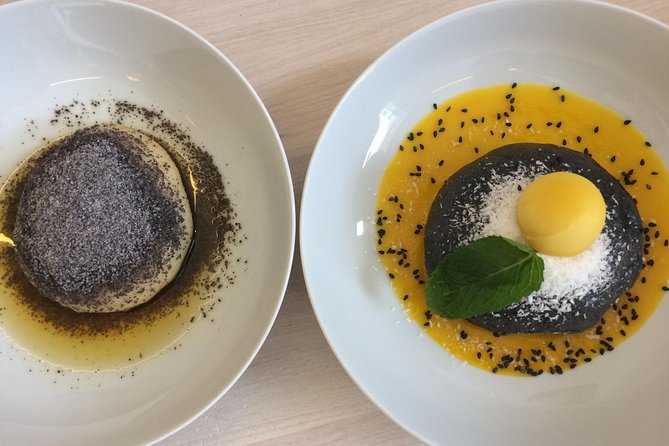
- Six tastings plus four drink breaks: more than snack sampling, with chances to slow down and reset
- Touch the original Berlin Wall Memorial: a rare, hands-on moment paired with clear explanations
- Prenzlauer Berg and Mitte in one loop: you’ll move from Wall-era sites into Central Berlin food streets
- Specific stops, not vague food stalls: places like Heberer bakery, Fleischerei, Yarok, and Schlomo’s Bagels
- Jewish history stops are part of the story: including a synagogue tied to the Night of Broken Glass
- Dietary needs can be accommodated: vegetarian option available if you set expectations when booking
Prenzlauer Berg and Mitte: the best mix of Berlin flavors and real context
I like Berlin tours that don’t just show you what looks photogenic. This one links what you taste with what you see, so the day keeps making sense as you move: coffee first, then the Wall, then food neighborhoods that show how the city rebuilt itself.
You’re spending time in Prenzlauer Berg and then into Mitte, and that matters. Prenzlauer Berg is where a lot of modern Berlin energy shows up—cafés, side streets, and courtyards around Hackescher Markt—while Mitte is where you get central landmarks and a closer look at how the past still shapes daily life.
The other thing I appreciate is that the day doesn’t treat history like a lecture with snacks nearby. The commentary is placed at the right moments so you remember what you saw when you’re later choosing something from a menu.
You can also read our reviews of more food & drink experiences in Berlin

Starting at Schankhalle Pfefferberg: barista coffee that sets the tone
Your tour begins near Schankhalle Pfefferberg on Schönhauser Allee, with the U2 area as your general transport reference point. Before you start walking deep, you get a chance for coffee at THE BARN Schönhauser Allee Café—a short stop that’s perfect if you want your energy under control early.
This is more than caffeine. Starting with a café-style moment helps you settle into the day’s rhythm: small sips, quick chats with your guide, then walking while you’re awake enough to notice details.
If you’re picky about drinks, don’t worry—you’ll be able to choose your morning coffee style from what’s offered nearby. And later, you’ll hit multiple drink breaks, so you’re not locked into one option.
The Berlin Wall Memorial stop that becomes the emotional center
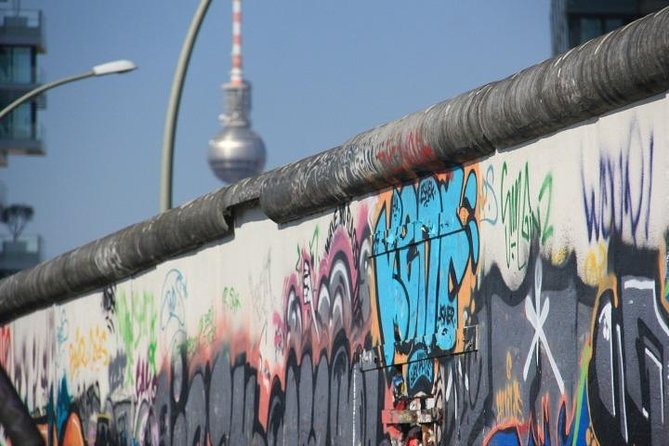
After the coffee, the tour heads to the Memorial of the Berlin Wall, where you can actually touch the original Berlin Wall. This is a big deal. You’re not just looking at a wall behind glass; you’re getting a physical connection while the guide explains why and how the Wall happened.
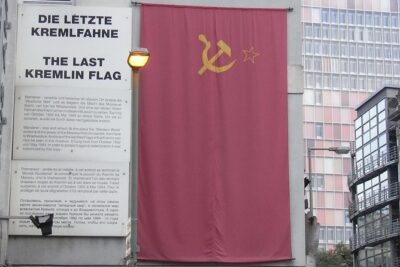
Expect historical commentary that covers more than dates. The guide is set up to walk you through famous escapes, survival stories, and what the Wall means in a post-communist Berlin. If you’ve only heard the Wall in a broad way, this stop tends to make it feel specific and personal.
A practical note: this is a timed moment (about 35 minutes). So treat it like your anchor point for the whole 4.5-hour experience. When you come back out into the streets after, the eating feels different—not because the food changes, but because your brain is in a deeper gear.
Quick walk-bys with heavy weight: Nazi Germany’s first concentration camp site
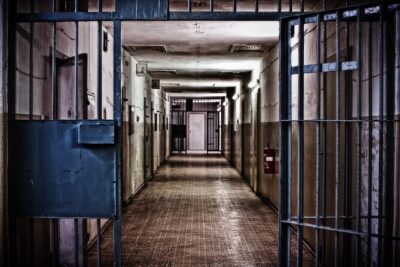
Right after the Wall Memorial, you’ll move through additional history on foot, including a stop connected to Germany’s first concentration camp of Nazi Germany. The tour uses the setting in Berlin itself—so you’re not imagining the past; you’re standing where it happened.
You’ll spend a short amount of time at the Wasserturm Prenzlauer Berg area, described as the location tied to a prisoner and concentration camp of Nazi Germany, right in the heart of the city. The time here is brief (around 5 minutes), but the point is clear: Berlin’s history isn’t only in museums.
If you’re someone who needs time to process, you can slow down for a minute or two during the stop even if the schedule is tight. That’s usually the difference between remembering facts and actually feeling the place.
Bakery and butcher tastings: when Prenzlauer Berg smells like breakfast
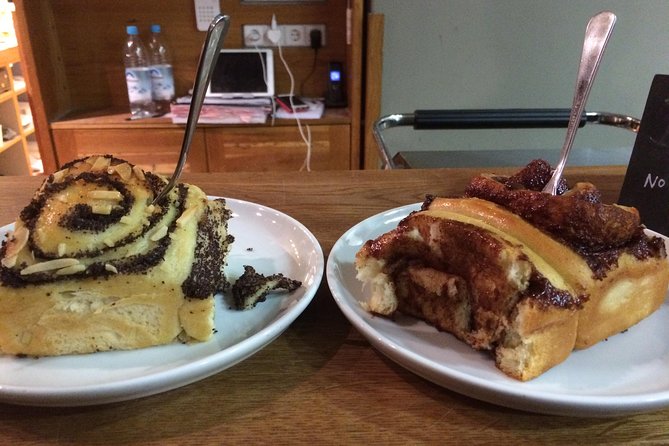
Once the heavy stops are done, the tour shifts into pure appetite mode. You’ll hit Wiener Feinbäckerei Heberer for local pastries. It’s quick, but that’s the idea: small tastings that give you a real sense of what people here reach for.
Then comes Fleischerei, a butcher tasting that feels very Berlin. For many visitors, meat markets aren’t on the top of the itinerary. Here, the tasting helps you understand local food culture beyond what you see in big tourist restaurants.
I like these stops because they show a side of the city that’s practical and everyday. You’re not only eating international comfort food; you’re sampling how Berlin handles staples—pastry, cured or prepared meats, and all the traditions that support them.
A small downside: if you’re expecting a whole sit-down meal, these are more bite-sized stops. Plan to feel hungry, then gradually get satisfied over the day rather than getting a big final platter.
You can also read our reviews of more tours and experiences in Berlin


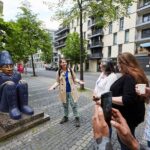
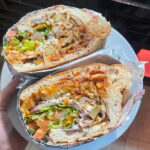
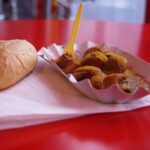
When synagogues take center stage: survival stories you can’t skip
Berlin has Jewish history that’s visible if you know where to look, and this tour points you there. You’ll visit the largest synagogue in Germany (the tour lists it as a key stop), which sets an immediate scale for what the community meant.
Then you’ll go to Stiftung Neue Synagoge Berlin – Centrum Judaicum, where you learn about the synagogue that survived the Night of Broken Glass. This is one of those moments where the guide’s job is not only to tell you what happened, but to connect the story to what Berlin is now.
You’ll have a short time at each site (both are quick stops), but short doesn’t mean shallow. The value here is that your eating day isn’t only about pleasure; it includes the kind of information that changes how you read the city streets.
If you’re traveling with someone who wants to understand Berlin beyond food, this is where they’ll remember the day most clearly.
Yarok and Schlomo’s Bagels: immigration flavors and a classic Jewish-quarter taste

Now we get back to the fun part, and it’s a smart swap: the tour brings you into food that reflects movement, community, and change. At Yarok, you’ll learn about the history of immigration in Berlin and how it influences modern day Berlin, while enjoying a plate-based meal and sipping homemade Cardamon Tea.
This stop works because it turns a big theme—immigration—into something you can taste and share. The tea is a small thing, but it’s memorable, and it gives you an easy break point to ask questions about what you’ve been learning.
After that, you’ll reach Schlomo’s Bagels, described as a tasting in the former Jewish Quarter. This is where you get a more street-friendly, classic Berlin bite that helps the day close the loop: history you can feel, then a food you can carry forward in memory.
If you like tours where the food choices are tied to geography, not just menus, you’ll appreciate the way these stops are placed.
Dessert at Cuore di Vetro and the Hackescher Markt courtyard vibe
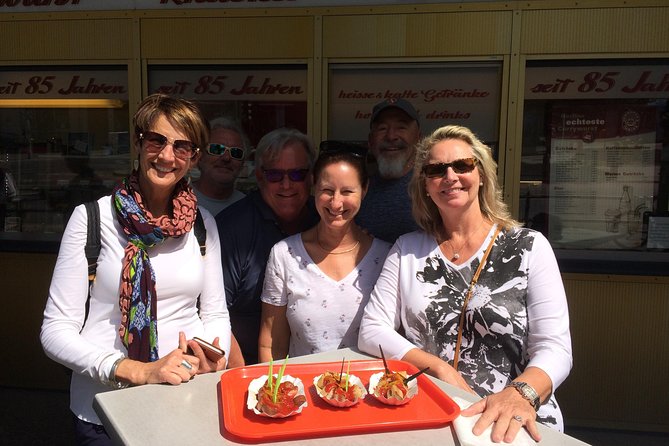
By the end, the tour lands you in Mitte, with extra time to explore the area around Hackescher Markt and its courtyards. The day doesn’t just drop you at the finish and vanish; it gives you a sense of the streets and the in-between spaces where Berlin’s everyday charm shows up.
You’ll finish with a local dessert tasting at Cuore di Vetro. It’s a good wrap after six tastings and multiple drinks because dessert is where your brain says, Yes, this was a food-focused day.
Ending near Rosa-Luxemburg-Platz also helps. You’ll be in a central spot with public transport connections, so you can either head back for rest or keep exploring without needing a complicated plan.
Drink breaks: how to pace yourself without missing tastings
The tour includes four drink breaks. You can grab something at one stop or hit more than one, depending on your appetite and comfort level.
I like this setup because it prevents the usual food-tour problem: either you’re not allowed to drink much, or you end up drinking so fast that you feel sloppy at the tastings. Here, drinks are built into the flow. You take a pause, hydrate, and keep your taste buds working.
Berlin is also known for café culture and craft beer energy, and this tour is set up to reflect that mix. One of the standout themes from guides like Tiago, Dov, and Emma (names that come up often with this experience) is that they treat tastings and drinks as part of a guided narrative, not just a checklist.
Practical tip: don’t overcommit early. Coffee is great, but you’ll also have drink opportunities later—so save something for the middle of the walk when you need a reset.
Price and value: what you’re actually paying for
The price is $301.20 per person, for about 4 hours 30 minutes and a max group size of 10. That’s not cheap, so the value question matters.
Here’s what you’re paying for, based on how the day is built:
- Six food tastings across multiple food styles and shops
- Four drink breaks, so you’re not just eating
- A small-group guide who connects food to place and major historical sites
- A Wall-focused stop that includes admission time at the Berlin Wall Memorial
- Clear accommodation for dietary needs, including a vegetarian option if you request it
For me, the best argument for the price is the combination. You’re getting access and interpretation at emotionally heavy landmarks, plus you’re eating your way through the neighborhoods right after. Most food tours give you snacks. This one gives you a structured day where the food choices land with meaning.
Also, transport isn’t included. If you rely on public transit during the walk (or you need to jump between nearby areas), you’ll want to budget for the BVG transport ticket yourself.
Who this tour fits best (and who should choose differently)
This is a good match if you want more than food. You’ll enjoy it if you like walking tours that connect neighborhoods to history, and if you’re curious about Berlin’s shifting identity through Jewish history, WWII-era sites, and the city’s modern food scene.
It also fits well if you like variety. The tour isn’t only one style—pastry, butcher tasting, synagogue context, immigration-linked food, bagels, and dessert all show up.
It might be less ideal if you hate walking with stops that are time-boxed. The walking is described as moderate, but you should still plan to move steadily for the full half-day.
Tips to get the most out of the walk
- Eat smart before you go: you’ll get enough tastings that starting hungry is usually a win, but don’t arrive with a full breakfast that makes pastries and bagels feel like homework.
- Wear comfortable walking shoes: it’s a half-day walking tour, and streets change from café-front to courtyard and memorial settings.
- Bring rain gear: a rain jacket or poncho is recommended depending on weather.
- Set dietary needs early: vegetarian options exist, and special requests can be accommodated if you tell the team at booking.
- Ask about the places you’re eating: guides often tie each tasting to the neighborhood story, and that’s where the day becomes more than food sampling.
One more practical observation: guides can adapt if a planned spot is closed or weather changes. That matters because Berlin can be unpredictable on small-shop schedules and rainy days. The best version of this tour is the one where you keep your curiosity flexible.
Should you book the Small-Group Berlin Sightseeing and Food Tour?
If you want a half-day that feels like Berlin—food, neighborhoods, and real historical context—this is a strong pick. The best reason to book is the blend: you touch the Wall, then you’re eating your way through Prenzlauer Berg and Mitte with tastings that feel specific, not generic.
I would skip it only if you’re after a mostly sit-down food experience or if walking and outdoor memorial sites are not your thing. Otherwise, it’s excellent value for your time because you get many tastings, multiple drink breaks, and guided context in one tight window.
If you like your travel days structured but not stiff, and you want authentic neighborhood food with meaning attached, this tour is worth putting on your Berlin plan.
FAQ
What time does the tour start?
It starts at 11:00 am.
How long is the tour?
The duration is about 4 hours 30 minutes.
What group size should I expect?
The tour has a maximum of 10 travelers.
Is the tour offered in English?
Yes, it’s offered in English.
Where do I meet the tour, and where does it end?
You meet at Schankhalle Pfefferberg, Schönhauser Allee 176, 10119 Berlin. The tour ends at Rosa-Luxemburg-Platz in Mitte (U2 line).
What’s included in the price?
The tour includes six food tastings and four drink breaks, plus a small-group walking tour and a guide.
Are vegetarian options available?
Yes. A vegetarian option is available, and you should advise the provider at booking.
Can the tour accommodate allergies and dietary restrictions?
Yes. You should specify allergies or dietary requirements when booking so the tour can accommodate them.
Is public transportation included?
No. A BVG transport ticket is not included.
What if the tour is canceled—will I get a refund?
There is free cancellation up to 24 hours in advance for a full refund. If the tour is canceled because the minimum number of travelers isn’t met, you’ll be offered a different date/experience or a full refund.