REVIEW · BERLIN
Architectural Berlin: Private Tour with a Local Expert
Book on Viator →Bookable on Viator
Berlin’s buildings talk back.
This private architecture tour is built for close-up looking, with a local guide guiding you from Museum Island to the Reichstag and ending near the Berlin Philharmonic. I like that it stays intimate (just your group) and that it’s designed to be tailored to your interests instead of running on autopilot.
Two things I especially like: first, you get a tight “how Berlin got here” thread through very different styles, so you can see change over time in just two hours. Second, you learn why specific design choices matter, like how the Reichstag’s glass dome was meant to connect politics and transparency, not just wow you from the outside.
One consideration: because this is hosted by an independent local, guide quality can vary. One experience was praised for a strong grasp of architecture, while another booking had the wrong fit for an architecture-focused day, so you’ll want to be clear about what you’re looking for when booking.
In This Review
- Key highlights you’ll actually notice
- How a 2-hour private architecture loop works
- Meeting point and pacing: Bodestraße to the Philharmonic area
- Museum Island’s neoclassical gallery: seeing how Berlin “curates” art and style
- The Lustgarten area church: Renaissance-and-Baroque drama in one dome
- A modern eco-friendly office building: Berlin’s practical optimism
- The Reichstag and Norman Foster’s glass dome: history plus transparency
- A building that blends modern architecture with its surroundings
- Berlin Philharmonic: the tent-like silhouette and the sound-focused design
- What you’ll get from your Local Expert (and why it matters)
- Value for money: when $639.96 makes sense
- Who this private architecture tour fits best
- Should you book it?
- FAQ
- How long is the private architecture tour?
- What group size is this tour designed for?
- What’s the meeting point and where does the tour end?
- Are transportation or attraction entry tickets included?
- Do I get a mobile ticket?
- Can I join if I have a service animal?
Key highlights you’ll actually notice
- Private and tailored: your pace, your interests, your route tweaks.
- A skyline anchor: you’ll specifically connect the Berliner Fernsehturm (TV Tower) to how Berlin’s horizon looks and feels.
- Real variety in styles: neoclassical, church architecture, modern eco-minded office design, and glass-and-steel politics.
- Berlin Philharmonic stop: you’ll focus on its tent-like shape and the way the building supports sound.
- Short walking loop: timed for ~2 hours, with weather sometimes shifting which exact spots you hit.
How a 2-hour private architecture loop works
A good architecture tour does two jobs. It helps you slow down enough to notice details, and it gives you a mental map so you’re not just collecting pretty photos. This one is structured to do both—short enough that you won’t feel exhausted, but focused enough that the day doesn’t blur together.
You’re with a Local Expert in a truly exclusive setup. That means less waiting, fewer “everyone stand here for the photo” moments, and more time for questions. And because the itinerary adapts to walking pace and what you want to emphasize, you can lean more historic or more modern depending on your mood.
The tour also ends at Herbert-von-Karajan-Straße 1, near the Philharmonic area, which is a smart finish. It keeps your last stop feeling like a payoff, not a random add-on. If you like ending near a cultural landmark you can explore further on your own, this is a good setup.
You can also read our reviews of more private tours in Berlin

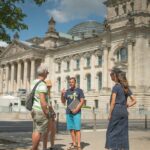
Meeting point and pacing: Bodestraße to the Philharmonic area
The start is Bodestraße 1 (10178 Berlin). That’s a central jumping-off point, which matters because architecture tours can lose time if they start miles away from what you actually came to see. Here, your route is built to group major architectural “chapters” into one walk.
Expect a compact route and a walking pace that should match your group. The key point is flexibility. Stops may vary depending on weather, so if it’s windy, rainy, or brutally cold, you’ll likely still keep moving and still get the architecture story—just with smarter stop choices.
Also, this uses a mobile ticket, which is convenient for keeping things simple once you’re on the ground. If you’re traveling with a phone-first plan, it fits that style.
Museum Island’s neoclassical gallery: seeing how Berlin “curates” art and style
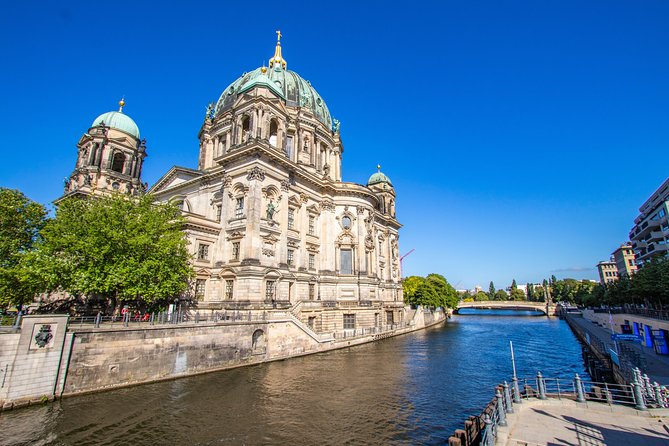
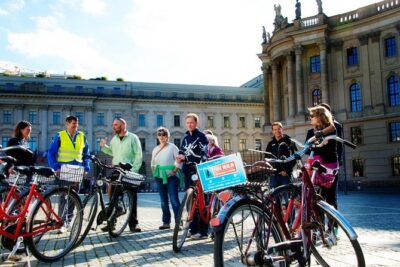
Your first major stop spotlights a key element of Museum Island: a gallery known for its neoclassical architecture and a collection of 19th-century art. The big value here is learning how architecture shapes what people expect when they enter a cultural space.
Neoclassical buildings are about order and intention. You can often feel it in the geometry and in the way the building frames what’s inside. On an architecture-focused tour, this stop gives you a baseline for Berlin’s earlier “public face”—a time when design was meant to signal permanence and cultural seriousness.
A drawback is that neoclassical architecture can feel a bit similar in photos if you’re rushing. The benefit of a private tour is that your guide can point out the features you might otherwise miss—proportions, facade rhythm, and how the space guides your movement. With just two hours, you’ll appreciate this kind of “starter chapter” far more than if you were doing Museum Island on your own.
The Lustgarten area church: Renaissance-and-Baroque drama in one dome
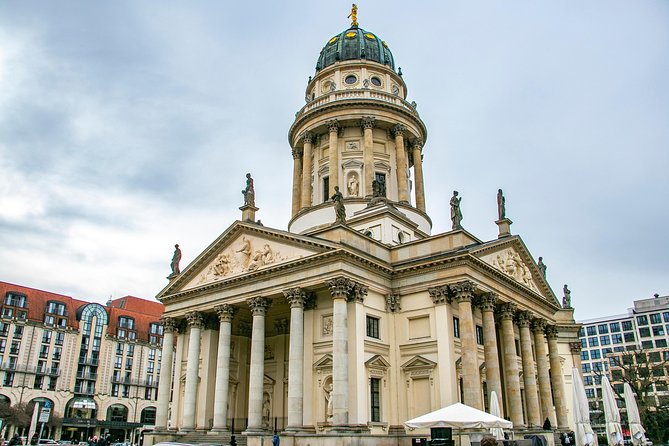
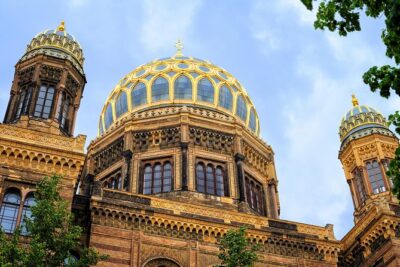
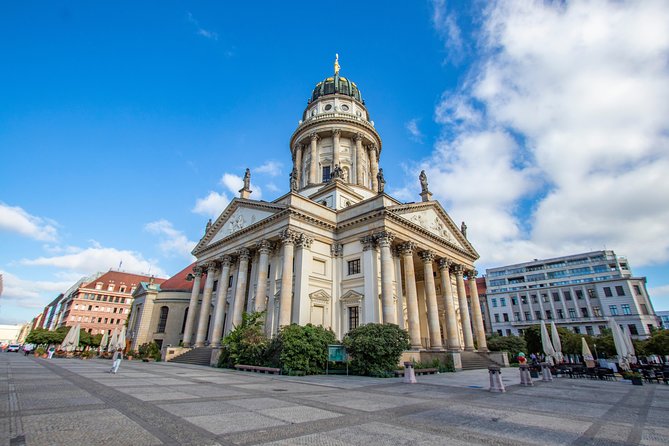
Next you’re headed near Lustgarten for a historic church with a large dome and a blend of Renaissance and Baroque style. This stop is great because it moves you from strict classical lines to something more expressive.
Renaissance and Baroque design isn’t just about decoration. It’s about presence—how a building announces itself and how the interior and exterior can feel like they’re designed to guide emotion. A dome like this works as a visual anchor in the skyline, and during your walk you’ll likely start to notice how Berlin uses landmarks to “organize” space.
The consideration here is timing and conditions. Domes and church areas can be affected by weather, and the tour is clear that stops may shift based on conditions. If you’re coming in cold months, I’d dress for real outdoor time and expect that your guide may adjust the exact viewing approach.
A modern eco-friendly office building: Berlin’s practical optimism
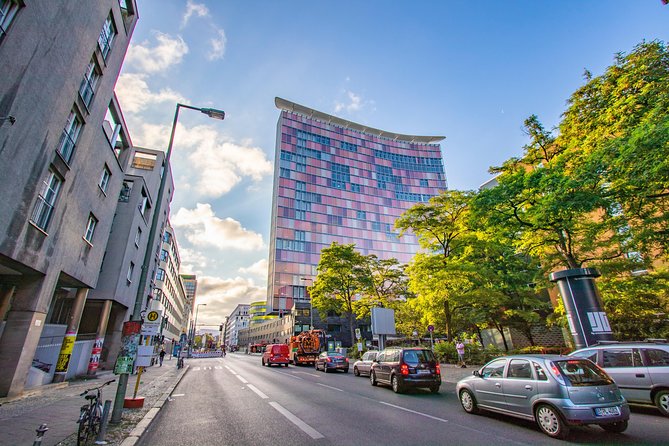
Then you jump to the modern side: a renowned office building described as innovative and eco-friendly, representing contemporary urban development and architectural innovation.
This is where the tour’s storyline pays off. If you only look at historic architecture, Berlin can start to feel like a museum of styles. But a stop like this forces the “today” question: How does a city keep building while still carrying its identity forward?
The best part of this modern stop is the framing. A local guide can help you connect modern architecture choices—materials, design intent, and the push toward sustainability—to what Berlin is trying to be now. Even if you’re not an architecture nerd, you’ll likely enjoy how the guide translates the design into human terms: how it fits the city, how it works in real life, and why it got built this way.





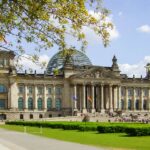
The Reichstag and Norman Foster’s glass dome: history plus transparency
No architecture tour in Berlin is complete without the seat of the German parliament: the Reichstag, including its iconic glass dome designed by Norman Foster. This stop matters because it’s not only about aesthetics. It’s about symbolism—and the guide should help you connect the building to the idea of political transparency.
A glass dome changes how people experience a government building. It turns the interior concept into something you can visually read from outside, and it makes the structure feel less sealed-off. On a two-hour tour, this is one of the highest-impact stops because it gives you a strong “design meaning” moment, not just a style comparison.
One practical note: glass-domes and major landmarks often draw crowds on their own. Even though your tour is private, you’ll still want to stay flexible and follow your guide’s pacing, especially if you’re trying to see things without stopping too long in congestion.
A building that blends modern architecture with its surroundings
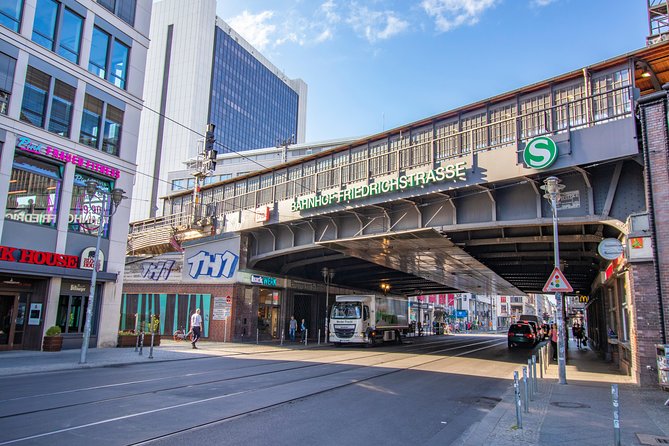
Another stop focuses on a building that blends modern architecture with the historical context around it. This part is important because Berlin’s architecture isn’t simply split into old versus new. The city is constantly negotiating those boundaries.
This is also a good “learning” moment. If you’re the type who likes to understand how to read a street scene, this is your checkpoint. You’ll get practice comparing details: what looks intentionally new, what looks like it’s responding to nearby history, and how the building’s design tries to reduce visual conflict.
The main drawback is that this kind of stop can be less visually dramatic than the Reichstag or Philharmonic. But in exchange, it teaches you something useful: how modern design can live next to older buildings without feeling like it’s trying too hard. Those are the lessons that make you a better viewer after the tour ends.
Berlin Philharmonic: the tent-like silhouette and the sound-focused design
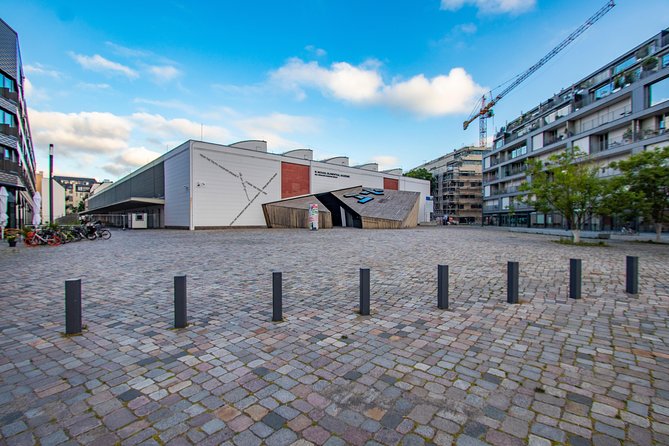
Your final showpiece is the Berlin Philharmonic, described as a masterpiece of modern architecture with a distinctive tent-like shape and brilliant acoustics. It’s also home to the Berlin Philharmonic orchestra, so this stop ties architecture directly to performance.
Even if you’re not going to a concert that day, it’s worth seeing. The building form is part of the musical experience. When a guide points out how the architecture supports sound, you start noticing how “design for function” can be as beautiful as decoration.
This is also a strong finishing location. Ending at Herbert-von-Karajan-Straße 1 puts you near a cultural district where you can keep exploring afterward. If you want to add dinner nearby or walk off the last bits of the tour, this ending makes that easy.
What you’ll get from your Local Expert (and why it matters)
The success of this kind of tour comes down to the guide. In one great experience, Georg stood out for being interesting, personable, and clearly able to connect architectural details to the bigger story. In another excellent outing, Rüdiger directly picked up the group after agreement and organized a route that offered both creative variation and calmer, sometimes colder building choices depending on the moment.
That range is a big clue about what you’re buying. You’re not just paying for “six stops.” You’re paying for interpretation—someone translating buildings into context you can actually use.
At the same time, one lower-rated experience flagged that the guide had no real architecture grasp and hadn’t researched whether sites were open. That’s the only real red flag embedded in the feedback you’re given. Since this is hosted by an independent local, you’ll get the best value when the guide and your interests match.
If architecture is your main goal, say that up front in your booking notes. Ask for emphasis on styles, design choices, and how Berlin’s skyline evolved. It’s not about being picky. It’s about aligning the tour with your expectations.
Value for money: when $639.96 makes sense
This tour costs $639.96 per group for up to 2 people, for about 2 hours. On paper, that’s not cheap. But private tours in central cities can be that way—because you’re buying time, attention, and route flexibility.
Here’s when the price starts to feel like good value:
- If you’re two people who want a personalized architecture lesson instead of joining a larger group.
- If you care about meaning, not just photos.
- If you want a guided walk that helps you connect Museum Island, the church/dome area, modern office architecture, and the Reichstag into one coherent arc.
If you’re traveling alone, you might question the cost versus self-guided. But if you’re part of a couple, family, or small group and you’re excited to ask questions, the math changes quickly. Two hours of expert attention in a compact route can be worth it—especially in a city like Berlin where architecture is everywhere and easy to get lost in.
Who this private architecture tour fits best
This experience is a strong match if you:
- Want a style-to-story understanding of Berlin’s evolution in a short time.
- Like architecture that has clear purpose—art spaces, political symbolism, and sound-focused design.
- Prefer flexible pacing and a route that can shift with weather.
- Enjoy ending near a major landmark where you can continue exploring on your own.
It may be less ideal if you:
- Want a very broad “big bus” sampler. This is focused on architecture stops and interpretations.
- Are highly sensitive to schedule changes from weather, since the tour says stops may vary.
Should you book it?
I’d book this tour if you want a focused, private walk that connects Berlin’s built world—neoclassical art spaces, dome-heavy religious architecture, modern eco-minded offices, the Reichstag’s transparency message, and a Philharmonic building designed for sound. The combination of exclusive pacing and a guide who can explain why these buildings matter is the real payoff.
I would pause only if you’re worried about guide fit. Since it’s hosted by independent locals and one experience had a mismatch, I’d make your architecture goals explicit before you go. If you do that, you’re much more likely to get the kind of experience that guides like Georg and Rüdiger delivered: personable, structured, and genuinely helpful.
FAQ
How long is the private architecture tour?
It’s listed as approximately 2 hours.
What group size is this tour designed for?
The tour is for up to 2 people per group, and it’s exclusive private tour time for your group.
What’s the meeting point and where does the tour end?
It starts at Bodestraße 1, 10178 Berlin, Germany and ends at Herbert-von-Karajan-Straße 1, 10785 Berlin, Germany.
Are transportation or attraction entry tickets included?
Entry tickets for transportation, museums, and monuments are not included.
Do I get a mobile ticket?
Yes, the tour includes a mobile ticket.
Can I join if I have a service animal?
Service animals are allowed. The tour is also described as near public transportation and most travelers can participate.