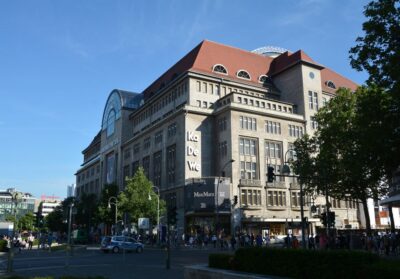
REVIEW · BERLIN
Berlin: Entry Ticket To The Kunstgewerbemuseum
Book on GetYourGuide →Operated by Distributor: GetYourGuide Tours & Tickets GmbH · Bookable on GetYourGuide
One great hour can turn into a whole day here. The Kunstgewerbemuseum is built for slow looking, with gold-and-stone reliquaries and design and fashion history that stretches from medieval craftsmanship to modern industry.
I also like the way the collection mixes materials you can actually recognize in daily life—glass, porcelain, wood, ceramics—with objects that feel impossibly detailed. The main drawback to plan around is that the lighting can be quite dim in parts of the exhibits, so bring your patience (and maybe plan breaks).
In This Review
- Key moments to look for in Kunstgewerbemuseum
- A great $11 entry ticket into Germany’s decorative-arts tradition
- What you’ll see: reliquaries, ceramics, furniture, and real fashion history
- Reliquaries and precious objects that make you slow down
- Dresses and textiles that bring fashion eras to life
- Furniture and everyday materials turned into art
- Modern industrial design hints (even inside an old museum)
- Kulturforum (near Potsdamer Platz): your main stop for special exhibitions
- Köpenick Castle on a peninsula: when craft gets architectural
- Should you go to one site or both in a single day?
- How to pace your visit so you don’t miss the good stuff
- Phase 1: Set your direction in the first 30–45 minutes
- Phase 2: Return to what caught you
- Value check: does this ticket give you what you want?
- Where to meet and how to make it easy
- Mask, audio guide, and other small-but-real comfort factors
- What kind of visitor should book this?
- Should you book this entry ticket to Berlin’s Kunstgewerbemuseum?
- FAQ
- How much is the entry ticket?
- How long is the experience?
- Is an audio guide included?
- Is the museum wheelchair accessible?
- Where do I go to start?
- What should I expect to see?
- Is the ticket refundable?
Key moments to look for in Kunstgewerbemuseum
- Reliquaries of gold and precious stones that show how power, devotion, and art blended
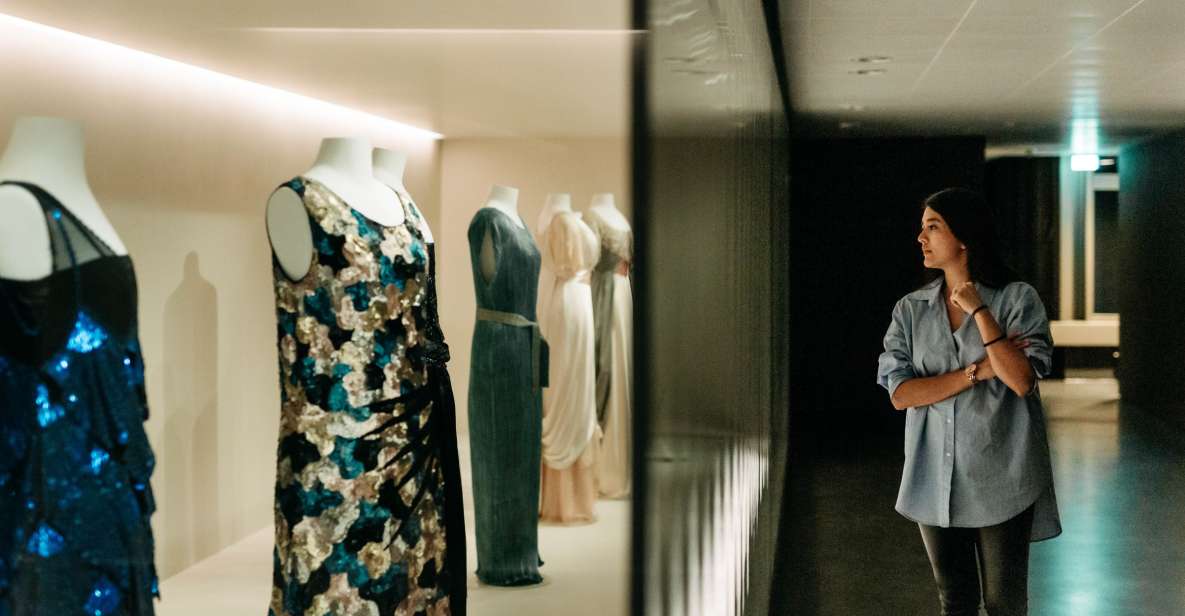
- Embroidered dresses and clothing details that make fashion history tangible
- Woodwork and painted objects that reward close viewing
- Furniture, glassware, and ceramics that show craft skills beyond the obvious
- Special exhibitions across two Berlin sites (Kulturforum and Köpenick Castle)
A great $11 entry ticket into Germany’s decorative-arts tradition
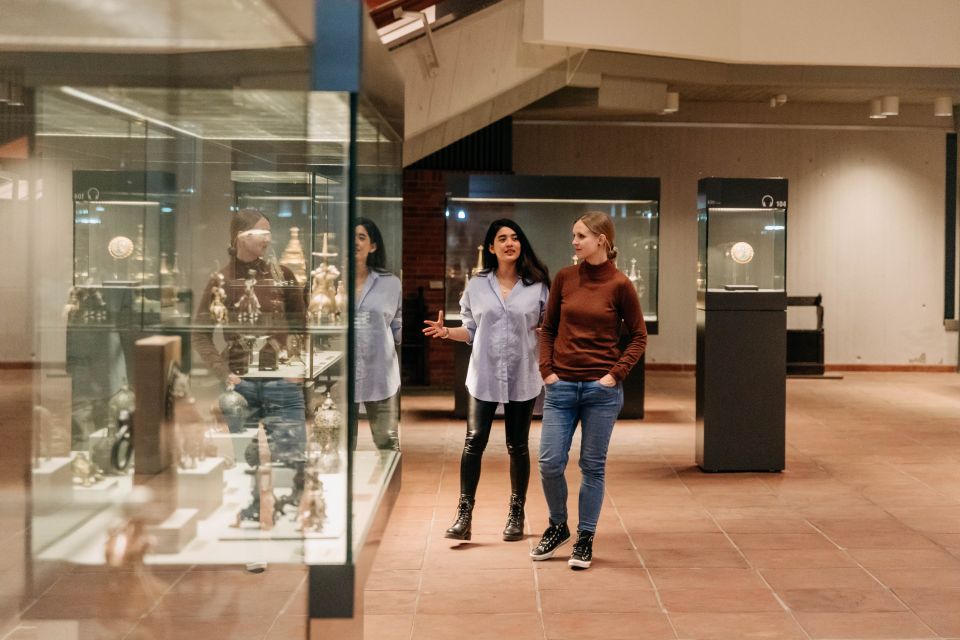
For the price, this ticket is a strong value if you enjoy things you can touch with your eyes. The Kunstgewerbemuseum focuses on decorative arts—how objects are made and why they were made—not just what they look like. That means you’ll see the logic of craftsmanship: materials, ornament, technique, and style, all in one place.
At $11 per person, you’re not paying for a big guided production. You’re paying for access. That works well because the museum is the kind of place where you set your own pace, spend longer with what grabs you, and move on when something else catches your eye.
You can also read our reviews of more tours and experiences in Berlin



What you’ll see: reliquaries, ceramics, furniture, and real fashion history
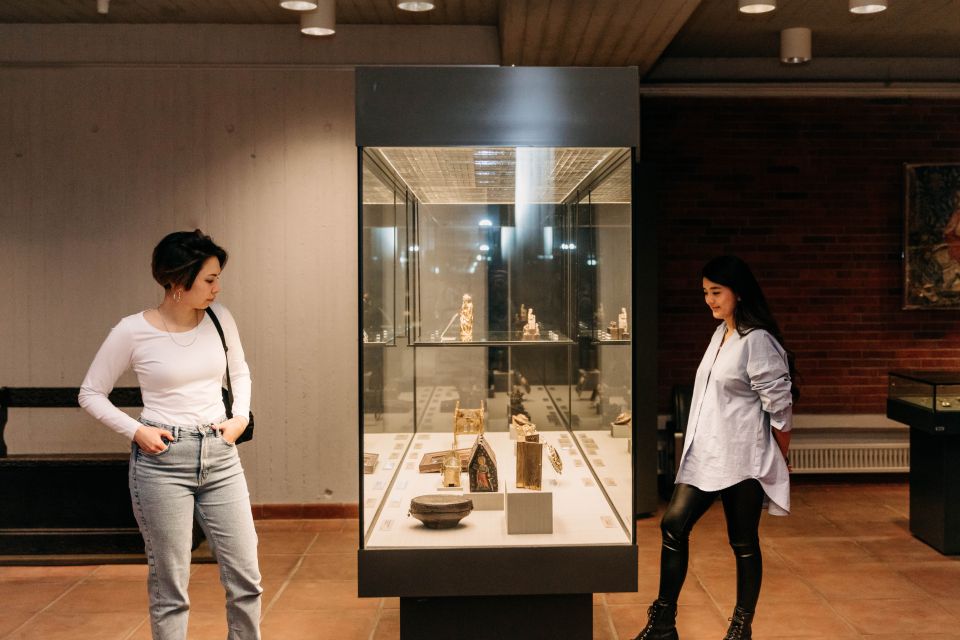
This museum is famous for European craftsmanship and design, and it shows in the variety. Expect categories that feel like a cross-section of how Europeans built taste over centuries: precious liturgical objects, tableware and vessels, embroidered textiles, detailed furniture, and even examples tied to modern industrial design.
Reliquaries and precious objects that make you slow down
If you like medieval and early religious art, you’ll probably get hooked quickly. One review highlighted ornate reliquaries of gold and precious stones, the kind of objects that look like they should belong in a treasure vault, not behind glass. They’re visually intense, but what’s also interesting is the craft problem they solve: how to make metal and stones read as something both symbolic and beautiful.
Dresses and textiles that bring fashion eras to life
Another standout theme is clothing and embroidery. Reviews mention garments that made people feel like they were looking at physical history, not just a timeline. You don’t need fashion expertise to enjoy it. The details do the teaching: stitching style, construction, and how decoration signals status and identity.
Furniture and everyday materials turned into art
Even if you’re not a furniture person, the museum’s furniture sections are worth your time. When furniture is made with care—proportions, joinery, surface finish—it stops being background and becomes sculpture you can walk past. The same is true for glass, ceramics, and metalwork. One review specifically praised variety like woodwork, ceramics, silver and goldsmithing, and glassware. That variety is a big part of why this ticket feels like value.






Modern industrial design hints (even inside an old museum)
The museum isn’t frozen in the past. It also includes classics of modern industrial design, which is a helpful counterpoint if you sometimes find decorative-arts museums too heavy on one era. You get a sense of continuity: people always want objects that feel well-made, even when technology changes.
Kulturforum (near Potsdamer Platz): your main stop for special exhibitions
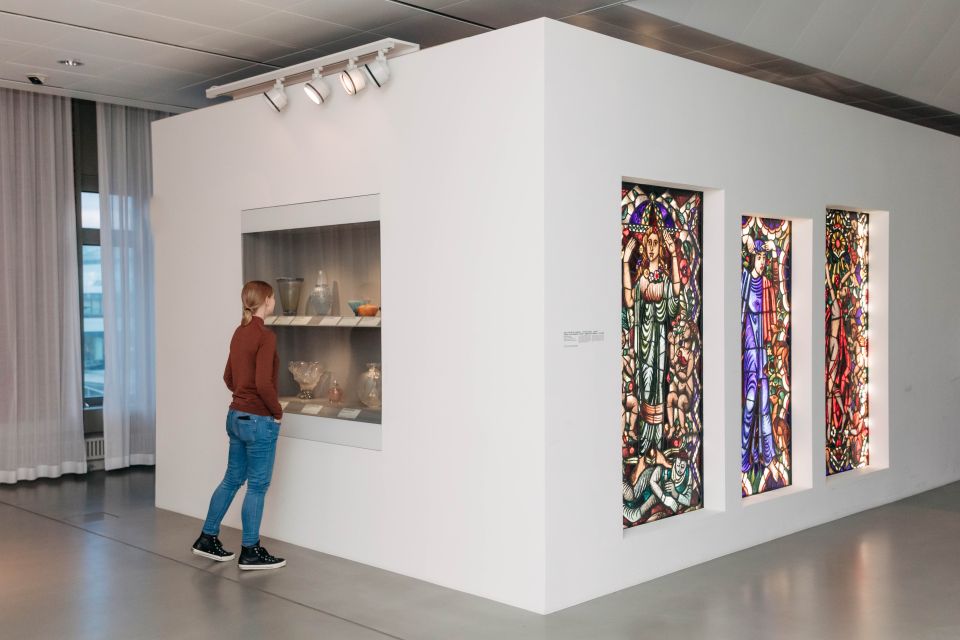
The museum’s exhibitions are shown in two Berlin locations, and one of them is at Kulturforum near Potsdamer Platz. This is likely the most convenient site to start, especially if you’re already in the central city.
Plan to arrive ready for quiet looking. The museum has spacious exhibition rooms, and there’s also an open staircase where you’ll often get a new view of what’s on display—useful for resetting your eyes before you go back in for close viewing. Also, the building and exhibition flow are designed so you’re not only stuck in one long corridor. You’ll move between rooms and then come back to objects from a new angle.
Practical tip: If you’re sensitive to low light, bring a small flashlight app for phone-free quick reference in your pocket, and take short breaks. A review called out that lighting can be very dark in some areas, and dim light changes how long you’ll want to stay in each room.
Köpenick Castle on a peninsula: when craft gets architectural
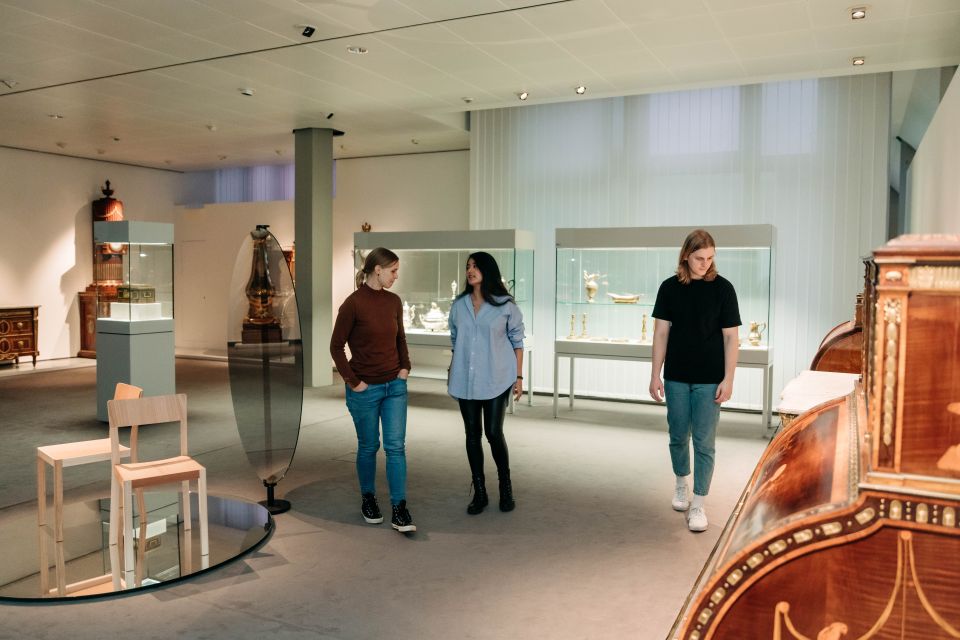
The second exhibition location is Köpenick Castle, set on a peninsula in the Dahme. This site matters because it changes the mood. You’re not just walking through rooms—you’re stepping into a setting that helps you understand how objects belonged to rooms and routines.
From the information provided, the museum displays masterpieces of art of space from the 16th to the 18th century here. That phrase is basically pointing you toward how interiors were designed as whole experiences—objects, furniture, and decorative elements working together. If you like seeing decorative arts as part of real lived environments, this is the stop where that idea clicks.
Should you go to one site or both in a single day?
This is a 1-day ticket, so I’d be strategic. If you want the broadest sweep, you could try to hit both locations, but expect that timing and travel time will shape what you actually finish. If you’d rather not rush, choose one site and spend your day there with room to zoom in on details.
How to pace your visit so you don’t miss the good stuff
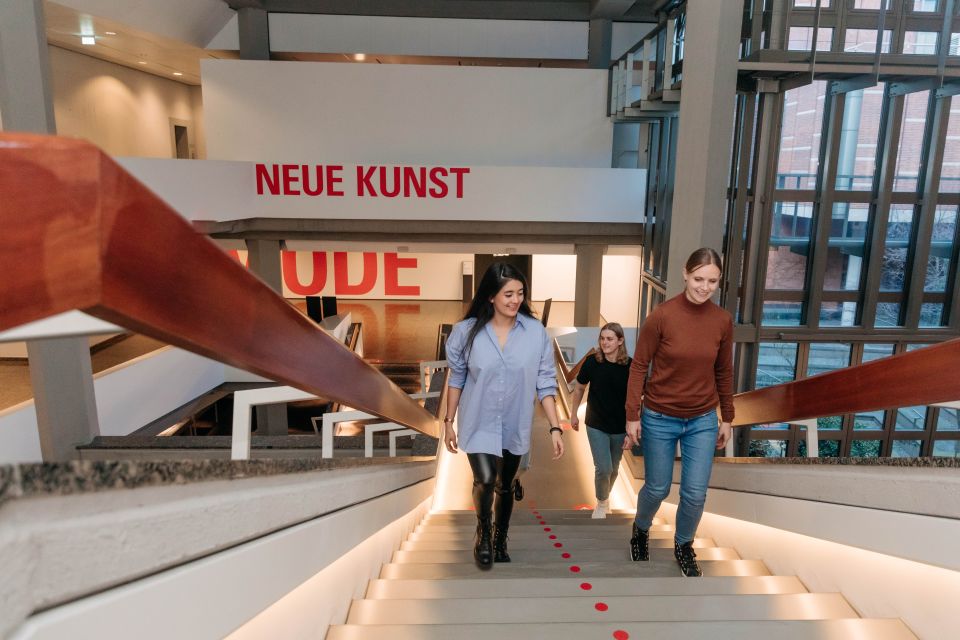
A decorative-arts museum can be a buffet: lots of categories, lots of objects, and the risk of speed-walking through the parts that really deserve time. I suggest pacing in two phases.
Phase 1: Set your direction in the first 30–45 minutes
Start with the sections that match your taste. In this museum, that could mean:
- precious reliquaries and gold-and-stone objects
- textiles and embroidered dresses
- woodwork and detailed painted objects
- ceramics, glassware, and metalwork
- furniture and design history
Then commit. Don’t bounce too much early on. If you do, you lose the chance to really see how techniques repeat across media.
Phase 2: Return to what caught you
Once you’ve found your favorites, go back to that lane. Reviews praising the collection’s size and variety suggest it rewards repeat attention. A good example from one review: wood-related paintings and objects were so compelling that they were hard to stop looking at. That’s exactly the kind of “second look” object you want time for.
Value check: does this ticket give you what you want?
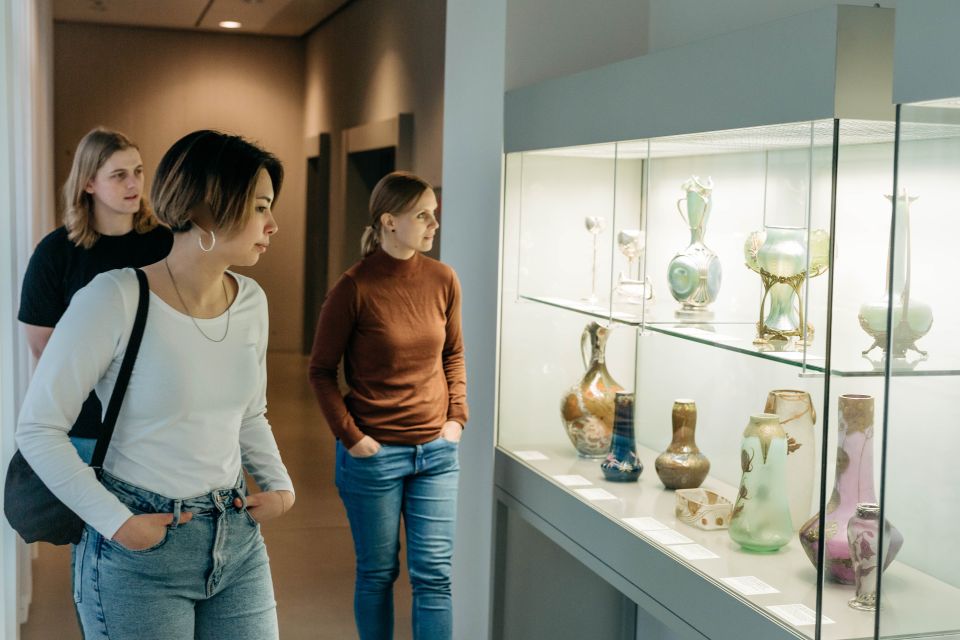
At $11, you’re buying into access, not a full program. That’s good if you’re comfortable exploring on your own. You’ll get entrance to the Kunstgewerbemuseum, but an audio guide is not included, and there’s no tour guide. So you’ll rely on your own reading of labels and whatever exhibition notes you find on site.
This also means you’re free to spend extra time with the exhibits that match you. Reviews highlight a lot of enjoyment of the variety—materials, fashion, and craft history—so if you like mixed collections, you’ll probably feel satisfied for the money.
One note from reviews: the collection was described as modest-sized by at least one person, and there was a wish for more fashion insights. That doesn’t mean it’s bad. It just means your expectations should be “strong objects and good variety,” not “an entire fashion museum.”
Where to meet and how to make it easy
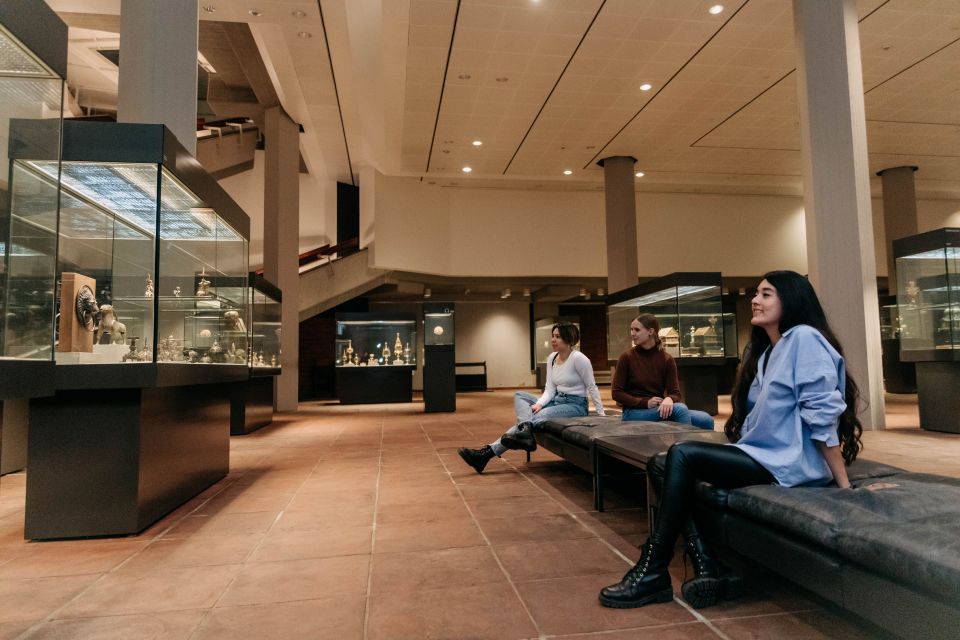
Your meeting point is:
Kunstgewerbemuseum, Matthäikirchplatz, 10785 Berlin
Even though this ticket is essentially an entry ticket, I still recommend arriving a bit early. You want a calm start, especially because the museum’s best moments depend on your ability to look closely, not just pass by quickly.
Also, note the museum visit is wheelchair accessible, which is a win for accessibility-minded planning.
Mask, audio guide, and other small-but-real comfort factors
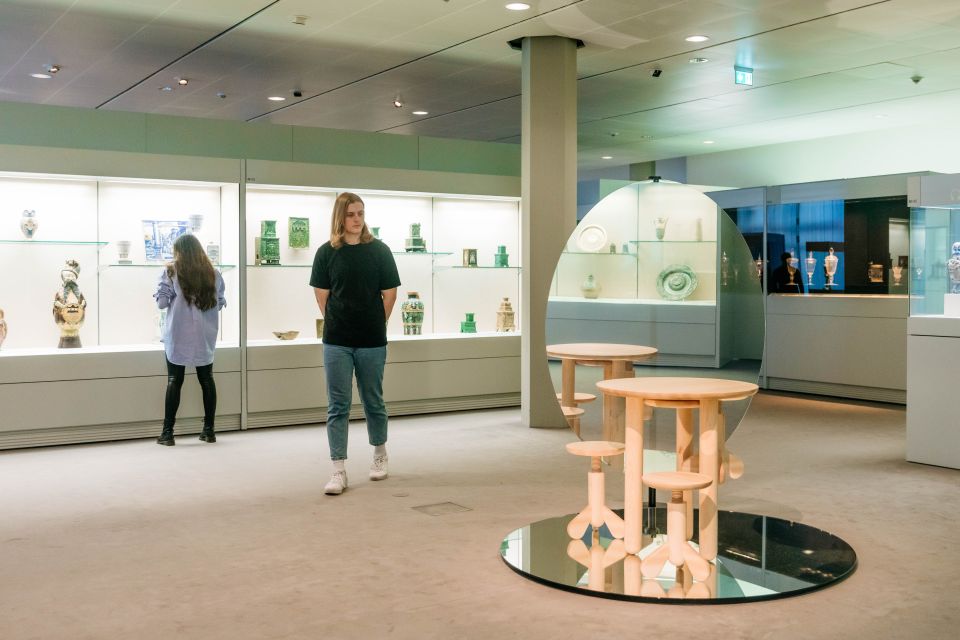
A medical or FFP2 mask is recommended but not mandatory. If you feel better wearing one in indoor spaces with crowds, you can do that without overthinking it.
Audio guide: not included in the price. If you really want guided commentary, you may need to arrange that separately once you’re there or decide you’ll skip it and rely on the signage.
What kind of visitor should book this?
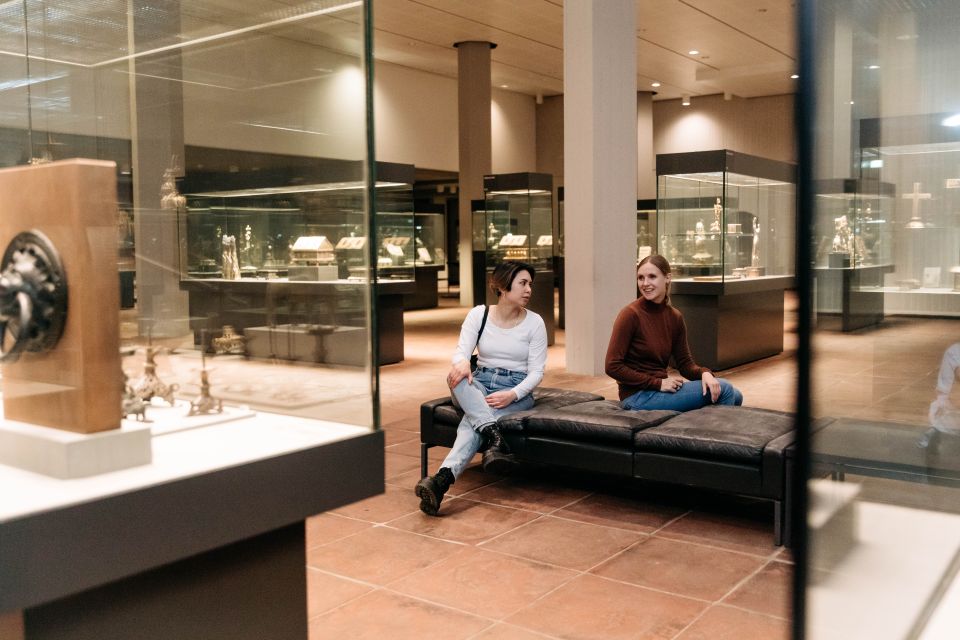
This ticket is a great fit if you:
- love craftsmanship and want to see how materials and techniques evolved
- enjoy decorative arts, furniture, textiles, ceramics, glass, and metalwork
- want a self-guided museum day without paying for a formal tour
It’s less ideal if you:
- need a highly structured plan with a guide to keep you moving
- get frustrated by dim lighting and can’t adjust your pace
Should you book this entry ticket to Berlin’s Kunstgewerbemuseum?
Yes, I’d book it if your goal is a focused, good-value museum day built around objects and design. At $11, you’re unlikely to feel cheated, especially if you enjoy the mix of reliquaries, textiles, woodwork, ceramics, glass, and design references. Just go in with the right expectations: it’s entry and exploring, not a guided deep lecture, and you may want to plan around darker exhibit lighting.
If you’re debating between sites, pick the one that matches your interests more strongly—Kulturforum for the central museum experience, or Köpenick Castle for the 16th–18th century interior and art-of-space feel.
FAQ
How much is the entry ticket?
The price is listed as $11 per person.
How long is the experience?
It’s valid for 1 day.
Is an audio guide included?
No. An audio guide is not included in the price.
Is the museum wheelchair accessible?
Yes, the experience is wheelchair accessible.
Where do I go to start?
Meet at Kunstgewerbemuseum, Matthäikirchplatz, 10785 Berlin.
What should I expect to see?
Expect decorative arts and design, including precious reliquaries of gold and precious stones, vases from glass or porcelain, embroidered dresses, detailed furniture, and examples tied to modern industrial design.
Is the ticket refundable?
No. The activity is non-refundable.