REVIEW · BERLIN
Eat Like a Berliner: Market Tour, Cooking Class and Lunch
Book on Viator →Operated by Eat like a Berliner - market tour + cooking class + lunch · Bookable on Viator
A market morning turns into dinner in Berlin. This half-day mix of shopping, cooking, and eating lets you learn German cuisine the practical way: ingredients first at Winterfeldtmarkt, then a chef-led class, then a sit-down 4-course lunch with German beer or wine.
I love the Winterfeldtmarkt ingredient hunt, especially the chance to spot things beyond the usual bratwurst—wild herbs, edible flowers, and even foraged mushrooms depending on the season. I also like how Kit keeps the day doable with clear instruction, so the cooking class feels friendly even if you’re not confident in the kitchen.
One drawback: there’s no hotel pickup, so you’ll need to get yourself to Winterfeldtplatz on time and be ready to walk.
In This Review
- Key points to know before you go
- Winterfeldtmarkt: the ingredient hunt that explains Berlin food
- From market to your chef: how the day stays organized
- The cooking class: hands-on German technique, not guesswork
- The 4-course lunch and wine: what you’re really paying for
- Small group (up to four): the comfort factor you feel during questions
- Value and price: why $278.90 can make sense
- Plan your half day: timing, walking, and what to bring
- Who should book this Eat Like a Berliner experience
- Should you book it?
- FAQ
- How long is the tour and where does it start?
- Is this a small-group tour?
- Do I need cooking experience?
- What do I eat and drink?
- Is foraging included?
- What’s included in the price?
- What is the cancellation policy?
Key points to know before you go
- Winterfeldtmarkt shopping with a guide: about 200 stalls, plus smart pointers on what to buy and what to taste along the way
- Menu planning starts before the kitchen: you talk through a seasonal 4-course plan with your guide, then build it from market ingredients
- Chef Kit runs the hands-on cooking: full instruction included, so you’re not stuck watching other people cook
- Foraging in spring and summer: you may add wild ingredients like foraged mushrooms or wild herbs to the menu
- Wine and tastings are part of the flow: fine German wine and sparkling wine, plus food tastings before you sit down to eat
- You leave with recipes and supplies: recipes are included, plus a linen shopping bag and a neighborhood stroll
Winterfeldtmarkt: the ingredient hunt that explains Berlin food
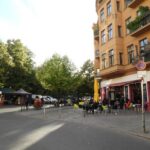
If you want to understand German cooking, you start where the food actually comes from. This experience begins in Berlin’s Schöneberg area, and the heart of the morning is Winterfeldtmarkt—a farmer’s market with around 200 stalls. That scale matters. You don’t just pick up a few things and rush on. You learn what different vendors do well and why certain flavors show up again and again in German kitchens.
During the walk through the market, you’ll look for ingredients that go beyond the tourist shortcut list. Think organic meats or fish, fresh fruits and vegetables, and herbs and spices that change how a dish tastes. The guide will also point out condiments and regional treats you might not see back home, including Turkish-style sweets and rarer finds like edible flowers or wild herbs. If you enjoy food shopping, you’ll probably feel like you’re on a mission by the time the tasting starts.
One practical bonus: this is also a pace you can handle. You’re given time to browse and learn, not sprint from stall to stall. And because the cooking class later depends on what you choose, the market doesn’t feel random. It becomes the reason your lunch tastes the way it does.
You can also read our reviews of more tours and experiences in Berlin


From market to your chef: how the day stays organized
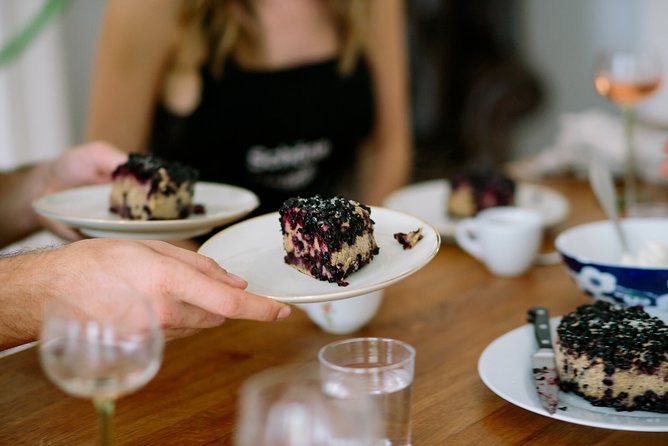
After shopping, you don’t just get pushed into a kitchen. You follow the guide back toward the cooking space, with a couple of stops along the way at artisan shops. These breaks are small, but they add personality. You might sample or purchase items like handmade chocolates or regional wines, which fits the theme: German food here is part of a broader food culture, not just one dish at a time.
Back at the guide’s home kitchen—just a short stroll from the market—the day clicks into place. You’ve already talked through what you’ll be making, so you know why certain ingredients matter. Then you roll up your sleeves.
This is also where the name Kit starts to matter. In the feedback people consistently describe Kit as a strong host and teacher, especially for visitors new to Berlin. That matters because food classes can be awkward if you don’t know the basics. Here, the structure is set up so you get instruction, not just tasks.
If you’re nervous about cooking, you’re in the right spot. The class is hands-on with no experience required, and the guide focuses on techniques you can actually use later.
The cooking class: hands-on German technique, not guesswork
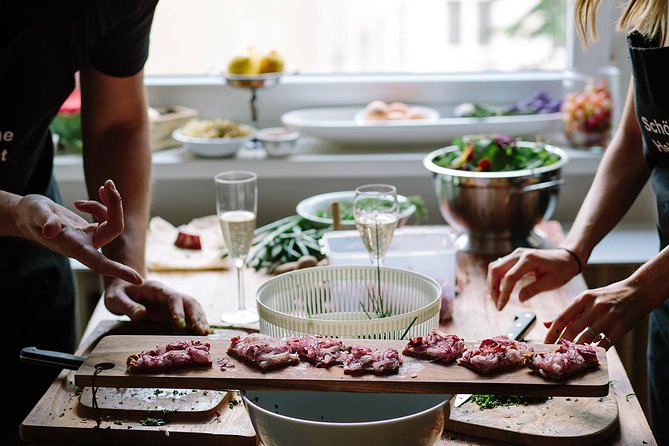
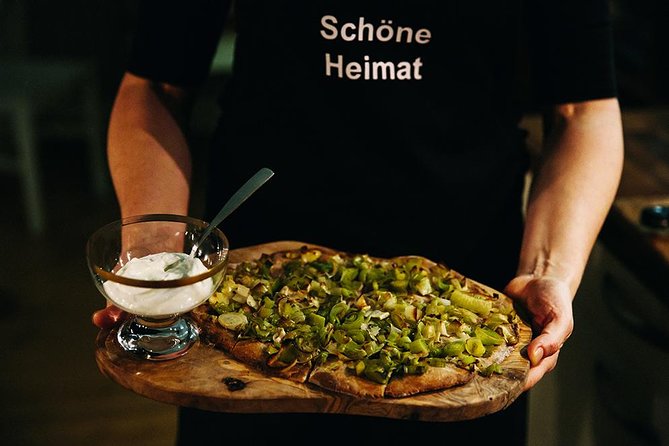
This class is built around preparing a 4-course lunch of traditional German cuisine. The courses you’ll make are described as regional and seasonal, and the guide helps you through the process. The key value here is learning the why, not just following steps.
You’ll work with fresh ingredients you picked out at Winterfeldtmarkt. That’s a big deal for taste. When you choose herbs and spices yourself, you pay attention to how they change the final dish. It also makes the meal more satisfying. You’re not eating something cooked by someone else’s calendar. You’re tasting what you helped create.
Because the instruction is full, you’ll pick up practical cooking tips and techniques during the class. The goal isn’t to turn you into a German home cook by day’s end. It’s to give you a few reliable methods and flavor ideas you can repeat at home. The included recipes are what make this stick.
Also note the seasonal angle. The experience includes foraging in spring and summer, which can change what shows up on your plate and how you think about ingredients. Even if foraging isn’t part of your exact day, the guide’s focus on wild herbs and specialty finds at the market shows you how German food can be more playful and local than people expect.
The 4-course lunch and wine: what you’re really paying for

The meal is the payoff. After cooking, you sit down to enjoy your home-cooked 4-course lunch, accompanied by a glass of German beer or wine. You also get fine German wine and sparkling wine as part of the included experience. That doesn’t just make it festive—it supports the theme of the class. Wine and beer are woven into the rhythm of German meals, so you’re not just tasting food. You’re tasting the pairing culture too.
People often focus on the food in cooking classes, but in this case the wine and tastings help you slow down and enjoy what you made. It’s one thing to chop and stir. It’s another to sit and eat while someone explains what makes each course work.
And because it’s a 4-course menu, you get a broader view of what German cuisine can be. You’re not stuck with one flavor profile. You’ll move across courses that use seasonal produce, herbs, and meats or fish in different ways. That range is one reason this experience is such a good introduction. You leave with actual examples, not just impressions.
Small group (up to four): the comfort factor you feel during questions
This is a small-group experience limited to no more than four people. That size shows in how the day feels. You get more time with the guide, more chances to ask questions, and fewer moments where you feel like you’re waiting your turn.
That’s especially helpful if you’re traveling in a pair or solo. You still get a social vibe, but it doesn’t turn into a big classroom where you’re lost in the crowd. One group described having friends along, including people who weren’t sure about cooking. The class format still worked for them. So if your group includes someone who thinks cooking classes are only for skilled chefs, this setup is a good bet—as long as everyone brings a cooperative attitude.
One more subtle benefit: being small makes the market learning more personal. The guide can explain why a particular herb matters, or why a vendor’s produce feels worth your money, without having to keep things generic.
You can also read our reviews of more shopping tours in Berlin

Value and price: why $278.90 can make sense
At $278.90 per person, this isn’t a budget activity. But value in food experiences isn’t just the meal. It’s the combination of ingredients + instruction + context + drinks.
Here’s what you get in the package:
- A guided market visit at Winterfeldtmarkt
- Food tastings
- A hands-on cooking class
- A 4-course lunch
- German wine and sparkling wine
- Beer or wine with lunch
- Recipes
- A linen shopping bag and a neighborhood tour
When you price it out as separate things, it starts to look more reasonable. You’d pay for a market guide even if the meal were simple. You’d pay for cooking instruction if you wanted the hands-on part. And you’d pay for a proper meal that includes wine if you were eating out the same day.
Also, you’re buying time and confidence. The guide’s explanations help you learn how to shop and how to cook, so you’re not leaving Berlin with only photos. The best compliment people give this kind of tour is that they feel ready to eat locally afterward. That’s exactly what this experience aims for—help you get your bearings fast with German food.
One small timing tip: the average booking window is about 48 days in advance, so don’t wait until the last minute if your dates are firm.
Plan your half day: timing, walking, and what to bring
The experience runs about 5 hours 30 minutes. You’ll start at Winterfeldtplatz (10781 Berlin) and end back at the meeting point. There’s no hotel pickup, so you’ll want to treat the start time like a dinner reservation: show up early enough to relax.
You’re going to walk through a market and move between spots, including artisan shops and then a home kitchen. Wear shoes that handle uneven ground and time on your feet. If you like taking photos, great—just don’t forget you’re there to taste and buy.
Bring a normal level of curiosity about German cuisine. That’s the real requirement. You don’t need cooking skill. The guide’s job is to teach, and the class is structured around clear steps and shared cooking time.
One more practical note: the tour is listed as private for your group. That doesn’t mean it’s intense. It means you won’t be mixed with strangers, so questions and pacing stay more comfortable.
Who should book this Eat Like a Berliner experience
I’d book this if you want:
- A Berlin market tour that teaches what to buy and what to taste
- A hands-on cooking class focused on traditional German cuisine
- A real sit-down meal that includes wine, not just a snack
- A small-group setting where the guide can help you personally
I’d think twice if you hate kitchens. This is not a watch-only experience. You’ll be involved in making the lunch, and you’ll spend time standing and cooking.
Also consider the season. Foraging is included in spring and summer, so if you book in those months and enjoy the idea of wild ingredients, you’re more likely to see that extra layer.
Should you book it?
Yes, if you want a smarter Berlin food day. This works because it connects the dots: market ingredients → cooking techniques → a 4-course lunch you understand. And the small group and instruction-focused style mean you’re not left behind if you’re new to cooking.
If you’re mainly chasing a low-effort sightseeing morning, choose something else. This is food-centered, with real kitchen time and enough walking to keep you honest.
FAQ
How long is the tour and where does it start?
It runs about 5 hours 30 minutes. It starts at Winterfeldtplatz, 10781 Berlin, Germany, and ends back at the same meeting point.
Is this a small-group tour?
Yes. It’s limited to a small group of no more than four people, and it’s private for your group.
Do I need cooking experience?
No experience is necessary. You get full instruction during the hands-on cooking class.
What do I eat and drink?
You shop for ingredients at Winterfeldtmarkt, then cook a 4-course lunch of traditional German cuisine. The lunch includes wine (and sparkling wine is included as well), and you also get food tastings.
Is foraging included?
Foraging is included in spring and summer. The market shopping also includes chances to see specialty finds like wild herbs and edible flowers.
What’s included in the price?
The price includes a local guide, food tasting, the cooking class, fine German wine and sparkling wine, a 4-course lunch, recipes, a linen shopping bag, and a neighborhood tour.
What is the cancellation policy?
You can cancel for a full refund up to 24 hours in advance of the experience’s start time. Free cancellation is available, and changes made within 24 hours of the start time are not accepted.