REVIEW · BERLIN
Berlin: Experience the Alternative Kreuzberg on a Bike Tour
Book on Viator →Operated by FREE BERLIN Bike Tours · Bookable on Viator
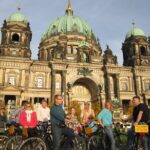
Pedal through Berlin’s alternate Kreuzberg in three hours. This bike tour takes you from the more established downtown edges into the neighborhoods where daily life, protest energy, and Wall-era memory overlap. I especially like the Free-Berlin-style route design, where your guide shapes the ride so it feels personal, not canned.
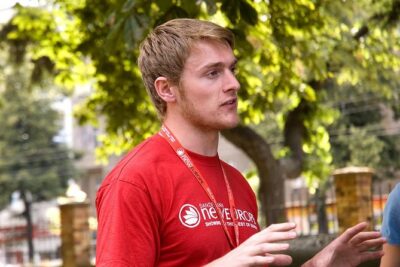
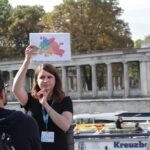
Two things I really enjoy: you get story-led stops (not just postcard landmarks), and you ride with solid gear support. Helmets and bikes are included, and guides like Rico, Jake, Rufus, and Bjorn have a habit of mixing clear safety with humor and real-life perspective.
One thing to keep in mind: the ride has frequent listening stops, so you won’t be racing along the whole time. Also, wear something you don’t mind getting a little scuffed; one review note is real-world and specific—bike chains can pick up grime fast.
In This Review
- Key things to know before you ride
- A Bike Tour That Reframes Kreuzberg in 3 Hours
- Price and Timing: What $42.33 Buys You
- Starting Point and Ride Comfort: Bikes, Helmets, and a Safe Pace
- Nikolaiviertel to Kreuzberg: From “Familiar Berlin” to Real City Life
- Das Baumhaus and the Artist-Era Stories Near the Wall
- East Side Gallery to Oberbaumbrücke: Art as a Border Memory
- Falckensteinstraße to Gorlitzer Park: Architecture You Can Read
- Turkish Market Waterfront and the Boule Break in Kreuzberg
- Kottbusser Tor to Admiralbrücke: Concrete, Traffic, and Sunset Energy
- Who This Tour Is For (and Who Might Skip It)
- Should You Book This Alternative Kreuzberg Bike Tour?
- FAQ
- How long is the bike tour?
- What does the tour cost?
- Where do I meet the guide?
- What time does the tour start?
- Is food or drinks included?
- Are bikes and helmets provided?
- Is the tour available in English?
- What if the weather is bad?
- Is it suitable for families or children?
- What’s the group size?
- What is the cancellation policy?
Key things to know before you ride
- A small group (max 15) makes the ride feel conversational and easier to follow
- Wall-side contrasts: art, bridges, and what changed after the border
- Stop-and-explain pacing means more context, less “continuous cycling”
- English available (and German on some options), with guides keeping things understandable
- River Spree viewpoints and architecture breaks built into the route
- Casual alt-city energy from Kreuzkolln to Friedrichshain, without needing special insider access
A Bike Tour That Reframes Kreuzberg in 3 Hours
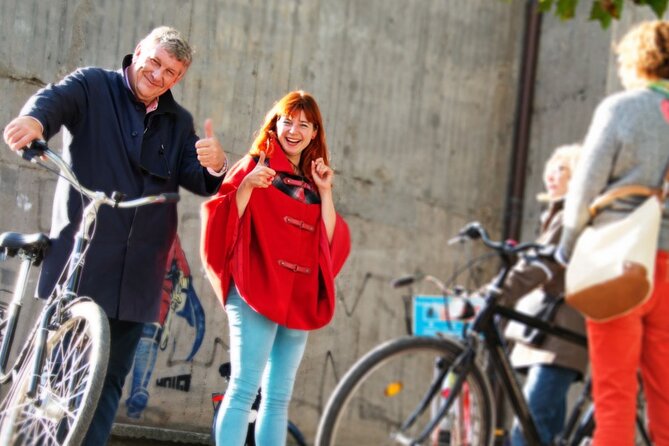
If Berlin feels like two cities to you, this tour helps the parts connect. You start near Nikolaiviertel, then keep moving into Kreuzberg and beyond, where the streets show their history in layers: older housing, pre-fab shapes, newer builds, and the Wall’s long shadow.
The tour’s best trick is how it teaches you to look. Instead of only pointing at famous sites, your guide ties each stop to a larger theme: who lived here, what people built, what got fought for, and how creativity turned restricted space into something usable.
I also like that the highlights aren’t limited to museums or plaques. You’ll get that street-level “how it feels to live here” sense, the kind you only get when your route includes places like parks that used to be transit infrastructure and courtyards that hold leftover political stories.
You can also read our reviews of more cycling tours in Berlin

Price and Timing: What $42.33 Buys You
At about $42.33 per person for an approximately 3-hour ride, this is one of those prices that makes sense in Berlin. You’re not paying for a bus, and you’re not paying to sit still for hours. You get bike + helmet, a professional guide, and a guided route with multiple short stops.
The timing is also smart. A three-hour format hits a sweet spot: long enough to cross meaningful territory, but short enough that the tour can stay focused on story and safety. Reviews back this up: people loved seeing sides of Berlin they would not find on their own, and they praised the guides for being both friendly and careful.
Just be ready for the tradeoff. This isn’t “maximum miles, minimum words.” You’ll stop often, listen, and look around.
Starting Point and Ride Comfort: Bikes, Helmets, and a Safe Pace
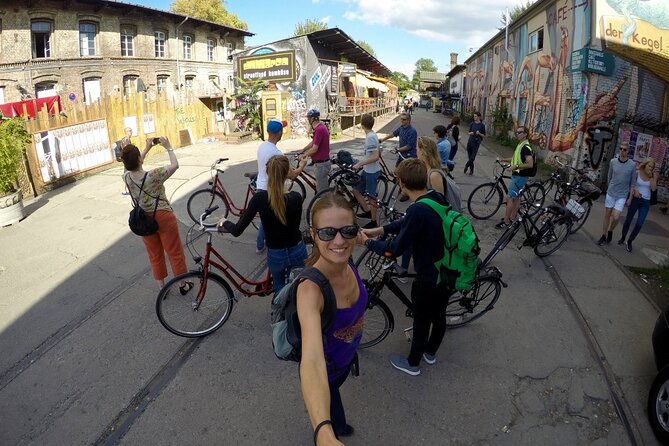
Meet at Free Berlin Bike Tours & Rental, Poststraße 11 (10178 Berlin). The tour ends back at the same place, so you’re not figuring out a complicated second logistics step.
You’ll be on a provided bicycle with a helmet, and the group size stays small. That matters. With a max of 15 people, it’s easier for your guide to keep everyone together and for you to ask questions when something clicks.
The ride is designed for most participants, and it’s family-friendly. Kids are welcome, and infant seats can be provided on request. One more practical tip: if you’re wearing light or tight trousers, consider changing. A bike chain can throw grime, and you don’t want your first Kreuzberg photo of the day to look like you lost a battle with a bike shed.
Nikolaiviertel to Kreuzberg: From “Familiar Berlin” to Real City Life
Your first stop is Nikolaiviertel, where the tour sets a tone shift. It’s close enough to the well-known Berlin feel that you’re still easing in, but the guide uses it as a stepping stone: from here, the stops are meant to feel more like how people actually live in a big city.
Then comes Kreuzberg, one of Berlin’s classic districts, described here as a melting pot with stories layered into daily streets. This is where you’ll start seeing the tour’s main approach: history isn’t only dates; it’s architecture, habits, and how communities respond to change.
From there, you pause at Engelbecken, a quieter pocket between pre-fab elements, older building styles, and newer modern architecture. It’s a helpful reset. After the bigger district overview, this short stop teaches you to notice how planners and residents shape micro-spaces—where people slow down, gather, or simply breathe.
Potential drawback: Kreuzberg is famous, so you may notice familiar names—but the value is in what your guide adds around them. If you only want the most famous Wall images and nothing else, you might find the early part more about context than spectacle.
Das Baumhaus and the Artist-Era Stories Near the Wall
A favorite stop for many is Das Baumhaus, described as a treehouse by the Wall. The guide frames it as a story of adaptation: a guest worker blending into the Kreuzberg mindset, turning a garden-like structure into something bold and unmistakably local.
This is one of the stops where you’ll likely feel the difference between “Berlin the brand” and “Berlin the people.” It’s not a polished exhibit. It’s the kind of place that makes sense only when you understand the neighborhood’s attitude toward improvising, claiming space, and making it livable.
You’ll also spend time at another spot shaped by the area’s squatting waves and later artistic use. The theme here is clear: when official structures fail or feel too rigid, people build their own rooms—sometimes in the literal sense of converting buildings into creative spaces.
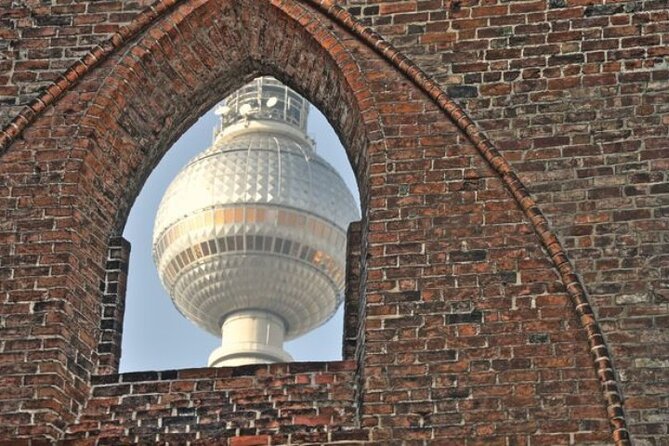
And then there’s YAAM. Even if you’re not there for nightlife, the viewpoint is a major reason to stop. From here, you can take in a multi-layer panorama with the TV Tower, the Holzmarkt, the Oberbaumbrücke, and the river Spree all in one glance. Reviews loved the guide’s humor and thoughtful framing here, so if you enjoy your photos with context, don’t rush this moment.

East Side Gallery to Oberbaumbrücke: Art as a Border Memory
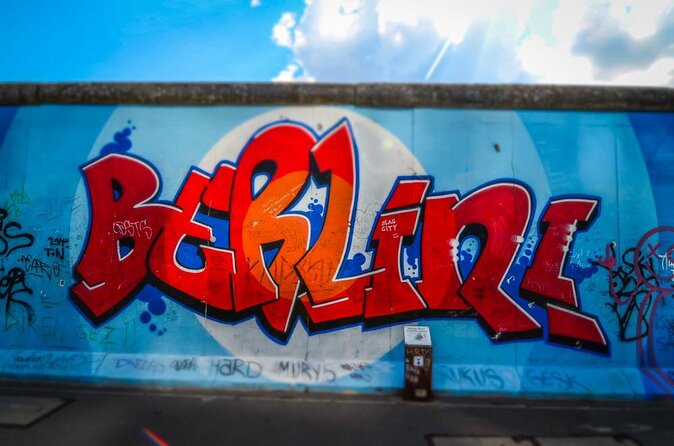
Next up is East Side Gallery, the longest remaining stretch of the Berlin Wall, famous for its art. What makes this stop more than a photo opportunity is the way your guide connects the paintings to what the Wall meant and what the area became after.
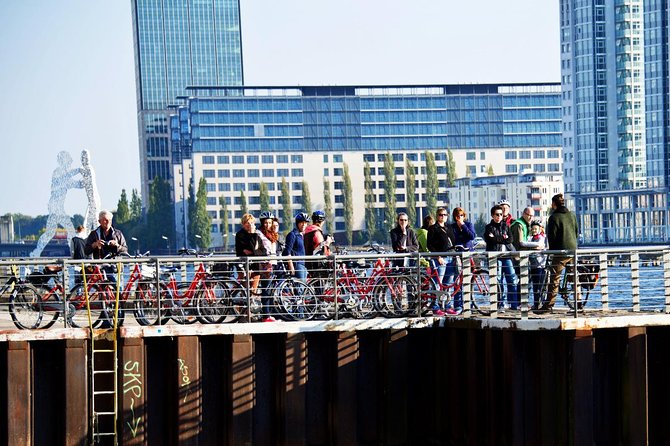
You’ll then cross to Oberbaumbrücke, described as a landmark for crossing borders in any sense. That phrase matters on this tour. The guide doesn’t treat crossings as only political. You’re also crossing between eras—industrial edges, artist life, business reinvention, and everyday use of space.
A short stop at Osthafen follows. This is once-restricted borderland, and today it’s presented as a place for young urban creatives. The contrast is the point: you’re looking at a waterfront that carries restrictions in its physical memory, but now it’s used for movement, gathering, and a bit of breathing room.
Along the way, you’ll also encounter a sculpture that people interpret in different ways, with the official explanation suggested as the least satisfying. That’s a very Berlin-style stop: it rewards attention and opinion, not just obedience to the “right answer.”
If you’re expecting nonstop riding, this is another moment where you’ll slow down on purpose. The tour is built around letting you see the same space from multiple angles: history, art, and how people use it now.
Falckensteinstraße to Gorlitzer Park: Architecture You Can Read
Falckensteinstraße is your next learning stop. Here the focus is on Kreuzberg’s diversity of buildings, people, and history. The guide treats the street like a living document, showing how big-city life can be both overwhelming and oddly escapist at the same time.
Then comes Görlitzer Park, a former train station turned park. It’s a practical stop in the best way: you understand transformation not as a slogan, but as a physical layout. The route gives you time to notice how old infrastructure becomes new public space.
From there, you’re guided to Liegnitzer Straße, which is described as an inconspicuous peak of capitalism in the center of the melting pot. The highlight is a car loft where you can take your car up to your balcony. Even if that sounds absurd on paper, on a bike you see the street context that makes it make sense.
One reason I like this part of the itinerary is balance. You get creative space, political memory, and then real-world contradictions like money, design, and convenience sitting inside the same neighborhood story.
Turkish Market Waterfront and the Boule Break in Kreuzberg
The route includes a waterfront area called Dolce Vita, with a Turkish market on Tuesdays and Fridays. If your visit lands on one of those days, you can expect the street life to feel more market-like than gallery-like. It’s a good place to practice the tour’s main skill: looking at what’s happening now, not only what happened before.
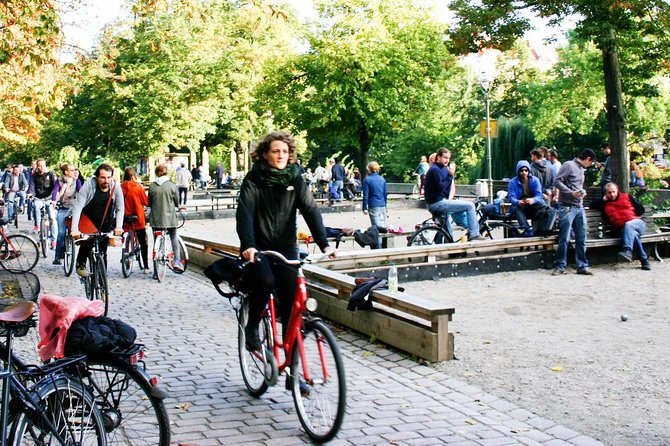
The guide also sets up a short breather in a bohemian-feeling neighborhood, with time described for playing boule. That stop isn’t just for leisure. It’s also a reminder that Kreuzberg isn’t only history and conflict. It’s daily routine, hanging out, and turning public space into shared space.
You’ll also hear a direct conversation that challenges a common stereotype: is Kreuzberg only anarchists, slobs, and survival artists? The guide’s message here is that it’s much more complex and, in some ways, the opposite of that simplified story.
Practical note: because food and drinks aren’t included by default, treat this break as a chance to reset your attention rather than a full meal stop. If you want snacks, bring something or plan for nearby options on your own.
Kottbusser Tor to Admiralbrücke: Concrete, Traffic, and Sunset Energy
The last stretch brings two very different moods.
First is Admiralbrücke, where you can start your night in a bar or simply watch the sunset from the bridge with lots of strangers around. The vibe is open and easy: come as you are, take in the view, then decide what kind of evening you want.
Then you hit Kottbusser Tor, known here for brutal 1970s architecture, heavy traffic, and a reputation tied to drug culture in the surrounding streets. Your guide’s job is to frame it without turning it into fear or rumor. On this tour, the point is contrast: “Dolce Vita” bohemia versus the harsher street reality of a major junction.
Who This Tour Is For (and Who Might Skip It)
You’ll love this tour if you want:
- Alternative Berlin that goes beyond the classic sightseeing circuit
- Wall-era context with street-level visuals, especially around East Berlin themes
- A guide who uses humor and personal storytelling to make neighborhoods feel understandable
You might consider skipping if you:
- Only want the most famous, obvious landmarks and no discussion time
- Want long, uninterrupted cycling with minimal stops
Best match: first-time visitors who already know the big Wall basics but want the “what happened to daily life after” answer.
Should You Book This Alternative Kreuzberg Bike Tour?
If you’re choosing between a standard highlights bike ride and something with more personality, I’d book this one. The price-to-time value is strong, and the structure makes sense: multiple stops, each tied to a real theme, with the Wall and its aftermath built into the storyline.
The reviews also paint a consistent picture: people loved the less touristy neighborhoods, the guides’ safe and friendly approach, and the sense that they learned what Berlin is like after the headlines. With a 4.8 rating and a high recommendation rate, you’re unlikely to feel like you paid for a rushed “drive-by.”
Just go in with the right expectations: this tour trades some speed for understanding, and it rewards curiosity more than fitness.
FAQ
How long is the bike tour?
It runs for about 3 hours.
What does the tour cost?
The price listed is $42.33 per person.
Where do I meet the guide?
You meet at Free Berlin Bike Tours & Rental, Poststraße 11, 10178 Berlin.
What time does the tour start?
The start time shown is 2:24 pm.
Is food or drinks included?
No. Food and drinks are not included unless specified.
Are bikes and helmets provided?
Yes. The tour includes a bicycle and helmet.
Is the tour available in English?
Yes. The tour is offered in English, and it may also be offered in German depending on the option selected.
What if the weather is bad?
It operates in all weather conditions, so dress appropriately.
Is it suitable for families or children?
Children are welcome, and infant seats can be provided on request. Children must be accompanied by an adult.
What’s the group size?
The tour has a minimum of 4 and a maximum of 15 travelers.
What is the cancellation policy?
You can cancel up to 24 hours in advance for a full refund.