REVIEW · BERLIN
Berlin: Secrets of Berlin Bike Tour
Book on GetYourGuide →Operated by Fat Tire Tours - Berlin · Bookable on GetYourGuide
Berlin looks different from two wheels. This Berlin bike tour leans into the city’s everyday oddball charm, swapping the big postcard stops for places locals actually hang out, paint, and argue about. You’ll pedal from Alexanderplatz toward neighborhoods where the vibe feels current and personal, not rehearsed for tourists.
I especially like the built-in access to Zionskirche, since entry for the bell tower is included and you get a real sense of Berlin’s scale from up high. I also love the emphasis on street art, including Dead Chicken Alley, plus other public-art stops that make the route feel like a living gallery.
One thing to consider: this tour isn’t for people who can’t ride a bike, and the bell-tower stop includes a climb. If you’re not comfortable on two wheels, it’s better to look for a walking or tram-based alternative.
In This Review
- Key highlights that make this Berlin bike tour worth your time
- What this Secrets of Berlin Bike Tour really delivers
- Getting started at Alexanderplatz under the TV Tower
- The bike route mindset: how you see more without seeing the same
- From the Spree and Bode Museum area to Berlin’s creative re-use
- Hackescher Markt and Hackescher Höfe: courtyards that change how you walk
- Dead Chicken Alley and Dirksenstraße: street art you can’t fake with a map
- Zionskirche bell tower: the included climb that adds real altitude
- Mauerpark and the modern Berlin vibe between stops
- People’s Theatre and Babylon Berlin: what modern culture looks like
- Topping off with a Späti stop and local rhythms
- Price and value: what $47 gets you in 3.5 hours
- Practical tips so the ride feels easy, not stressful
- Who this Berlin bike tour fits best
- Should you book the Secrets of Berlin Bike Tour?
- FAQ
- Where is the meeting point for the Secrets of Berlin Bike Tour?
- How long is the bike tour?
- What’s included in the price?
- Are refreshments included?
- Is the tour suitable for people who can’t ride a bike?
- Does the tour run in bad weather?
Key highlights that make this Berlin bike tour worth your time
- Zionskirche bell-tower entry: included stop that adds viewpoint value beyond street-level photos
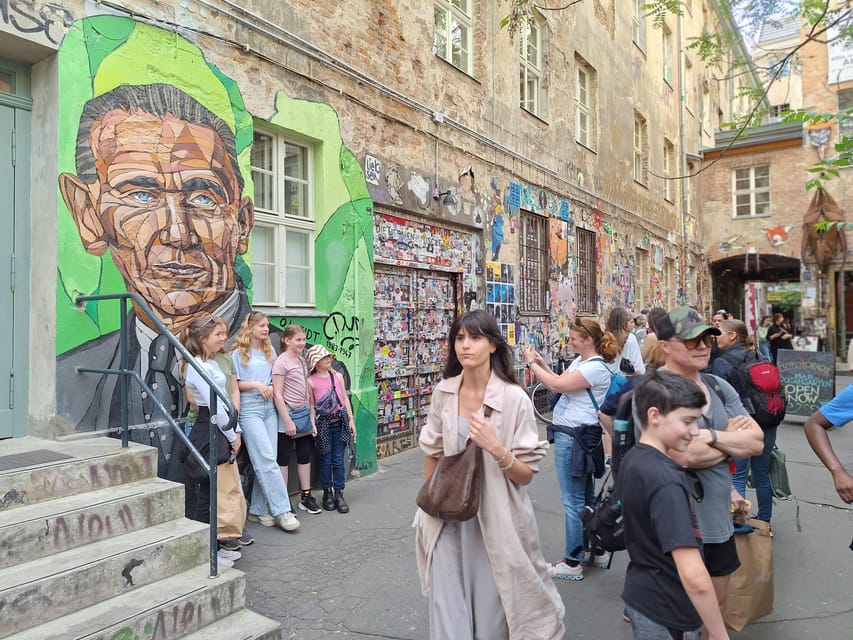
- Dead Chicken Alley street art: a standout visual stop that frames Berlin’s creativity fast
- Hackescher Höfe courtyards: you’re shown the in-between spaces people miss on foot
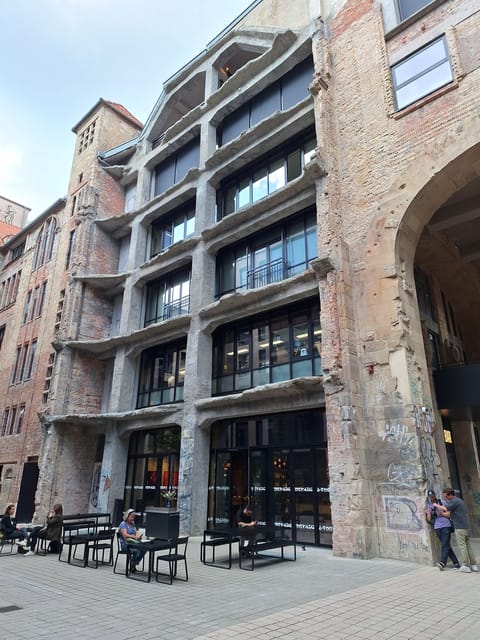
- Tacheles art-collective area: a quick look at how Berlin reuses old buildings for culture
- Modern media culture stops: People’s Theatre and Babylon Berlin help the tour feel like present-day Berlin
What this Secrets of Berlin Bike Tour really delivers
A good Berlin tour helps you understand the city’s personality. This one does that by focusing on street life, small spaces, and the kind of architecture Berlin uses as a canvas. The route is built around neighborhoods rather than a checklist, so the experience feels like you’re learning how Berlin works.
The “secrets” part isn’t about secret passwords or restricted locations. It’s about how Berlin hides its best details in plain sight: courtyards behind busy streets, murals in unexpected corners, and cultural spots that feel like they belong to the city, not to a tour brochure.
Also, the time is well spent. With a 210-minute duration, you’re not stuck in a long commute between far-flung sights, and you still get multiple stops that add up to a coherent picture.
You can also read our reviews of more cycling tours in Berlin

Getting started at Alexanderplatz under the TV Tower
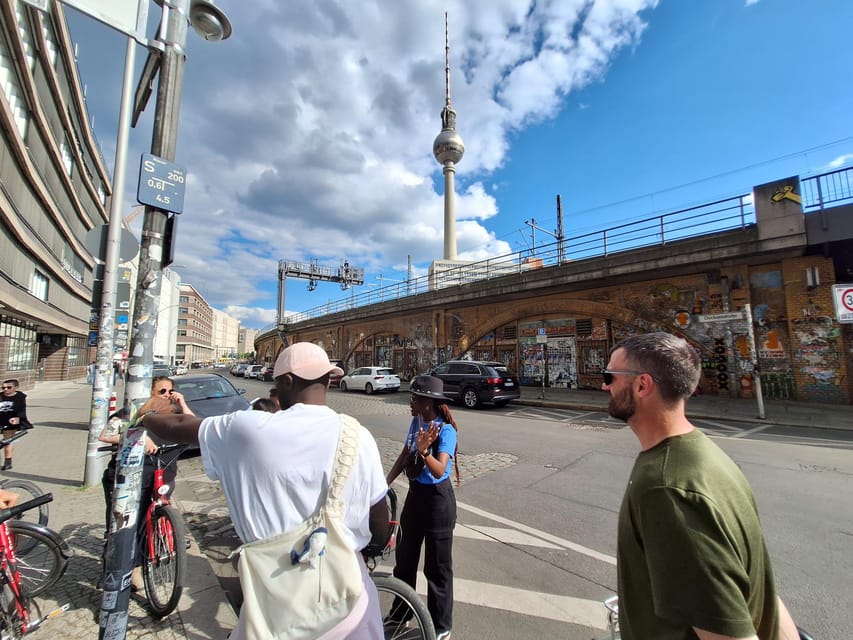
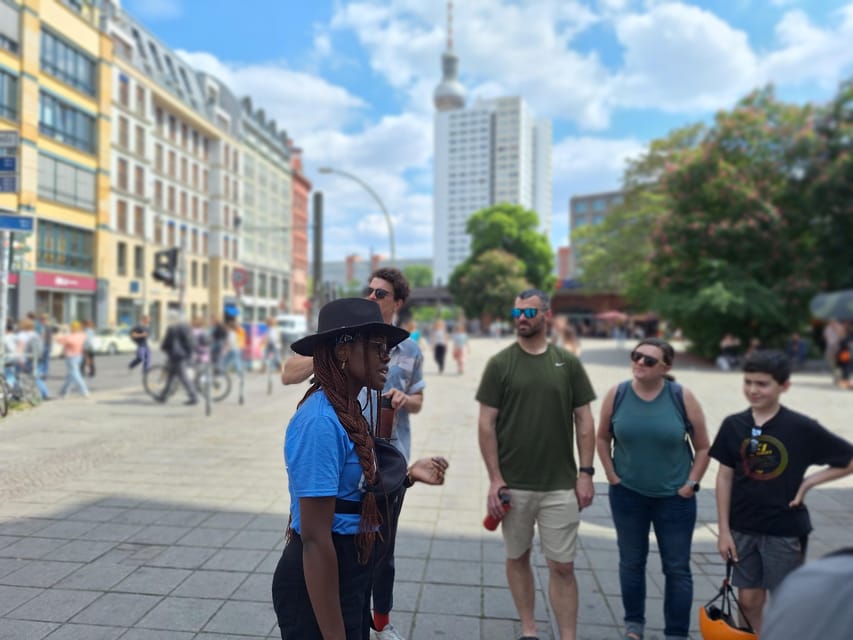
You meet at the bike shop at Panoramastraße 1A, right at the base of the TV Tower on the north side. It’s between Doughnut Time and the Alex restaurant, which makes it easier to locate without downloading extra maps.
This matters more than it sounds. Alexanderplatz is one of Berlin’s main hubs, so you’re starting in the middle of the city’s motion. You’ll quickly transition from the big public square energy into quieter streets where the tour can actually show you the texture of Berlin.
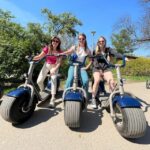
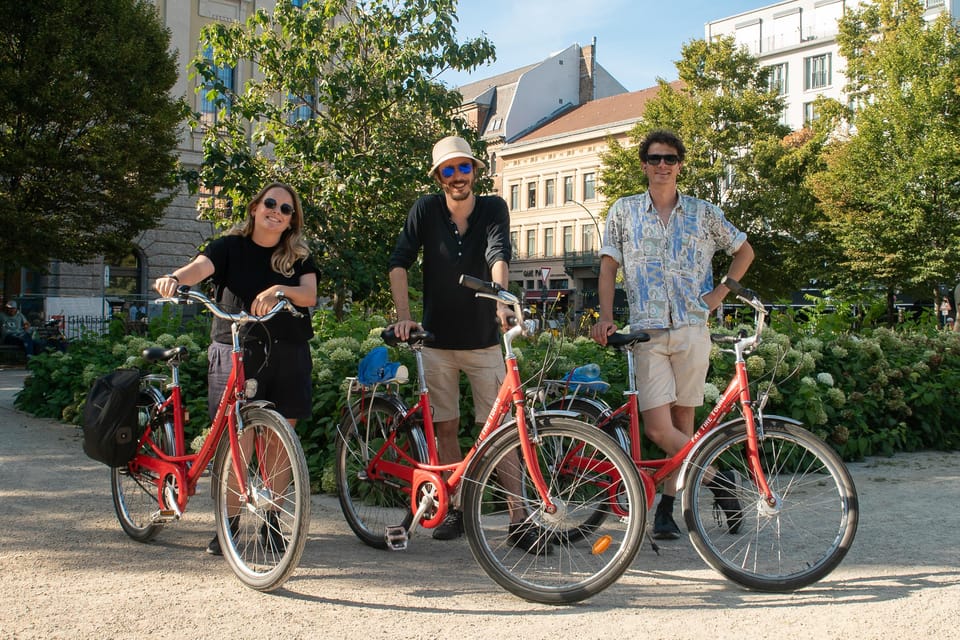
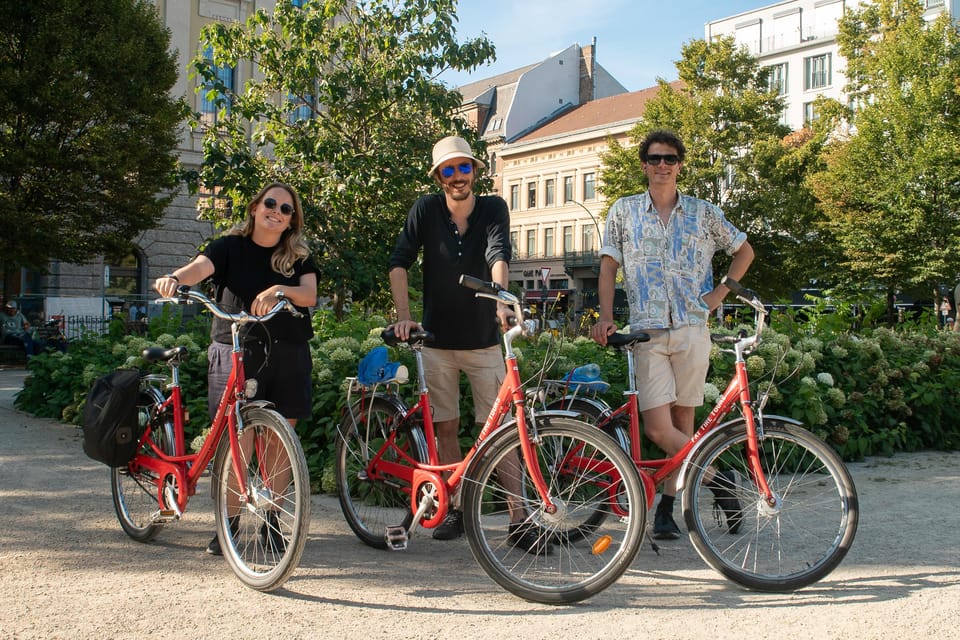
You’ll be on a city-cruiser style bike, and helmets are provided (optional). If you want a little extra peace of mind, grab the helmet and you’ll feel set for the whole ride.
The bike route mindset: how you see more without seeing the same
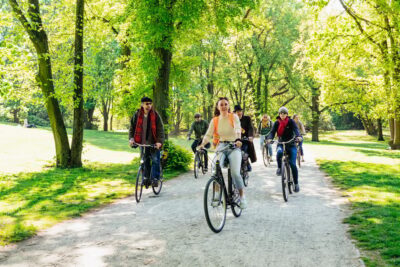
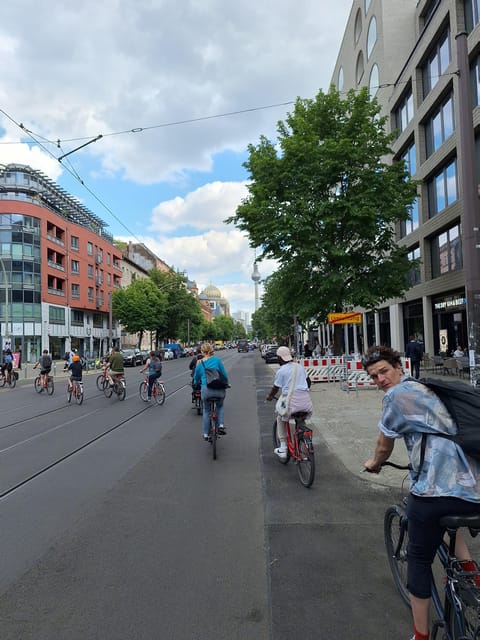
This tour’s goal is to show you Berlin beyond the typical “must-sees.” That means you’re not spending the entire time parked in front of the biggest landmarks. Instead, you ride through the modern capital’s neighborhoods and stop where the city has stories you can feel.
The best part of a bike tour like this is that it keeps you oriented. You don’t just receive information at a bus stop; you gradually connect the dots between areas as you pedal. By the time you reach the courtyards and art spaces, the city layout makes sense.
One practical note: the tour is rain or shine. Berlin weather can switch quickly, so plan for that mindset. Rain ponchos are available for sale before departure, which is handy if you forget to pack a light layer.
From the Spree and Bode Museum area to Berlin’s creative re-use
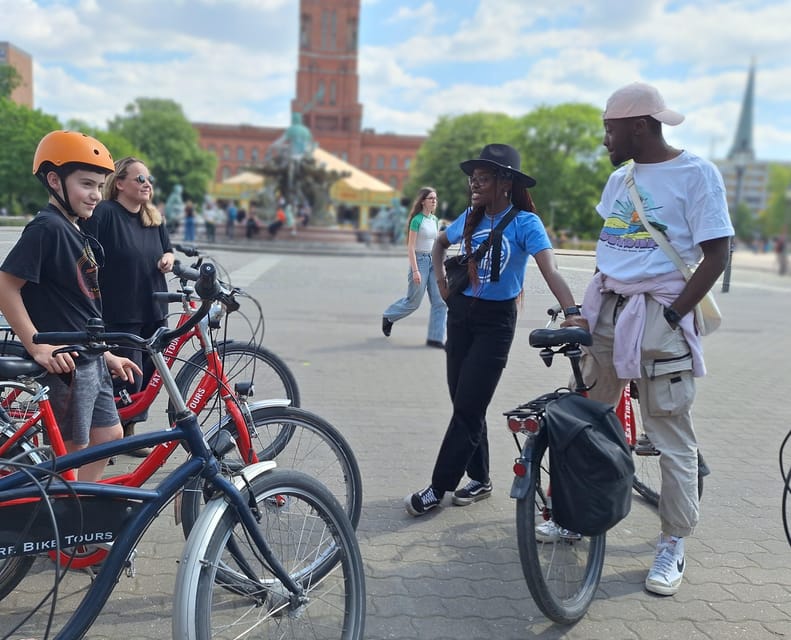
Early on, you’ll pass through central Berlin territory and get a stop by the Spree near the Bode Museum. Even if you’re not going inside, this kind of waterfront pause helps anchor the ride. Berlin’s museum-and-river geography is part of why the city feels so layered.
From there, the tour turns toward places where old spaces have been repurposed for culture. One of the big “how Berlin thinks” moments is Tacheles, described as a department-store-turned-art-collective. The value here isn’t just what the site is—it’s the attitude behind it. Berlin is famous for reusing space, and stops like this show you that the city’s creativity often lives in the cracks and leftovers.
If you’re the type who enjoys urban culture and street-level art more than formal museum visits, this is where the tour starts to feel like it’s really for you.
Hackescher Markt and Hackescher Höfe: courtyards that change how you walk
A huge win on this tour is that you’re not just riding past attractions—you’re shown Hackescher Höfe, including the hidden courtyard experience. These courtyards are exactly the kind of place you can walk right by without realizing what’s inside. Bike time plus a guided stop makes it much more likely you’ll notice the detail.
At Hackescher Markt, you also get sightseeing time that helps connect the busy streets to the quieter back spaces. This stop is less about a single photo moment and more about building context: what the area feels like on the ground, how people move through it, and why it’s a magnet for art and nightlife.
Then there’s the “in-between” factor. Courtyards are where Berlin’s mix of old and new shows up. If you love architecture but also like the human scale—doors, passages, small social pockets—this is one of the tour’s strongest stretches.

Dead Chicken Alley and Dirksenstraße: street art you can’t fake with a map
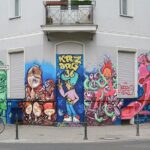
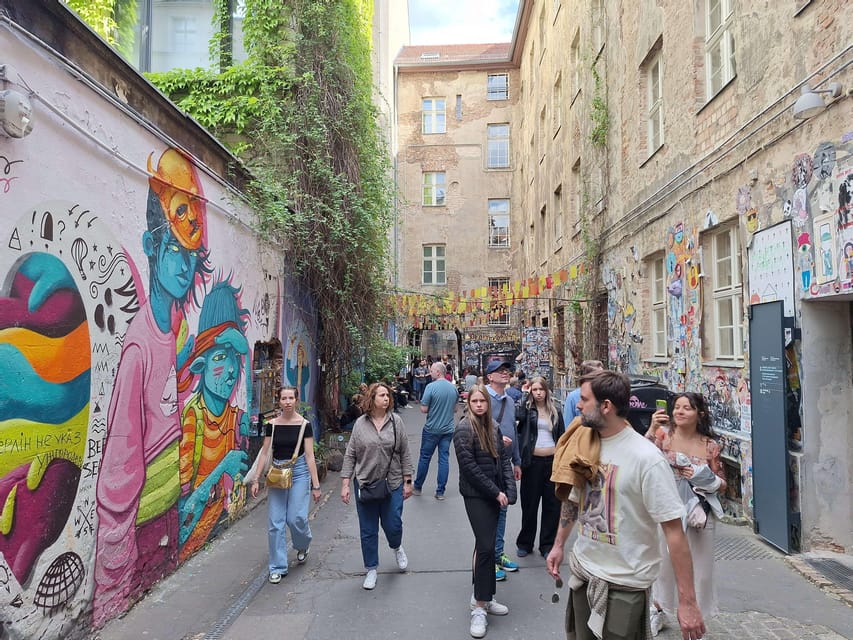
Let’s talk about the street art stops, because this is where the tour earns its name. You’ll see street art at Dead Chicken Alley, and you’ll also visit other art hot-spots along the way, including Dirksenstraße.
These stops work well because they don’t feel like a drive-by photo assignment. You’re guided to pay attention to the wall context—what’s painted over, what’s layered, and how the art sits inside real neighborhood life. That’s the difference between seeing art and understanding the role it plays in the street.
If you’ve ever felt like big attractions don’t explain a city’s personality, street art tours often fix that. Berlin’s murals and installations reflect attitudes: humor, dissent, nostalgia, and pure visual play. This tour uses biking to keep the momentum, so you’re seeing multiple expressions instead of getting bored waiting for another bus-load of landmarks.
One more plus: these are outdoors and bike-friendly stops. No long museum lines, no indoor pacing, and you still get that “today I learned something” feeling.
Zionskirche bell tower: the included climb that adds real altitude
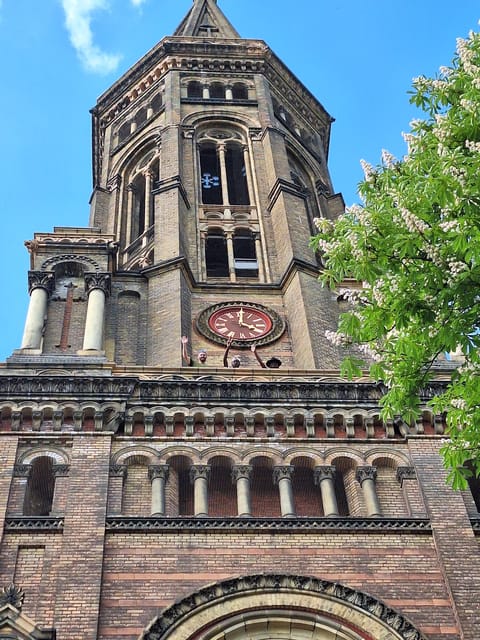
The tour includes entry to Zionskirche, and it features a bell tower climb. This is a good add-on because street art and courtyards are fun—but the bell tower gives you a bird’s-eye sense of the city’s shape.
From street level, Berlin can feel spread out and slightly confusing. A viewpoint helps fix that. You’ll see how neighborhoods relate to each other, how wide some streets are, and how green pockets and built-up blocks are patterned.
This is also a moment to be honest about your comfort level. The description includes a climb, so if stairs are a problem, consider that before booking. Helmets are optional, but the stairs are not optional.
Mauerpark and the modern Berlin vibe between stops
You’ll also stop at Mauerpark, a place that brings energy to the ride. The big value of this stop is atmosphere: Berlin isn’t only history or monuments, it’s also parks, gatherings, and day-to-day culture.
Even if you’re not spending a long time here, Mauerpark works like a mood shift. You go from art and architecture to a public space where people use Berlin in a more casual way. It helps the tour avoid becoming a string of visual highlights with no emotional through-line.
If you like tours that feel like a conversation with the city rather than a lecture, this is one of the stops that helps the whole experience click.
People’s Theatre and Babylon Berlin: what modern culture looks like
Near the end of the ride, you’ll get a feel for modern Berlin culture at the People’s Theatre and Babylon Berlin. This is a great pairing because it shows Berlin’s creative scene as something you can still experience now, not just as a historical footnote.
Why this matters for you: it adds variety. A street-art-heavy itinerary can start to blur if everything is visually similar. These stops break the pattern and remind you that Berlin’s culture is also performance, media, and ongoing storytelling.
Even if you don’t know the names before you arrive, the guided approach helps connect the idea of Berlin as a cultural work-in-progress.
Topping off with a Späti stop and local rhythms
The tour includes a refreshment stop at a local Späti, a Berlin staple. The cost of refreshments isn’t included, so you’ll want to bring some cash or card for your drink or snack.
I like this stop because it’s not just about hydration. It’s also about daily Berlin behavior. A Späti moment lets you see how locals build short breaks into their day, and it’s an easy way to stay energized for the bell tower climb and the final stretches.
This is also one of those small things that can make the whole tour feel more relaxed instead of rushed. You’re not just “doing sights.” You’re riding like a person in the city.
Price and value: what $47 gets you in 3.5 hours
At about $47 per person for 210 minutes, this is priced like an active, guided city bike tour with a couple of meaningful inclusions. Here’s what you’re actually getting for the money:
- A comfortable city-cruiser style bike
- A helmet provided (optional)
- An English-speaking guide
- Entry into Zionskirche (this is the big value anchor)
Not included is the refreshment cost, which is common for city tours. Also, you’ll want weather-appropriate clothing and the tour runs rain or shine.
When I evaluate value for tours like this, I care about two things: does it save time versus you exploring alone, and does it give access or context? The Zionskirche entry plus the street-art and courtyard orientation is exactly that. If you want a route that does more than bounce between the biggest landmarks, this price lands in a reasonable zone.
Practical tips so the ride feels easy, not stressful
Cycling tours sound simple until you’re on a bike in real weather. Here are the basics that will help you enjoy this one:
- Wear weather-appropriate clothing. Berlin can be cool even when it looks sunny.
- Expect rain as a possibility because the tour runs rain or shine. Ponchos are available for sale before departure.
- Bring a layer for stops. If you stop near water or in breezier areas, temperatures can feel different quickly.
- If you’re on the fence about biking, trust your comfort level. The tour is not suitable if you can’t ride a bike.
- Plan for the bell tower climb. Even if it’s not described as extreme, it’s a climb you’ll need to handle.
Also, since the meeting point is near a busy landmark area, give yourself a few extra minutes to locate the shop between Doughnut Time and the Alex restaurant. That small buffer makes the whole start smoother.
Who this Berlin bike tour fits best
This tour is a strong match if you want a Berlin bike tour that focuses on street art, hidden courtyards, and modern culture—not only the heavy hitters.
You’ll probably love it if:
- You enjoy street art and want guidance on what to notice
- You like “in-between” places like courtyards and neighborhood pockets
- You want a guide to help connect how different parts of Berlin feel
- You’re comfortable riding a bike for about 3.5 hours
You may want to skip or consider another option if:
- You can’t ride a bike
- You don’t do well with stair climbs (because of the bell tower)
- You mainly want classic, iconic monument sightseeing with minimal walking or biking
Should you book the Secrets of Berlin Bike Tour?
If your idea of a great day in Berlin includes street art, courtyards, and a guide-led route that shows you how the city works right now, I’d book this. The value is solid because it bundles real bike time with included Zionskirche access and multiple neighborhood-focused stops that most visitors miss.
If you prefer only the biggest landmarks, or if you’re unsure about biking or stairs, then this might not be the best fit. But for the rest of us—people who like Berlin weirdness and want to see the city’s soul at street level—this is a smart, efficient way to do it.
FAQ
Where is the meeting point for the Secrets of Berlin Bike Tour?
The tour meets at Panoramastraße 1A at the base of the TV Tower on the north side, between Doughnut Time and the Alex restaurant.
How long is the bike tour?
The duration is 210 minutes.
What’s included in the price?
Included are a comfortable city-cruiser style bike, optional helmet, an English-speaking guide, and entry into Zionskirche.
Are refreshments included?
No. A refreshment stop at a local Späti is included, but the cost of refreshments is not included.
Is the tour suitable for people who can’t ride a bike?
No. It is not suitable for people who can’t ride a bike.
Does the tour run in bad weather?
Yes. All tours go rain or shine, and rain ponchos are available for sale before the tour departs.