REVIEW · BERLIN
Private Day Tour to Germany and Poland – Traces of World War 2
Book on Viator →Operated by Maciej Krupski Travel · Bookable on Viator
Berlin’s past hits hard, fast. This private 12-hour trip connects Sachsenhausen and Poland’s postwar memory, and I love how the plan stays smooth with a private driver from your Berlin-area hotel. You also get a language-matched audio-guide at the key historical stop, plus a clear, human way of learning from your guide, Maciej.
Still, it’s a long day in the car and on foot, and the Szczecin museum timing can shift because specific sites close on certain weekdays. Plan your energy for an intense day that asks you to slow down and think.
In This Review
- Key highlights worth knowing
- From Berlin to Poland in one packed day
- The Sachsenhausen Memorial experience: audio-guide pacing at a former Nazi camp
- Szczecin city walk: war memory meets everyday landmarks
- Szczecin Underground Routes: civilian life under raids and atomic fear
- Dialogue Centre Upheavals: the Iron Curtain, then the long climb to freedom
- Rynek Sienny dinner: use the break to reset
- The role of Maciej: Q&A, pacing, and a guide who answers
- Private transport value: $744.06 and what you’re really paying for
- How long is the day, really, and how to survive it
- Best fit: who this tour suits best
- Should you book this Traces of World War 2 day tour?
- FAQ
- What time is pickup in Berlin?
- How long is the tour?
- Is this a private tour?
- What language is the tour offered in?
- Which parts of the Szczecin museums might change because of closures?
- What’s included in the price, and how does cancellation work?
Key highlights worth knowing
- Private pickup and drop-off in the Berlin area keeps the schedule efficient and low-stress
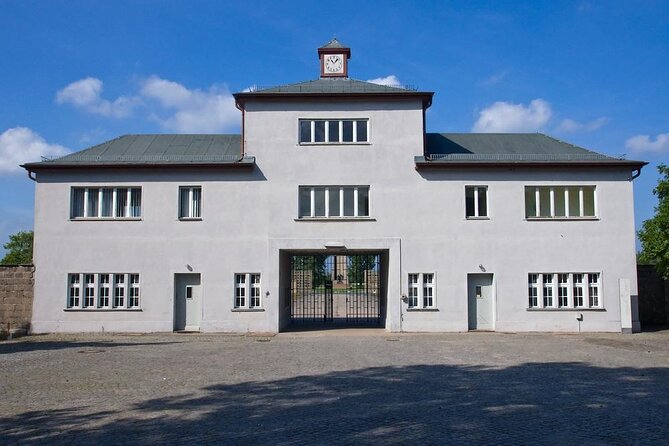
- Sachsenhausen Memorial with audio-guide lets you control your pace while learning what happened there
- Szczecin history across eras: city landmarks, then civilian life during air raids and atomic fear underground
- Dialogue Centre Upheavals brings you from occupation and Communist-era reality toward later freedom struggles
- Included dinner in Rynek Sienny means you’re not hunting for a good meal after a heavy day
From Berlin to Poland in one packed day
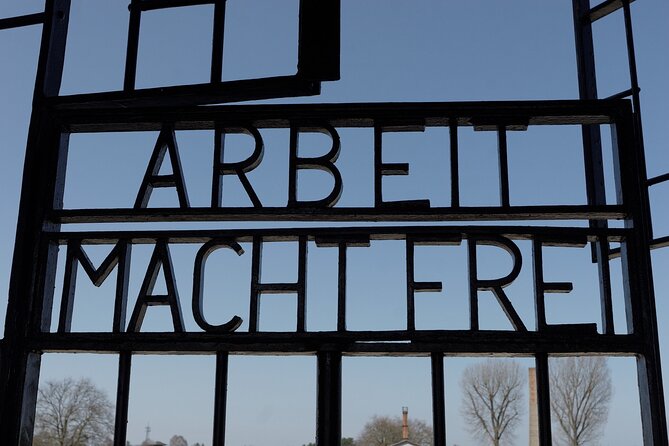
This is a true one-day “big picture” route. You start early in Berlin, drive to Sachsenhausen outside the city, then cross into Szczecin, Poland, for multiple history-focused stops. The pace is brisk, but the private format makes it feel manageable: you’re not waiting on other groups, and Maciej can fine-tune timing around your questions and your stamina.
The day’s rhythm matters. The tour includes built-in breaks like snacks and refreshments during transport, then structured time in museums where you can focus. That balance is a big part of the value, because two of the stops are emotionally heavy, and you’ll want time to absorb without feeling rushed.
You should also know what this tour is aiming to do. It’s not only about famous names or dates. It’s about how ordinary people lived through danger, how regimes shaped daily life, and how the story continues after the war ends.
You can also read our reviews of more private tours in Berlin

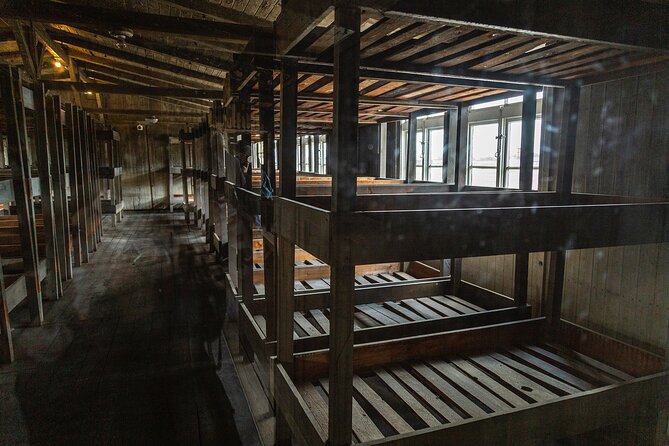
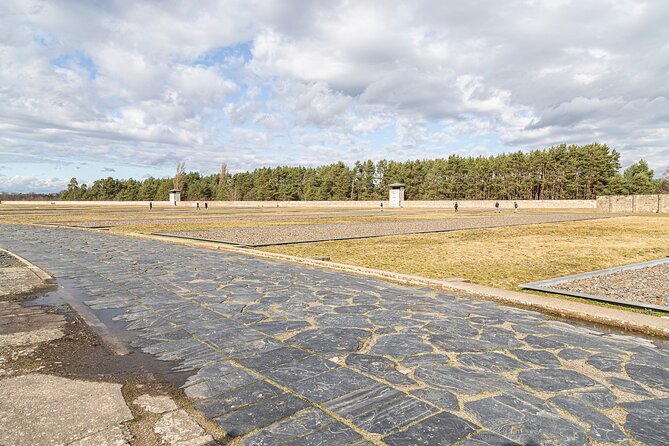
The Sachsenhausen Memorial experience: audio-guide pacing at a former Nazi camp
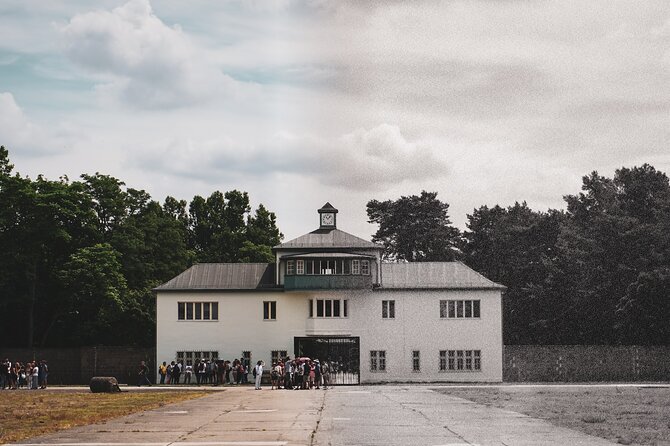
You’ll drive about an hour from Berlin to Sachsenhausen Memorial in Oranienburg. From the start, the setup feels practical: free refreshments and snacks on board help when the morning is early and the topic is heavy.
At the Memorial and Museum, you’ll use an audio-guide in your language. That’s an important detail. With audio, you can stop and move at your own speed, replay sections that hit hard, or spend extra time at the points that matter most to you. It also helps if you want facts without needing to constantly catch every sentence from a guide.
What I like about this stop is the way the tour connects the scale of suffering with the individual lives affected. It’s easy to see the camp setting as “history,” but an audio-guide format keeps it grounded in the reality of what daily life meant in a system built on persecution. It’s disturbing work, but the lesson is clear: how human cruelty can be organized, justified, and maintained.
One practical consideration: this is the kind of visit where good shoes and a calm mindset matter. If you get overwhelmed quickly, consider taking short breaks during your walk through the site.
Szczecin city walk: war memory meets everyday landmarks
After about a two-hour drive, you arrive in Szczecin. This is where the day opens up and gives you a sense of place. You take a short walk to see key highlights like the National Philharmonic, Solidarity Square, Chrobry Embankment, and the Pomeranian Dukes Castle with its famous clock tower.
This city walk isn’t just sightseeing. It helps you “re-anchor” your brain after Sachsenhausen. When you later visit underground shelters and a modern history exhibition, those Szczecin landmarks become more than postcard views. You start to understand the city as a living place shaped by events you just learned about.
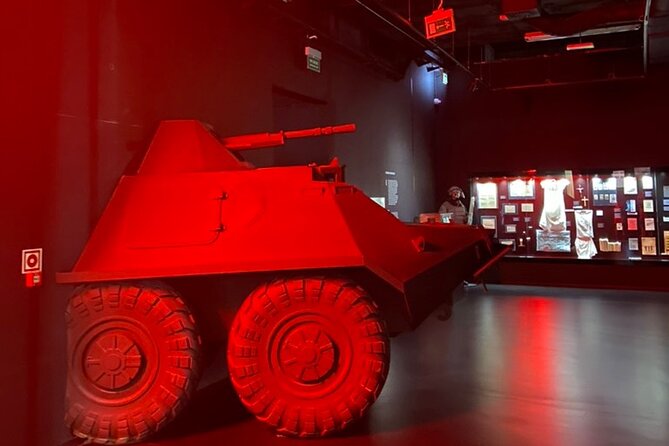
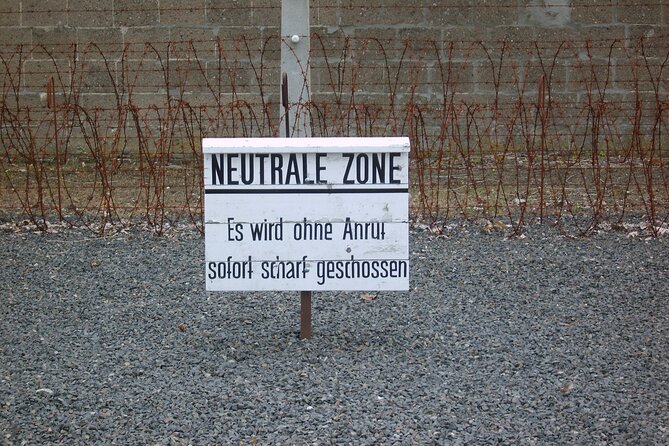
Then there’s the museum choice factor. Depending on the day of the week, you’ll visit at least one of two major museums focused on recent Polish history. This means your exact mix of exhibits can vary, so it’s worth having flexible expectations. Either way, the goal is the same: show you the postwar reality—political pressure, surveillance-era life, and the road toward change.
Szczecin Underground Routes: civilian life under raids and atomic fear
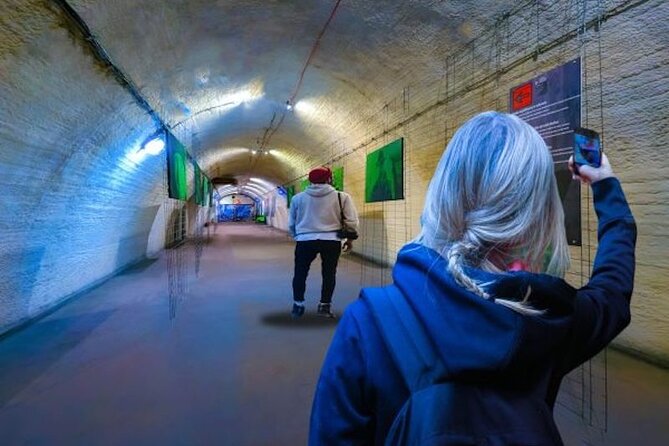
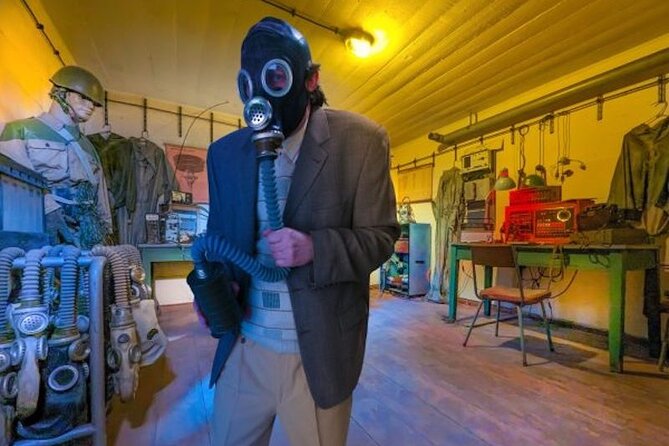
Next comes one of the most memorable parts of the day: Szczecin Underground Routes. You walk through tunnels and shelters built for protection during air raids and, later, an atomic threat after World War II.
The subject is grim, but that’s precisely why this stop works. It turns abstract history into something physical. You can feel the claustrophobic scale of shelter life and understand what it meant to organize daily routines around danger. When people talk about air raids, it’s easy for it to stay theoretical. Down here, it becomes real.
This stop is also structured to fit a one-day schedule: about an hour walking the underground routes, with an admission ticket included. A key practical note: the museum is closed on Tuesdays and Wednesdays. If your travel dates fall there, your day will adjust accordingly, so double-check your final schedule details after booking.
Dialogue Centre Upheavals: the Iron Curtain, then the long climb to freedom
After underground history, you shift to a modern exhibition at the National Museum in Szczecin: The Dialogue Centre Upheavals. This part is about interpretation—how the period after the war played out in everyday life, what the Iron Curtain really meant, and how the Polish People’s road to freedom unfolded.
I like this museum because it broadens the story. Sachsenhausen answers what happened through Nazi terror. The underground routes focus on civilian survival under later threats. The Dialogue Centre ties it together by showing how postwar politics reshaped society, and how change came through sustained pressure and resistance.
Again, timing can matter. This museum is closed on Mondays. If you’re traveling on a Monday, your itinerary may substitute another history stop so you still get the intended theme: postwar reality and political transformation.


Rynek Sienny dinner: use the break to reset
After a full day of museums and walking, you head to dinner in Rynek Sienny. You’ll enjoy a traditional Polish a la carte meal at a local restaurant, with the dinner included.
This isn’t just a perk. It’s a strategic pause. After heavy content, your brain needs time to process without absorbing new information. Sharing a meal also makes the day feel human again—like you’re part of the living city, not only moving between sites of tragedy.
If you’re the kind of traveler who likes to ask questions, dinner is a good time to let them simmer. With Maciej, the tour style leans educational and reflective, so you may notice yourself thinking differently afterward, not just collecting facts.
The role of Maciej: Q&A, pacing, and a guide who answers
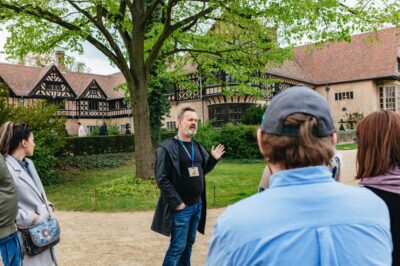
One of the biggest reasons this tour feels worth the money is the way Maciej drives the experience. He’s talkative in a good way—engaging during the drive, ready to explain connections between Germany and Poland, and willing to answer questions in detail.
That matters because world-war history can feel like separate chapters until someone connects them. Maciej’s approach helps you build a timeline across borders, showing how events echo into the postwar era. He also gives you room to reflect, which sounds soft but is actually practical. When you slow down at the right moments, you remember more and you feel less like you’re just passing through.
Communication also plays a role. The tour run is well organized, and changes are handled clearly so you’re not left guessing where to be or what’s next. That kind of coordination is what makes a one-day border-hopping itinerary feel smooth instead of stressful.
Private transport value: $744.06 and what you’re really paying for
At $744.06 per person, this isn’t a budget tour. But private day trips like this carry real costs: cross-border driving, a private vehicle for the full day, and admissions and guided components tied to specific sites.
Here’s what you’re getting for the price:
- Private transportation with pickup from your Berlin-area hotel and return drop-off around 8 p.m.
- Snacks and beverages during transportation, which actually helps on a long day
- Admission tickets included for the Sachsenhausen museum portion, the Szczecin underground routes, and the Dialogue Centre Upheavals
- Dinner included in Rynek Sienny
- Audio-guided learning in your language for the Memorial and Museum stop
When the math looks steep, I usually ask: does the private setup prevent wasted time? In this case, yes. You’re not coordinating public transit across two countries in one day, and you’re not switching between unrelated tours. You also get the advantage of a guide who can manage the emotional pacing, which is not something you can easily replicate on your own in a tight schedule.
If you’re traveling with a partner or small group, this kind of private format often starts to feel more reasonable compared with buying separate tickets, transport, and individual guides.
How long is the day, really, and how to survive it
You’ll be picked up at 8:00 a.m. and return to your Berlin-area accommodation around 8:00 p.m. That’s roughly 12 hours, give or take. The long day includes a mix of driving, walking, museum time, and a full dinner.
To make it easier on yourself:
- Wear shoes you can stand in for extended periods, including at memorial and museum settings
- Bring a light layer. You’ll spend hours indoors and outdoors
- Keep your expectations realistic: you’ll see major pieces of the story, not every possible detail in Germany and Poland
If you’re a traveler who likes deep reading, you might feel tempted to rush through the audio and then regret it later. Instead, let the audio-guide pace work for you. Pause when you need to, and trust that you’re not behind.
Best fit: who this tour suits best
This works best if you want a structured, guided day focused on WWII traces and the aftermath. It’s especially good for travelers who:
- Want to connect German and Polish history in one coherent flow
- Prefer private pacing and direct Q&A with a guide
- Are comfortable with emotionally serious sites and museum spaces
If you’re traveling with kids, this can still work depending on the child’s maturity, but there’s no “light” version of Sachsenhausen. It’s also not the best choice if you want a relaxed shopping-and-cafés day. This is education-first.
Should you book this Traces of World War 2 day tour?
I’d book it if you want an efficient private day that combines a major WWII memorial in Germany with multiple postwar history stops in Szczecin—and you care about learning with structure, not just collecting sights. The standout strengths are the private driver setup, the language-matched audio-guide at Sachsenhausen, and Maciej’s ability to explain connections while giving you time to reflect.
I would hesitate only if you know you struggle with long days, heavy historical sites, or if you’re traveling on a weekday when specific Szczecin museums are closed and you really want those exact exhibits. The itinerary is designed to adjust, but the theme stays intense either way.
In short: if your goal is to understand how WWII echoes into postwar civilian life and political change, this tour is a strong match.
FAQ
What time is pickup in Berlin?
Pickup starts at 8:00 a.m. from your hotel in the Berlin area. You return to the Berlin region around 8:00 p.m.
How long is the tour?
The tour runs for about 12 hours.
Is this a private tour?
Yes. It’s private, so only your group participates.
What language is the tour offered in?
The tour is offered in English, and the Sachsenhausen Memorial and Museum includes an audio-guide in your language.
Which parts of the Szczecin museums might change because of closures?
Szczecin Underground Routes is closed on Tuesdays and Wednesdays. The Dialogue Centre Upheavals (National Museum in Szczecin) is closed on Mondays, so the day’s museum lineup may adjust accordingly.
What’s included in the price, and how does cancellation work?
Dinner is included, along with snacks and beverages during transportation, and private transportation. The cancellation policy allows free cancellation up to 24 hours in advance for a full refund, and refunds are also offered if the tour is canceled due to poor weather or if the minimum number of travelers isn’t met.