REVIEW · BERLIN
Third Reich and the Holocaust in Berlin Private Guided Tour
Book on GetYourGuide →Operated by Rosotravel Germany · Bookable on GetYourGuide
In Berlin, history walks right beside you. This private guided tour strings together the Third Reich story across major memorial sites, led by a licensed history expert-guide who keeps the facts clear and the pace comfortable. I especially like the chance to see the Topography of Terror exhibits in context, and I love that the commentary is available in your language. The only catch: it is a heavy subject, so you’ll want to mentally pace yourself.
If you’re choosing between options, think about what you want most. The 5-hour version adds key Jewish Quarter stops and Otto Weidt’s Blindenwerkstatt Museum, but it also means more time on your feet.
In This Review
- Key things to know before you go
- Third Reich Sites in Berlin’s Old Town: What You’ll Actually See
- Entering Topography of Terror: Former Gestapo/SS Headquarters, Modern Exhibits
- Potsdamer Platz to the Memorial to the Murdered Jews of Europe: Liberation Meets Memory
- Brandenburg Gate and the Reichstag Building: Where Propaganda Played Out
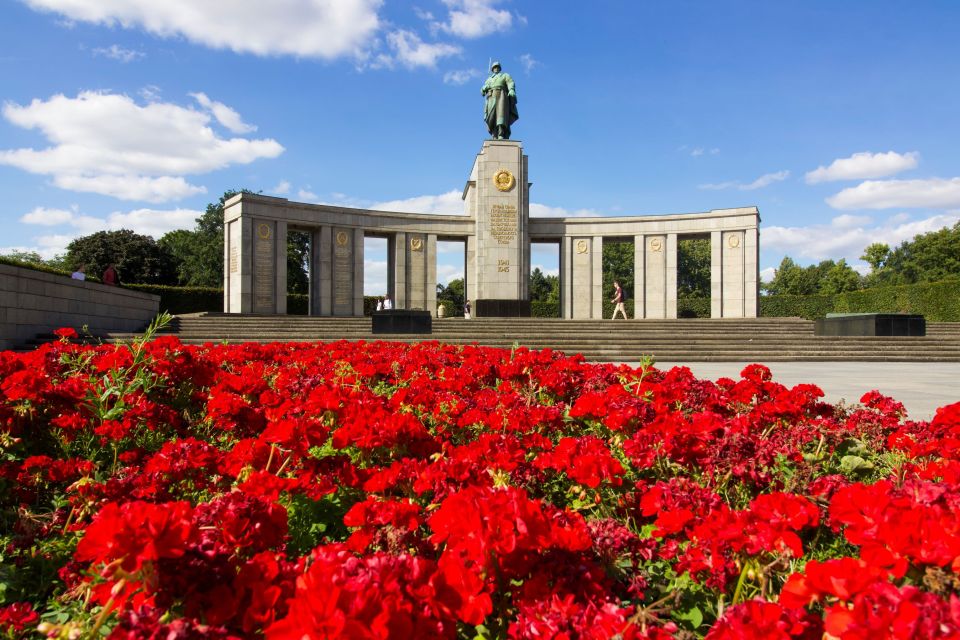
- Soviet War Memorial: How Berlin Remembers the War’s End
- The 5-Hour Extension: Friedrichstraße, Trains to Life–Trains to Death, and the Jewish Quarter
- Otto Weidt’s Blindenwerkstatt Museum: A Human Thread Inside the Holocaust
- Private Means Personal: Language, Pace, and Expert Guidance
- Price and Value: Is $219 per Person Fair for a 5-Hour Private Tour?
- Who This Berlin Tour Fits Best (and Who Might Rethink It)
- Should You Book This Third Reich and Holocaust Private Guided Tour?
- FAQ
- How long is the tour?
- What sites are included in the 5-hour tour?
- Is the Otto Weidt Museum included?
- What is the meeting point?
- What languages are available for the live guide?
- Is this a private tour?
- What’s the price per person?
- What is the tour focus?
- What does the itinerary include around Potsdamer Platz and Allied zones?
- Is there free cancellation?
Key things to know before you go
- Topography of Terror starts the story where power was built with the setting of the former Gestapo and SS headquarters
- You’ll connect Nazi propaganda to real sites like the Reichstag and Brandenburg Gate
- The Holocaust memorial stops are not just photo ops they’re framed with names, policies, and timeline context
- Potsdamer Platz links the city’s liberation story to WWII geography with the Allied zone boundary context
- The 5-hour add-ons focus on children and deportation memory via Trains to Life – Trains to Death
- Otto Weidt’s Blindenwerkstatt brings in a human-scale thread through the story of Otto Weidt employing blind and deaf Jewish workers
Third Reich Sites in Berlin’s Old Town: What You’ll Actually See
This tour is built like a guided walk through turning points. You start with the Nazi rise, move through the machinery of terror, then hit the memorial landscape that Berlin created to face what happened—Germany’s crimes, and also the war’s aftermath.
You won’t just be shown buildings. You’ll be helped to connect what you’re looking at to what the Germans (and Berlin’s Jewish community) were experiencing at the time—especially during the rise and fall of Adolf Hitler and the Third Reich. That difference matters. Sites in Berlin can look “just historic” if you don’t have a guide to attach names and events to them.
Practical note: this is a walking tour, and you should expect standing time at memorials and exhibits. The advantage of private is simple: you can move at a pace that fits you.
You can also read our reviews of more guided tours in Berlin


Entering Topography of Terror: Former Gestapo/SS Headquarters, Modern Exhibits
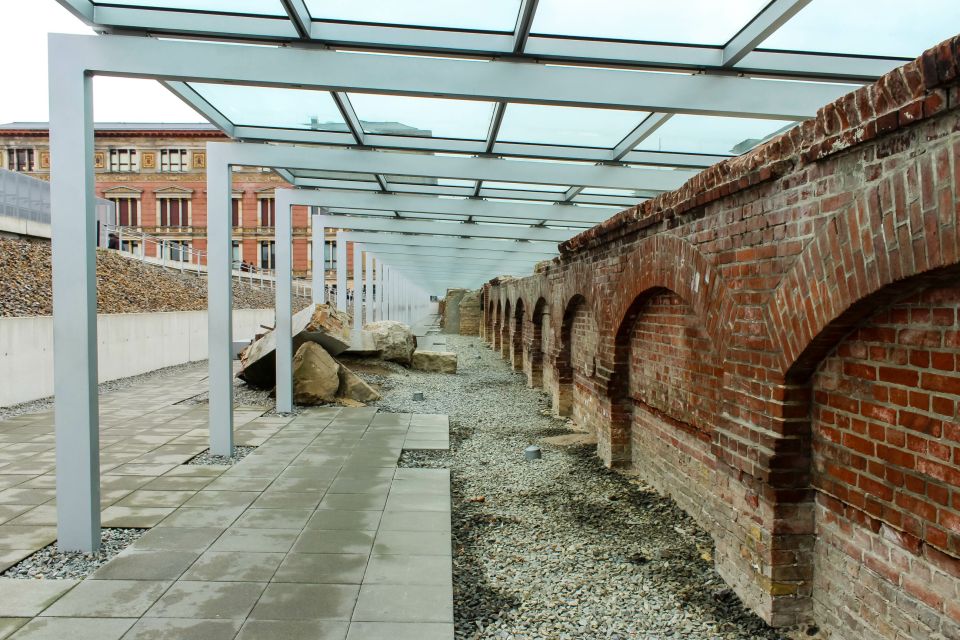
The tour begins with a visit to the Topography of Terror museum. It’s based in the former headquarters connected to the Gestapo and SS, so you’re not learning in an abstract way. Your guide can ground the story in the physical space—how the Nazi system organized surveillance and violence, and how propaganda helped normalize it.
Inside, you’ll see an account of the Nazi Party’s rise to power and the atrocities committed during the Holocaust. The museum is the anchor. Without it, the rest of the walk can feel like a checklist. With it, the memorials and monuments you pass later land with more meaning.
One of the best things I look for in a guide here is clarity. In the feedback from this tour, guides like Silvia (described as a historian specializing in World War II) are specifically praised for the way they explain events with detail and focus. If you’re the type who likes dates, institutions, and cause-and-effect, you’ll probably appreciate that style.
Potsdamer Platz to the Memorial to the Murdered Jews of Europe: Liberation Meets Memory

After Topography of Terror, the route moves through Berlin’s Old Town. One stop is Potsdamer Platz, where the boundaries of the American, British, and Soviet Allied zones collided when the city was liberated. That’s a useful detail because it reminds you that Berlin’s WWII story doesn’t end when one side wins. The post-war power map becomes its own kind of history lesson.
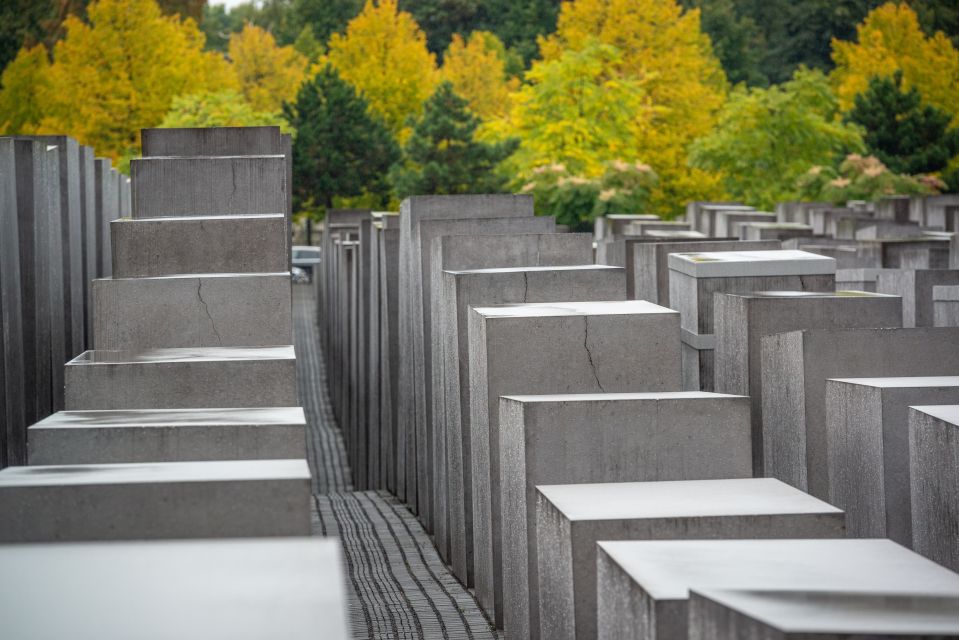
Then comes the Memorial to the Murdered Jews of Europe, the six million Jewish victims memorial. Your guide doesn’t treat this as a moment to skim past. They frame it as part of the Holocaust memory landscape—so you leave with a better understanding of what the monument is saying, not just where it sits.
If you’re trying to understand the Holocaust without losing the human scale, having a guide around these sites helps. You get a timeline through the streets, not a one-off exhibit where the story stops the moment the doors close.
Brandenburg Gate and the Reichstag Building: Where Propaganda Played Out
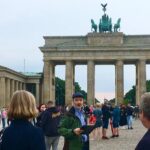
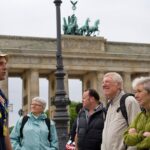
Berlin’s Brandenburg Gate often gets discussed as a symbol of the city, but on this tour it’s tied directly to the Nazi use of the space for propaganda rallies. That context changes how you see the gate. Instead of only thinking about architecture and views, you think about performance—how political power used public spaces to stage legitimacy.
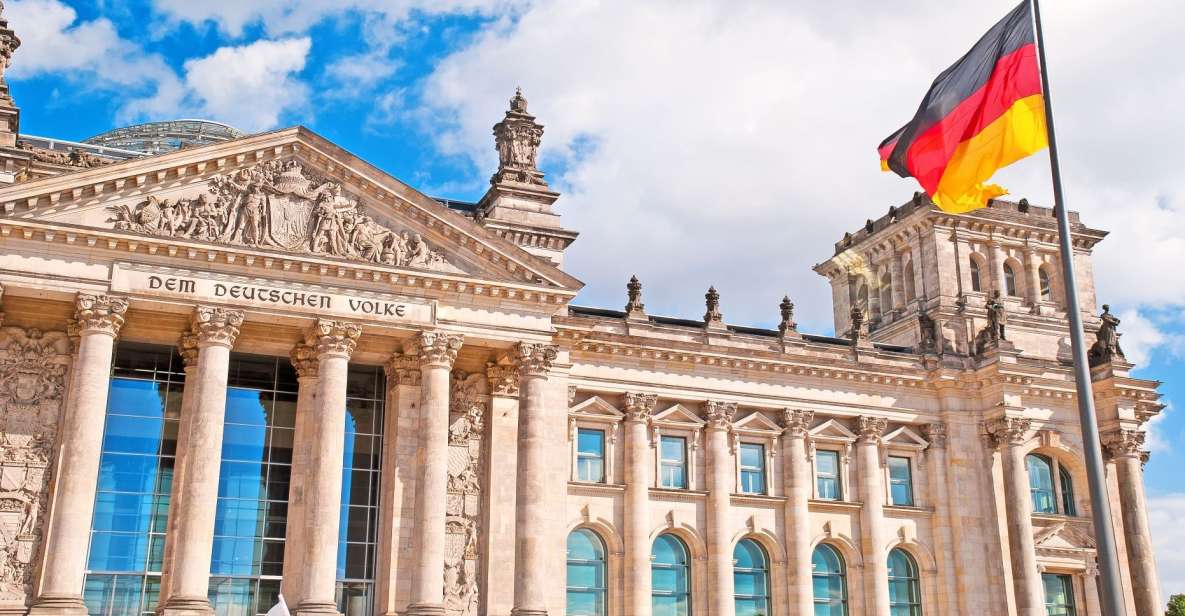
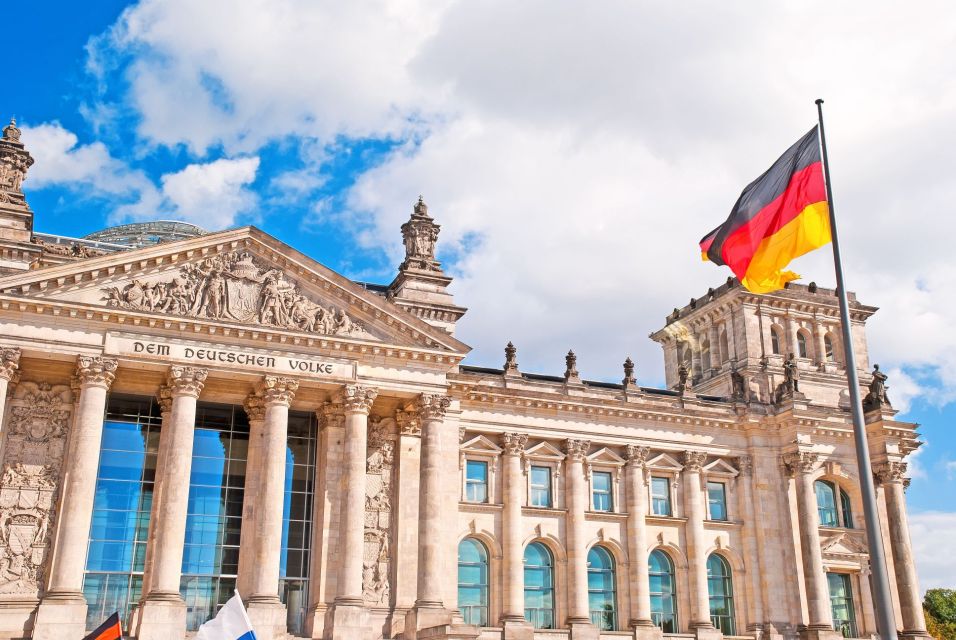
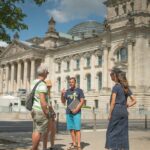
You’ll also see the Reichstag building, which was burned down in 1933. Your guide uses this moment to connect shifting power, political theater, and the Nazi ability to exploit crisis. Even if you’ve seen photos of the Reichstag before, this kind of explanation turns it into a historical node, not a background landmark.
A useful takeaway here: the Nazis weren’t only violent; they were also strategic about narrative. When your guide connects propaganda to physical locations, you start spotting the mechanism—how the regime shaped what people believed.
Soviet War Memorial: How Berlin Remembers the War’s End
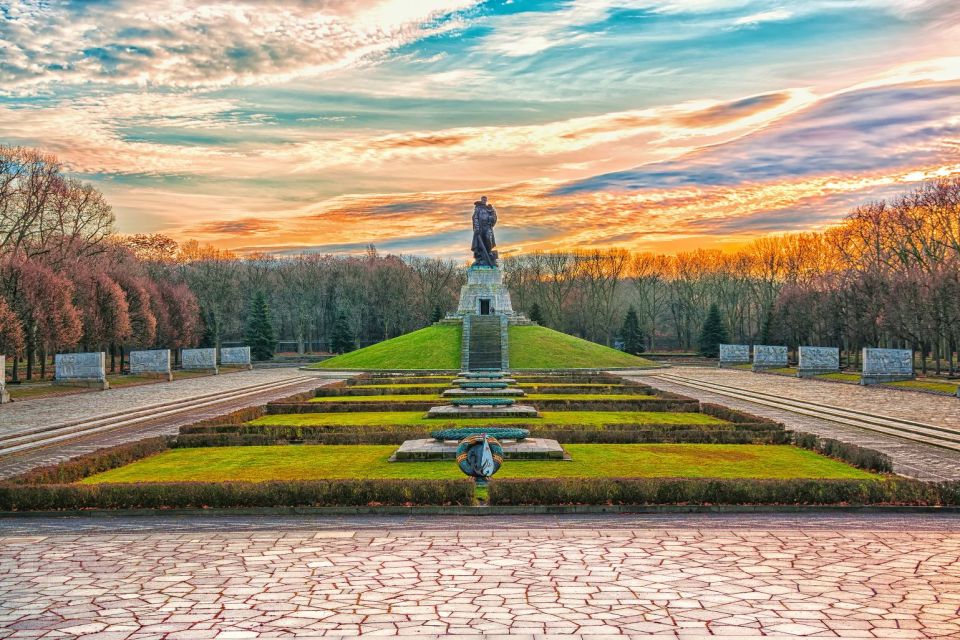
The tour ends (for the basic route) at the Soviet War Memorial, one of several Soviet Union memorials in Berlin commemorating its soldiers. This matters because Berlin memorials don’t all come from the same perspective. You get a glimpse of how different sides of the war left their mark on public remembrance.
If you tend to think about WWII history mainly through Western fronts or mainly through the Holocaust lens, this stop gently broadens your view. It doesn’t dilute the crimes of the Nazis; it helps you understand the war’s full aftermath in the city’s space.
It’s also one more reminder that memory in Berlin is layered. You’re seeing different narratives mapped onto the same urban fabric.
You can also read our reviews of more private tours in Berlin


The 5-Hour Extension: Friedrichstraße, Trains to Life–Trains to Death, and the Jewish Quarter
The 5-hour option expands your route beyond the Old Town core. You’ll visit Friedrichstraße, one of Berlin’s most famous streets, and you’ll also see the monument Trains to Life – Trains to Death, which commemorates children who were murdered during the Holocaust.
That stop is one I think many people need, even if they already know the basics. It focuses attention on children specifically, which changes the emotional weight and the moral scale of what the deportation system meant. If your Holocaust education has mostly been general, this kind of reminder helps you connect policy to lives that were targeted from the start.
You’ll also explore Spandauer Vorstadt and the Jewish Quarter, where the surviving New Synagogue is located. Your guide uses this to add continuity: the Jewish Quarter isn’t just a memorial zone; it’s tied to the community’s history and endurance, alongside what was destroyed.
Otto Weidt’s Blindenwerkstatt Museum: A Human Thread Inside the Holocaust
One of the most meaningful parts of the 5-hour itinerary is the visit to Otto Weidt’s Blindenwerkstatt Museum. This museum tells the story of Otto Weidt, who employed mostly blind and deaf Jewish workers in his workshop during WWII.
This matters because the Holocaust story is often framed as pure tragedy. Here, you’re still facing horror, but you’re also shown how people created chances to survive or to work through extreme conditions. You learn how Weidt used his workshop in a way that supported Jewish workers, making this stop feel personal instead of purely informational.
The tour also positions this as part of learning Jewish history during the rise and fall of Nazi rule. That’s a smart way to balance the route: you’re not only watching the destruction happen in monuments—you’re also learning about how Jewish life and Jewish communities were affected and remembered afterward.
Private Means Personal: Language, Pace, and Expert Guidance

This is a private group tour, and you can feel the difference. Your guide can adjust tempo and focus based on your interests. If you want more timeline, they’ll likely lean that way. If you want more context before you move on, that’s usually easier to do when the group is private.
Language is a practical big deal here. The tour offers live guidance in English, French, Russian, Spanish, Italian, German, and Polish. If you’re traveling with friends or family who prefer to hear the story in their native language, this tour is set up for that.
From the guide names praised in the feedback, you can get a sense of teaching style diversity. Gunnar is credited with being an excellent guide and making the learning enjoyable. Manfred is described as delivering the history in a conversational, casual way while still covering the essentials. And Silvia is highlighted for being a WWII specialist with a teacher-like explanation style. In other words: you’re not just buying access to sites—you’re buying how the story gets explained.
Price and Value: Is $219 per Person Fair for a 5-Hour Private Tour?
At $219 per person for a 5-hour private guided experience, the value depends on what you want from Berlin.
If you’re the kind of traveler who would otherwise read a lot of plaques and still feel like the story doesn’t connect—this is often worth it. The guide isn’t only pointing at sites. They’re building a narrative link from Topography of Terror to Potsdamer Platz, to Holocaust memorials, to the propaganda-heavy spaces like Brandenburg Gate and the Reichstag, and then (on the 5-hour option) to Friedrichstraße, the child-death remembrance monument, and Otto Weidt’s workshop story.
Also, privacy can be a quiet money-saver. If you’ve ever struggled on group tours because you didn’t want to rush or because you had questions, private solves that friction. You’re paying for time, context, and a pace matched to you.
The one value warning: if you’re short on time and only want the “core” memorial arc, you might compare against the shorter option since the Jewish Quarter and Otto Weidt museum are tied to the 5-hour experience.
Who This Berlin Tour Fits Best (and Who Might Rethink It)
This works best if you want a guided structure through some of Berlin’s hardest history. You’ll get a clear line from the Nazi regime and Hitler to the Holocaust and WWII events, with memorials and key sites along the way.
Choose it if you:
- want explanations in your own language
- prefer a guide to help you connect museum content to city locations
- care about including the Jewish Quarter and Otto Weidt’s story (that’s a major plus in the 5-hour version)
You might rethink it if you:
- know you get overwhelmed easily by Holocaust themes and WWII atrocities
- prefer only lighter, everyday sightseeing without heavy historical framing
- don’t have much stamina for a 5-hour walking-and-standing schedule
Should You Book This Third Reich and Holocaust Private Guided Tour?
I’d book it if you want Berlin to teach you the story, not just show you the stones. The combination of Topography of Terror plus the memorial walk is powerful because it connects exhibit knowledge to real city geography. And the 5-hour version earns its keep by adding Friedrichstraße, the train-death monument for murdered children, the Jewish Quarter with the New Synagogue, and the Otto Weidt museum.
Pick this tour when language and pacing matter to you. You’ll get an expert guide, a private format, and a route that treats the subject with the care it requires.
FAQ
How long is the tour?
The tour duration is 5 hours for the option described.
What sites are included in the 5-hour tour?
In the 5-hour option, you’ll include Topography of Terror, Potsdamer Platz, the Memorial to the Murdered Jews of Europe, the Brandenburg Gate, the Reichstag building, the Soviet War Memorial, plus the Jewish Quarter and a visit to Otto Weidt’s Blindenwerkstatt Museum.
Is the Otto Weidt Museum included?
Yes, it is included in the 5-hour option.
What is the meeting point?
Meet your guide in front of the Typisch Berlin cafe at Wilhelmstraße 42, 10963 Berlin. The instructions say not to enter the cafe.
What languages are available for the live guide?
Live tour guide languages include English, French, Russian, Spanish, Italian, German, and Polish.
Is this a private tour?
Yes. It is a private group.
What’s the price per person?
The price is listed as $219 per person.
What is the tour focus?
The tour focuses on the Third Reich, World War II, and the Holocaust in Berlin, with stops at war memorials and relevant history sites in Berlin’s Old Town and Jewish Quarter.
What does the itinerary include around Potsdamer Platz and Allied zones?
Your route includes Potsdamer Platz, where the boundaries of the American, British, and Soviet Allied zones collided when they liberated the city.
Is there free cancellation?
Free cancellation is offered up to 24 hours in advance for a full refund.