REVIEW · BERLIN
The History of Berlin: WWII PRIVATE Walking Tour With Locals
Book on Viator →Operated by Withlocals · Bookable on Viator
Berlin’s past feels close when you walk it. This private WWII and Cold War tour is a hands-on Berlin history experience with a local guide, built for your pace, not a bus schedule. I like that it blends major landmarks with the “how did people survive” stories you don’t get from a quick stop-and-go tour.
What I really love is the private format. You’re not stuck listening to the same clip for everyone—you can ask questions, take detours, and slow down when something hits. Another strong point is the route itself: you move through places that connect Nazi-era Berlin, the Holocaust, and the Wall years into one readable story.
One thing to consider: the itinerary can be tailored, so if you have must-see priorities (like the Holocaust Memorial, Brandenburg Gate, or Hitler’s bunker area), you’ll want to flag them early so your guide builds the walk around your interests.
In This Review
- Key Highlights You’ll Feel on Day One
- Private Berlin WWII and Cold War: why this walk feels personal
- Meeting on Oranienburger Strasse: starting in the real Berlin, not a tourist bubble
- New Synagogue: Moorish architecture meets the weight of history
- Palace of Tears: the drama of exits during the Cold War
- Checkpoint Charlie: the Wall seen through the lens of everyday danger
- Brandenburg Gate and the Holocaust Memorial: Germany’s “then” and “how to remember”
- Hitler’s bunker area: what Berlin looked like at the end
- Museum Island: seeing Europe’s museum idea take root in Berlin’s historic heart
- Reichstag building: government after damage, and the politics of rebuilding
- Bebelplatz and the “architecture tells a story” lesson
- Pace and walking reality: what 4 hours really means on foot
- Guides and “ask me anything” energy: what makes it work
- Price and value: is $143.97 worth it?
- What to bring (and what to plan) for a WWII-focused day
- Should you book this Berlin WWII and Cold War private walking tour?
- FAQ
- How long is the private WWII walking tour?
- Where do you meet, and where does the tour end?
- Is the tour private, or will I be grouped with other people?
- What sites are included?
- Are museum or attraction entrance tickets included?
- What language is the tour offered in?
- What’s the fitness level needed?
- Is hotel pickup included?
- Is there a cancellation refund option?
Key Highlights You’ll Feel on Day One
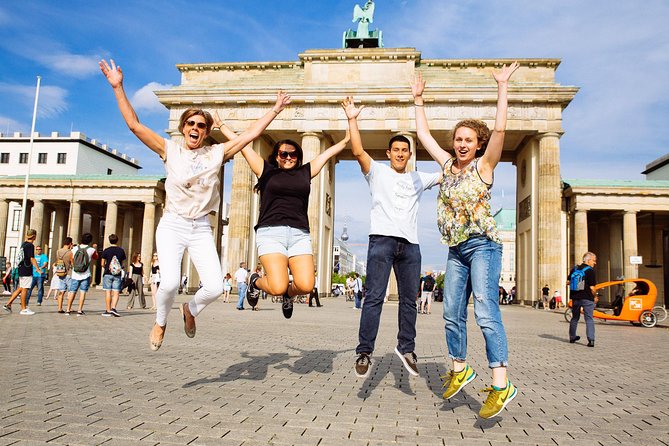
- A private guide for your exact group, with attention that doesn’t get split
- Cold War escape stories around iconic crossing points like Checkpoint Charlie and the Palace of Tears
- WWII and Holocaust landmarks on the same route, so the timeline makes sense
- Museum Island and Reichstag-area viewpoints that show how Germany rebuilt and re-framed public space
- Long-walk energy with built-in pacing, including chances to stop and reset
Private Berlin WWII and Cold War: why this walk feels personal
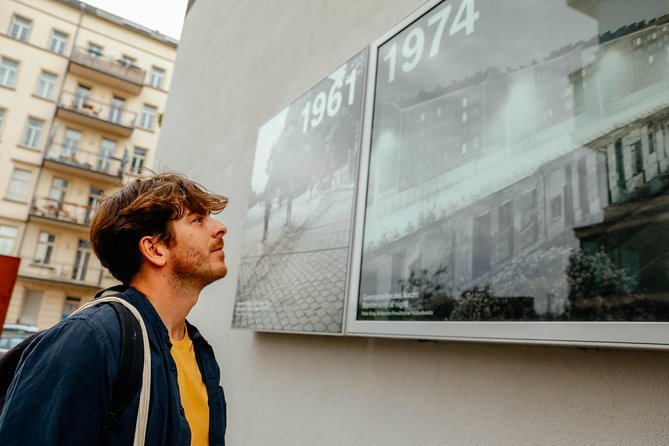
Berlin’s modern city plan can trick you. From the street, it’s easy to see only sleek renovations, new cafés, and neat streets. This tour flips that lens. A local guide connects buildings to what happened there—then explains how the city changed after the war and during the Cold War.
Because it’s private, you can ask the questions that matter to you. Want the political timeline? Great. Want the human angle—how ordinary people tried to flee, hid, or endured? You can steer the conversation. That flexibility is a huge part of the value.
Most stops are outside, so you’re not stuck hunting tickets all day. The flip side: you’ll get views and context more than a deep inside-the-building museum day. For some people, that’s perfect. For others, you might later want a museum visit on your own with a timed ticket.
You can also read our reviews of more walking tours in Berlin



Meeting on Oranienburger Strasse: starting in the real Berlin, not a tourist bubble
You meet at Oranienburger Str. 36 in central Berlin (West Berlin side), and the tour ends back at the same meeting point. That matters because you’re not spending half your time crossing town. You’re also starting in an area where Berlin’s layered Jewish, postwar, and Cold War stories are visible in the streetscape.
The tour is offered in English, and you’ll get a mobile ticket. Since hotel pickup isn’t included, plan to arrive a little early so you’re not rushing at the start. You should also expect a moderate amount of walking; one reason many people love it is you really move through the city, not just stand at a single viewpoint.
If you’re the kind of traveler who likes a plan but also likes to ask “why does this matter?”—this format fits you.
New Synagogue: Moorish architecture meets the weight of history
Early on, your walk includes the New Synagogue, where you pause to admire its striking Moorish architecture. It’s not just a pretty façade moment. Your guide ties the look of the building to Berlin’s Jewish life and the scars that followed.
Even if you’re not a history-nerd, this stop works because it’s visual. Architecture is the shorthand of survival and rebuilding. You get to see how Berlin made space for community—and how that space was threatened and then repaired.
Practical tip: this is a great spot for photos, but bring patience. Depending on the time of day and foot traffic, you may need a couple of angles to get a clean shot.
Palace of Tears: the drama of exits during the Cold War
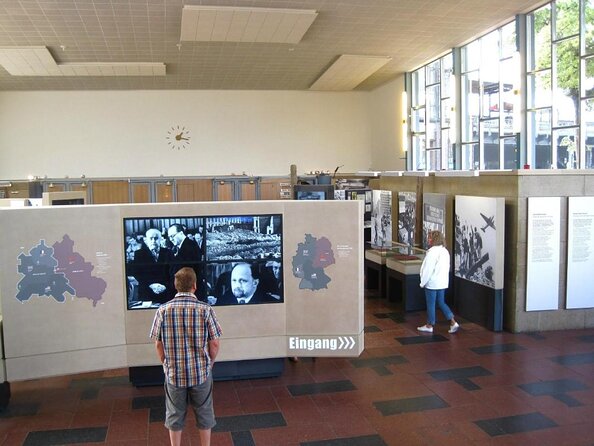
Next comes the Palace of Tears, a former border point between East and West Berlin. Names like this sound theatrical, but the stories around them are the opposite of fun. Your guide walks you through what it meant to try to cross and what pressure did to real families.
This is one of the stops where the tour’s tone changes. Earlier, you’re looking at buildings and monuments. Here, you’re hearing why the boundary mattered—and why “just a crossing” could turn into heartbreak.
If you care about how history affected daily life, this is a core reason to book.
Checkpoint Charlie: the Wall seen through the lens of everyday danger
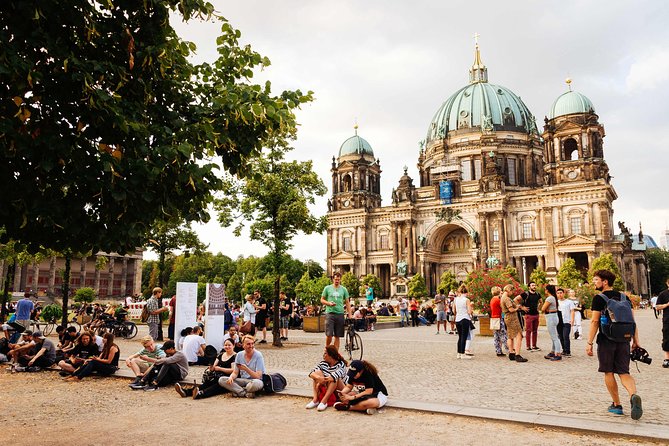
You also visit Checkpoint Charlie, the best-known Cold War crossing point between East and West Berlin. It’s a place that many people recognize from photos—but you’ll get more than the postcard version.
Your guide connects what you’re seeing to the reality of how the Berlin Wall shaped movement, information, and hope. Even the time you spend here is useful because it’s short enough that you’re not stuck, but long enough to ask questions and connect the dots.
One thing to watch: some people come expecting only a photo stop. If you go in expecting stories—how people tried to get out and what the border system meant—you’ll get a lot more out of it.
You can also read our reviews of more private tours in Berlin



Brandenburg Gate and the Holocaust Memorial: Germany’s “then” and “how to remember”
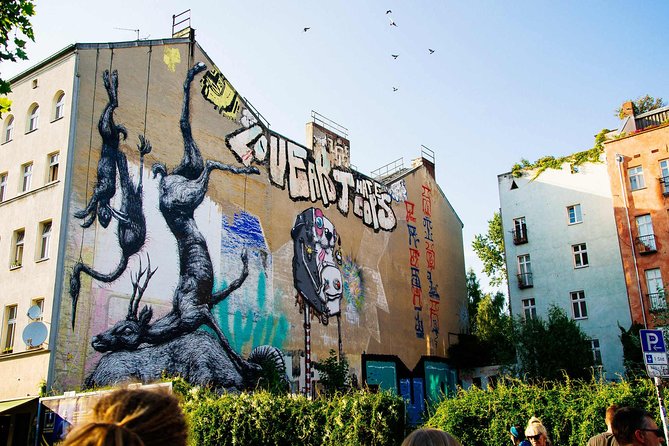
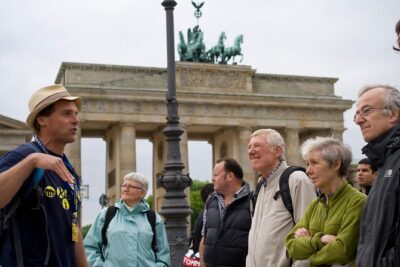
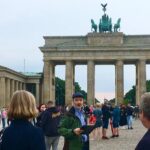
You’ll stop for photos at the Brandenburg Gate, one of Berlin’s most important historic monuments. Your guide doesn’t treat it like a statue in a plaza. Instead, you’ll hear how the meaning of landmarks shifted over time.
Then comes a heavier moment: the Holocaust Memorial. This place is designed to make you slow down. You’re reminded that the city’s WWII story isn’t only about battles—it’s about persecution, loss, and how societies process guilt and memory.
I find it’s easier to handle when a guide sets the context in advance. This tour does that—so you’re not walking into an emotional site with no framework.
For many visitors, this is the emotional high point of the walk, and it helps that the pace stays human. You’re not rushed, and you can take a minute when you need one.
Hitler’s bunker area: what Berlin looked like at the end
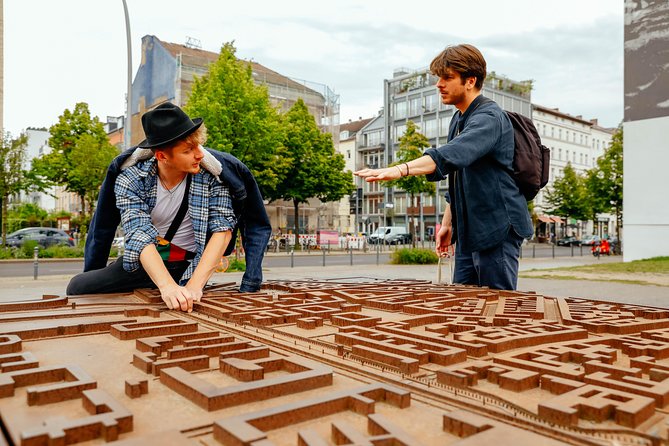
Your itinerary also includes information related to Hitler’s bunker. This is a tricky subject—one where accuracy matters and where you don’t want sensational storytelling. A strong guide keeps it grounded: why the site mattered, what led to collapse, and how Berlin’s final phase shaped what came next.
In a private setting, this stop can be one of the most educational—because you can ask follow-up questions. If you wonder about the last days, the political collapse, or how the war ended in Berlin, this is where those answers usually click.
Museum Island: seeing Europe’s museum idea take root in Berlin’s historic heart
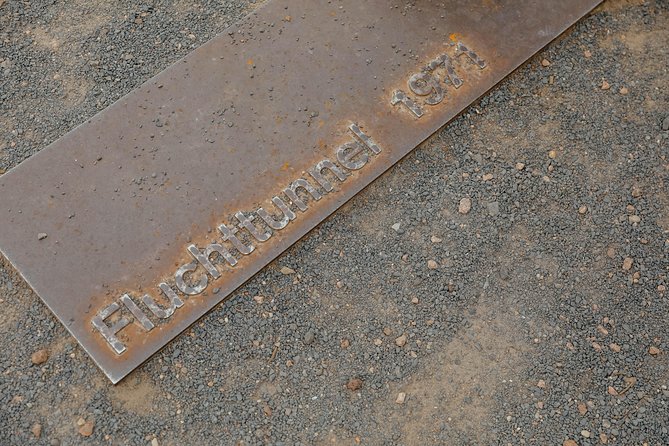
One of the tour stops is Museum Island, a museum complex on the Spree Island in Berlin’s historic core. It’s one of Germany’s most visited sight clusters and one of Europe’s major museum areas—so it’s a natural place to connect “memory” with “public culture.”
You’ll spend about 1 hour here, and admission tickets aren’t included, so expect an outside-oriented visit unless your guide builds in time based on your interests and what’s possible that day.
The value isn’t only the museums themselves. It’s the context: Berlin doesn’t hide its past, and it also doesn’t stop using the city for public learning. Museum Island is the “Germany turned the page” layer of the story.
Practical tip: if you think you might want a museum ticket later, consider bringing a backup plan. Your guide will show you the area and its relevance, but you can choose a follow-up museum visit independently.
Reichstag building: government after damage, and the politics of rebuilding
You also spend time at the Reichstag Building—a major political landmark constructed in 1894. It housed the Imperial Government until 1933, when it was badly damaged after a fire.
Even without going inside, the lesson here is powerful: this building carries the weight of regime change, destruction, and re-establishment of democratic government. You’re walking where power once looked one way—and where it had to be redefined after catastrophe.
Your stop is about 30 minutes, and admission isn’t included. That can be a good thing if you’d rather keep moving through the city than wait around.
Bebelplatz and the “architecture tells a story” lesson
Your tour includes Bebelplatz, known for impressive architecture and strong symbolism. This is one of those locations where a guide’s narrative makes your eyes start working differently.
Berlin’s rebuild isn’t just new buildings. It’s also the way squares, facades, and streets were re-framed so the city’s story could be told without ignoring what happened.
Even if you’re not a museum-person, these architecture-linked explanations help you connect the dots between WWII destruction, postwar decisions, and Cold War realities.
Pace and walking reality: what 4 hours really means on foot
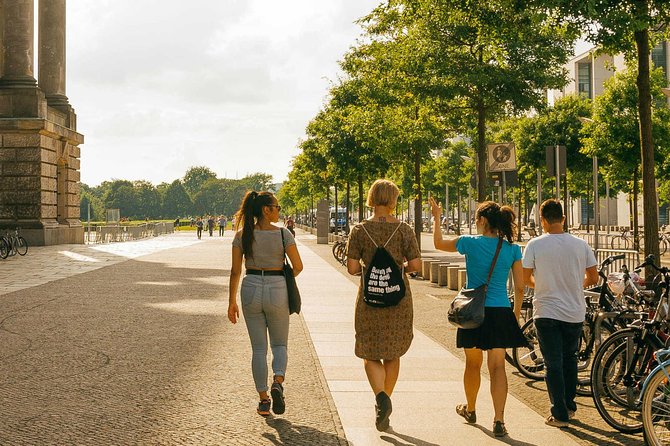
The tour runs about 4 hours (and some guides can go closer to 4.5 depending on pace and questions). You should assume a steady walking pace with stops for explanation, photos, and brief pauses.
One review-style detail that matches what I’d expect here: expect serious walking—around 15,000 steps for those who count. That doesn’t mean it’s exhausting, but it does mean you should wear comfortable shoes and plan to take breaks when offered.
If you’re traveling with kids, it may not be ideal unless you tell the guide what works for your group in advance. The subject matter is intense, and the tour is built around time for questions and discussion.
Guides and “ask me anything” energy: what makes it work
The biggest reason people rate this tour so highly is the way the guide handles questions and tailors the path. You’ll hear the story in a clear sequence, but you won’t feel trapped in a script.
Some guides people have gotten include Seth, Sara, Pablo, Boyd, Miha, and Amelia. If you connect with your guide’s style, the tour feels like Berlin’s history has a narrator who actually cares.
I also like that many guides build in practical human stuff: short refreshment breaks, bathroom stops, and small pauses so the tour doesn’t steamroll you. That can make a huge difference in an emotionally heavy itinerary.
Price and value: is $143.97 worth it?
At $143.97 per person for about 4 hours, this sits in the “private tour” tier. Here’s how I think about value:
- You’re paying for a private guide who can adapt the route when you ask for specifics.
- You’re paying for skip-the-group chaos. If you dislike hearing the same line for 40 people, the private format is the payoff.
- You’re paying for context at the right moments—where a landmark becomes understandable because it’s tied to a timeline and personal stories.
You’re also not paying for most entrances. Museum Island and Reichstag admission isn’t included, and attractions are largely viewed from the outside. That’s a smart match for the walking format.
If you’re traveling as two people, the cost can feel easier to justify because the guide time is effectively split. If you’re solo, it’s still reasonable if you genuinely want the narrative and flexibility, not just a photo route.
What to bring (and what to plan) for a WWII-focused day
This day mixes emotional sites and outdoor walks. Pack like it’s a city-walk, not a museum marathon.
- Comfortable shoes for a lot of walking
- Water and a snack plan for steady energy
- A charged phone for photos and maps
- A short list of your must-sees (so your guide customizes smartly)
And emotionally: give yourself permission to pause. The Holocaust Memorial and WWII-related stops are not “quick look” moments. If you’re the type who likes to read slowly, this tour gives you the room to do that.
Should you book this Berlin WWII and Cold War private walking tour?
I’d book it if you want a private, story-led walk that connects Nazi-era Berlin to the Cold War years in a way that makes the city feel coherent. It’s a strong choice if you like asking questions and if you want a guide to help you interpret what you’re seeing.
I’d reconsider if you only want a checklist of monuments and don’t care about context. Also, if you have very specific must-see priorities, send them at the start and keep checking that your guide is building the route around them, since the itinerary can be customized.
Overall, this is the kind of tour where good guiding changes everything. If you’re with a guide who answers well and keeps the timeline clear, Berlin history becomes readable instead of overwhelming.
FAQ
How long is the private WWII walking tour?
It’s listed at about 4 hours.
Where do you meet, and where does the tour end?
You meet at Oranienburger Str. 36, 10117 Berlin, Germany, and the tour ends back at the same starting point.
Is the tour private, or will I be grouped with other people?
It’s a private tour. Only your group participates.
What sites are included?
The tour description mentions stops and areas connected to the New Synagogue, Palace of Tears, Brandenburg Gate, the Holocaust Memorial, Hitler’s bunker information, Bebelplatz, Museum Island, Reichstag Building, and Checkpoint Charlie.
Are museum or attraction entrance tickets included?
No. Admission to attractions is not included, and you’ll generally visit from outside.
What language is the tour offered in?
It’s offered in English.
What’s the fitness level needed?
It’s recommended for travelers with a moderate physical fitness level.
Is hotel pickup included?
No hotel pickup or drop-off is included.
Is there a cancellation refund option?
Yes. Free cancellation is available up to 24 hours in advance for a full refund.