REVIEW · BERLIN
Third Reich Berlin Walking Tour with a French-Speaking Guide
Book on Viator →Operated by Vive Berlin Tours · Bookable on Viator
Hard history, explained on foot. This Third Reich Berlin walking tour uses central Berlin streets to connect Nazi policy to real places, from memorials to synagogues and detention sites. You’ll get the story in French, with enough structure to keep the timeline clear without turning the walk into a lecture.
I especially like the way the guide balances big events with human scale moments, like the resistance linked to Operation Valkyrie and later stories of rescue and survival. Another standout is the route itself: it’s built around sites you can still read in Berlin’s urban fabric, so you’re not just looking at plaques, you’re understanding how deportations and persecution worked across the city.
One consideration: this is heavy subject matter. You’ll want solid comfort with walking for about three hours and being outside in all weather, since the tour runs in every forecast.
In This Review
- Key highlights that make this tour worth your time
- What you’re really signing up for in central Berlin
- Starting at Potsdamer Platz: where the route finds its shape
- Bendlerblock and Operation Valkyrie: resistance gets real attention
- Anhalter Bahnhof: deportations start with infrastructure
- Stiftung Neue Synagoge: the Jewish community before and through the 20th century
- Auguststraße: institutions and the cruel everyday of Nazi control
- Grosse Hamburger Straße: cemetery ground and Sammellager detention history
- Museum Blindenwerkstatt Otto Weidt: the story of protection through work
- Topography of Terror: how it fits when you’ve already built the route
- Price and value: what $31.99 really covers
- How to plan your day: transport, pace, and what to bring
- Who this tour suits best (and who might want to think twice)
- Should you book this Third Reich Berlin walking tour?
- FAQ
- Is the tour in French?
- How long does the tour last?
- What is the meeting point and where does it end?
- Do I need to bring public transportation for the route?
- Are museum or attraction tickets included?
- Is there a group size limit?
- Does the tour run in bad weather?
- Is food included?
- Do I get a mobile ticket?
- What is the cancellation policy?
Key highlights that make this tour worth your time
- French-speaking guidance that keeps the timeline understandable while you move from stop to stop
- Bendlerblock and Operation Valkyrie coverage that focuses on German resistance, not only perpetrators
- Jewish quarter street-level history, including synagogue context and deportation-adjacent locations
- Otto Weidt’s museum that highlights protection and survival through small acts of courage
- Small group size (up to 24), which helps you hear the guide’s explanations as you walk
What you’re really signing up for in central Berlin
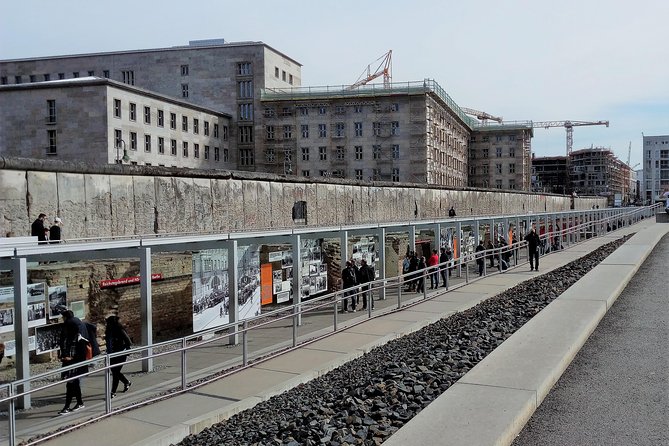
This tour is built for people who want more than a photo-stop version of Berlin’s Nazi past. The format is simple: you walk, you stop, you listen, then you keep moving. In about three hours, you cover a chain of locations that show how the regime used both institutions and neighborhoods.
A big plus is the French-language delivery. If you’re learning or you simply want the real Berlin experience in another language, this tour gives you structured context while you’re still outdoors. And because it’s guided, you’re less likely to miss what you’re looking at when you reach something that could otherwise feel like just another old building.
The tour also leans into value. Many of the stops list free admission, and the experience includes a professional guide plus local taxes, so the $31.99 price mostly reflects the expertise and organization rather than expensive add-ons.
You can also read our reviews of more walking tours in Berlin


Starting at Potsdamer Platz: where the route finds its shape
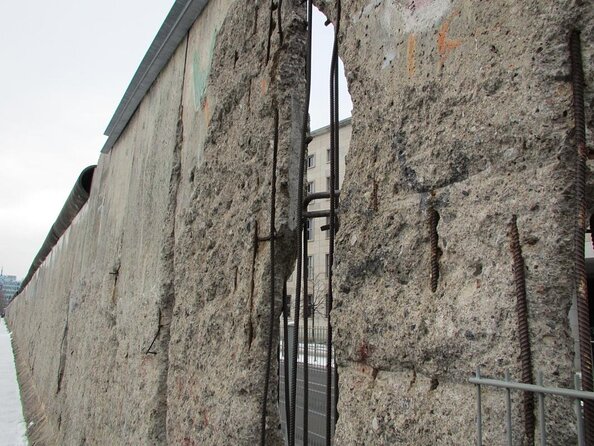
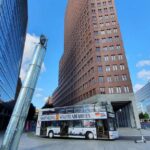
You meet at Potsdamer Platz (10, 10785 Berlin). It’s a practical start point: easy to reach, and it puts you right in the middle of the city rather than out in the suburbs. Starting here matters because it gives you a reference point before the story turns toward resistance planning and the machinery of persecution.
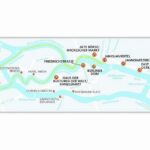
From the start, the guide sets up the geography. You’ll move from a major central area toward the Bendlerblock district, and later toward Berlin’s Jewish quarter. That walking structure helps your brain build connections fast: where one event happened in the city makes more sense once you’ve had the chance to see how Berlin’s streets connect.
Tip for your comfort: wear shoes you can trust. This is a city walk with several stops, and even though each stop is relatively timed, you’re still on your feet through the day’s rhythm.
Bendlerblock and Operation Valkyrie: resistance gets real attention
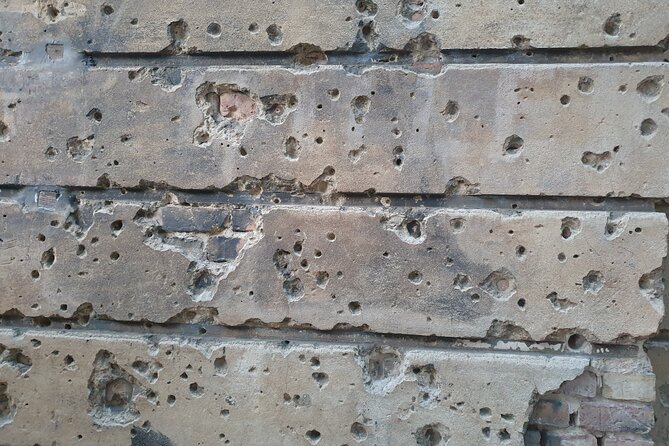
One of the tour’s strongest anchors is the German Resistance Memorial Center at the Bendlerblock. This isn’t just a memorial wall photo moment. You start by seeing a memorial linked to the American journalist Varian Fry, then you continue to the Bendlerblock memorial itself.
This location matters because it connects directly to Operation Valkyrie, the resistance plan associated with the German opposition to the Nazi regime. The memorial today honors Germans who opposed and fought against Nazism. That framing is important: it prevents the walk from becoming one-note history.
What I’d watch for here is how the guide connects the site to what was happening behind closed doors. The tour doesn’t treat resistance as vague heroism. It gives you a sense that resistance was organized, planned, and risky—something people carried out even under intense surveillance.
Stop time is about 50 minutes, and that’s enough time to read and absorb without feeling rushed.
Anhalter Bahnhof: deportations start with infrastructure
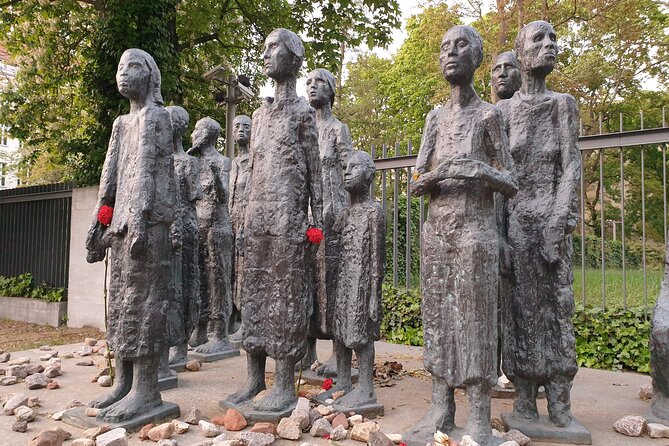
From Bendlerblock, you head toward Anhalter Bahnhof. You’ll see the ruined part of the original station, and the guide explains that it was one of the departure points for deportations of Berlin’s Jews.
This stop hits a different angle than the resistance memorial. Instead of focusing on decisions made by a small group, you’re shown the way persecution was implemented through systems—stations, schedules, and logistics. It’s one of those uncomfortable reminders that history often moves through everyday infrastructure.
A practical detail: after this, you take a train to reach Berlin’s Jewish quarter. That breaks up the walking and also mirrors the idea that these events were city-wide, not isolated to one neighborhood. Since transportation to/from attractions isn’t included, you’ll want a plan for the route you’ll use that day; a day card for zones AB is suggested.
The stop itself is about 10 minutes, so use it as a meaning-making checkpoint, not a long museum pause.
Stiftung Neue Synagoge: the Jewish community before and through the 20th century
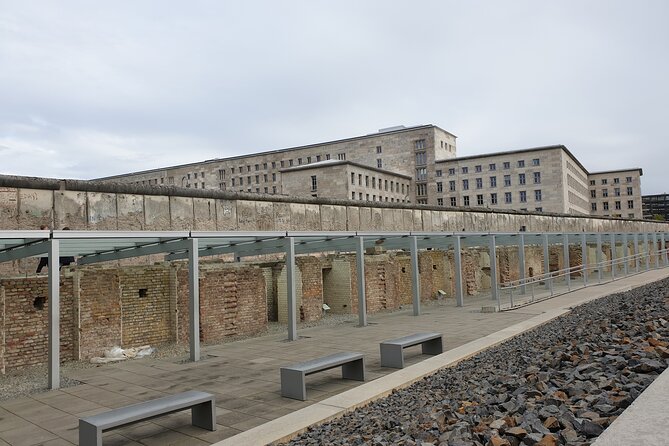
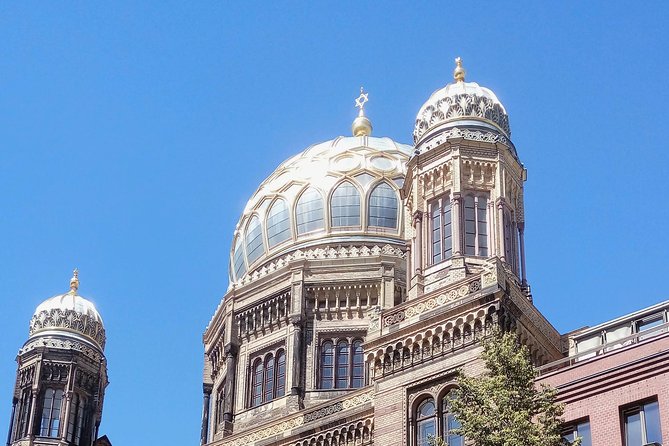
Next comes Stiftung Neue Synagoge Berlin – Centrum Judaicum. Here, the focus shifts from deportation-adjacent geography to community history. You’ll hear about the Jewish community in the 19th and 20th century, plus the history of the synagogue.
This is where the tour does something valuable: it resists flattening people into victims only. By talking about the community across time, you get a fuller sense of what was lost and how long Jewish life had been part of Berlin’s story before Nazi policies crushed it.
Stop time is around 15 minutes, which may sound short, but for this kind of contextual stop it works. You learn enough to interpret what you see next, especially when the tour continues into other street-level sites.
You can also read our reviews of more guided tours in Berlin





Auguststraße: institutions and the cruel everyday of Nazi control
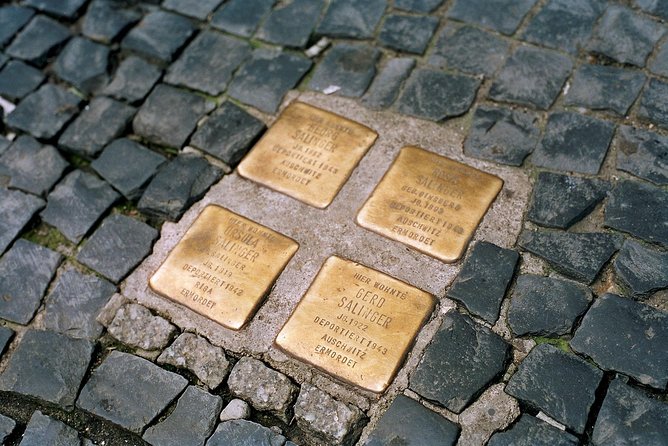
On Auguststraße, the guide explains that various institutions used to be here, including a school for Jewish girls and an orphanage during Nazi time. This part of the route is designed to show how persecution penetrated daily systems like education and child care.
The topic is painful, but the way it’s presented is what makes the stop effective. You’re not just hearing names of buildings. You’re learning how rules about identity and rights affected where children could study, where they could be housed, and what authorities decided for them.
This stop is about 20 minutes. If you’re feeling overwhelmed, that’s normal. You can take a step back, breathe, and listen for the structure the guide is using—timeline, institutions, and impact—so your mind can stay organized.
Grosse Hamburger Straße: cemetery ground and Sammellager detention history
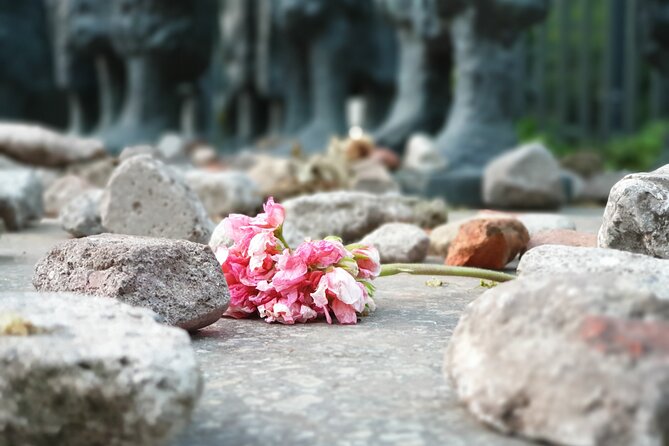
At Grosse Hamburger Straße, you’ll see two key elements. First is an old Jewish cemetery. Then you move to a “Sammellager,” the place where Jews were detained before deportation.
This stop is one of the most visually grounded on the walk. Cemeteries bring a different kind of gravity—quiet memory in a public space. The Sammellager concept adds another layer: it connects the idea of detainment to a physical place you can point to on the street.
The tour spends about 30 minutes here, which signals how much context the guide wants you to absorb. I’d treat it as your main slow-down stop of the afternoon. Look at what you’re standing near, then let the guide’s explanation connect the site to the larger Nazi mechanism.
Museum Blindenwerkstatt Otto Weidt: the story of protection through work
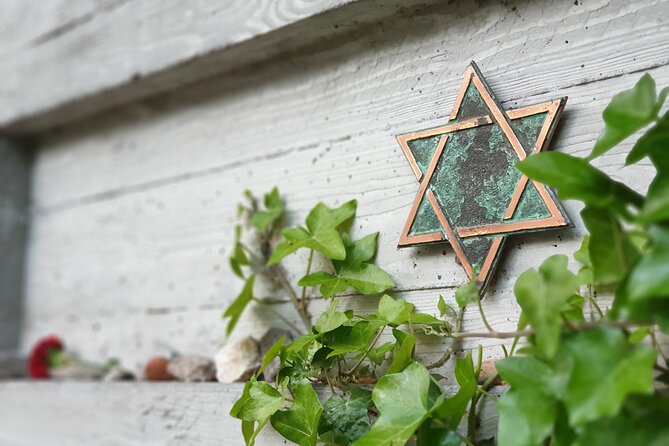
The final museum stop is Museum Blindenwerkstatt Otto Weidt. This is a standout because it brings in a story of protection and humanity, not only violence.
You’ll learn about Otto Weidt’s workshop, where he employed mainly blind and deaf Jews during World War II. The factory produced brooms and brushes. You also hear about Weidt’s attempts to protect people—an approach centered on help that could be both practical and risky.
This stop lasts about 20 minutes, but the content is dense. The museum is telling you something important: not every response to Nazi terror was only resistance with a gun. Some protection looked like jobs, daily routines, and shielding vulnerable people as much as possible.
And one detail I’d keep in mind while you’re there: the tour promises a story focused on bravery and humanity. If you’ve been carrying the heavy emotional weight from earlier stops, this can feel like the relief of understanding that people did act.
Topography of Terror: how it fits when you’ve already built the route
The overall tour description also includes Topography of Terror as part of what you’ll see as you follow the Nazi story through Berlin. Even when a site isn’t your final stop, placing it in your mental timeline is useful.
Here’s why: once you’ve already moved through resistance context, deportation-linked infrastructure, and Jewish neighborhood history, Topography of Terror can land with more meaning. You’ll be better prepared to connect what the regime did at the leadership level to what it meant at the street level.
Since this walking tour is time-limited, don’t expect a long free-form museum day. Instead, think of Topography of Terror as a reference point that reinforces what you’ve already learned while walking.
Price and value: what $31.99 really covers
At $31.99 per person, the main thing you’re paying for is guided interpretation. This is not an all-museum-ticket extravaganza; it’s a human story delivered through walking and stops, with a professional guide doing the hard work of making sense of the city’s painful record.
The tour includes local taxes and the guide. Several stops list free admission tickets, which helps keep costs predictable. What is not included is transportation to and from attractions (so you’ll want that day card for zones AB) and food and drinks.
If you like your Berlin history with context—who did what, where it happened, and how Berlin’s layout reflects power—this price feels fair. If you prefer to wander unguided with a self-made plan, then it might feel pricier than a DIY walk. But if you want the story organized for you in French, the guide time is the product.
Also note: it’s popular. On average it’s booked about 16 days in advance, so it’s smart to reserve early if you have fixed dates.
How to plan your day: transport, pace, and what to bring
The tour runs with a start time of 10:00 am and lasts about three hours. It ends near Hackescher Markt (10178 Berlin), by the station where you can catch public transit like the S-Bahn.
Because food and drinks aren’t included, I’d plan a snack for before or after. The tour schedule packs multiple stops, and you don’t want to lose focus because you’re hungry.
A second practical point: the tour works in all weather. That sounds obvious, but for Berlin it matters. Bring a rain layer or umbrella if that’s your style, and dress for cold or wet conditions so you can concentrate on the explanations rather than weather discomfort.
Finally, the tour is listed as requiring moderate physical fitness. That doesn’t mean a hike. It means you should be comfortable with walking and standing at memorial and museum entrances for the scheduled time periods.
Who this tour suits best (and who might want to think twice)
This is a great match if:
- You want Nazi-era Berlin explained with a guided plan in French.
- You care about both resistance and persecution, not only one side.
- You appreciate street-level history and want to connect it to the city’s layout.
- You like having the route structured, so you don’t have to guess what you’re looking at.
Consider a different format if:
- You’re not comfortable with emotionally heavy themes.
- You want a long museum-style pacing rather than guided walking stops.
- You don’t want to manage public transit for that one short train segment within the tour.
Should you book this Third Reich Berlin walking tour?
Yes, if you want a focused, guide-led way to understand Berlin’s Nazi-era geography in French. The best reason to book is the way the explanations seem designed to keep the story clear while still honoring the personal side of history—resistance planning at Bendlerblock, deportation context around Anhalter Bahnhof, community history at Stiftung Neue Synagoge, and the human protection story connected to Otto Weidt’s museum.
If you’re ready for a careful, respectful walk through difficult material and you can handle about three hours outdoors, this one is a strong value at $31.99—especially since multiple stops involve free admission and the tour caps groups at 24.
FAQ
Is the tour in French?
Yes. It’s a group walking tour with a French-speaking guide.
How long does the tour last?
The duration is approximately 3 hours.
What is the meeting point and where does it end?
The tour starts at Potsdamer Platz 10, 10785 Berlin, Germany. It ends next to Hackescher Markt station (S-Bahn), at 10178 Berlin, Germany.
Do I need to bring public transportation for the route?
Transportation to and from attractions is not included. The tour suggests getting a day card for Berlin public transportation for zones AB.
Are museum or attraction tickets included?
Admission tickets are listed as free for the stops included in the route.
Is there a group size limit?
Yes. The tour has a maximum of 24 travelers.
Does the tour run in bad weather?
It operates in all weather conditions, so you should dress appropriately.
Is food included?
No. Food and drinks are not included.
Do I get a mobile ticket?
Yes. The tour uses a mobile ticket.
What is the cancellation policy?
You can cancel for free up to 24 hours in advance of the experience’s start time for a full refund.