REVIEW · BERLIN
Berlin: Berlin Wall & East Side Gallery Walking Tour
Book on GetYourGuide →Operated by Real Berlin Tours @guidecris · Bookable on GetYourGuide
Berlin’s Wall still talks, in paint. This 2-hour walk connects the East Side Gallery to the big Cold War story, then lets you read the murals like you’re decoding a message. I especially love how the guide brings the politics down to street level, and how the tour works in practical photography tips so you don’t just look, you shoot better too.
For me, the standout is the balance of history and street art: you see the Berlin Wall’s meaning, then you understand why artists turned it into a public stage. The main drawback to consider is that weather and ground conditions matter a lot here, and the tour is built for people who can keep a steady walking pace for the full route.
If you’re hoping for a mostly sit-down museum experience, this isn’t it. It’s a moving, interpretive walk through Kreuzberg and Friedrichshain, with stops where you’ll pause, analyze, and take photos at specific spots. If that sounds like your kind of Berlin day, you’ll be in the right place.
In This Review
- Key Highlights You’ll Actually Feel
- A Berlin Wall Tour That Reads Like Street-Level History
- Your 2-Hour Route: East Side to Schlesisches Tor
- Berlin Wall and Berlin Wall Museum: The Anchor Points
- East Side Gallery: Street Art as Cold War Messaging
- Cengaver Katranci Memorial: A Smaller Stop With Big Meaning
- Oberbaumbrücke and the Art/Architecture Mix
- Kreuzberg and Friedrichshain: Why the Neighborhood Changes the Story
- How the Guide Helps You Take Better Photos Without Overthinking It
- Price and Value: Why $29 Can Actually Feel Like a Win
- When This Tour Works Best (And When It Won’t)
- Should You Book This Berlin Wall and East Side Gallery Tour?
- FAQ
- How long is the Berlin Wall and East Side Gallery walking tour?
- What does the tour cost?
- What languages is the guide speaking?
- Where does the tour start and where does it end?
- What should I bring for the tour?
- Is the tour wheelchair accessible, and is it suitable for everyone?
Key Highlights You’ll Actually Feel
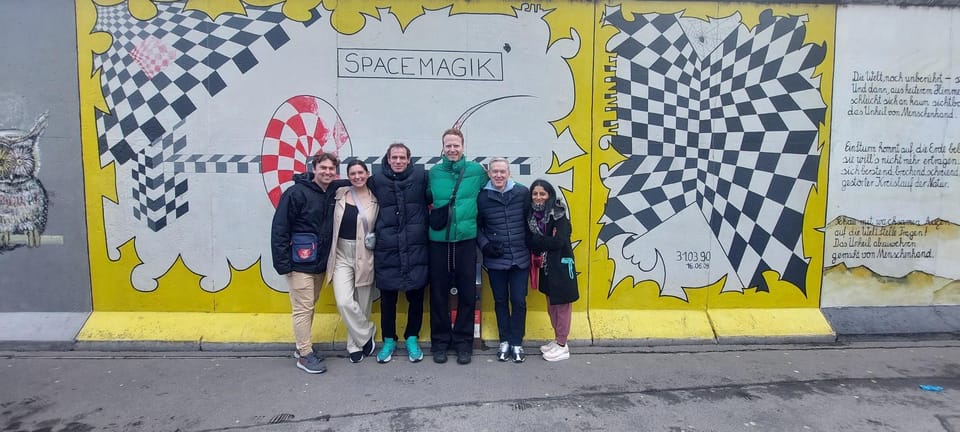
- East Side Gallery as your main classroom: you’ll study the murals’ symbolism and stories, not just admire the wall.
- Cold War context you can connect to today: the guide ties episodes of the Wall era to how society keeps echoing.
- Hands-on photo moments: you’ll get concrete photography tips and practice at specific places.
- A route that includes bridge and neighborhoods: Oberbaumbrücke plus stops through Kreuzberg and Friedrichshain-area streets.
- Art + architecture on the same walk: street art isn’t treated as separate from the city’s built environment.
A Berlin Wall Tour That Reads Like Street-Level History
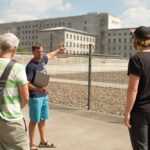
The Berlin Wall can feel like a monument from a textbook. This experience makes it human-scale. You’re walking through parts of Berlin where the Wall shaped life, then watching how artists responded once the Wall’s future changed.
What I like is the way the guide doesn’t treat the art like a decorative extra. You learn how murals communicate: through symbols, timing, and the artists’ choices. And because you’re physically moving through the neighborhood, the context sticks in your head.
This tour also gives you a practical angle. You’re not just standing and listening. You’re stopping at photo-friendly positions, getting tips, and taking pictures where the details make sense.
You can also read our reviews of more walking tours in Berlin


Your 2-Hour Route: East Side to Schlesisches Tor
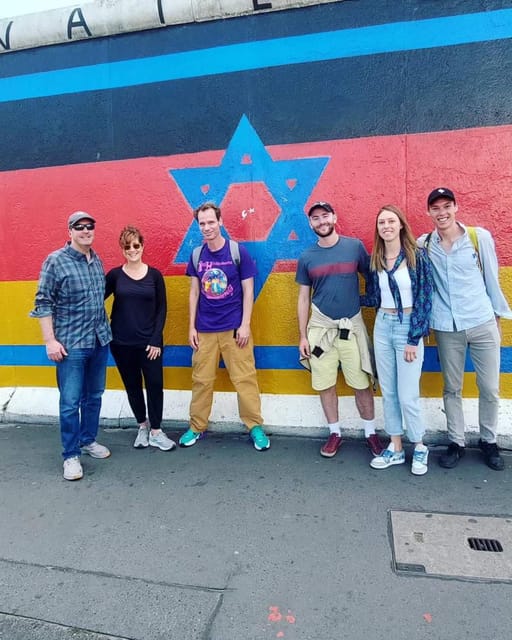
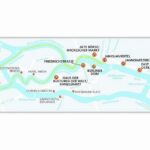
The pacing is designed to fit a short window without skipping the big anchors. You start at one of the two starting points, with East Side Bäckerei (Warschauer Str. 34-36) called out as an option. From there, you work through the Friedrichshain-Kreuzberg area, then spend focused time around the East Side stretch and its surrounding landmarks.
A typical flow looks like this: you get a short guided orientation walk through Friedrichshain-Kreuzberg, then you shift into the East Side Gallery portion for an hour of concentrated mural analysis. After that, you move toward Oberbaumbrücke, then continue through Kreuzberg, finishing at Schlesisches Tor.
Two things matter for how this feels. First, the route is short enough that you won’t feel dragged across the city. Second, each segment has a purpose, so you’re not just sightseeing the Wall in random snapshots.
If you’re very slow on your feet, you’ll want to self-check honestly before booking. This isn’t stated as a fully seated experience, and the tour includes multiple walking stretches in outdoor conditions.
Berlin Wall and Berlin Wall Museum: The Anchor Points
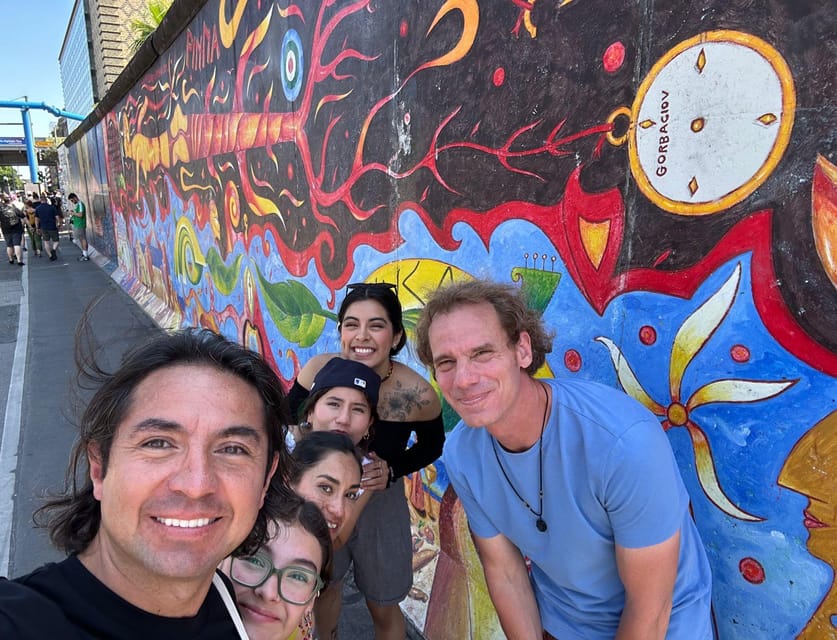
The Wall itself is the reason you’re here, and you don’t only get a view. The tour includes both the Berlin Wall and the Berlin Wall Museum, so you get a ground-floor sense of what the Wall meant and how it operated.
This is where the story starts making sense. You learn about the Wall’s history and Cold War episodes that shaped decisions on both sides. That context matters later, because the murals at the East Side Gallery aren’t created in a vacuum. They’re responses to a real political situation, with messages aimed at very specific audiences and moments.
The Museum stop also helps you avoid the common trap: seeing the Wall only as a visual icon. With museum context in the mix, you’re more likely to understand why certain themes show up in later artwork.
East Side Gallery: Street Art as Cold War Messaging
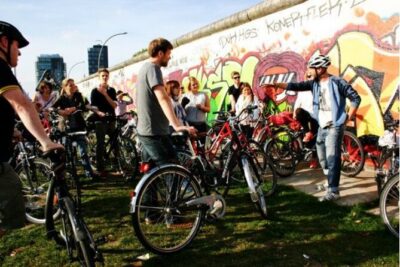
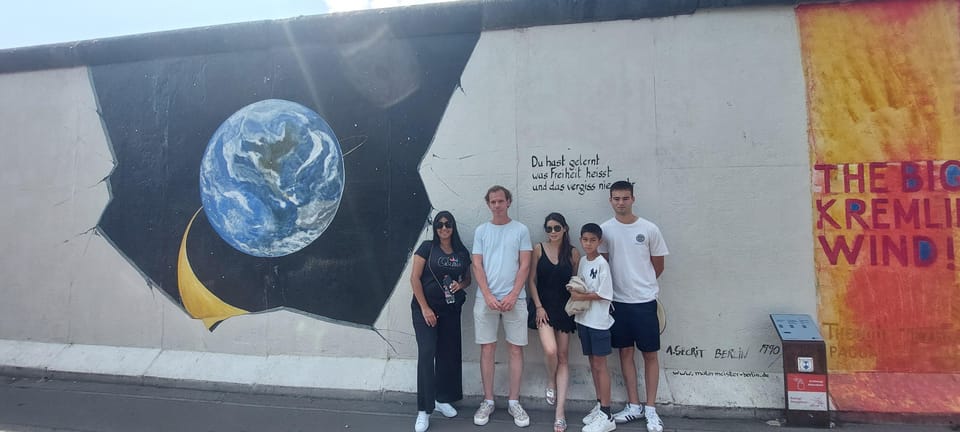
The East Side Gallery is why a lot of people come to Berlin. It’s also why this tour feels more satisfying than a generic Wall walk. The guide treats the area like an open-air archive, with the murals functioning as historical statements.
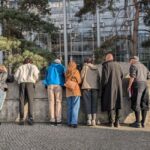
You’ll get a guided visit and discussion of the gallery, with time built in for analysis. The focus isn’t just what you see, but what the artists were doing. Symbolism, timing, and the artists’ influences come into the conversation, which turns the wall into a set of clues.
From the way the tour is described, you’ll also pay attention to the cultural legacy around the street-art scene. And since East Side Gallery is described as the largest open-air gallery in the world, it’s worth approaching it with structure, not just a quick stop.
One practical tip: bring your curiosity. This is the kind of tour where you’ll keep wanting to ask, Wait, what does that symbol mean, and why now?
Cengaver Katranci Memorial: A Smaller Stop With Big Meaning
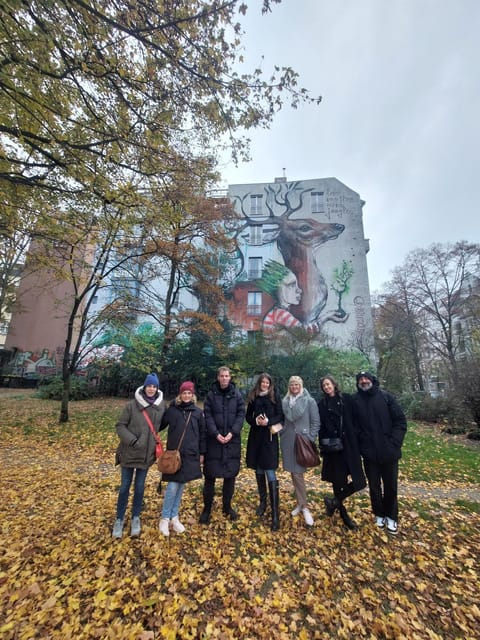
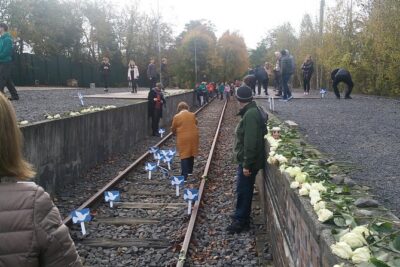
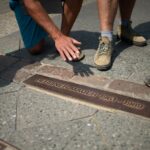
Not every major-history walk includes the quieter memorial moments. This tour includes the Cengaver Katranci Memorial, and that stop changes the tone.
Memorials like this often feel brief compared to the Wall’s dramatic scale. But they matter because they add human weight to the broader geopolitical story. When you’ve just been learning about structure, border logic, and the Cold War machine, this kind of point creates a sharper emotional focus.
If you tend to skim past plaques, I’d slow down here. Let the memorial do its job: make the history feel immediate.
You can also read our reviews of more museum experiences in Berlin

Oberbaumbrücke and the Art/Architecture Mix
Then you’re up and out toward Oberbaumbrücke, a spot where Berlin’s built environment becomes part of the story. Bridges are never just transportation. They’re also symbolism, connections, and boundaries in one frame.
The guide’s approach matters here. Since the tour blends street art, architecture, and Cold War context, the bridge becomes more than a pretty landmark. It fits into the theme: Berlin as a city shaped by separation, then by new movement once lines changed.
You’ll likely find the best photos here if you take a moment to pause and let your eyes adjust. Look for lines, angles, and how people and buildings frame the scene. That’s where the tour’s photography mindset pays off.
Kreuzberg and Friedrichshain: Why the Neighborhood Changes the Story
After the East Side stretch, you don’t just go back to generic city-walking. The tour explicitly includes time connected to Kreuzberg and the Friedrichshain-Kreuzberg area.
This is important because the Wall is only one layer of the Berlin you’re experiencing. Neighborhoods are where policy becomes daily life: streets, community identity, and what creative people choose to make visible.
Kreuzberg in particular is tied to Berlin’s cultural scene, and that connects back to what you’re learning about street art as a form of public expression. In other words, the tour isn’t only about the Wall era; it’s about what that era left behind in the city’s cultural language.
Finishing at Schlesisches Tor also gives you a sense of arrival. You end at a point that feels like you’ve crossed through a meaningful slice of town, not just completed a checklist.
How the Guide Helps You Take Better Photos Without Overthinking It
One of the most practical parts of this tour is the attention to photography. The experience includes photography scenarios and tips, plus the chance to do concrete photos at concrete places.
You’ll benefit most if you treat this as coaching, not a technical workshop. The guide’s likely telling you where to stand, what to frame, and how to make the Wall-and-mural story readable in a single image. You may also get help adjusting your approach based on what you’re seeing on the spot.
In reviews tied to this experience, the guide’s ability as an excellent photographer comes up, and that lines up with what the tour description promises. If you’re the type who brings a camera but often feels stuck in auto mode, this style is a good fit.
Also, you’ll be outside. So plan like a photographer: bring something warm, protect your gear if it’s snowing, and keep your hands workable. Cold hands make blurry shots and grumpy tourists. Nobody wins.
Price and Value: Why $29 Can Actually Feel Like a Win
At $29 per person for 2 hours, the value depends on what you want. If you’re mainly chasing quick landmarks, you could piece together a Wall-and-gallery day on your own.
But if you want structure, interpretation, and guidance at the exact moments you’re looking at the art, that’s where the money starts making sense. You’re paying for someone to connect the Wall’s history, Cold War episodes, and mural symbolism into one walking story. You’re also paying for hands-on photography guidance, which many cheaper tours skip.
The tour’s strongest value proposition is the combination: Wall context plus street-art analysis plus guided neighborhood movement, all in a compact time window.
When This Tour Works Best (And When It Won’t)
This is a great choice if you’re:
- a first-time Berlin visitor who wants the Wall story with a modern lens
- an art lover who cares about meaning, symbolism, and the artists’ intentions
- someone who enjoys learning photography basics in real situations
It’s not a great fit if you:
- need a completely flexible, stop-and-start experience
- have a physical limitation that makes a walking tour difficult (the tour description specifically says issues like broken foot are not suitable)
- have hearing loss issues, since there’s no mention of hearing support or sign language interpretation
- want a tour that’s mostly museum-style pacing
Language matters too. The guide is listed for English and Spanish, and the tour description says it’s not meant for people who can’t speak good English or Spanish.
Should You Book This Berlin Wall and East Side Gallery Tour?
Yes, if you want the Wall story explained in a way you can actually remember and if East Side Gallery feels like the core of your Berlin trip. I also think it’s a smart booking when you’ll only have a short time window, because you get multiple meaningful stops without feeling rushed through random points.
I’d say hold off if you’re fragile on your feet, need specialized accessibility support, or you’re looking for a mostly indoor, low-walking, lecture-only experience.
If you show up with decent cold-weather gear, comfortable shoes, and a willingness to look closely at art, this tour hits the sweet spot: history you can see, art you can interpret, and photos you’ll be glad you took.
FAQ
How long is the Berlin Wall and East Side Gallery walking tour?
The tour duration is 2 hours.
What does the tour cost?
The price is listed as $29 per person.
What languages is the guide speaking?
The live tour guide offers English and Spanish.
Where does the tour start and where does it end?
You’ll start from a meeting point that may vary by option, with East Side Bäckerei (Warschauer Str. 34-36) listed as one starting option. The tour finishes at Schlesisches Tor.
What should I bring for the tour?
Bring comfortable shoes and dress for Berlin weather. The tour notes warm clothing, snow clothing if needed, and thermal clothing. Use weather-appropriate clothing.
Is the tour wheelchair accessible, and is it suitable for everyone?
The tour is listed as wheelchair accessible, but it also states it is not suitable for people with hearing loss or a broken foot. It also says it is not suitable for people over 95 years.