REVIEW · BERLIN
Private Sachsenhausen Concentration Camp Memorial Tour
Book on Viator →Operated by Your Tour Berlin · Bookable on Viator
Sachsenhausen is heavy, but this helps you see why. This private 6-hour visit to the Sachsenhausen Memorial gives you a clear, guided path through a place built into the Nazi machinery. I really like that you’re not left with a pile of plaques; you get a licensed guide who explains how the camp system formed and changed over time.
I especially love the way the tour walks you through specific sites, from the main entrance tower to the execution and prison areas, and then connects those scenes to the politics of the 1930s and the shock of WWII. One possible drawback: the topic is extremely difficult, and the day moves across multiple grim buildings, so plan for a mentally taxing experience.
In This Review
- Key things to know before you go
- Why a private Sachsenhausen visit makes the day make sense
- How the tour explains the camp’s evolution across Nazi Germany
- Entering through Tower A: how the camp’s layout does the talking
- Camp infirmary and pathology building: when medicine becomes part of the system
- Station Z, the execution facility: understanding the machinery of terror
- SS and Gestapo prison: the secret police behind the walls
- The former camp kitchen exhibition: learning without turning away
- Former prisoner barrack blocks: seeing the scale of confinement
- Guide style and pacing: what makes people rate this 5 stars
- Price and value: what $390.50 buys you in practice
- Timing and walking: how to plan your day so you don’t rush it
- Getting there from Berlin: simple meeting point, no private transport included
- Who this tour suits best (and who might choose differently)
- Should you book this private Sachsenhausen Memorial tour?
- FAQ
- Is this a private tour?
- How many people can be in my group?
- How long is the tour?
- What language is the tour offered in?
- Where does the tour start and end?
- What’s included in the tour price?
- Is admission ticket included?
- Do I need public transport tickets or private transportation?
- Do I get a mobile ticket, and are service animals allowed?
- What is the cancellation policy?
Key things to know before you go
- Private, small-group format (up to 5) helps you ask questions and set your pace at a site where you’ll want time to think.
- A licensed guide trained by the Memorial Foundation connects what you’re seeing to the system behind it.
- Focus on evolution, not just dates: the tour explains how prisoner types, numbers, and nationalities shifted as Nazi control tightened.
- You’ll see the core camp “function” areas, including the execution facility and the SS and Gestapo prison.
- Admission is included for the Sachsenhausen Memorial segment, so you’re not juggling ticket logistics mid-day.
Why a private Sachsenhausen visit makes the day make sense
Sachsenhausen is not a museum you can casually breeze through. You can read the basics on your own, sure, but your brain still has to connect the dots: who was targeted first, how the camp operated, and why this site looks the way it does. A private tour helps because it turns the grounds into a timeline you can actually follow.
This is also a kinder format than a big group shuffle. With your own group only, you’re more likely to get real answers instead of a guide rushing to keep everyone moving. And since the guide is licensed and trained by the Camp’s Memorial Foundation, the storytelling comes with structure and care, not just facts.
You can also read our reviews of more private tours in Berlin


How the tour explains the camp’s evolution across Nazi Germany
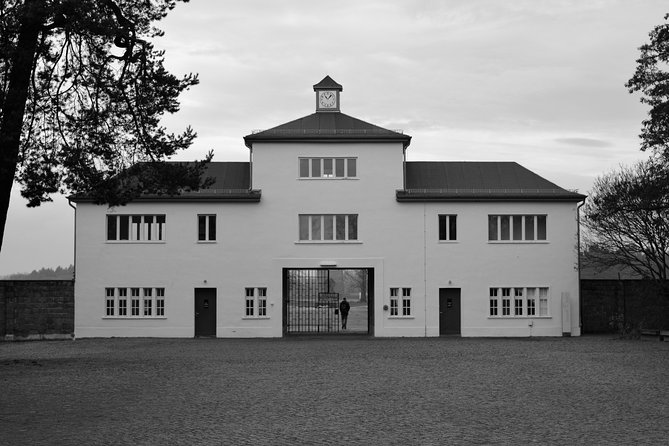
What makes this experience feel worthwhile is the emphasis on development. You’re not only looking at what happened at Sachsenhausen. You’re learning how the camp and the overall system came into being, how it strengthened, and how it adapted as Nazi rule tightened in the 1930s and expanded with WWII.
That matters because camps weren’t static. The tour’s approach helps you understand shifts in who was imprisoned and why. Instead of learning a single tragedy in isolation, you see how the machinery moved from political repression toward mass wartime brutality.
Entering through Tower A: how the camp’s layout does the talking
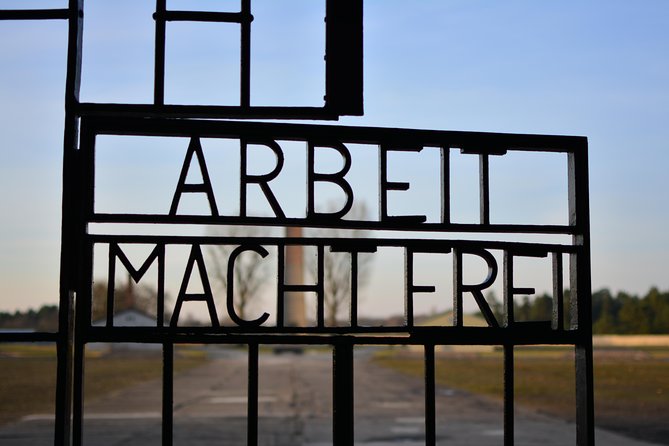
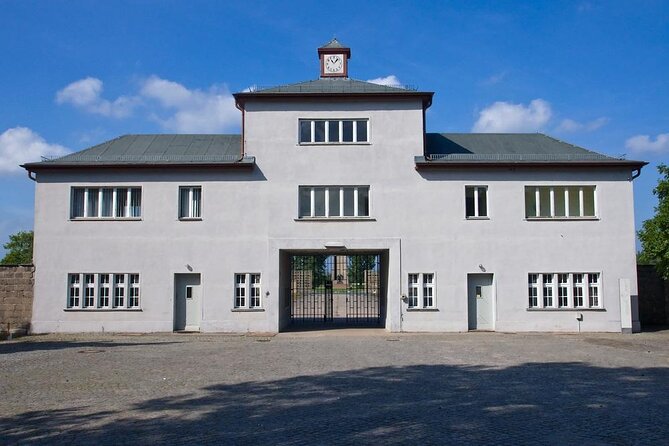
The tour starts at the Gedenkstätte und Museum Sachsenhausen, with a focus on the camp being the first purpose-built concentration camp within Nazi Germany. The stop at Tower A (main entrance) is more than a photo point. It sets the tone for how this place was designed to control people—visibly and mechanically.
From there, you get oriented to what each part of the camp was for. When you later stand in front of the execution and prison areas, the buildings make more sense because you already understand the logic of the site: surveillance, confinement, punishment, and extraction of forced obedience.
Camp infirmary and pathology building: when medicine becomes part of the system
One of the stops that hits hardest is the camp infirmary and pathology building. This is where the word medicine stops meaning what you want it to mean and starts meaning how regimes rationalize cruelty.
Even if you already know the broad history of Nazi persecution, the benefit here is that your guide connects the dots to Sachsenhausen specifically—helping you see how the camp system wasn’t only about forced labor. It included medical spaces that were part of repression and violence.
Station Z, the execution facility: understanding the machinery of terror
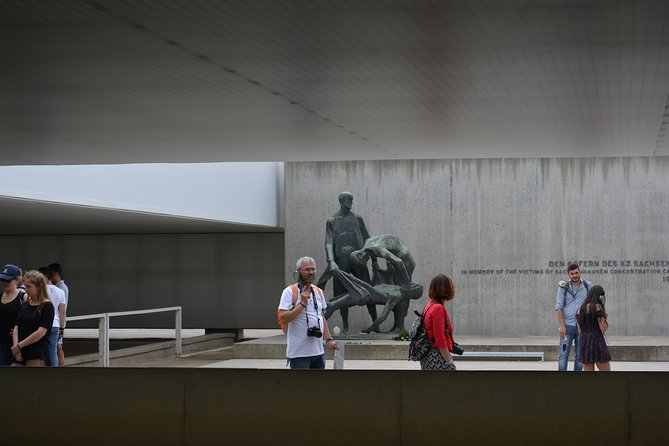
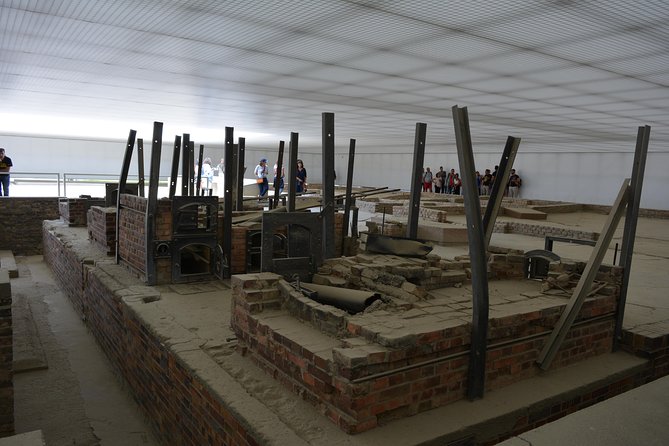
Station Z is listed as the purpose-built execution facility, and that naming is important. This isn’t vague or accidental. It’s built, planned, and integrated into the camp’s operation.
When you visit Station Z, the tour framing helps you stay grounded. You’re learning how the camp system functioned step-by-step, not just receiving a moral jolt and moving on. That makes it easier to process what you’re seeing while your guide explains the wider context of how Nazi dictatorship intensified.




SS and Gestapo prison: the secret police behind the walls
Another key stop is the SS and Gestapo Prison. This section is valuable because it focuses on the human structures of power. Camps weren’t run by abstract evil; they were run by people, agencies, rules, and enforcement methods.
If you tend to like history that explains institutions, this is where the tour feels especially solid. It helps you understand why the camp system was both a physical place and a political weapon.
The former camp kitchen exhibition: learning without turning away
The tour includes an exhibition in the former camp kitchen building. That’s a smart choice for understanding daily life and the camp’s internal rhythm, even though the subject remains grim.
A kitchen is a place of routine—food, staffing, work. In the camp context, that routine shows how persecution operated through normal-seeming systems. It also helps balance the day so you’re not only walking through spaces of punishment.
Former prisoner barrack blocks: seeing the scale of confinement
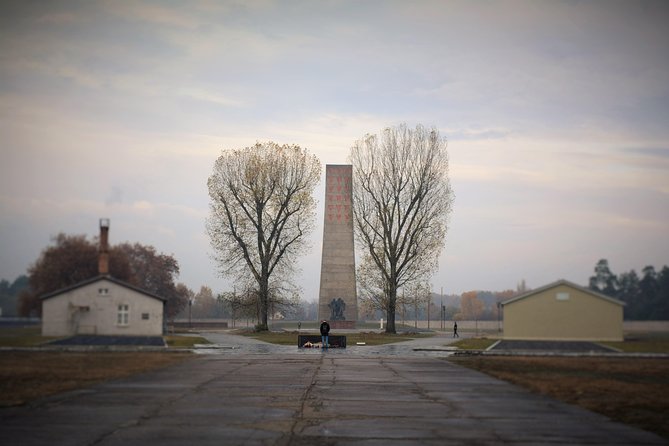
You’ll also visit the former prisoner barrack blocks. This is where the experience can become emotionally heavy fast, because barracks force you to confront scale: how many people, how tightly, and how life was reduced to survival within a cage.
The reason this works well on a private tour is pacing. You’re more likely to get time to stand, look, and let the guide’s explanation settle before you move on. The goal isn’t to rush you through pain—it’s to help you understand it.
Guide style and pacing: what makes people rate this 5 stars
A lot of the best moments of this tour come from how your guide teaches, not just what they points at. In the reviews that inspired confidence, guides such as Aaron, Paul, and Julian are praised for doing something many tours don’t: they connect Sachsenhausen to the broader political timeline.
For example, one guide is noted for setting out a politics-based timeline, which is a huge help when you’re trying to place the camp’s evolution in the larger story. Another guide is praised for being easygoing and flexible, so you can structure your visit in a way that matches your questions and your energy. If you like asking follow-ups or want context that’s more than the basics, this tour format supports that.
Also worth noting: some guides appear to build in moments for you to explore parts of the grounds on your own pace. That matters at memorials. You don’t want your entire experience dictated by a timer.
Price and value: what $390.50 buys you in practice
The price is $390.50 per group (up to 5), and it runs about 6 hours. That makes the value math straightforward if you’re traveling with 2 to 5 people—your per-person cost drops quickly within the group limit.
What you’re paying for is not just entry to a site. You’re paying for:
- a licensed, Memorial Foundation–trained guide
- admission included for the memorial portion of the visit
- a private format that supports questions and a more tailored pace
If you’re the kind of traveler who wants context—why the camp system developed the way it did—private guides can be worth every dollar because you’re buying interpretation, not just movement.
Timing and walking: how to plan your day so you don’t rush it
You’re looking at about 6 hours total. The Sachsenhausen grounds portion is described as about 3 hours, with the rest of the time used for meeting, guided movement, and wrap-up.
Because you’ll be walking between multiple key buildings and stops, you’ll want practical shoes and a plan for breaks. This is a memorial day, not a sightseeing sprint. If you build in a calmer mindset before you start, the tour feels less like information overload and more like a guided learning walk you can absorb.
Getting there from Berlin: simple meeting point, no private transport included
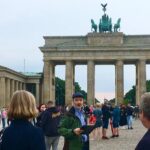
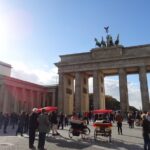
The tour meets at Academy of Arts, Pariser Platz 4, 10117 Berlin and ends back at the same meeting point. That’s convenient because you don’t have to worry about being dropped elsewhere.
Just know that public transport tickets and private transportation aren’t included. So I recommend budgeting time to get yourself to Pariser Platz and back. The good news: it’s described as being near public transportation, so you’re not stuck in a remote corner of nowhere.
Who this tour suits best (and who might choose differently)
This tour is a strong fit for you if:
- you want a clear explanation of how Sachsenhausen connects to Nazi political power and WWII
- you prefer private pacing over crowd logistics
- you’re traveling with family or friends and want a guide who can keep the learning organized
It may feel like too much if you’re looking for a light day out or a purely visual experience. This place asks for emotional attention. That doesn’t mean you shouldn’t go—it means you should go with the right expectations.
Should you book this private Sachsenhausen Memorial tour?
If you want to understand Sachsenhausen as a system—how it was built, how it worked, and how it changed—this private tour is a smart booking. The licensed guidance, the focus on key functional areas (entrance, execution, SS/Gestapo detention, medical spaces, and barracks), and the explanation of how prisoner groups and numbers shifted make the day feel structured rather than chaotic.
Book it if your goal is learning with context and enough time to think. Skip it only if you’re not ready for a deeply difficult visit or you want a minimal, self-guided experience.
FAQ
Is this a private tour?
Yes. It’s a private tour/activity where only your group participates.
How many people can be in my group?
Your group can be up to 5 people.
How long is the tour?
The tour is about 6 hours.
What language is the tour offered in?
The tour is offered in English.
Where does the tour start and end?
It starts at Academy of Arts, Pariser Platz 4, 10117 Berlin, Germany and ends back at the same meeting point.
What’s included in the tour price?
The tour includes a professional licensed guide. Admission is also included for the Sachsenhausen memorial portion.
Is admission ticket included?
Yes. Admission Ticket Included is listed for the main memorial segment.
Do I need public transport tickets or private transportation?
Public transport tickets are not included, and private transportation is not included either.
Do I get a mobile ticket, and are service animals allowed?
You’ll receive a mobile ticket, and service animals are allowed.
What is the cancellation policy?
You can cancel for free up to 24 hours in advance for a full refund. If you cancel less than 24 hours before the start time, the amount paid isn’t refunded.