REVIEW · BERLIN
Charlottenburg: 2-Hour City Walking Tour
Book on GetYourGuide →Operated by Sonderweg-Berlin · Bookable on GetYourGuide
Charlottenburg feels classy and complicated. In just two hours, you get a street-level timeline—from city hall to Charlottenburg Palace—with an expert guide who makes the neighborhood feel personal and readable. I love how the tour connects big power and formal architecture to everyday Berlin life, like the spots tied to artist Heinrich Zille. I also like the pace: it’s organized and structured, with time for questions. One thing to consider: the tour runs in German, so if you want lots of back-and-forth, you’ll enjoy it most if you’re comfortable with basic German.
What makes this walk work is the mix of sights that you might miss on your own. You’ll see medieval-era traces, 18th-century urban planning clues near Luisenkirche, preserved schoolhouses from 1786, and housing styles that still shape the streets today. Then you shift gears into Klausener Kiez life—cafés, thrift shops, and corner stores—before finishing at a palace that really shows what Prussian ambition looked like in stone.
There’s also a practical side. This is a real walking tour, rain or shine, so good shoes matter. The route is wheelchair accessible, which is a huge plus in a city where many “walking tours” quietly assume stairs and cobblestones will sort themselves out.
In This Review
- Key highlights to look forward to
- Charlottenburg’s polished streets—and why they matter
- Meeting at Rathaus Charlottenburg and getting your bearings fast
- From medieval nucleus to the old village square feel
- Heinrich Zille near the Stadtbad: art meets working-class reality
- Luisenkirche and 18th-century planning you can spot on the street
- Preserved schoolhouses from 1786 and the pre-war development story
- Klausener Kiez corners: cafés, thrift shops, and real neighborhood flow
- Villa Oppenheim and Schlossstraße as the bridge to the palace
- Charlottenburg Palace finale and the Stüler dome buildings
- Price, time, and who this 2-hour walk fits best
- Should you book this Charlottenburg City Walking Tour?
- FAQ
- How long is the Charlottenburg city walking tour?
- Where do I meet the guide?
- What language is the tour guide?
- Is the tour canceled if it rains?
- What is included in the price?
- Are museum visits included?
- Is food or drink included?
- Is the tour wheelchair accessible?
- Can I cancel for a refund?
- Can I reserve now and pay later?
Key highlights to look forward to
- Rathaus Charlottenburg start that immediately frames the area as a prosperous Berlin community
- Prussian-era landmarks tied to power, planning, and status
- Heinrich Zille motifs near the historic Stadtbad, linking art to street reality
- Urban planning markers around Luisenkirche and 18th-century development
- Charlottenburg Palace finale with dome-topped Stüler buildings along the approach
- Klausener Kiez street life in everyday blocks, not just the postcard zones
Charlottenburg’s polished streets—and why they matter
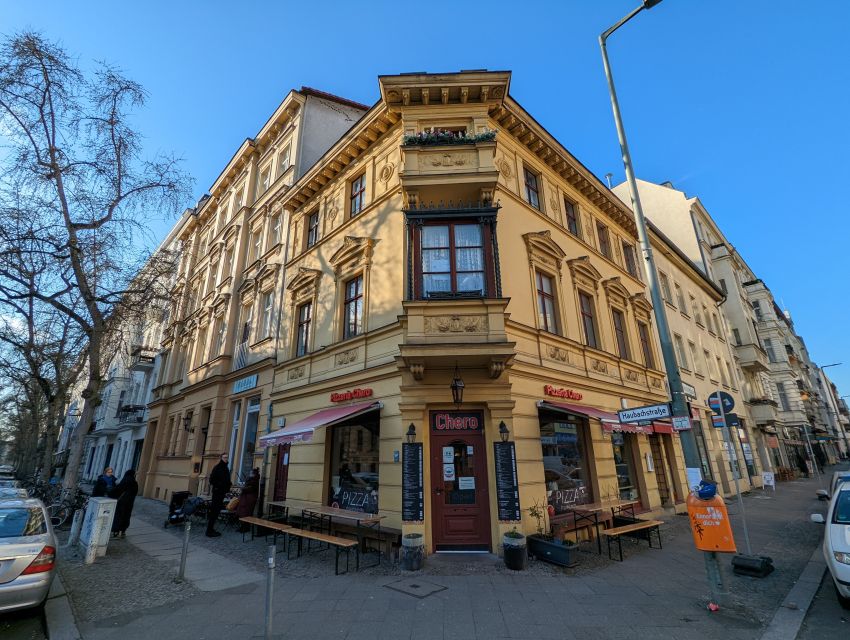
If Berlin is a city of layers, Charlottenburg is one of the easiest places to read that idea on foot. It’s opulent in places, yes, but the tour keeps you grounded in how a neighborhood actually forms: power centers, planning decisions, housing patterns, and daily errands all side-by-side.
I like that the focus is not only on the big-name attraction. You’ll spend time on the “in-between” parts—things like the medieval nucleus, old village square traces, and the kind of housing that still defines the cityscape. That’s what turns a short visit into understanding, because you start seeing how Berlin’s past survives in street form.
The guide also brings it to the present. You’ll end up in areas where locals mingle—cafés, thrift stores, and corner shops—so Charlottenburg doesn’t feel like a museum you walk through. Instead, it feels like a living neighborhood with history still written on the walls and in the street layout.
You can also read our reviews of more walking tours in Berlin



Meeting at Rathaus Charlottenburg and getting your bearings fast
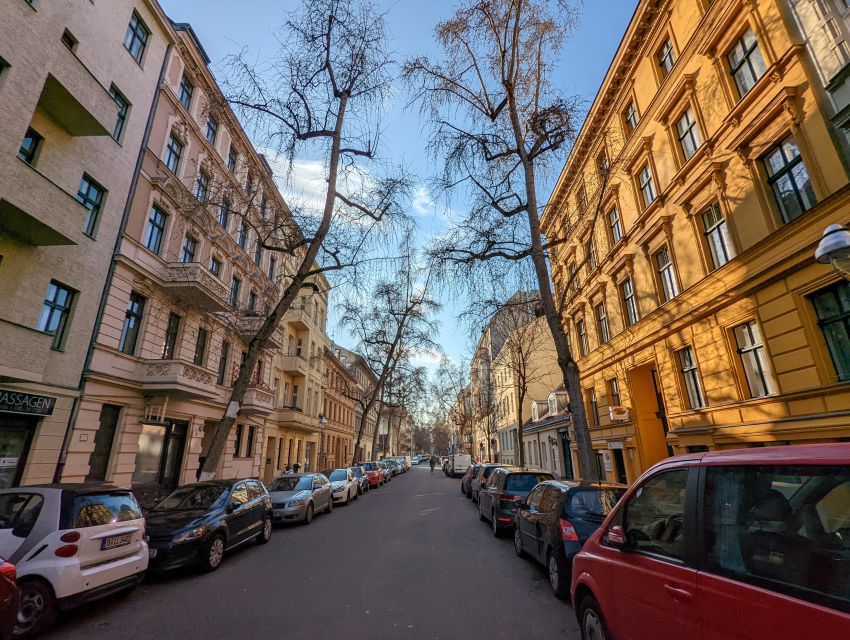
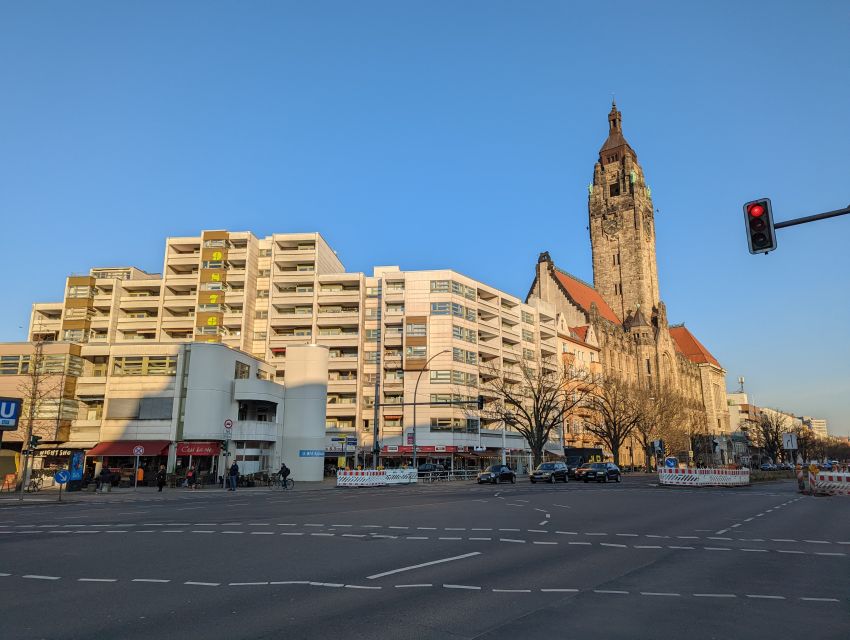
You start at the main entrance to Rathaus Charlottenburg. That matters more than you might think. A city hall isn’t just a building—it’s a symbol of local prosperity and civic identity, and it sets the tone for the tour.
From the first minutes, your guide structures the walk like a timeline. You’re not drifting. You’re moving from center to margins and back again, which helps you keep the neighborhood straight in your head. In short: you’ll leave with a map in your mind, not just photos on your phone.
Since this is a 2-hour tour, you’ll want to arrive a few minutes early so you can start on time and settle into the pace. Bring comfortable shoes, because this is built for walking, not museum roaming. If you’re thinking of tacking it onto a long day of transit, plan for the fact that your legs will get used to neighborhood walking again.
From medieval nucleus to the old village square feel
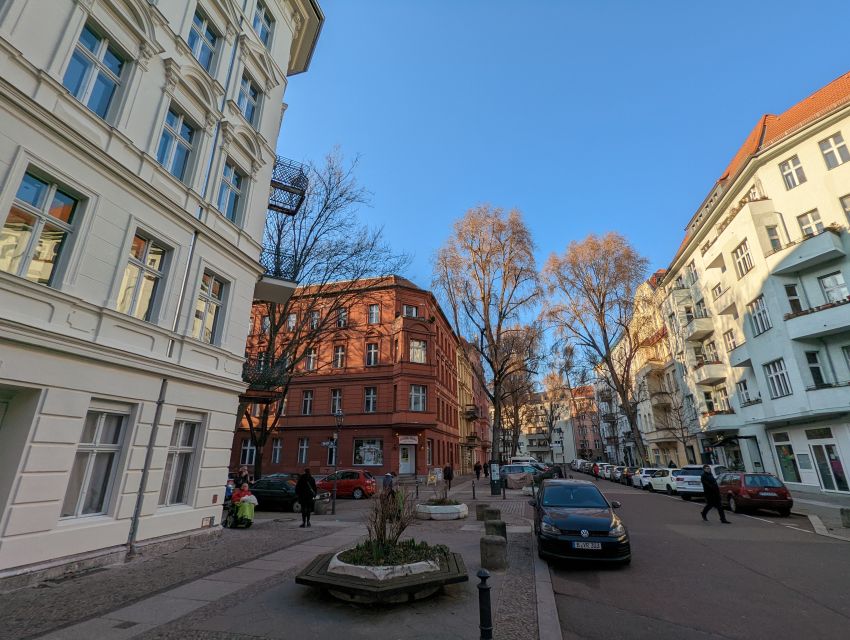
One of the best tricks in this itinerary is how it takes you from an official modern-looking start into the older core. You’ll head toward the medieval nucleus and the old village square area—places that give you a sense of how Charlottenburg began before it became the grand, Prussian-leaning district people associate with the palace.
This is where a good guide earns their fee. The buildings and street corners can look similar if you’re just scanning. With a guide pointing out what’s older, what changed, and why the streets look the way they do, you start to understand the neighborhood as a planned evolution rather than random growth.
A small drawback: because this is a walking tour with multiple stops, you won’t have time to linger at every corner. If you’re the type who loves slow reading of architecture up close, you might want to schedule additional independent time after the tour—especially near the end around the palace area.
Heinrich Zille near the Stadtbad: art meets working-class reality
A standout moment is the stop near the historic Stadtbad, where the tour connects local history with artist Heinrich Zille. You’ll hear how he found motifs for his lovingly ironic depictions of Berlin’s working class.
This part works because it shifts the storyline. The palace and formal planning can make a neighborhood feel distant. Zille’s connection brings it back to people—street life, daily rhythms, and the social world behind the grand facades.
It also helps you see Berlin as a place where different realities overlap. Charlottenburg isn’t only top-down prestige. It’s also the kind of neighborhood where artists paid attention to ordinary lives. That kind of angle gives you a more complete picture than palace-focused sightseeing alone.
If you care about art history, or you just like understanding the human side of what you’re looking at, don’t treat this stop as a name-drop. Ask questions here if your German is solid. It’s the area where a good exchange with your guide feels most rewarding.
Luisenkirche and 18th-century planning you can spot on the street
Next you move into the architectural and planning story near Luisenkirche. This is where the tour brings in 18th-century urban planning details, and that’s a big deal for anyone who likes how cities get built.
Urban planning is one of those topics that can turn boring fast—unless your guide makes it visual. Here, you’ll connect the church area and surrounding streets to the logic of how development happened. You start noticing how road patterns and building arrangements shape how people move and how neighborhoods function.
The tour also highlights architectural history so you can read the skyline instead of just staring at it. Housing style examples that still characterize Berlin’s cityscape are part of this stretch, and that helps you keep your eyes open for continuities you might otherwise miss.
One caution: don’t expect museum-style interpretation in every location. This is outside viewing and street context. If you want hands-on galleries, you’ll need separate museum time beyond this walk.
You can also read our reviews of more city tours in Berlin




Preserved schoolhouses from 1786 and the pre-war development story
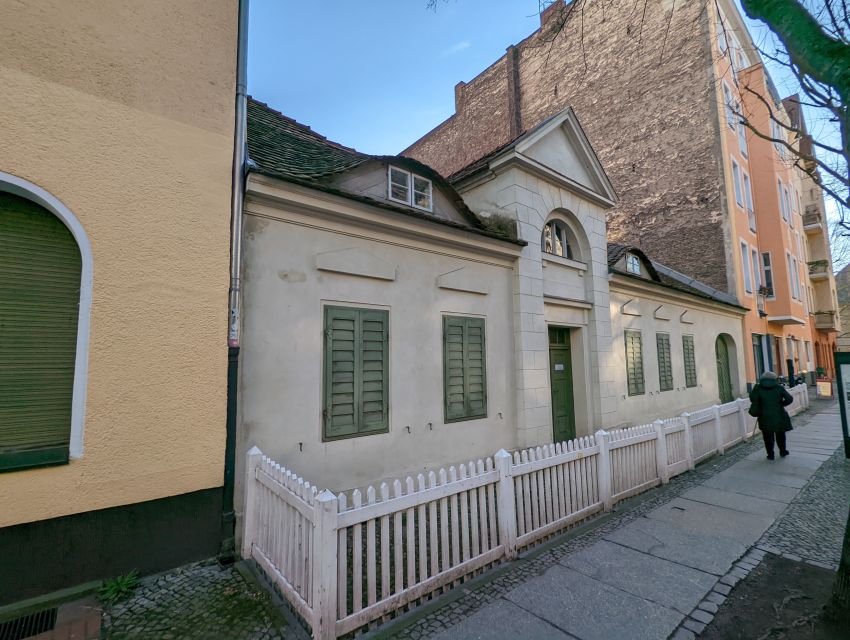
A smart stop on the route focuses on preserved schoolhouses dating from 1786, plus outstanding examples of pre-war urban development. Schools are a powerful clue in a city because they show what a community valued and who it was built for—education, stability, future growth.
This segment also helps you understand how different eras can coexist without collapsing into sameness. Berlin often looks like one city from far away. Up close, you’ll notice how structures survive across time and how urban needs shift.
I like this because it changes what you’re looking at. Instead of only chasing famous facades, you pay attention to everyday civic buildings—places that reflect planning decisions you can still see.
The practical part: this is still walking between sights, so you’ll cover a lot without stopping for long breaks. If you’re sensitive to long stretches, plan a short water pause mid-tour, maybe after a major viewpoint stop.
Klausener Kiez corners: cafés, thrift shops, and real neighborhood flow
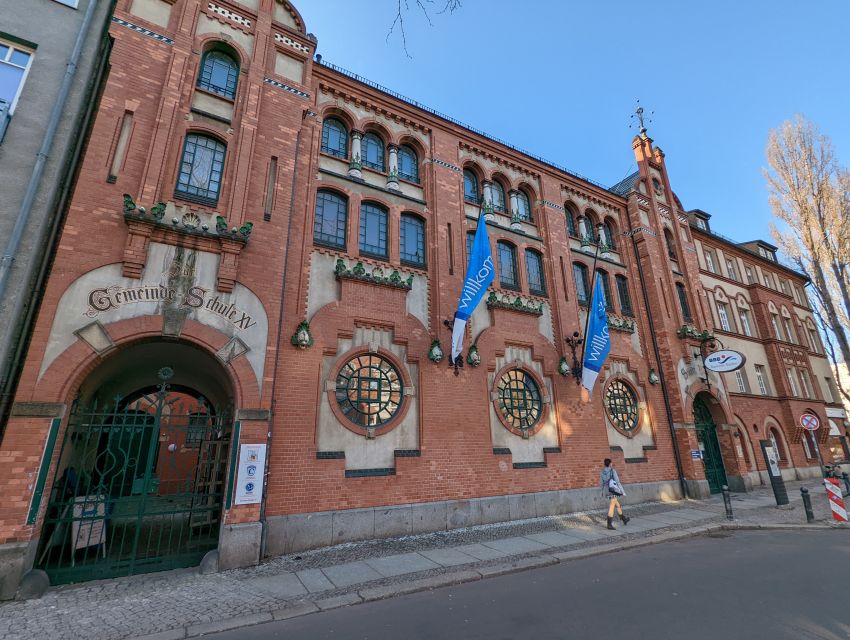
The route doesn’t only point you toward grand landmarks. You also reach a quaint neighborhood area at the corner of Nehringstraße and Christstraße, and you get a look at authentic city life.
This is where Klausener Kiez energy shows up in a grounded way. You’ll see locals mingling in cafés, thrift stores, and corner shops. It’s not staged. It’s the kind of street scene that makes you understand why neighborhoods stay alive: people keep using them.
Why I like this part: it breaks the “palace-to-palace” loop. After formal history, you’re back in modern life, so your brain doesn’t feel overloaded with dates and architecture terms.
If you want photos, this is the stretch. You’ll likely get better street shots here than at the official landmarks. And if your German helps, your guide can often point out what to notice in these blocks—so you leave with a stronger sense of how Charlottenburg feels day to day.
Villa Oppenheim and Schlossstraße as the bridge to the palace
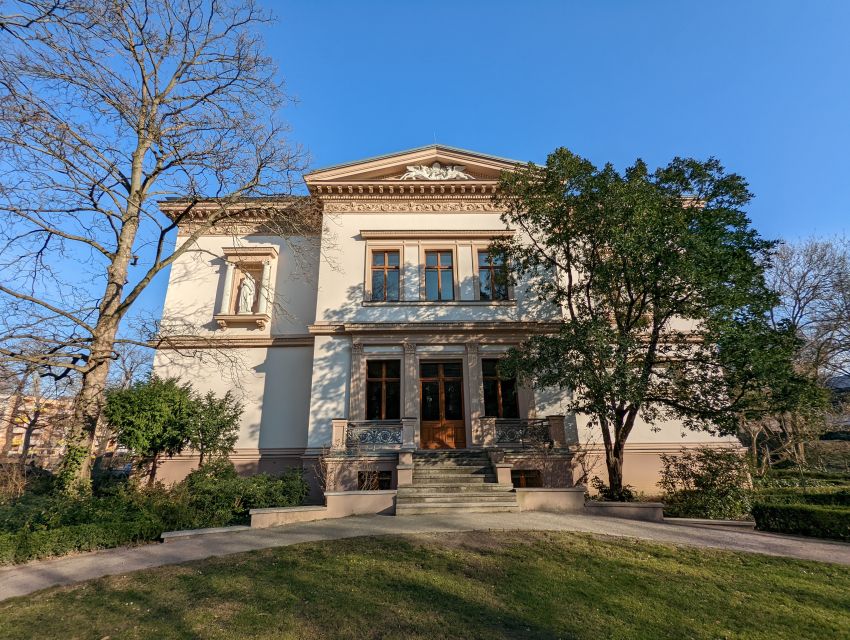
As you move toward the finale, the tour includes Villa Oppenheim and Schlossstraße, which now houses world-class museums. Even though this walk avoids full museum visits, these stops matter because they explain what the area became after Prussian prestige matured into cultural institutions.
Villa Oppenheim adds contrast. It helps you see that the neighborhood’s wealth isn’t only expressed through one mega-attraction. You’re shown different forms of status and design choices—useful if you’re trying to understand how Berlin’s elite shaped the city.
Then comes Schlossstraße. Knowing that it now connects to world-class museums changes how you view the street. You start thinking like a visitor planning a second day, not just a person who wants one photo moment.
If you’re the kind of traveler who hates rushing, this is a good point to mentally mark where you might return later for museum time. This tour won’t include those visits, so you’ll need to decide separately what you want to see.
Charlottenburg Palace finale and the Stüler dome buildings
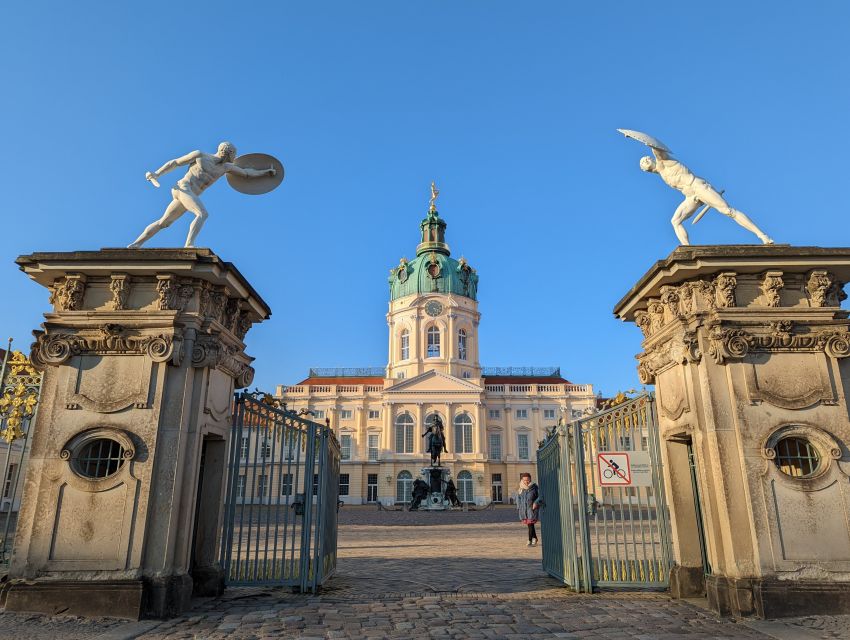
The tour ends at Charlottenburg Palace, lined with magnificent dome-topped Stüler buildings along the approach. This is the payoff: the big statement of Prussian power, now packaged into one of Berlin’s most opulent destinations.
Finishing here makes sense. The earlier stops teach you how the neighborhood grew and what shaped it. Then the palace lands like a conclusion you can actually feel—because you’ve already learned what kind of environment created this kind of grandeur.
The dome-topped Stüler buildings are worth paying attention to as you approach. They give the palace area a visual rhythm and help you understand that the palace isn’t isolated. It’s part of an ensemble.
A practical consideration: since this is the last stop, you’ll likely be a bit tired. Don’t let that stop you from looking around. Take a moment to scan the surrounding structures and notice how the street approach frames the palace. That framing is often what people miss when they rush straight to the main view.
Price, time, and who this 2-hour walk fits best
At $23 per person for a 2-hour guided walk, you’re paying for more than a stroll. You’re paying for an expert museum professional leading you through a tight route where interpretation is the main product.
That’s good value if you want context without committing to a full day. You’ll cover a wide slice of Charlottenburg: civic start point, medieval traces, art connection via Heinrich Zille, 18th-century planning near Luisenkirche, preserved schoolhouses from 1786, street life around Klausener Kiez, and then the palace finale.
It’s especially worth it if you:
- Like understanding how cities work, not just collecting sights
- Want a guided answer to why this neighborhood looks the way it does
- Prefer walking tours with a clear storyline rather than random stops
- Are comfortable with German (the live guide is in German)
It may be less ideal if:
- You need nonstop museum-style access, because museum visits are not included
- You want a lot of slow time at each location, because the structure is built for covering multiple sites in 2 hours
- Your German is limited and you expect complex discussion throughout the route
Weather-wise, plan for rain or shine. Bring weather-appropriate clothing, and accept that you’ll still be walking. You’ll enjoy it more if you dress for comfort rather than appearance.
Should you book this Charlottenburg City Walking Tour?
Book it if you want a smart, street-level introduction to Charlottenburg that connects big landmarks to how neighborhoods actually function. The strongest reason is the balance: grand palace energy paired with working-class context near Heinrich Zille and everyday life in Klausener Kiez.
Skip it or think twice if you primarily want museum entry and indoor time, because the tour does not include museum visits or food and drink. Also, if German is a deal-breaker for you, check whether you can follow a guided explanation in that language.
If you’re aiming for a first look at Charlottenburg that gives you a map of the story in your head, this 2-hour walk is an efficient way to do it—then you can choose what to return to on your own.
FAQ
How long is the Charlottenburg city walking tour?
It lasts 2 hours.
Where do I meet the guide?
Meet your guide right in front of the main entrance to Rathaus Charlottenburg.
What language is the tour guide?
The live tour guide speaks German.
Is the tour canceled if it rains?
No. This tour takes place rain or shine.
What is included in the price?
You get a guided tour led by a professional museum expert.
Are museum visits included?
No. Museum visits are not included.
Is food or drink included?
No. Food and drink are not included.
Is the tour wheelchair accessible?
Yes, it is wheelchair accessible.
Can I cancel for a refund?
Yes. You can cancel up to 24 hours in advance for a full refund.
Can I reserve now and pay later?
Yes. The option to reserve now and pay later is available.