REVIEW · BERLIN
Private Berlin City Center Walking Tour
Book on Viator →Operated by Nadav Tours - Gablinger Berlin Tours · Bookable on Viator
Berlin makes more sense with a human guide. This private walk strings together Berlin’s big-name sights into a single, easy-to-follow story, with your guide explaining why each place matters and how people have interpreted it over time. You also get hotel pickup so you can start without the usual hunt for where to meet.
What I like most is the hotel-lobby meet-up. You don’t have to decode meeting-point pins while also trying not to get lost in central Berlin. Second, I love that the itinerary is flexible, so your guide can pace the day around your interests rather than forcing everyone through the same rigid script.
One consideration: it’s a busy 4-hour run with many stops, and most are brief. If you want long sits, deep museum time, or detailed inside access, this walk is probably not your only plan.
In This Review
- Key highlights worth planning around
- Hotel pickup and a route that starts where you are
- What this 4-hour walk is really trying to do
- Brandenburg Gate to the Reichstag: symbolism you can recognize later
- The Holocaust Memorial and Fuhrerbunker: hard context in short, guided stops
- Topography of Terror, the Berlin Wall piece, and the Aviation Ministry story
- Checkpoint Charlie to Unter den Linden: Cold War markers to grand avenues
- Neue Wache to Museum Island: remembrance and museums you can place on a map
- Price and value: what you’re paying for in a private format
- Should you book this Private Berlin City Center Walking Tour?
- FAQ
- How long is the private walking tour?
- What is the price for this tour?
- Is it offered in English?
- Do we get hotel pickup?
- Where does the tour start?
- Does the tour include admission tickets?
- What’s included and what’s not included?
- What if plans change and we need to cancel?
Key highlights worth planning around
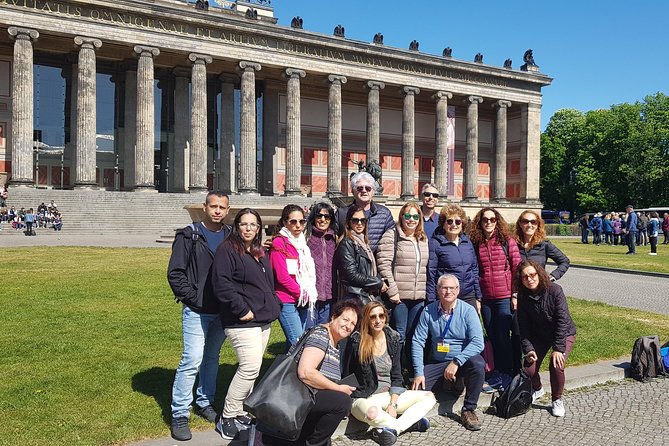
- Hotel pickup from your lobby: start easy, walk smarter.
- A tight city-center circuit: major landmarks plus the meaning behind them.
- Interpretation-focused stops: you’ll hear more than dates and names.
- First-time-friendly pacing: enough context to orient you fast.
- Private group size up to 15: more control than a big group bus tour.
- English guide: one clear voice telling the story as you go.
Hotel pickup and a route that starts where you are
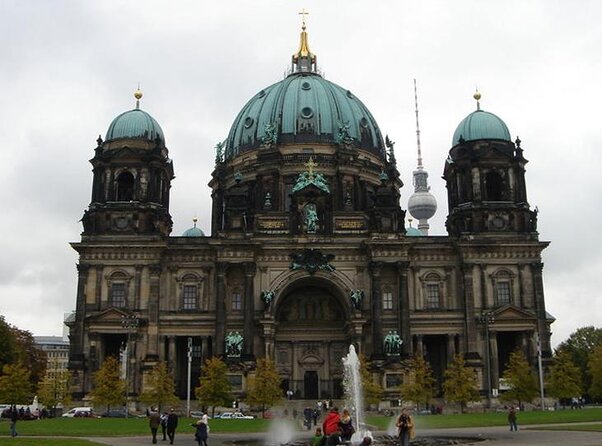
This is a private Berlin city-center walking tour built for people who want answers fast. You’re not wandering around guessing what you’re looking at. Instead, you’re met at the lobby of your hotel, and the tour returns to the meeting point after the walk.
The meeting point is Scheidemannstraße 5, 10557 Berlin. You’ll also have a mobile ticket, and the tour is offered in English. It runs daily from 8:00 AM to 8:00 PM, and it’s designed to fit most people’s energy levels—just come ready for a lot of walking and short stops.
A useful detail here: at each stop, there’s no paid admission mentioned. That matters because it keeps your time focused on the guide’s explanations instead of waiting for tickets. You’ll still want to plan for your own snacks and drinks, because food and drinks aren’t included.
You can also read our reviews of more walking tours in Berlin



What this 4-hour walk is really trying to do
The best way to think about this tour is as an orientation course with teeth. In about four hours, you’ll see a wide slice of central Berlin: iconic government-era landmarks, major memorial sites, Cold War markers, and “you can’t miss it” museum-area scenery. The goal is not to cover everything. The goal is to give you a mental map so you understand why Berlin’s famous sights feel the way they do.
Your guide does that by connecting each place to what happened around it—then adding how later generations have read the same site. That’s especially important with Berlin’s memorials, where interpretations can vary based on politics, memory, and the era doing the remembering.
You’re also getting a private format for up to 15 people. That’s a sweet spot: large enough to feel lively, but still small enough for the guide to adjust pace and attention. If you have mixed ages in your group, the short stop timing can actually work well, since everyone gets a clear “see this, understand this, move on” rhythm.
Brandenburg Gate to the Reichstag: symbolism you can recognize later
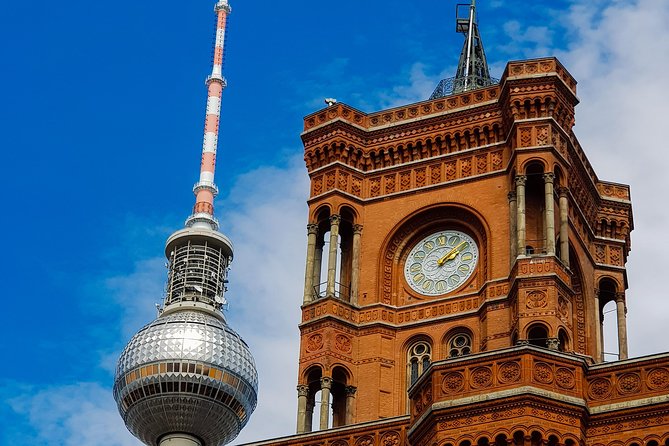
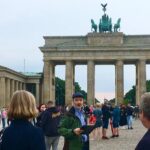
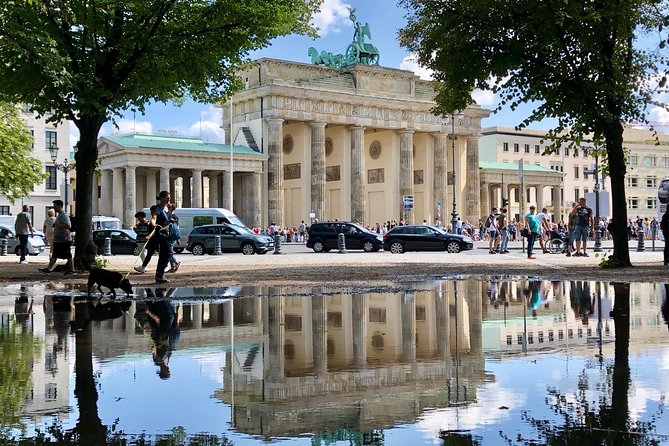
Your walk begins at the Brandenburg Gate. You’ll see it and talk through its history and significance. The practical value here is simple: after the guide’s explanation, you’ll recognize how this landmark gets used in modern Berlin storytelling—by politicians, by visitors, and by the city’s own public memory.
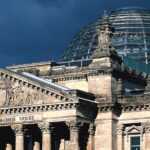
Next comes the Reichstag Building. You’ll view it and discuss its history over the years. This is where the tour starts doing more than sightseeing. Even if you only have a little time in Berlin, understanding how these power-and-government landmarks evolved helps you read the city rather than just photograph it.
A small tip for you: when stops are short, don’t try to memorize every date. Instead, aim for one takeaway per stop: what this place symbolizes, and why Berlin treats it as important.
What might feel like a drawback: because each of these segments is brief, you’ll only get the main thread. If you’re the type who wants to spend an hour inside a building, you’ll want to add that separately after the walk.
The Holocaust Memorial and Fuhrerbunker: hard context in short, guided stops
The tour then moves to the Holocaust Memorial, the Memorial to the Murdered Jews of Europe. You’ll walk through it and discuss its significance, including the context in which it was built and different interpretations of what it means. This is one of the most emotionally heavy stops on the route, so the time limits make the guide’s framing even more important. You get a way to process what you’re seeing without needing to research for days first.
From there, you head to the Fuhrerbunker, the place associated with Hitler’s bunker. The discussion covers the events of the last days of the war, including whether Hitler did or did not commit suicide.
For many people, the value of a guided walk here is not shock or spectacle—it’s clarity. The guide’s job is to help you connect the site to the end-of-war context and to separate rumor-like narratives from the way history is discussed in Germany today. You can then decide what additional reading you want later.
If you’re sensitive to dark history, plan your day so you’re not rushing straight into a big dinner reservation afterward. A few quiet minutes after these stops can help the information settle.
Topography of Terror, the Berlin Wall piece, and the Aviation Ministry story
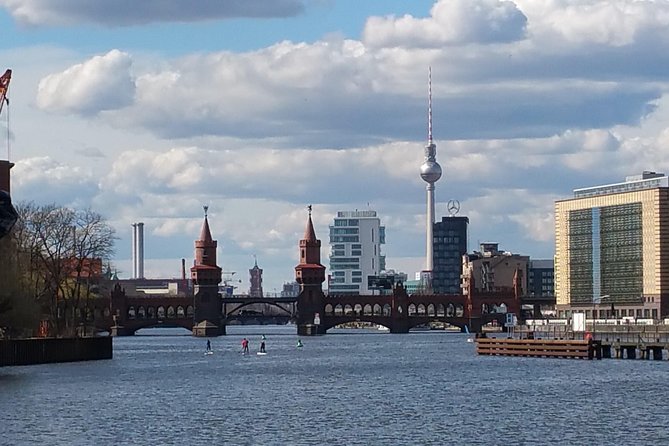
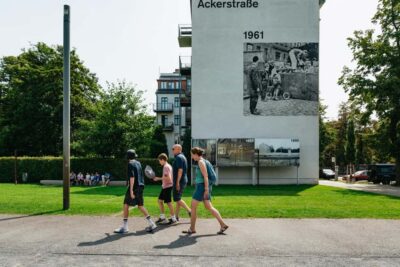
Next up is Topography of Terror, where you’ll see an original piece of the Berlin Wall and discuss how it came up. You’ll also cover the background behind the division of Berlin and Germany after WWII. Then you’ll return within the same stop area for more site-focused discussion—two segments that help the guide slow down the story from different angles.
Why this works: Berlin’s division can feel abstract until you see physical evidence and hear how the city’s geography connected to postwar politics. The tour uses the wall piece as an anchor, then explains what led to the separation and what shaped life on either side.
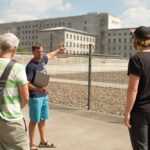
After that, you’ll discuss the Aviation Ministery of Berlin, including that it was built as Herman Göring’s Aviation Building and later served as a House of Ministries under the GDR (East Germany) government. Even if you don’t know anything going in, this is a powerful example of how the same structures can be repurposed—and how different regimes leave their stamp on architecture.
What to look for: even without going inside, pay attention to how the guide connects buildings to political power. In Berlin, the “why” is often written into the walls, not just the plaques.
You can also read our reviews of more city tours in Berlin





Checkpoint Charlie to Unter den Linden: Cold War markers to grand avenues
Checkpoint Charlie is one of the quickest ways to understand Berlin’s Cold War role. You’ll see the site and move on with context from your guide, so it doesn’t become just a photo stop. The value is that you understand it as part of the wider system of division, not as an isolated tourist marker.
Then the route shifts toward city-center grandeur with Gendarmenmarkt. You’ll see the site and keep your momentum going. After memorials and wall-related history, it can feel like a change in gear, but that’s actually useful. Berlin needs those contrasts. The city doesn’t live only in the past—it layers memory on top of daily life.
Next is Bebelplatz. You’ll see the square and discuss the events connected to it. Then you’ll head to Unter den Linden to see the avenue. These two stops give you a sense of how Berlin’s cultural and civic spaces sit alongside the political story.
Practical pacing note: because the stops are short, this segment is best for people who want a coherent “walkable highlights with meaning” day. If you prefer slower browsing, you may want to give yourself time after the tour to circle back to the squares or avenues that grab you.
Neue Wache to Museum Island: remembrance and museums you can place on a map
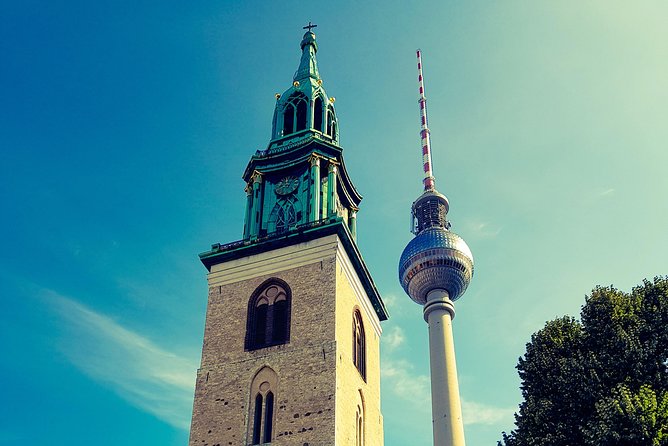
The final stretch leans heavily into remembrance and Berlin’s major museum settings. First is Neue Wache, Berlin’s central memorial for all victims throughout German history. You’ll discuss when and in what context the building was built, and how each regime used it for its own purposes. The stop also raises the complexity of German remembrance given the country’s difficult history.
This is another moment where interpretation matters. You’re not only looking at a memorial—you’re learning how memorial language changes when governments change, and how a building can take on new meaning as history moves.
Then you’ll move to Deutsches Historisches Museum. You’ll discuss the history of the building and its architecture. After that, you’ll stop at Lustgarten to discuss the history of the site, and then continue to Humboldt Forum im Berliner Schloss to discuss the history of the Berlin City Palace.
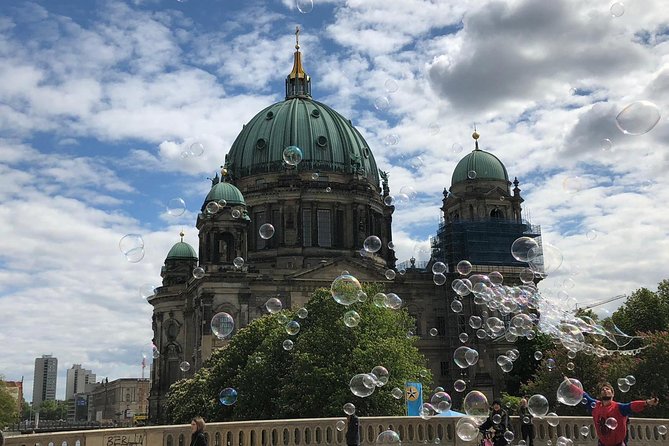
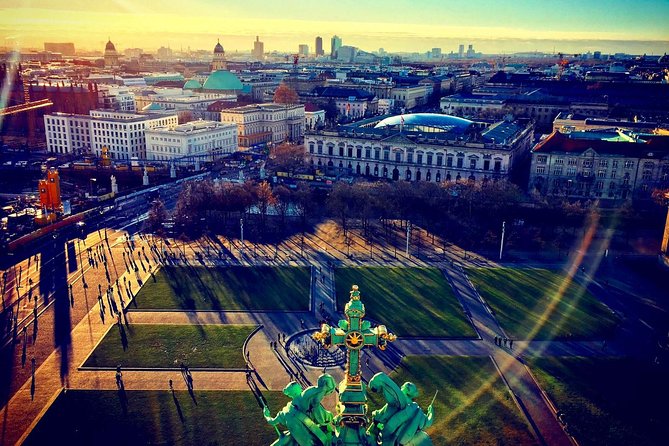
From there, you’ll see Berliner Dom and discuss the history of the site. Finally, you’ll reach Museum Island and see the area while discussing its history.
Why this ending feels satisfying: by the time you’re standing in the museum zone, you’ve already built context about power, division, and remembrance. The guide’s explanations help the museum area feel connected to the rest of Berlin, not like a separate sightseeing district.
If you’re the kind of person who likes museums but doesn’t want to plan too much, this can be a great “orientation first” move. You’ll leave knowing which spots you’ll want to revisit on another day.
Price and value: what you’re paying for in a private format
At $397.38 per group (up to 15) for about four hours, the headline number can look high if you think like a solo traveler. But think in group terms: you’re paying for a private guide plus all fees and taxes included.
The real value is time + coherence. With 17 stops across major Berlin sites, you’re getting a guided narrative that helps you understand what you’re seeing without spending your whole trip reading apps or maps. And because your guide meets you at your hotel lobby, you’re buying back the mental energy of figuring logistics on day one.
This tour tends to get booked about 41 days in advance on average, which is a sign people plan their Berlin schedule early. If your dates are fixed, don’t wait until the last minute.
Who it suits best:
- First-time visitors who want a fast orientation to Berlin’s most famous places
- People short on time who still want meaning behind the photos
- Groups that want flexibility and a guide who can adjust pace
Who might want another option:
- Anyone who wants long museum visits as part of the core plan
- People who dislike quick outdoor stops and prefer one site at a time
Should you book this Private Berlin City Center Walking Tour?
Yes, if you want a guided “big-name Berlin, explained” day with hotel pickup and a narrative that connects government sites, memorials, Cold War history, and the museum area. It’s also a strong choice if you like the idea of hearing different interpretations rather than just collecting dates.
Hold off or pair it with other plans if you know you’ll want extended time inside buildings or deep museum hours. This walk is designed for context and orientation, not for replacing the slower, single-site experiences.
If you’re trying to get the most out of a short Berlin stay, this one is easy to recommend.
FAQ
How long is the private walking tour?
It runs about 4 hours.
What is the price for this tour?
The price is $397.38 per group (up to 15 people).
Is it offered in English?
Yes, the tour is offered in English.
Do we get hotel pickup?
Yes. The guide picks you up from the lobby of your hotel.
Where does the tour start?
The tour starts at Scheidemannstraße 5, 10557 Berlin, Germany.
Does the tour include admission tickets?
The tour information lists all stops with admission tickets as free.
What’s included and what’s not included?
Included are all fees and taxes and an expert private guide. Not included are public transportation tickets and food and drinks.
What if plans change and we need to cancel?
Free cancellation is available. You can cancel up to 24 hours in advance for a full refund.