REVIEW · BERLIN
Berlin: Hitler and the Third Reich – a private walking tour
Book on GetYourGuide →Operated by Sightseeing Point GmbH · Bookable on GetYourGuide
Berlin hits hard at ground level. This private, 2-hour walk puts you right where the Nazi regime tried to build permanence, while also forcing you to face what came after. You start at the Brandenburg Gate area and move through the memorial landscape in a way that feels guided, not chaotic.
Two things I really like: you get a clear route through the former centers of power and terror, and you also hit major remembrance sites—without turning them into sightseeing wallpaper. The Holocaust Memorial and the open-air setting of Topography of Terror give the facts a place to land in your mind, sentence by sentence.
One drawback to consider: the subject matter is heavy. You’re walking through sites tied to genocide, persecution, and the violent end of the Third Reich, so it’s not a light diversion. Bring water, wear good shoes, and be ready for an emotionally serious walk.
In This Review
- Key things to know before you go
- Entering the Nazi government district from Brandenburg Gate
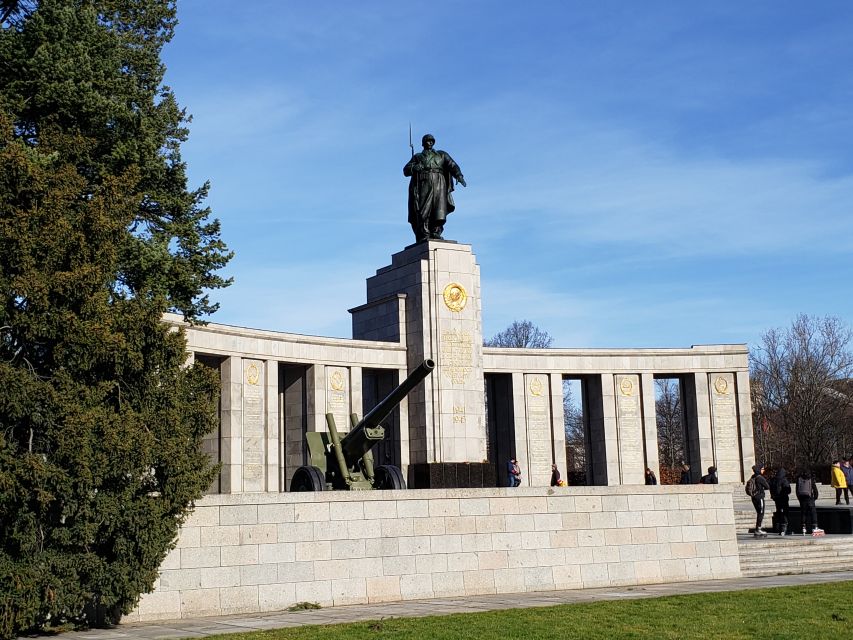
- Tiergarten and the Soviet War Memorial: memory in leafy daylight
- The Holocaust Memorial: walking through scale and silence
- From propaganda and power to fear and control
- Hitler’s bunker location: the end of the Third Reich
- Topography of Terror: the open-air exhibition meets the ground truth
- Price, time on your feet, and what value you’re really buying
- Should you book this Hitler and the Third Reich private walking tour?
- FAQ
- Where is the meeting point?
- How long is the tour?
- Is this tour private?
- What languages are available?
- Is the tour wheelchair accessible?
- Do I need to buy tickets for the attractions?
- What should I bring?
- What does the tour include?
- Is there free cancellation?
Key things to know before you go
- Private pacing in 2 hours: you cover major stops without feeling rushed into a checklist
- Holocaust Memorial at steles scale: 2,710 concrete steles are meant to be experienced slowly
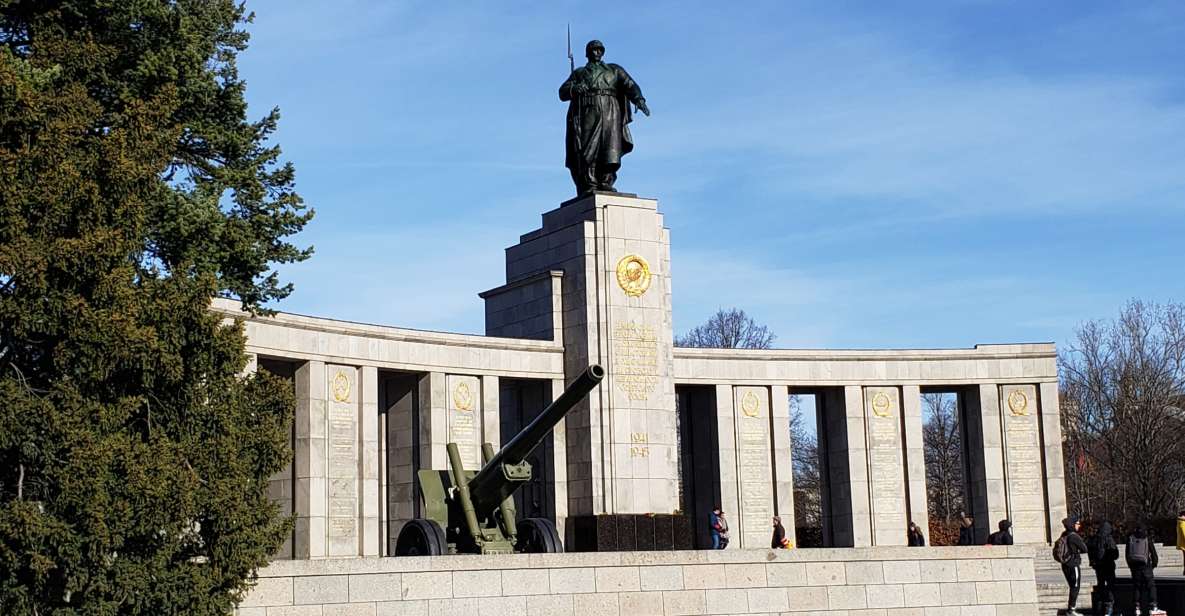
- Cold War memory nearby: the Soviet War Memorial sits in Tiergarten, right in the same Berlin story
- Original regime sites: you pass places tied to the former Propaganda Ministry, the Reich Chancellery, and Göring’s aviation ministry
- Topography of Terror outdoor focus: the documentation center context meets the open-air exhibition grounds
- Hitler’s bunker location: you stand where his final days unfolded, without theatrical distraction
Entering the Nazi government district from Brandenburg Gate
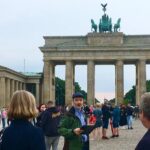
The tour begins at the Brandenburg Gate, right in the public heart of Berlin—easy to find, easy to orient yourself. Your guide meets you at the tourist information area in front of the gate, holding a sign with your name. That small detail matters. When the topic is so intense, you want the meeting to be smooth and the walk to start with confidence.
From the start, you’re not just “seeing Berlin.” You’re building a timeline in real space. The guide connects multiple eras, moving from earlier layers of Berlin’s past through the rise of the National Socialist Party and then on into the Cold War and unified Germany. The point isn’t to cram history into your head. It’s to show how the same streets can carry totally different meanings across decades.
Also, the walking order helps. You go from monumental, symbolic Berlin space into sites tied to government planning, propaganda, and the machinery of repression. In a city where layers overlap visually, a route with a guide is what turns confusing geography into something you can actually follow.
Practical note: this is a walking tour, so comfy shoes aren’t optional. Berlin sidewalks can be fine—or they can be unexpectedly rough depending on where you end up. Plan for steady walking for the full 2 hours.
You can also read our reviews of more walking tours in Berlin


Tiergarten and the Soviet War Memorial: memory in leafy daylight
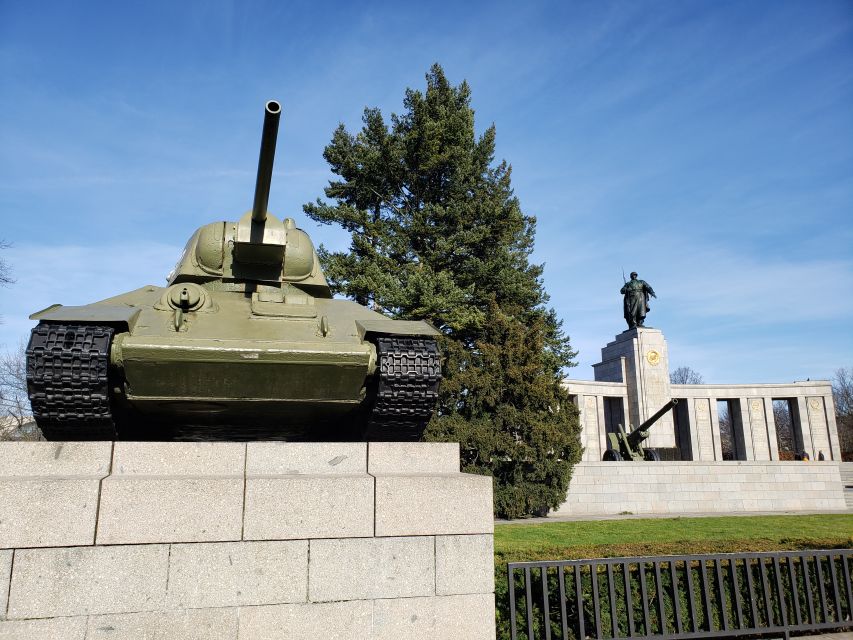
After the Brandenburg Gate, the tour heads to the Soviet War Memorial in Tiergarten. This is one of those stops that works brilliantly because it changes the mood. You’re still in the same wider Berlin story, but the emotional tone shifts from Nazi Germany’s era of terror to how the Second World War is remembered after the war.
Tiergarten adds another layer. You’re surrounded by greenery, which can make the monument feel more accessible than you’d expect. But that contrast is useful. It shows how memorials don’t just sit in history books. They live inside daily life—on paths people walk every day, under trees that feel far removed from the events being remembered.
Your guide’s job here is key: you’ll get context that links this memorial to the larger postwar narrative. Without that connective tissue, the memorial might feel like just another landmark in a city full of landmarks. With it, you start noticing how different powers and regimes shaped public memory in very different ways.
The Holocaust Memorial: walking through scale and silence
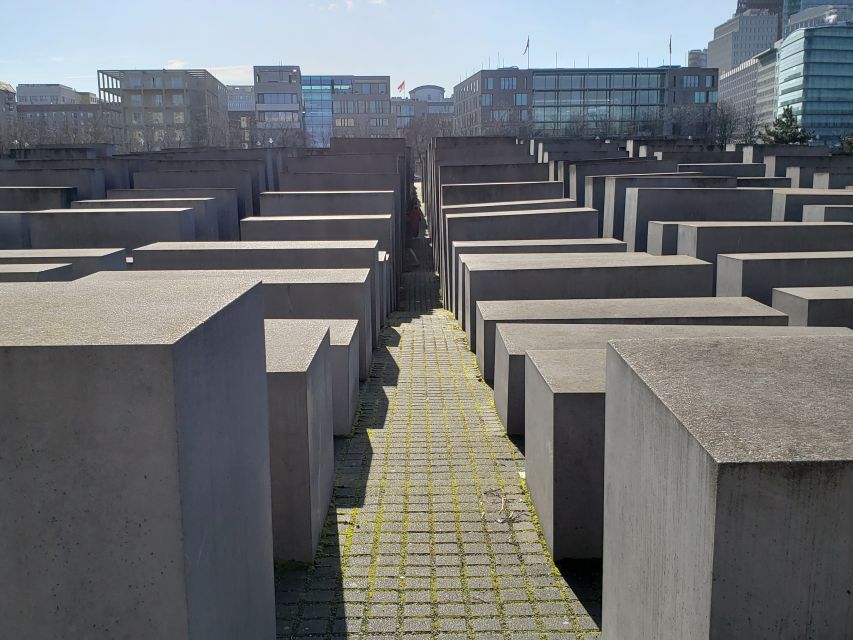
Next comes the Holocaust Memorial, the one made of 2,710 concrete steles. This stop is one of the tour’s emotional anchors. If you’ve ever seen photos of it, the pictures don’t fully prepare you for what the space does to your sense of direction and scale.
Your guide leads you through the memorial with interpretation, so you’re not left guessing how to read the experience. The steles create narrow sightlines and shifting viewpoints. It’s not just visually striking—it changes how you move through the space. That physical effect makes the themes more personal, because you’re not just hearing about the Holocaust. You’re experiencing a designed environment that forces attention and restraint.
What I like about doing this with a guide is timing and framing. You’re not rushing from one viewpoint to the next like it’s a photo tour. You slow down enough to let the memorial communicate. Your guide also helps connect the memorial to other remembrance sites you’ll see along the way, including memorials dedicated to murdered Roma and Sinti.
One consideration: if you’re someone who prefers light, upbeat travel, this is the wrong stop to “power through.” Give yourself a moment here before the next location.
From propaganda and power to fear and control
The tour then shifts from remembrance into the places where Nazi power was planned, organized, and displayed. This is where the walk turns into something very “Berlin” and very practical: you see how a regime’s control system was built into government architecture and city planning.
You’ll pass by original sites connected to key institutions, including the former Propaganda Ministry. You’ll also see the former government district of the National Socialists, and the site of the former New Reich Chancellery. These stops matter because they show you the dual function of the Nazi state: propaganda to persuade and bureaucracy to enforce.
You’ll also encounter the site of the Reich Aviation Ministry, associated with Göring. Even if aviation sounds like just another tech theme, it’s part of the bigger picture: a total state aimed at controlling everything, including industries that supported its war plans.
Then the tour moves toward the infrastructure of terror. You’ll see the site where the SS and Secret State Police buildings once stood. This is important because it turns the topic from ideology into operations. The Nazi regime wasn’t only about speeches. It required a system that could identify, arrest, and control people—often with brutality.
This is also where the guide’s clarity really shows. One name that came up repeatedly in feedback is Stefan, praised for making explanations easy to follow. A big plus from his style is that he brings pictures showing sites as they were many years ago. Those images help you “reconstruct” what the city looked like during the Nazi period, when many buildings are gone or changed.
For you, the value here is simple: you stop treating the era like a museum exhibit and start understanding it as something that operated on real streets.
Hitler’s bunker location: the end of the Third Reich
The tour reaches the place where Hitler’s bunker used to be—where he spent the last days of his life, and where the Third Reich ended. This stop hits differently because the final act feels so tied to a specific location. You’re not just learning about history; you’re standing near the geographic point where that history collapsed.
What I appreciate about how this is handled is that it’s grounded. There’s no need for sensational reenactment. The meaning comes from the guide’s explanation and the simple fact of place. Berlin has plenty of theatrical sites. This one is more about gravity than spectacle.
Your guide will connect the bunker location to the end of the regime and the wider postwar transition. You also continue getting the broader timeline: how the Nazi state rose, how it functioned through power and terror, and how it fell—then how Berlin reshaped itself after.
If you’re the type who likes to take photos, you’ll probably feel a bit awkward here. That’s normal. This is a moment where the best souvenir is usually mental.
You can also read our reviews of more private tours in Berlin


Topography of Terror: the open-air exhibition meets the ground truth
The walk finishes at Topography of Terror, where the former SS and Gestapo areas are documented through the documentation center and the surrounding open-air exhibition. This is one of the best “end points” because it consolidates everything you’ve been seeing into a clearer explanation of what happened and how the system worked.
The tour focuses on original sites and their meaning. You’ll see the former location of the Secret State Police area, and you’ll understand why this ground earned the name Topography of Terror. That phrasing matters: terror wasn’t abstract. It was planned, staffed, and imposed through a network of offices and enforcement structures.
A good guide helps you read the exhibition without getting lost in dates and details. The way this tour is arranged also helps: you’ve already been through remembrance sites, then through power-center locations, then through Hitler’s bunker spot. By the time you’re here, your brain has categories. That makes the information easier to process.
If you want to make this final stop even more meaningful, slow down and let yourself be quiet for a minute within the outdoor context. The exhibition works best when you’re not treating it like a quick lap.
Also, since entrance to attractions is not included, check ahead if any specific indoor components have separate admission. The open-air parts are central, but you’ll want to be prepared if you decide to go inside more than the guide covers.
Price, time on your feet, and what value you’re really buying
The price is $22 per person for a private walking tour lasting about 2 hours. For Berlin, that’s a reasonable deal if you care about context. You’re not paying just for movement—you’re paying for someone to connect the dots between sites that look similar on a map but mean very different things on the ground.
The private format is the real value lever here. You get a live guide in German and English, and you’re not stuck listening to a single volume of group chatter while your questions go unanswered. The pace also tends to be steadier: you’re walking enough to see a sequence, but not so long that you’re dealing with exhaustion more than ideas.
You should know what to pack. Bring comfortable shoes and water, and wear weather-appropriate clothing. Two hours is short enough for a lot of people, but Berlin weather changes quickly and the memorial zones are still outdoor.
Who this tour suits best:
- You want a guided route through the Third Reich era with clear explanations
- You’re comfortable with serious topics and prefer context over quick photos
- You want to see remembrance sites and regime sites in one coherent walk
- You enjoy a guide using visuals like historical photos to help you picture what’s gone
Who might find it less ideal:
- If you’re looking for light entertainment, this is not a match
- If you’re sensitive to emotionally intense themes, plan for extra time afterward to decompress
Should you book this Hitler and the Third Reich private walking tour?
I think you should book it if you want Berlin’s Nazi-era story told with geography, not just facts. The combination is smart: you start in the symbolic center, pass through Tiergarten, experience the Holocaust Memorial in a guided way, stand near Hitler’s bunker location, and end with Topography of Terror where the documentation grounds make the story stick.
If you’re unsure, focus on what you want most. Want a simple highlights walk? You might feel tempted to skip the heavier stops. But if you want understanding—real understanding—this route does a good job keeping the narrative coherent across multiple sites.
If you do book, come ready to walk and ready to listen. This is the kind of tour where the most valuable part isn’t the checklist. It’s how the guide helps you connect what you see to what those places meant.
FAQ
Where is the meeting point?
Meet your guide at the Brandenburg Gate, in front of the tourist information center.
How long is the tour?
The tour lasts about 2 hours.
Is this tour private?
Yes, it’s a private walking tour.
What languages are available?
The live guide offers German and English.
Is the tour wheelchair accessible?
Yes, the tour is wheelchair accessible.
Do I need to buy tickets for the attractions?
Entrance to attractions is not included, so you may need separate tickets depending on what you want to enter.
What should I bring?
Wear comfortable shoes, bring water, and dress for the weather.
What does the tour include?
You get a tour guide and a private walking tour.
Is there free cancellation?
Free cancellation is offered up to 24 hours in advance for a full refund.