REVIEW · BERLIN
Berlin: The Wall and Cold War – a Private Walking Tour
Book on GetYourGuide →Operated by Sightseeing Point GmbH · Bookable on GetYourGuide
Berlin’s border line still hits you. It’s a private 2-hour walk through places where the Cold War was lived up close, not in a textbook. I especially liked how you start at Bernauer Straße and follow the former border route through the city, then finish at famous former border stations like Checkpoint Charlie.
Two things I come away loving: the chance to see what’s still left of the Berlin Wall in real locations, and the way your guide connects that geography to daily life—construction, division, and the constant pressure on ordinary people. You’ll also get a strong sense of escape attempts and where they tried to break out.
One drawback to consider: one key view—the “death strip” from a viewing platform—is only possible if it’s open. If it’s closed, you’ll still learn the story, but the best vantage may not be available that day.
In This Review
- Key highlights to look for
- Bernauer Straße: where the Cold War story starts in plain sight
- Following the former borderline through Berlin’s center
- Tränenpalast, the Palace of Tears border crossing
- Seeing the “death strip” from the viewing platform (if open)
- Checkpoint Charlie: ending at a border symbol that still feels real
- Private walking tour format: why 2 hours works well here
- Languages and guide style: what you should expect from the narration
- Price and value: is $22 per person a good deal?
- Who should book this tour (and who might prefer something else)
- Should you book it?
- FAQ
- Where do I meet the guide?
- Where does the tour start and where does it end?
- How long is the Berlin Wall and Cold War private walking tour?
- Is this tour private?
- What languages is the live guide available in?
- Can I see the former death strip?
- Which border locations are included?
- Is the tour wheelchair accessible?
- How much does it cost?
- FAQ
- Can I cancel for a full refund?
- Can I reserve without paying right away?
Key highlights to look for
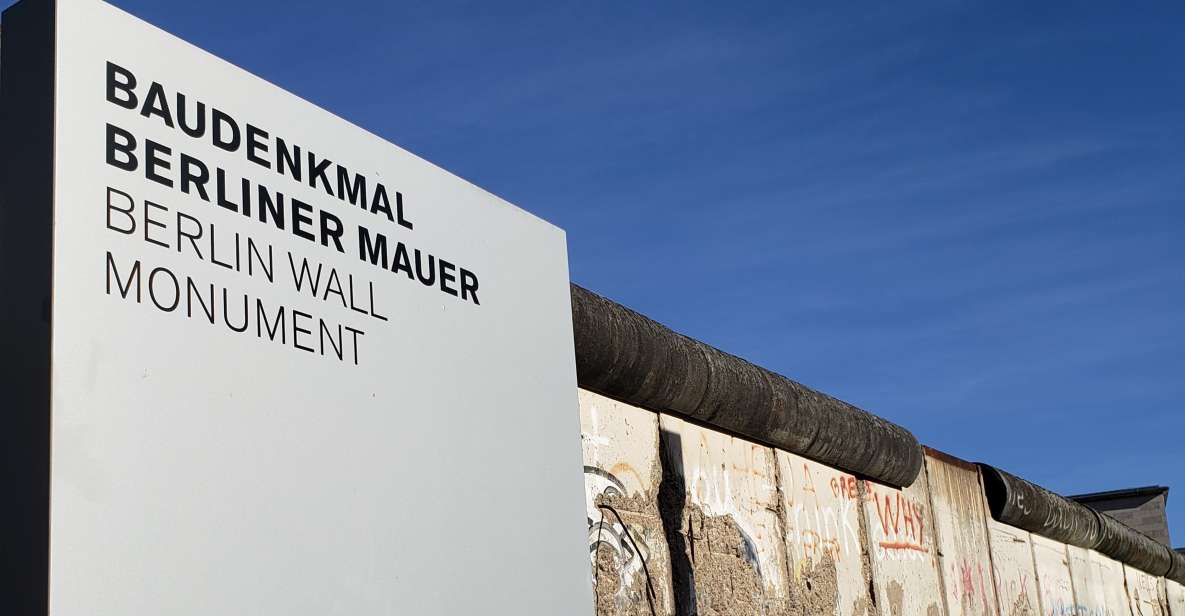
- Bernauer Straße as a starting point tied to the border’s human scale and an open-air documentation museum
- Real border stations in focus, including Tränenpalast and Checkpoint Charlie
- Wall remains along the route, so you see history in the same street-level spaces people used
- Escape attempts and the “death strip” story, with a viewing platform if it’s open
- A private format with a live guide in English or German for a tighter, more personal walk
Bernauer Straße: where the Cold War story starts in plain sight
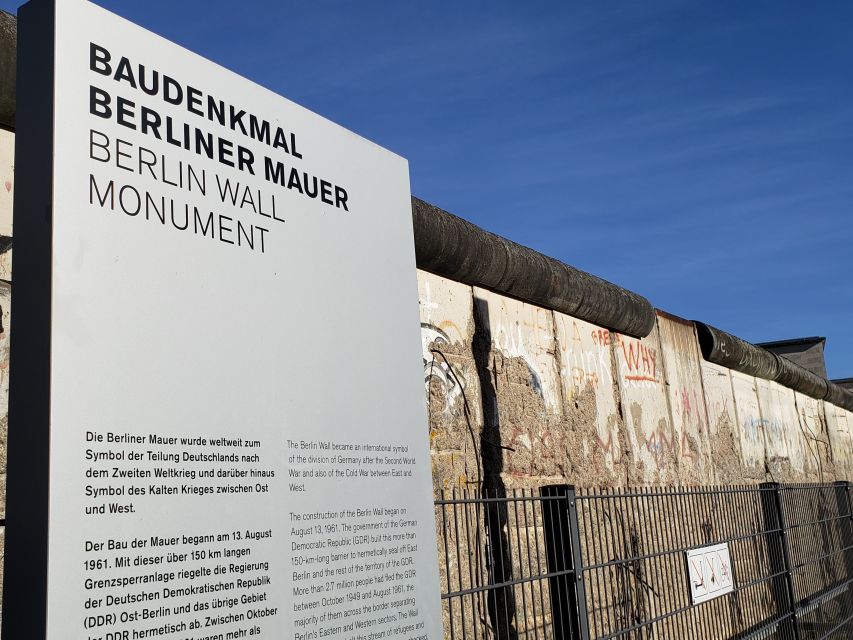
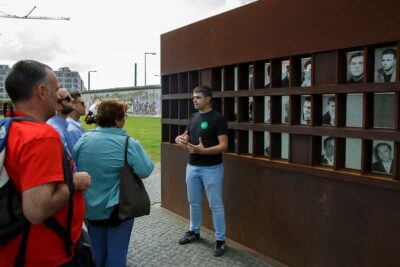
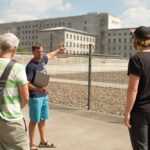
Starting at U Bernauer Straße puts you at the emotional beginning of the division. This is one of those Berlin locations where you don’t need extra imagination—your eyes can trace the border’s impact in the urban layout right around you. The street is now home to an open-air documentation museum, which matters because it frames what you’re about to hear: this wasn’t abstract politics, it was a daily reality for people living and working nearby.
I like how the tour begins here because it encourages you to understand the border as something physical. You’re not just learning that the wall existed—you’re learning how the city’s streets, edges, and crossings were used, restricted, and watched. That perspective makes later stops like Tränenpalast and Checkpoint Charlie feel like more than famous names.
Also, since this is a private walking tour, you’re not stuck in a slow shuffle with a crowd. You can ask follow-up questions as the story unfolds, and the guide can pace the route to your group.
You can also read our reviews of more walking tours in Berlin


Following the former borderline through Berlin’s center
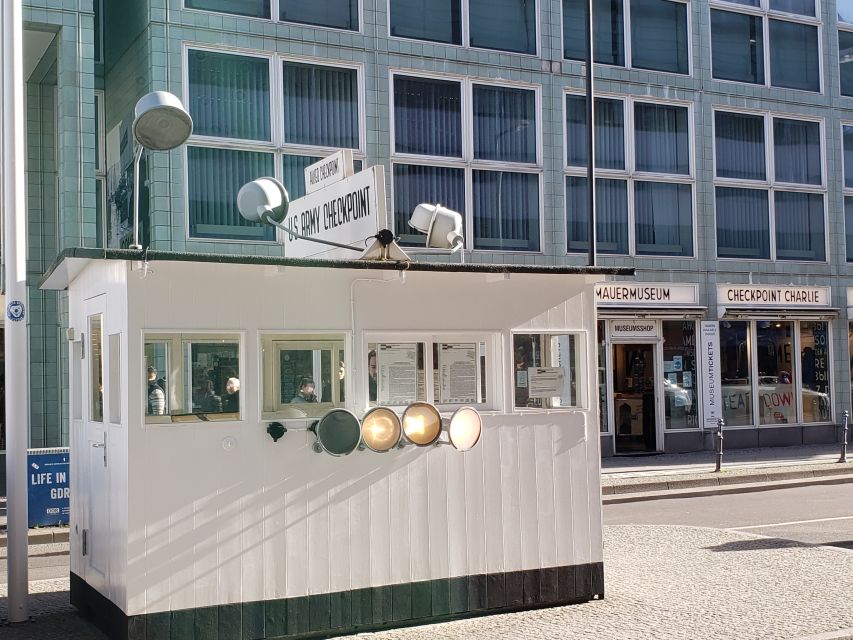
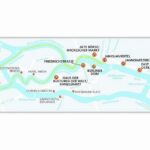
After the start, you follow the former borderline through the center of Berlin, and that route choice does a lot of work. A Cold War tour can easily become a list of sights. Here, the walk format helps you connect the dots: division wasn’t a single monument, it was a long line that shaped movement, risk, and routines.
Your guide walks you through what life felt like in the divided city—daily life under pressure, the human side of the wall’s construction, and what changed as the wall fell. Even if you already know the basics, hearing it anchored to actual street corners makes it click differently. You can picture people moving toward possibilities and away from danger.
The tour also focuses on places of escape. That’s a crucial angle because it shifts the story from only “restriction” to “resistance” and ingenuity. You’ll learn about attempts people made and what the border system was designed to prevent—so the wall isn’t just a barrier you admire from afar. It becomes a living obstacle that people tried, sometimes at huge personal cost, to get past.
Tränenpalast, the Palace of Tears border crossing
One of the most compelling stops is the Tränenpalast, also known as the Palace of Tears. This is described as an original border crossing station, which is exactly why it hits. You’re not hearing the story secondhand. You’re seeing a place that was built for transit and control, with everything that implies about separation and paperwork.
During this guided segment, you’ll get the context for what such a crossing meant in real terms. A border station isn’t just a gate. It’s a system designed to channel movement through rules, delays, inspections, and scrutiny. In the divided city, every step there carried emotional weight, which is why this stop is often treated as more than a historical attraction.
I like that the tour doesn’t treat Tränenpalast as a standalone photo stop. It’s part of a route that starts at Bernauer Straße and continues toward other crossings. So when you reach the next locations, you understand that Berlin’s border infrastructure was built as a connected set—each site part of how the wall era functioned.
Seeing the “death strip” from the viewing platform (if open)
The tour includes a chance to view the former “death strip,” the area designed to prevent escape attempts. That single phrase tells you everything about the mindset behind the barrier: it wasn’t only about stopping people—it was about controlling the space between sides.
The key condition is important: you’ll head up to a viewing platform only if it’s open. That means your experience can vary depending on access that day. If the platform is available, the height and position help you understand the layout and the purpose of the space. If it’s closed, don’t panic—you’ll still learn what the area was meant to do, but you may have to rely on street-level perspectives instead.
Either way, this stop is valuable because it reframes the wall. Instead of thinking of it as a wall you can touch, you start seeing it as a whole border strategy: barriers, surveillance, and controlled zones. That’s the difference between learning that the wall existed and understanding how it worked.
Checkpoint Charlie: ending at a border symbol that still feels real
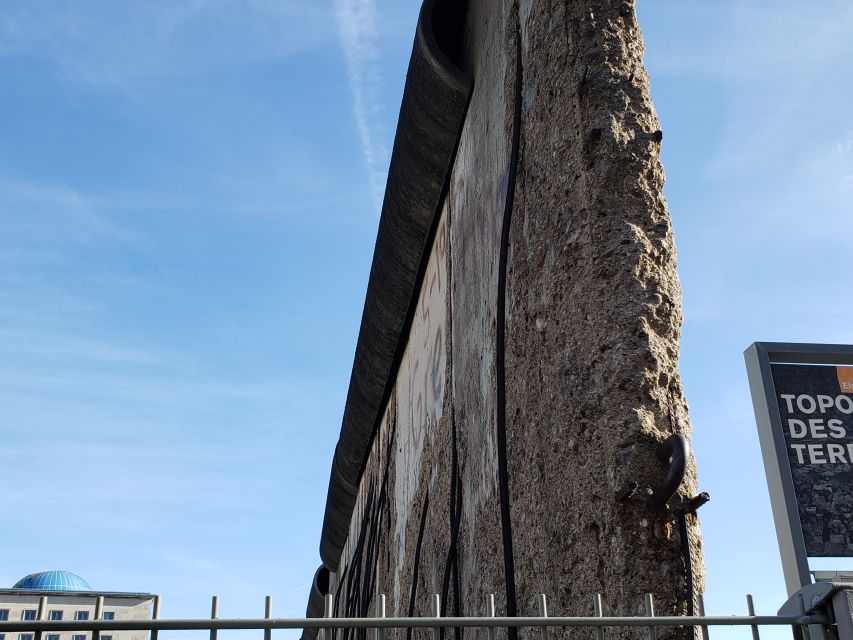
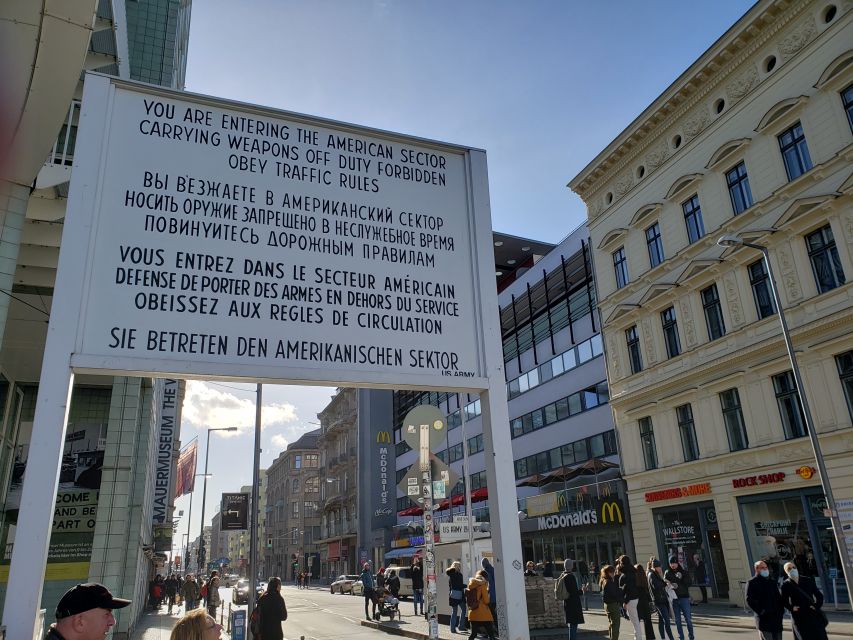
The tour concludes at Checkpoint Charlie, another former border crossing station. Checkpoint Charlie is famous, but ending here can still be surprisingly effective if the rest of the walk was done right. Because you’ve just moved through Bernauer Straße, Tränenpalast, and the story of the escape system, Checkpoint Charlie lands less like a postcard and more like the final stop in a network.
What I like about finishing here is the perspective shift. At the start, you’re close to the border’s human scale. By the end, you’re at a spot that became a symbol—one that people came to recognize as the face of division. With your guide’s narration, the symbolism becomes a practical thing: why this crossing mattered, why it drew attention, and how it fit into daily life for those on both sides of the wall era.
Also, since this is a private group, you’re not rushed out at the end. You can ask a few final questions about what you’ve seen and how the pieces connect—especially if you want help sorting what you saw from what you already knew.
You can also read our reviews of more private tours in Berlin


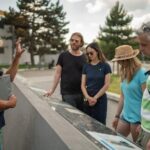
Private walking tour format: why 2 hours works well here
This is a 2-hour private walking tour. That timing is honestly ideal for a topic like the Berlin Wall, because it’s long enough to cover the meaningful sequence of stops, but not so long that you lose the thread. You get the route from Bernauer Straße to Checkpoint Charlie, plus the key border crossing focus points in the middle.
A private group also changes the feel. You can move at a pace that makes sense for you—especially if you want time to stand, look at Wall remains, and absorb what the guide is describing. And because the tour is live-guided in German and English, you can choose the language that best fits your group, which helps a lot when emotions and details matter.
One more practical benefit: because you’re walking, you’re seeing Berlin’s geography as you go. That’s essential for this theme. The Cold War in Berlin isn’t only in buildings—it’s in edges, routes, and the way the city’s center was divided.
Languages and guide style: what you should expect from the narration
The tour is led by a local guide and runs in German and English. The format is designed for real storytelling, not just memorizing facts. I like that it’s framed around real-life experiences—daily life in the divided city, escape attempts, and the construction and fall of the Berlin Wall tied to the spaces where it happened.
There’s also a nice flexibility for groups: one of the strengths called out for guides in this tour context is how they adjust their teaching approach depending on who’s in the group. If you have kids in your party, or you want the explanation tailored, the fact that the tour supports both German and English is a big plus.
When you book, it can help to think about what you want most from the narration:
- more emotional human stories and escape accounts
- or a cleaner, timeline-like overview of construction and fall
- or a balance of both
A private tour makes that easier than a big group format.
Price and value: is $22 per person a good deal?
At $22 per person for a 2-hour private guided walk, the value is strongest for one reason: you’re paying for a local guide to connect the places. If you walked this route on your own, you could see the sites. But you’d likely miss the internal logic—how Bernauer Straße sets the tone, why Tränenpalast matters as a border station, how the “death strip” fits into the escape-prevention design, and why the ending at Checkpoint Charlie completes the story.
You’re also not just getting a guide for a single photo stop. You get a sequence of major former border locations, plus the story of what life was like in the divided city. For many people, that kind of narrative structure is what makes the wall era understandable.
Is it expensive? No. Is it cheap enough that it feels pointless? Also no. For the time and the guided content, it’s priced like an efficient, high-impact walk.
Who should book this tour (and who might prefer something else)
This tour is a great fit if you:
- want to understand Berlin during the Cold War from the street level
- prefer a guided route over reading guidebooks
- like history that focuses on daily life and real constraints, not only famous landmarks
- want to see major border stations in one compact walk: Tränenpalast and Checkpoint Charlie
It may not be the best fit if you:
- need very long museum-style time, since the duration is just 2 hours
- are only interested in a single iconic viewpoint and you’re depending entirely on the “death strip” platform being open that day
Should you book it?
Yes—if you want a well-paced route that makes the Berlin Wall era feel real. Booking makes the most sense when you care about story and context as much as you care about photos. The balance here is strong: Wall remains, escape attempts, an original border crossing stop at Tränenpalast, and an ending at Checkpoint Charlie, all in one guided walk.
The only real condition you should plan around is the viewing platform for the “death strip” being open. If that platform happens to be closed, you’ll still get the core story, but your top visual may be limited.
If your goal is to walk away with a clear mental map of how the border shaped life—and why the places of escape mattered—this is a solid choice.
FAQ
Where do I meet the guide?
Meet at the underground station Bernauer Straße, upstairs at the exit marked Bernauer Straße. The guide will have a sign with your name.
Where does the tour start and where does it end?
It starts at Bernauer Straße and ends at Checkpoint Charlie.
How long is the Berlin Wall and Cold War private walking tour?
The tour lasts 2 hours.
Is this tour private?
Yes. It’s a private group.
What languages is the live guide available in?
The live tour guide is available in German and English.
Can I see the former death strip?
You’ll be taken to a viewing platform to see the former death strip if it is open.
Which border locations are included?
You’ll visit Tränenpalast (Palace of Tears) and Checkpoint Charlie, both former border stations.
Is the tour wheelchair accessible?
Yes, the tour is wheelchair accessible.
How much does it cost?
The price is $22 per person.
FAQ
Can I cancel for a full refund?
Free cancellation is available up to 24 hours in advance for a full refund.
Can I reserve without paying right away?
Yes. You can reserve now & pay later, with no payment required today.